Lingzhi
Lingzhi, the legendary "mushroom of immortality" in Traditional Chinese Medicine, has entered modern perfumery as a rare base note. Its complex profile weaves together earth, wood, and a subtle bitter-sweet finish that adds depth and mystique to fine fragrances.
Character
How it smells
The ancient elixir translated into scent
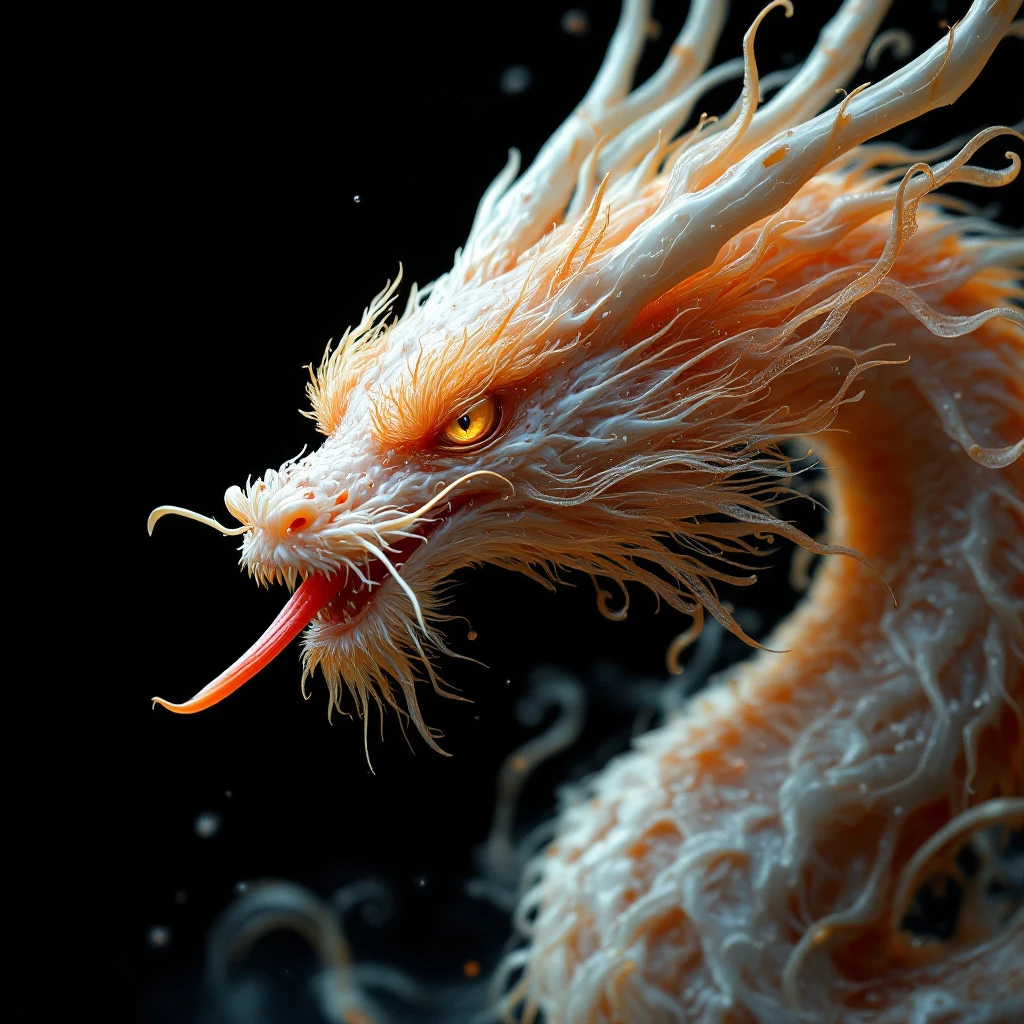
In Chinese, Lingzhi appears in imperial seals and dynastic symbolism as a sign of divine blessing and longevity.
Pairs beautifully with


Origin
China
Lingzhi holds an esteemed place in Chinese medicinal tradition dating back over 2,500 years. The Shennong Bencao Jing, one of the earliest Chinese herbal texts, categorized it as a superior herb capable of nourishing the spirit and prolonging life.
Ancient emperors sought it as an elixir of immortality, and the mushroom appeared prominently in court art and imperial symbolism. Its inclusion in perfumery is a more recent development, emerging as Western and Eastern fragrance traditions began to merge in the late 20th century, bringing TCM botanicals into the perfumer's palette.
Wears it best
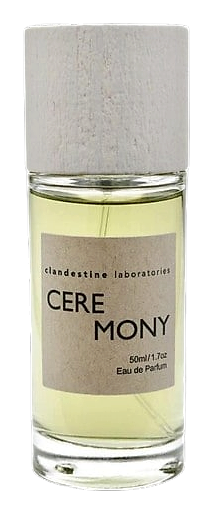
Fragrances featuring Lingzhi
Good to know
Questions, answered
The essentials on Lingzhi in perfumery: how it smells, where it comes from, and how it behaves on skin.
What does Lingzhi smell like in perfume?
Lingzhi has an earthy, woody scent with bitter-balsamic undertones and subtle spice. It functions as a grounding base note that adds depth and a slightly medicinal, mushroom-like richness to fragrance compositions.
Is Lingzhi used in natural or synthetic perfumery?
Lingzhi appears in both contexts. Natural absolutes come from solvent extraction of the dried mushroom, while aroma chemists have developed synthetic analogues that replicate its earthy, woody character for broader use.
What fragrances feature Lingzhi as a note?
Several niche houses use Lingzhi, particularly in oriental and aromatic compositions. Its rise in perfumery coincides with the growing interest in TCM-inspired ingredients among artisan and indie perfumers.
How long has Lingzhi been used in perfumery?
Lingzhi entered Western perfumery relatively recently, gaining traction in the 1990s and 2000s as cross-cultural fragrance ingredients became more common and luxury brands explored Asian botanical themes.
Does Lingzhi have traditional fragrance uses beyond perfumery?
In East Asian traditions, Lingzhi was burned as incense during ceremonial rituals rather than used in liquid perfumes. Its aromatic smoke was considered purifying and spiritually significant in Taoist practices.
What part of the Lingzhi mushroom is used for fragrance?
The fruiting body of Ganoderma lucidum is harvested, dried, and processed. The cap's glossy surface indicates high triterpenoid content, which contributes to its distinctive bitter, woody aroma profile.
Is Lingzhi related to other mushroom ingredients in perfumery?
Lingzhi shares the earthy, umami character of other fungal materials like chaga. However, its glossy cap and bitter-balsamic quality distinguish it from milder mushroom notes used in fragrance.
Why is Lingzhi called the mushroom of immortality?
TCM texts spanning 2,500 years classify Lingzhi as a superior adaptogen believed to promote longevity and spiritual enlightenment. Its rarity and distinctive appearance reinforced its reputation as a sacred, life-extending fungus.