Lotus Root
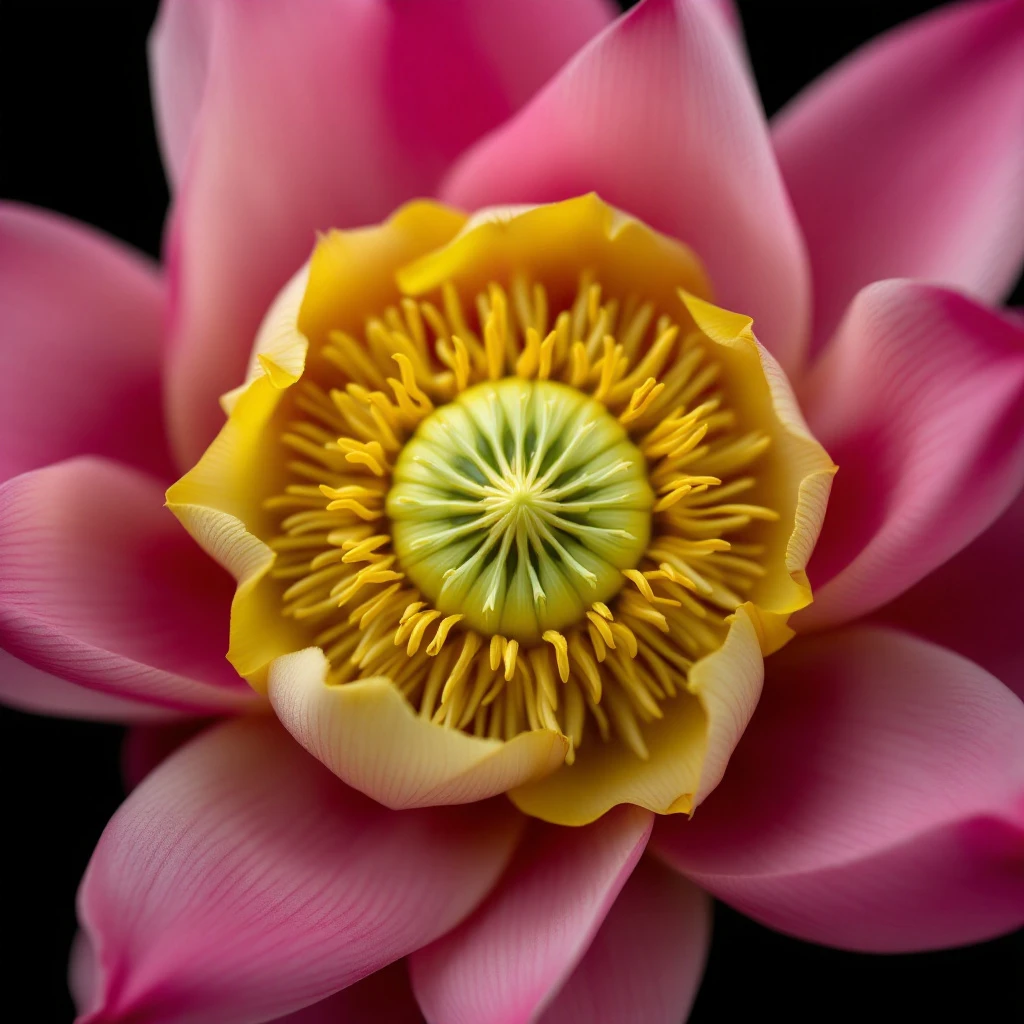
Lotus root extract delivers an earthy, aquatic whisper to fragrances, grounding florals with its unique underground character. This rhizome material offers perfumers a rare opportunity to capture lotus's spiritual essence in a different register.
Character
How it smells
Earth beneath the sacred bloom.
Lotus roots can grow up to 2 meters long, with a distinctive hollow structure visible in cross-section that ancient cultures compared to open airways of the body.


Origin
India
Nelumbo nucifera, the sacred lotus, has been cultivated across South and East Asia for over 3,000 years, though primarily for its flowers, seeds, and edible rhizomes rather than fragrance production. Ancient Egyptian and Indian texts reference lotus flowers extensively in ceremonial contexts, while traditional Chinese medicine utilized lotus root for its cooling and restorative properties.
The rhizome held particular significance in Buddhist monastic cuisine across Asia, valued for its fibrous, nutrient-dense nature. Its incorporation into perfumery is a relatively recent development, emerging from East Asian natural material exploration in the late 20th century.
Modern perfumers began specifically extracting lotus root as interest grew in capturing complete botanical profiles and utilizing overlooked plant parts. Today, lotus root absolute represents a niche but meaningful intersection of traditional botanical knowledge and contemporary perfumery innovation.
Wears it best
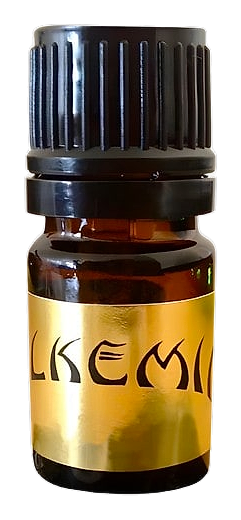
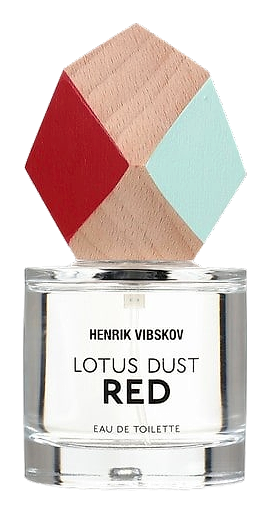
Fragrances featuring Lotus Root
Brands
Brands known for Lotus Root
Good to know
Questions, answered
The essentials on Lotus Root in perfumery: how it smells, where it comes from, and how it behaves on skin.
Does lotus root smell like lotus flowers?
No. Lotus root delivers an earthy, aquatic, slightly starchy scent profile rather than the sweet floral notes of lotus petals. It works as a grounding element in fragrance compositions.
Is lotus root a natural fragrance ingredient?
Yes, lotus root absolute is extracted from the rhizome of Nelumbo nucifera using solvents or CO2. It is considered a natural material, though used sparingly due to limited availability.
What fragrances feature lotus root?
Lotus root appears primarily in niche and natural perfumery lines that emphasize botanical authenticity. It often pairs with lotus flower, aquatic notes, and green absolutes to create depth.
How does lotus root contribute to fragrance composition?
Lotus root acts as a grounding component, adding earthy, mineral-like depth that prevents floral accords from becoming too ethereal. It provides textural contrast and visual weight to fragrance pyramids.
Is lotus root sustainable to harvest?
Lotus cultivation requires aquatic environments like ponds and marshes. Sustainable harvesting focuses on selective rhizome collection that allows the plant to regenerate, though demand remains niche and limited.
What does lotus root absolute smell like?
The absolute presents earthy, rooty, slightly aquatic qualities with hints of mineral and raw starch. It lacks the sweet floral character many associate with lotus flowers.
How long has lotus root been used in perfumery?
Lotus root extraction for fragrance began in earnest during the late 20th century, making it a relatively modern addition compared to centuries-old floral absolutes like rose or jasmine.
Can lotus root be synthesized artificially?
No synthetic equivalent exists that captures the complete aromatic profile of lotus root. Aromachemicals can approximate certain earthy, aquatic notes but cannot fully replicate the natural material's complexity.