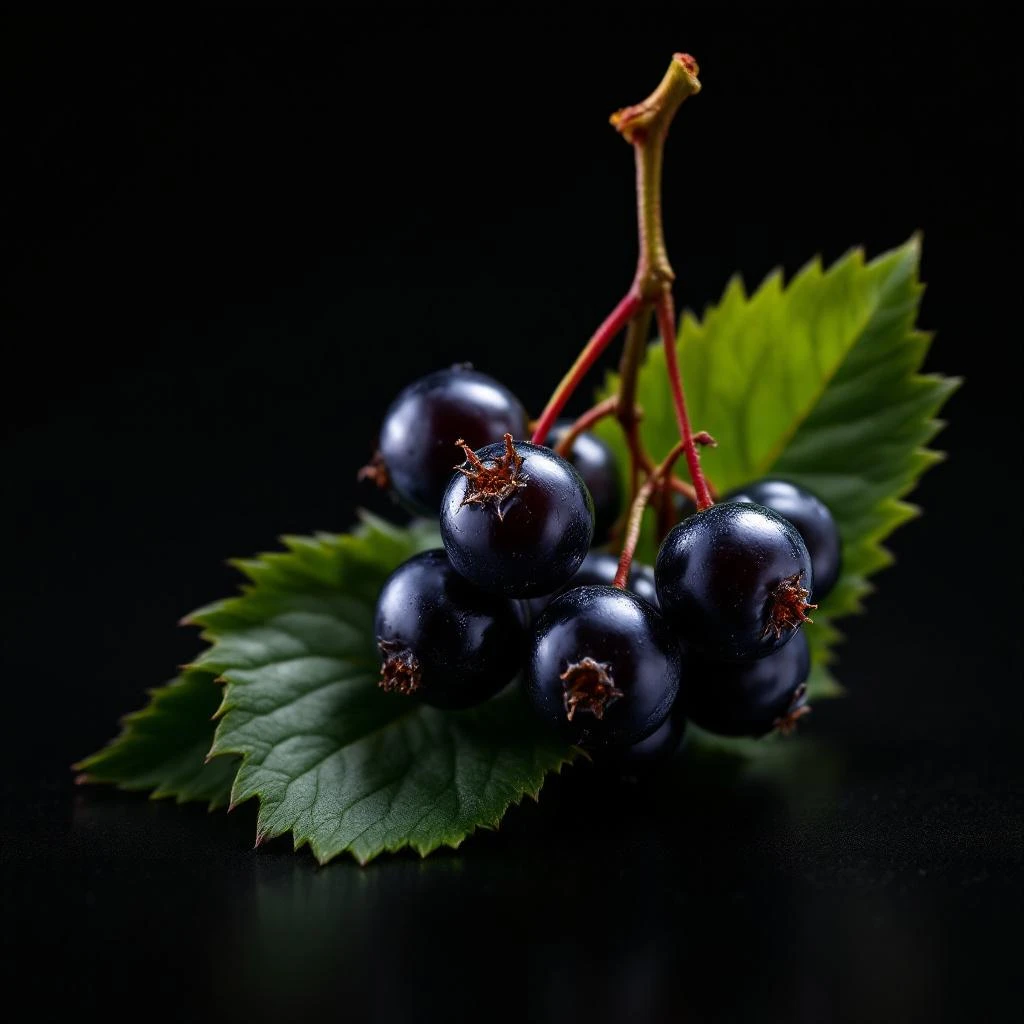
Linaloe Berry
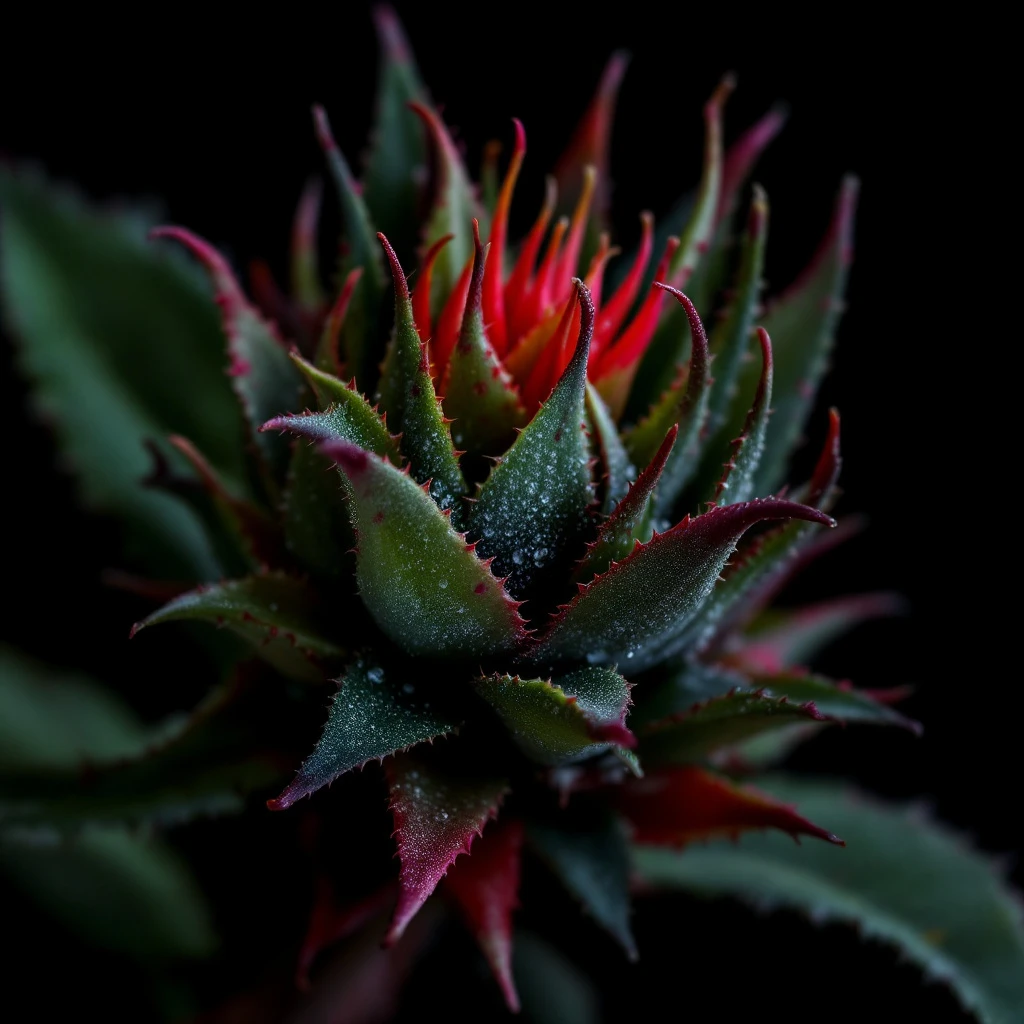
A berry-derived essential oil prized in fine perfumery for its soft, floral-woody aroma that rounds and enhances fragrance compositions.
Character
How it smells
Mexican roots. Indian craft.
The Linaloe tree takes its name from linalool—the same compound that defines lavender's signature scent, connecting two aromatic worlds.


Origin
India
The Bursera genus holds deep roots in Mesoamerican cultures, where indigenous communities used these resinous trees for ceremonial and medicinal purposes. The specific cultivation of linaloe berries for essential oil began during the colonial era and expanded significantly in the 20th century as global trade in aromatic materials grew. The plant's name carries an explicit botanical clue—linalloe derives from linalool, the same aromatic compound that defines lavender, suggesting long-standing recognition of the plant's fragrant potential.
Indigenous Mexican communities relied on Bursera species for their aromatic resins, though systematic commercial cultivation developed primarily in India. This cross-cultural exchange moved the plant from its Mexican origin to become a niche ingredient in Indian production, serving the international fragrance industry. The plant received its name from the characteristic linalool content in its fruit, linking it chemically to one of the most recognizable scents in perfumery.
Today, Linaloe Berry occupies a quiet but respected position among natural fragrance ingredients, valued for its rounding properties and complex aromatic profile.
Wears it best
Fragrances featuring Linaloe Berry
Brands
Brands known for Linaloe Berry
Good to know
Questions, answered
The essentials on Linaloe Berry in perfumery: how it smells, where it comes from, and how it behaves on skin.
What is Linaloe Berry in perfumery?
Linaloe Berry is a fruit-derived essential oil from the Bursera delpechiana tree, valued in fine perfumery for its soft, floral-woody aroma that enhances and rounds fragrance compositions.
What does Linaloe Berry smell like?
Linaloe Berry offers a delicate, soft aroma combining floral and woody facets with subtle citrus and resinous undertones. Its linalool content gives it a lavender-like sweetness without being overpowering.
Where does Linaloe Berry originate?
The Bursera delpechiana tree originates in Mexico. Commercial production shifted primarily to India, where established steam distillation infrastructure and generations of specialized knowledge now dominate global supply.
How is Linaloe Berry oil produced?
The berries undergo hydro steam distillation, where pressurized steam passes through the fruit to release volatile aromatic compounds. Indian producers lead global output, processing the fruit soon after harvest to maintain aromatic quality.
What is the history of Linaloe Berry in fragrance?
Indigenous Mexican communities used Bursera species for aromatic resins for centuries. Commercial cultivation for essential oil began during the colonial era and expanded in the 20th century with global trade in natural aromatic materials.
What role does Linaloe Berry play in perfumery?
Linaloe Berry functions as a fragrance enhancer. Its complex composition helps round and stabilize fragrance blends, adding depth that synthetic materials struggle to replicate naturally.
Is Linaloe Berry oil certified for commercial use?
Linaloe Berry oil is REACH registered and KOSHER certified, meeting commercial and regulatory standards required by the global fragrance industry for ingredient safety and quality.
How does Linaloe Berry differ from synthetic fragrance materials?
Linaloe Berry represents a natural aromatic ingredient with a complex profile that develops from the fruit's unique biochemical composition. Synthetic alternatives offer consistency but lack the subtle nuance found in naturally extracted materials.