Ginkgo
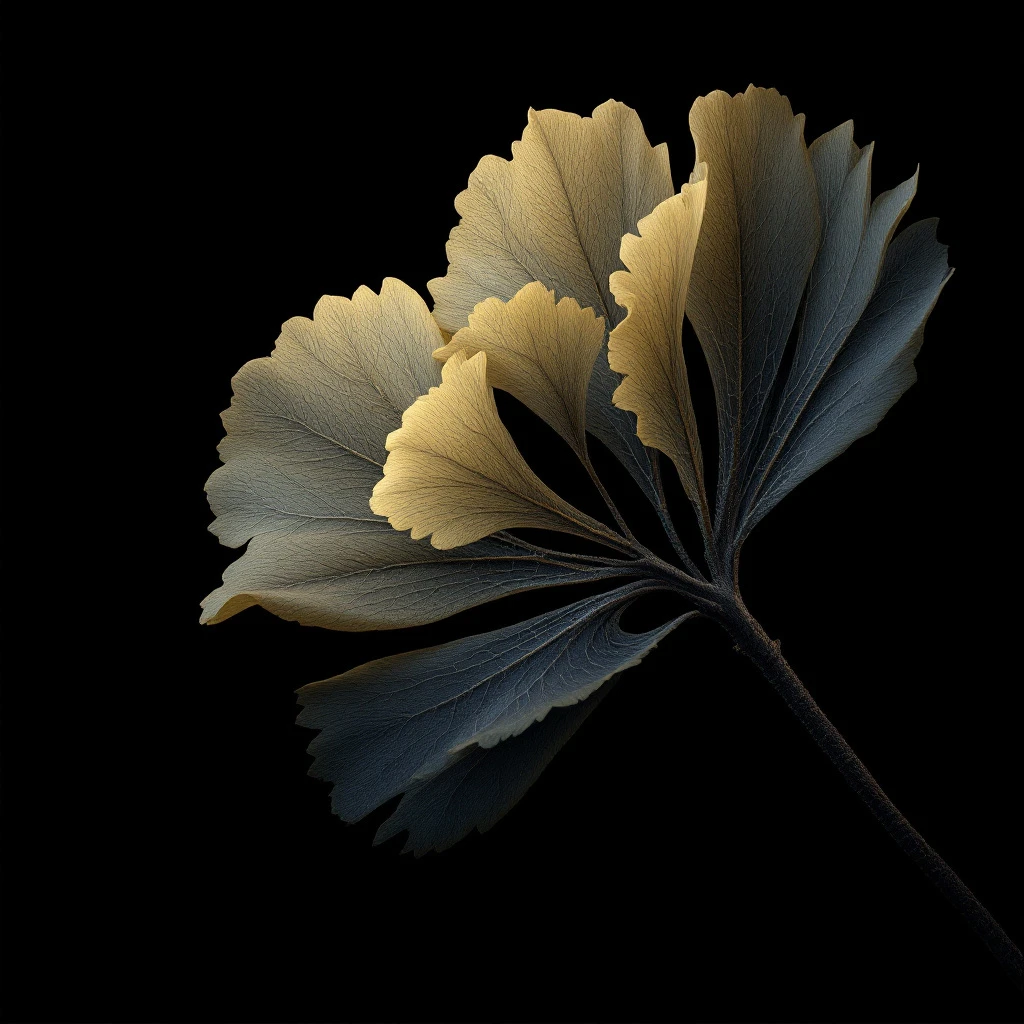
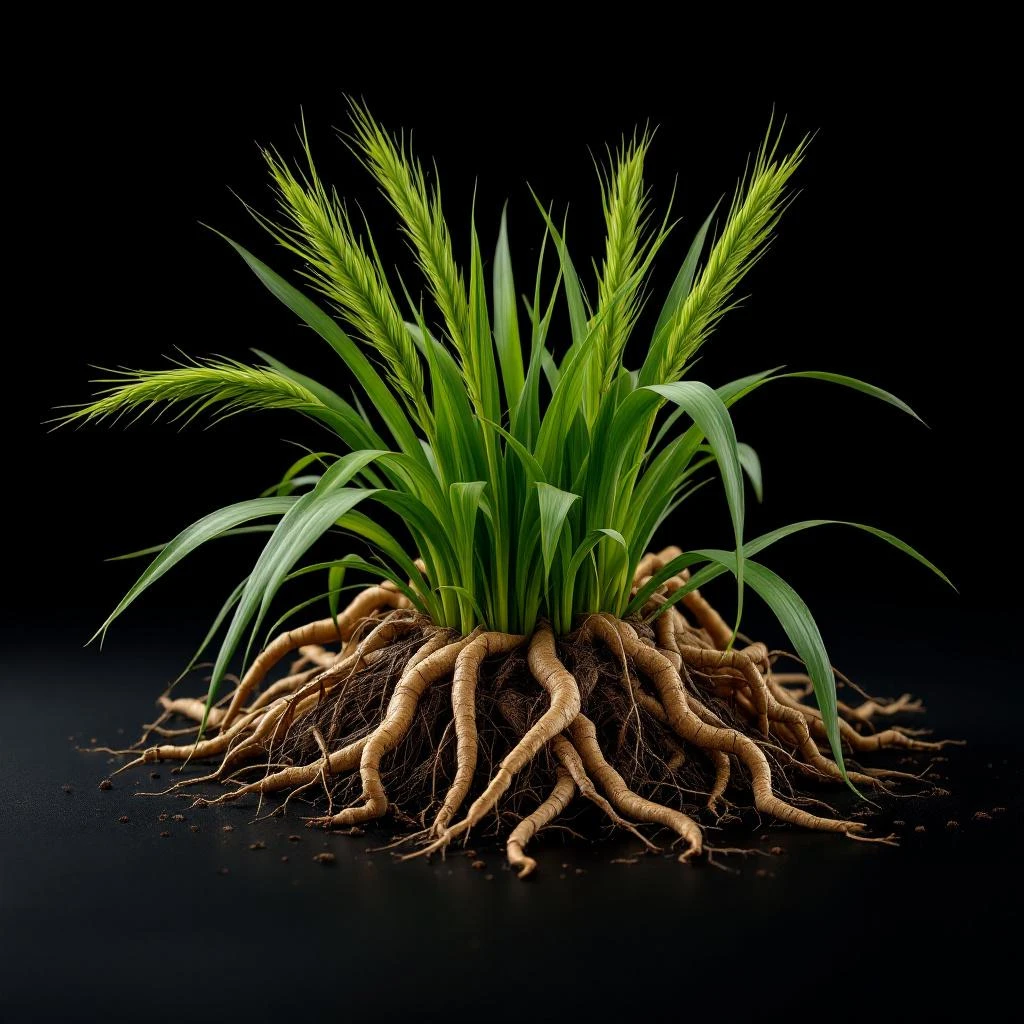
Ginkgo brings a unique green, slightly bitter aroma with earthy undertones to perfume. While not a mainstream ingredient, it appears in niche fragrances seeking botanical complexity. Its subtle presence adds depth to green and herbal compositions.
Character
How it smells
Earth's ancient survivor, captured in a green, meditative note.
Ginkgo biloba fossils date back 270 million years, predating dinosaurs by over 100 million years.



Origin
China
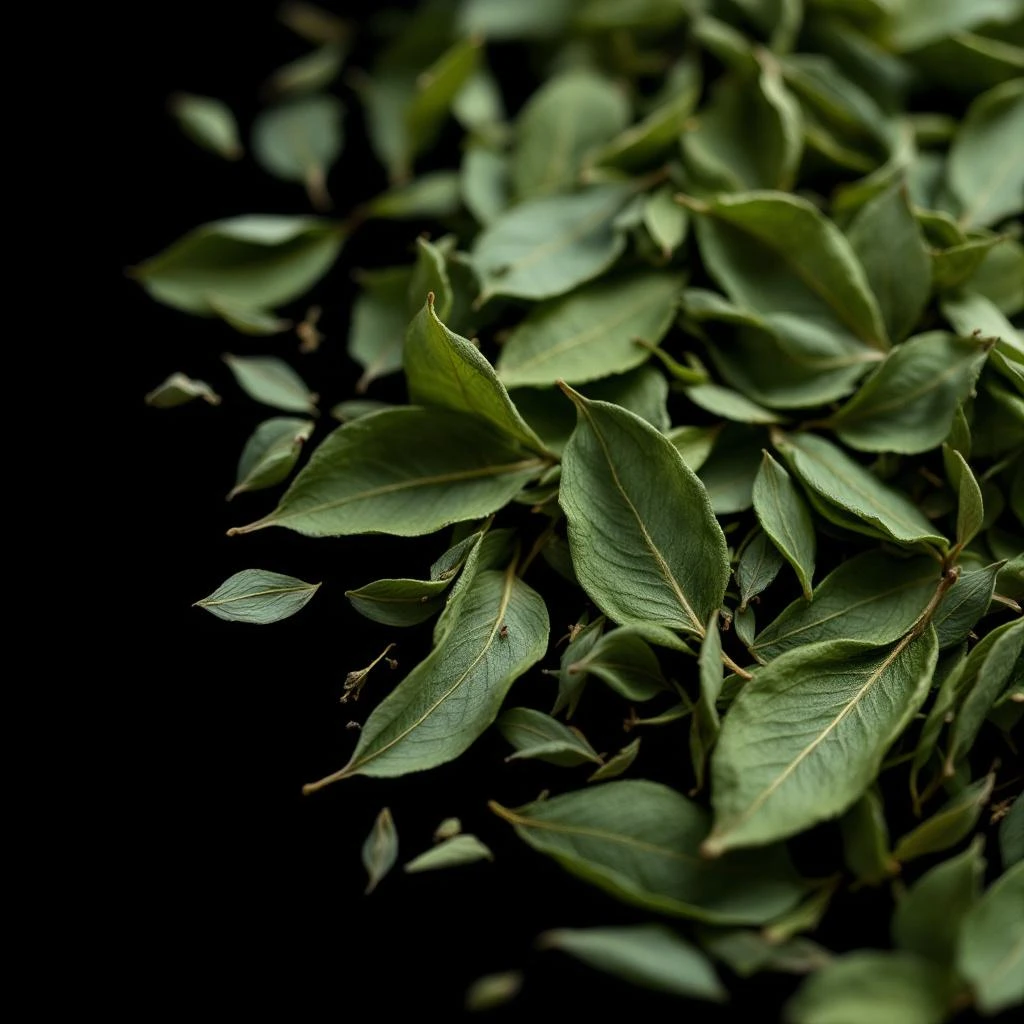
Ginkgo biloba holds a singular place in botanical history as one of Earth's oldest living tree species, with fossil records dating back approximately 270 million years. Native to China, the species has been cultivated throughout East Asia for centuries, featuring prominently in traditional medicine systems and religious landscapes. Buddhist monks preserved ginkgo through millennia, cultivating the trees in temple gardens where they became woven into spiritual iconography.
The tree's cultural significance extended beyond medicine. Its distinctive fan-shaped leaves symbolized longevity, endurance, and hope across Buddhist, Confucian, and Taoist traditions. Ginkgo earned legendary status after surviving the 1945 atomic bombing of Hiroshima, with specimens standing mere kilometers from the blast epicenter. This remarkable resilience made it a global symbol of survival and peace.
The species narrowly escaped extinction during the last ice age, surviving primarily in the temple gardens of China and Japan. After its introduction to European botanical gardens in the 18th century, ginkgo spread worldwide, thriving today as urban street trees from Manhattan to Melbourne. Its journey from ancient sacred sites to modern perfumery represents a continuity spanning human civilization itself.
Wears it best
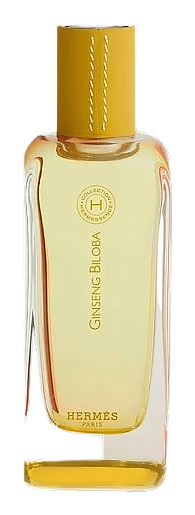
Fragrances featuring Ginkgo
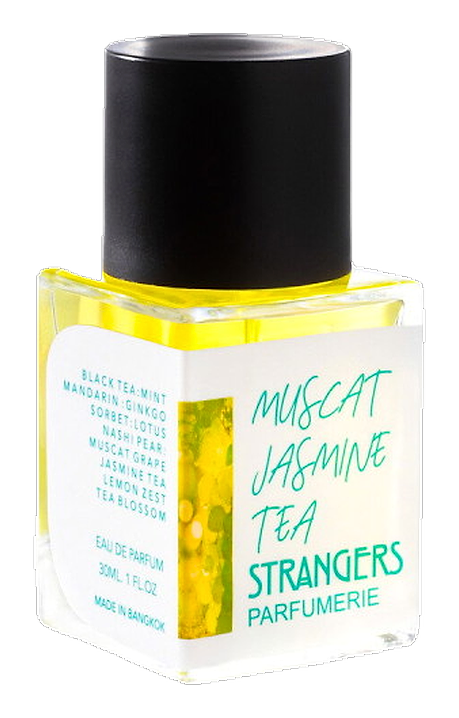
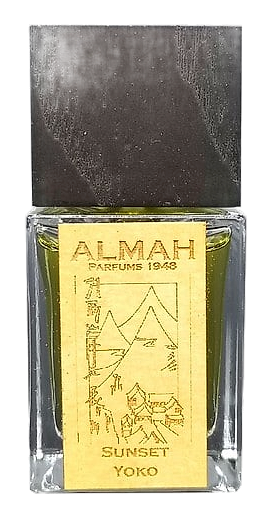
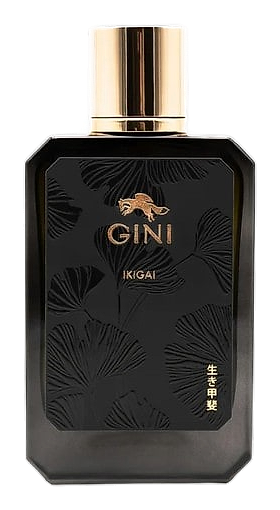

Brands
Brands known for Ginkgo
Good to know
Questions, answered
The essentials on Ginkgo in perfumery: how it smells, where it comes from, and how it behaves on skin.
What does Ginkgo smell like in perfume?
Ginkgo in perfume typically presents as a green, slightly bitter aroma with earthy undertones reminiscent of cut grass and fresh herbs. The scent conveys a meditative, natural quality rather than bright florals or sweet fruits. Individual perception varies based on extraction quality and blending.
Why is Ginkgo used in perfumery?
Ginkgo adds green, bitter complexity to fragrance compositions, particularly in niche and natural perfume circles. Its unique aromatic profile brings depth to herbal and fougere constructions. Perfumers value ginkgo for its ability to introduce botanical authenticity and subtle earthy character that distinguishes a fragrance.
Is Ginkgo in perfume natural or synthetic?
Ginkgo used in perfumery can be either natural or synthetic. Natural ginkgo absolute comes from solvent extraction of the leaves, though it remains uncommon due to sourcing challenges. Synthetic ginkgo aromachemicals recreate the characteristic green, bitter notes for broader commercial use.
What famous perfumes contain Ginkgo?
Ginkgo does not appear prominently in mainstream designer fragrances. The ingredient is more common in niche and artisan perfumery circles, where independent houses use it to differentiate their botanical compositions. Specific mainstream perfume associations remain limited.
Is Ginkgo a top note, heart note, or base note?
Ginkgo functions primarily as a base note in perfumery due to its fixative properties and lasting power on skin. The ingredient helps fragrance compositions maintain their character over extended wear. Some perfumers classify it as a heart note in lighter constructions.
What notes pair well with Ginkgo in perfume?
Ginkgo pairs effectively with other green notes like galbanum, aromatic herbs, and fresh citrus. Its earthy character complements vetiver, cedarwood, and other woody materials. Bitter and resinous notes like frankincense create cohesive combinations with ginkgo's subtle bitterness.
Where does Ginkgo come from?
Ginkgo biloba originates from China, where it has been cultivated for millennia. The species spread to Japan and Korea centuries ago, then reached European botanical gardens in the 18th century. Today, ginkgo grows worldwide in temperate climates, though original wild populations no longer exist.
Is Ginkgo used in men's or women's fragrances?
Ginkgo appears across gender categories in perfumery. Its green, herbal character suits traditionally masculine fougeres and chypres, while its earthy depth integrates into feminine compositions seeking natural sophistication. The ingredient's versatility transcends conventional gender boundaries.