Saw Palmetto
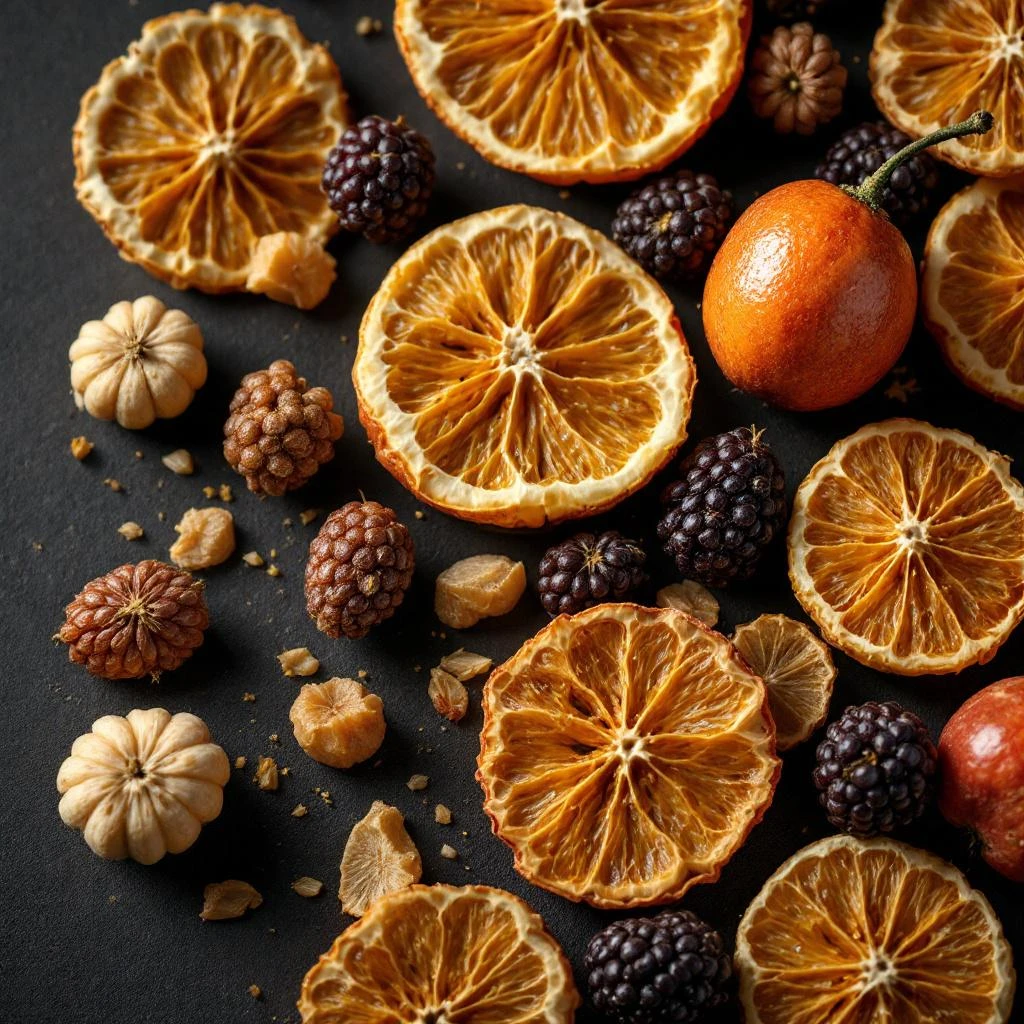
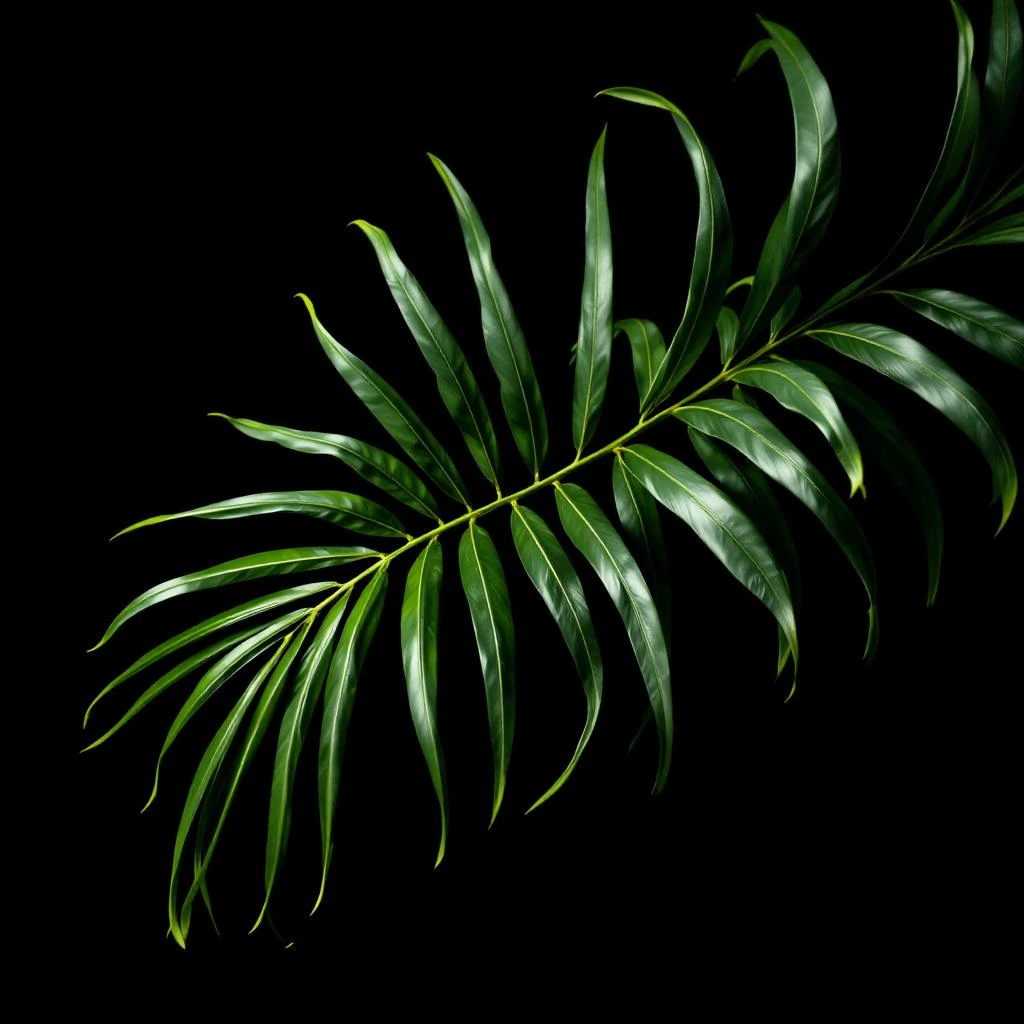
A botanical from the American Southeast with a quietly powerful scent profile. Saw Palmetto berries offer a distinctive fatty, nutty aroma with musky depth.
Character
How it smells
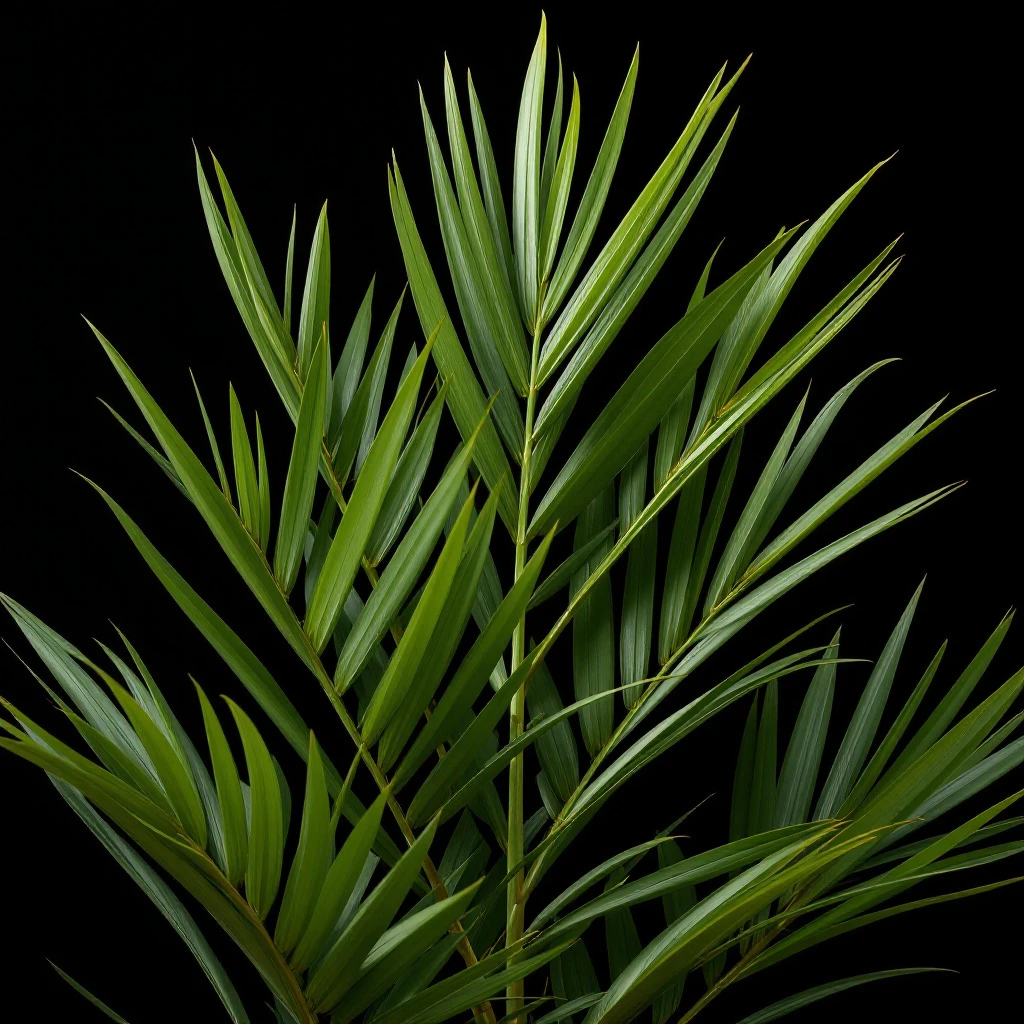
The quiet strength of the Florida scrub
The Seminole people called the berry 'tall saw palmetto' and relied on it as both food and medicine for centuries.


Origin
United States
Saw Palmetto has growing roots in North American ethnobotany. The Seminole and other indigenous peoples of the southeastern coastal plain prized the berries as a nutritional food source and incorporated them into traditional medicine.
They used preparations to support respiratory health, digestive function, and reproductive wellness. Spanish colonizers recorded these uses in the 1600s, though the plant remained primarily within indigenous knowledge for centuries.
Modern interest in Saw Palmetto exploded in the early 1900s when researchers began studying its therapeutic applications. Today, the plant grows abundantly across Florida's pine flatwoods and coastal hammocks, shaping the ecology of these fire-dependent landscapes.
Wears it best
Fragrances featuring Saw Palmetto
Brands
Brands known for Saw Palmetto
Good to know
Questions, answered
The essentials on Saw Palmetto in perfumery: how it smells, where it comes from, and how it behaves on skin.
What does Saw Palmetto smell like in perfumery?
Saw Palmetto extract has a fatty, nutty aroma with musky undertones and hints of coconut. It adds a waxy, rounded quality to fragrance bases.
Is Saw Palmetto commonly used in fine fragrances?
Saw Palmetto is a rare perfumery ingredient, appearing mainly in niche fragrances. Its use is limited by extraction challenges and niche market demand.
How is Saw Palmetto extract produced?
Supercritical CO2 extraction is the preferred method for capturing the berries' aromatic compounds. Standard steam distillation yields minimal results.
What is the origin of Saw Palmetto?
Saw Palmetto grows natively across the southeastern United States, with Florida as its primary habitat. It thrives in warm, humid coastal environments.
What parts of the Saw Palmetto plant are used in perfumery?
The dried ripe berries are the only part used. The plant's fan-shaped leaves and spiny stems have no role in fragrance production.
What fragrances feature Saw Palmetto?
Mainstream designer fragrances rarely list Saw Palmetto. It appears occasionally in artisanal or niche fragrances seeking unique botanical bases.
What pairs well with Saw Palmetto in fragrance blends?
Warm notes complement Saw Palmetto's fatty character. Sandalwood, amber, benzoin, and vanilla create harmonious combinations.
What is the historical significance of Saw Palmetto?
Native American tribes used Saw Palmetto berries as food and medicine for centuries. Spanish explorers documented this use beginning in the 1600s.