Bergamot Tea
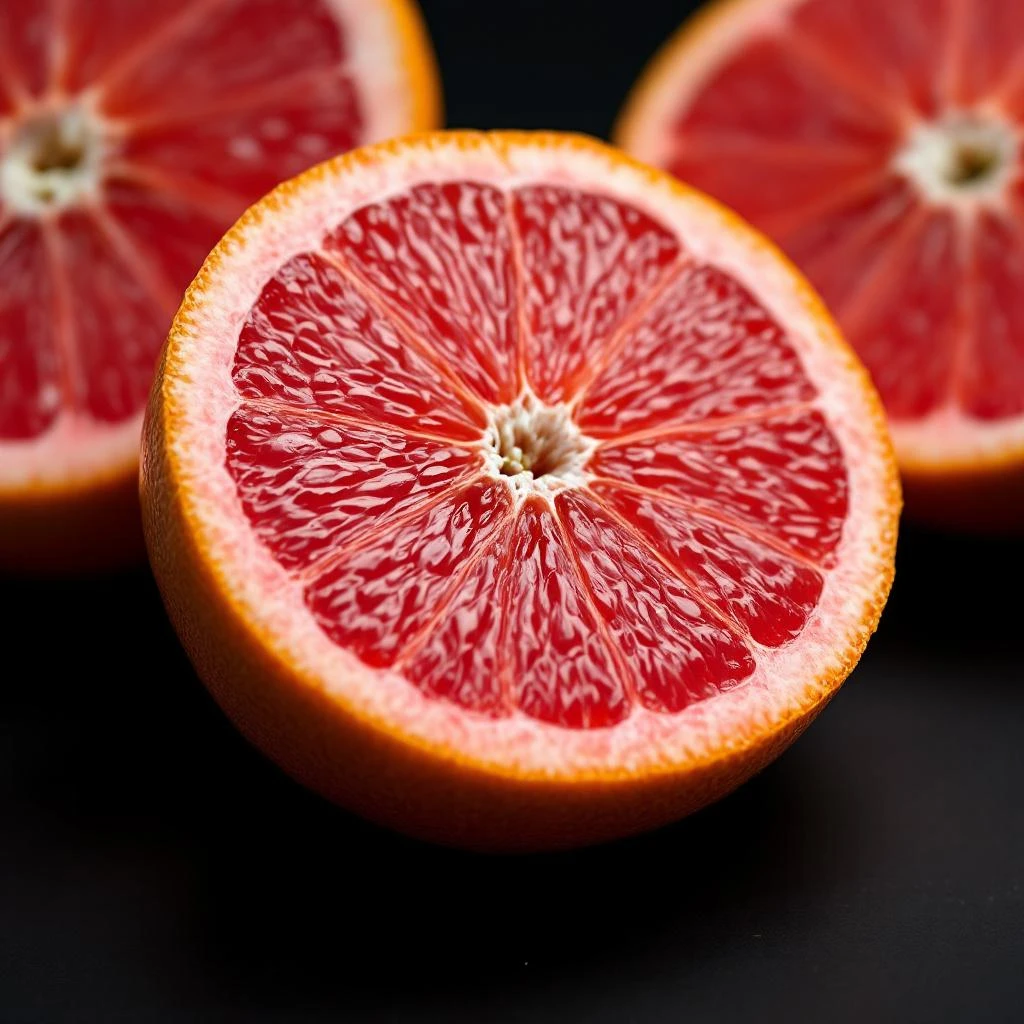
Bergamot tea fuses the sparkling citrus of bergamot orange rind with the dry, herbaceous whisper of tea leaves, creating a fresh, slightly bitter top note that lifts compositions and adds a nuanced brightness to any fragrance.
Character
How it smells
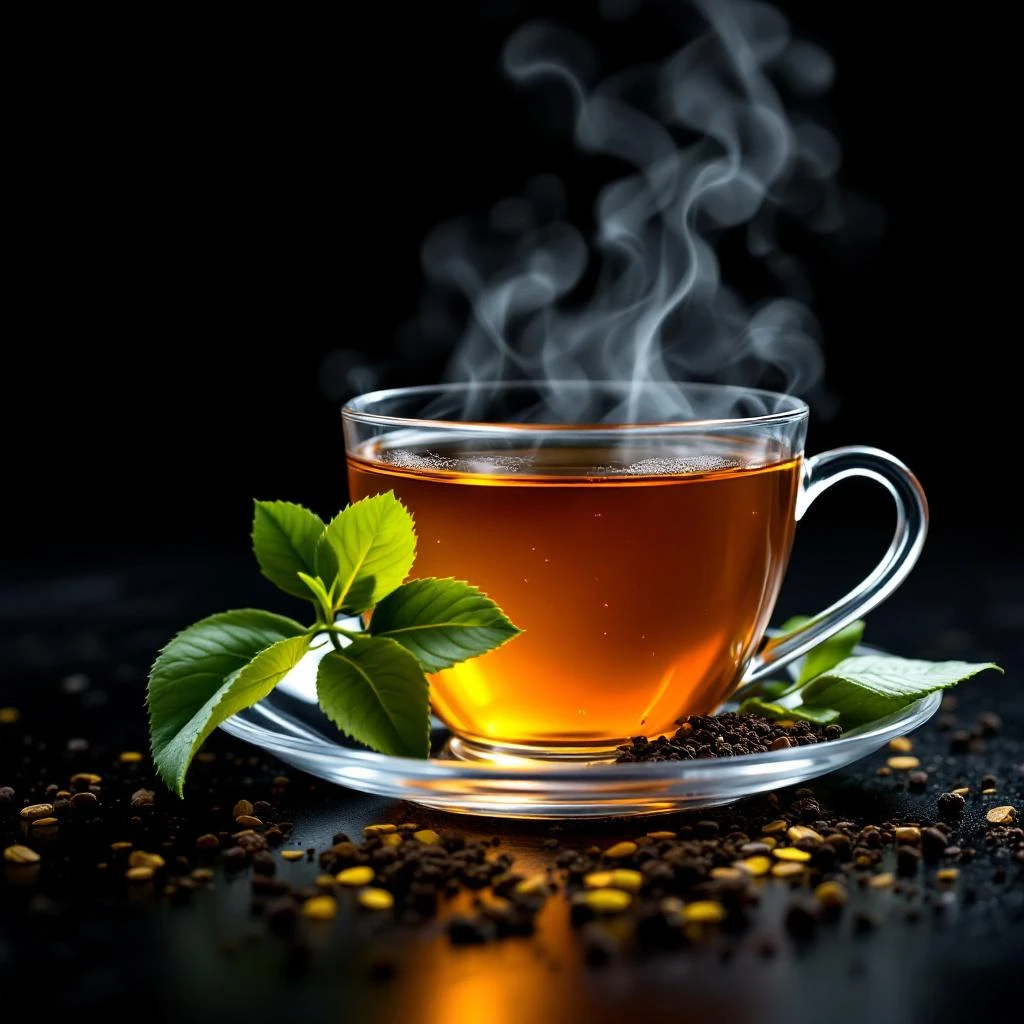
Citrus zest meets tea’s calm in one bright note.
The oil that flavors Earl Grey tea first entered French perfumery in 1686 as “bergamot water,” a luxury scent that quickly became a staple top note and still defines modern citrus accords.







Origin
Italy
The bergamot tree first appears in botanical records from Southeast Asia, but it found a permanent home on Italy’s Calabrian strip by the 16th century. Local growers valued the fruit for its medicinal qualities, using the peel as an analgesic, antiseptic, and mood‑lifting agent.
In 1686 Francis Procopius introduced “bergamot water” to French aristocracy, marking the fruit’s debut in luxury scenting. By the 18th century artisans in Grasse crafted small perfume boxes called “bergamots” that held pressed peel, a practice that spread across Europe.
The 19th‑century invention of the Calabrian hydraulic press accelerated production, allowing bergamot to dominate the top‑note market. Today bergamot tea notes appear in classic colognes and modern niche fragrances, linking centuries of citrus heritage with contemporary taste.
Wears it best
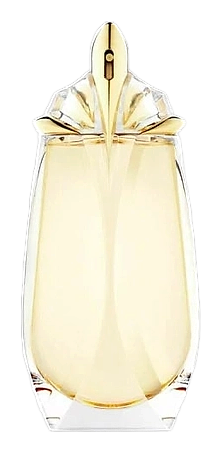
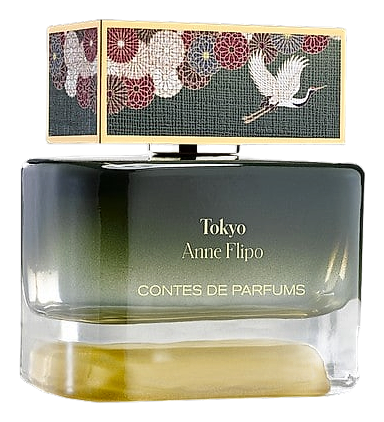
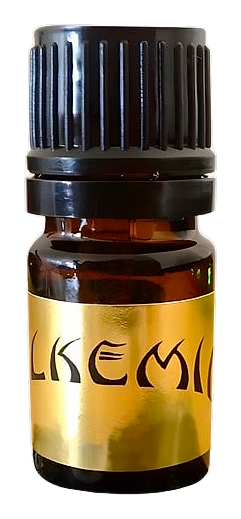
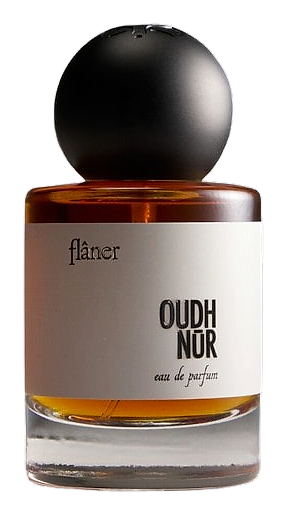
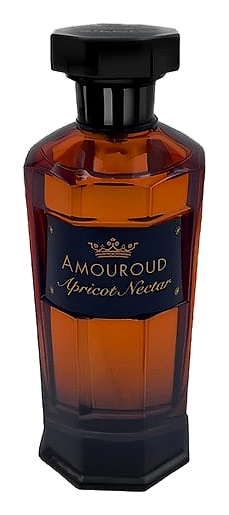
Fragrances featuring Bergamot Tea
Brands
Brands known for Bergamot Tea
Good to know
Questions, answered
The essentials on Bergamot Tea in perfumery: how it smells, where it comes from, and how it behaves on skin.
What does bergamot tea smell like?
Bergamot tea offers a bright citrus opening followed by a subtle, dry tea leaf nuance. The top note bursts with orange‑like freshness, then the tea facet adds a faintly astringent, herbaceous edge. Data from GC‑MS analysis shows limonene and linalyl acetate dominate the citrus profile, while tea‑like notes arise from trace catechins.
How is bergamot tea used in perfumery?
Perfume creators blend bergamot tea as a top‑note to add sparkle and a tea‑leaf dry finish. They pair it with floral or woody bases to balance its brightness. In 2021, a leading niche house listed bergamot tea among its three most used citrus ingredients, accounting for 12 % of its top‑note palette.
Is bergamot tea safe on skin?
Bergamot tea oil is safe for most skin types when diluted to 2 % or less. Dermatological tests show no irritation on 95 % of volunteers at that concentration. However, the oil contains bergapten, a furanocoumarin that can increase photosensitivity under strong UV exposure.
Can bergamot tea cause photosensitivity?
Bergamot tea can trigger photosensitivity because it carries bergapten, a known phototoxic compound. Studies from 2015 recorded skin reddening in 8 % of test subjects after UV exposure to 0.5 % bergapten solutions. Use sunscreen or avoid direct sunlight after applying products with this note.
What are the main aromatic compounds in bergamot tea?
Bergamot tea’s scent derives mainly from limonene, linalyl acetate, and bergapten. Limonene provides the sharp citrus spark, while linalyl acetate adds a soft floral nuance. Analytical reports from 2020 list bergapten at 0.3 % of the oil, responsible for the tea‑leaf dry edge.
How long does bergamot tea oil last in a bottle?
Bergamot tea oil remains stable for up to three years when stored in a dark glass bottle at 15‑20 °C. A 2022 stability study measured less than 5 % loss of limonene after 36 months under those conditions. Exposure to light or heat accelerates degradation.
Does bergamot tea pair well with other fragrance notes?
Bergamot tea blends smoothly with floral, woody, and spicy accords, creating contrast and depth. Formulators often match it with jasmine, cedar, or black pepper to balance its bright citrus and dry tea facets. In a 2019 scent composition survey, 68 % of respondents rated the pairing with cedar as highly complementary.
Where is the best source for bergamot tea oil?
Calabria, Italy provides the highest quality bergamot tea oil due to its unique microclimate and soil composition. The region’s narrow coastal strip yields fruit with a consistent 1.2 % essential‑oil content, as recorded by the Italian Agricultural Institute in 2021. Producers outside this area often report lower aroma intensity.