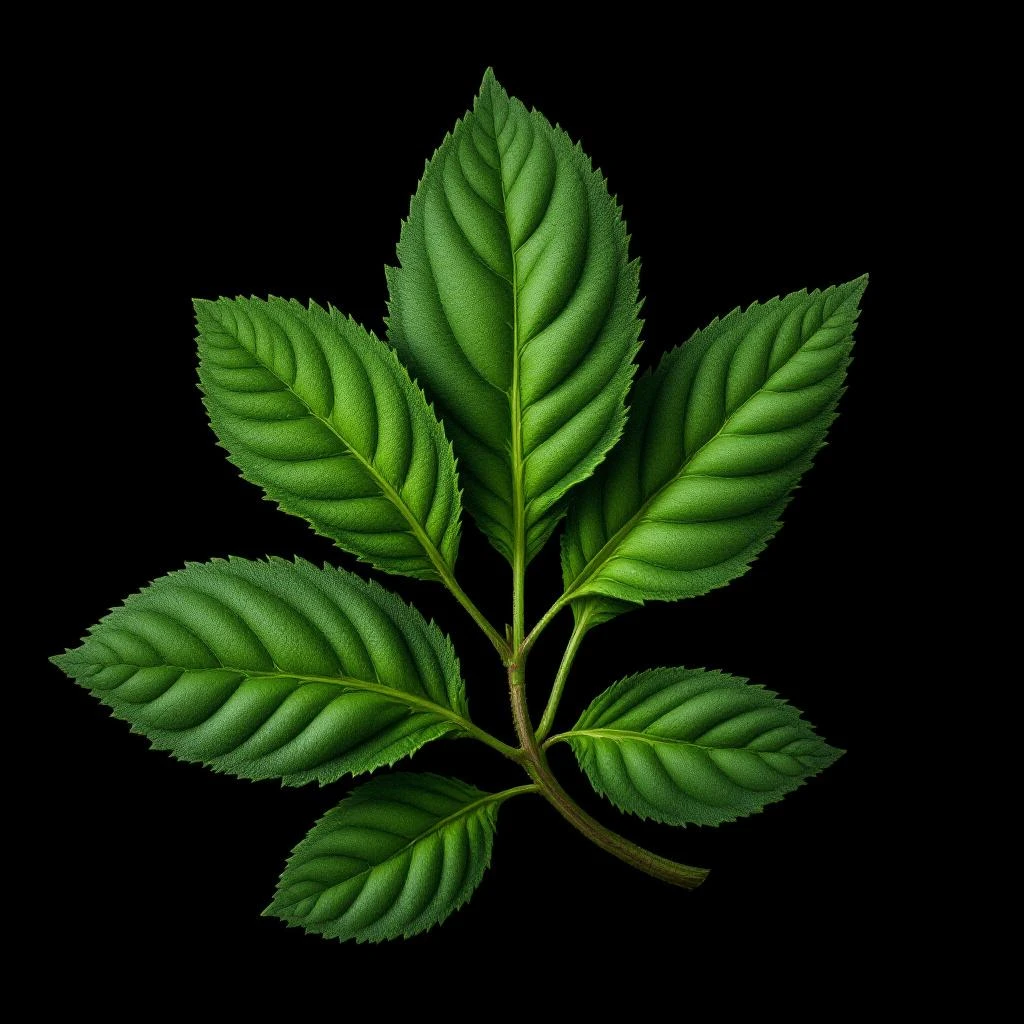
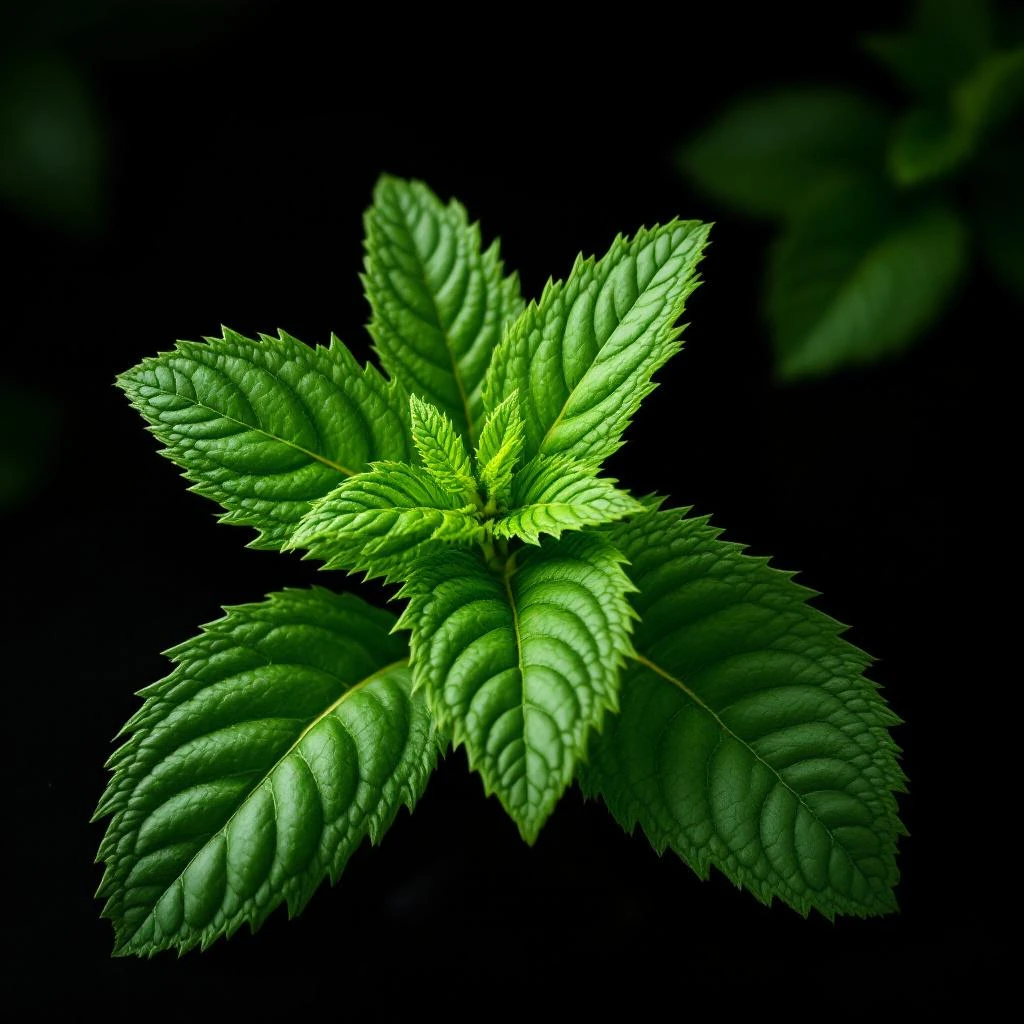
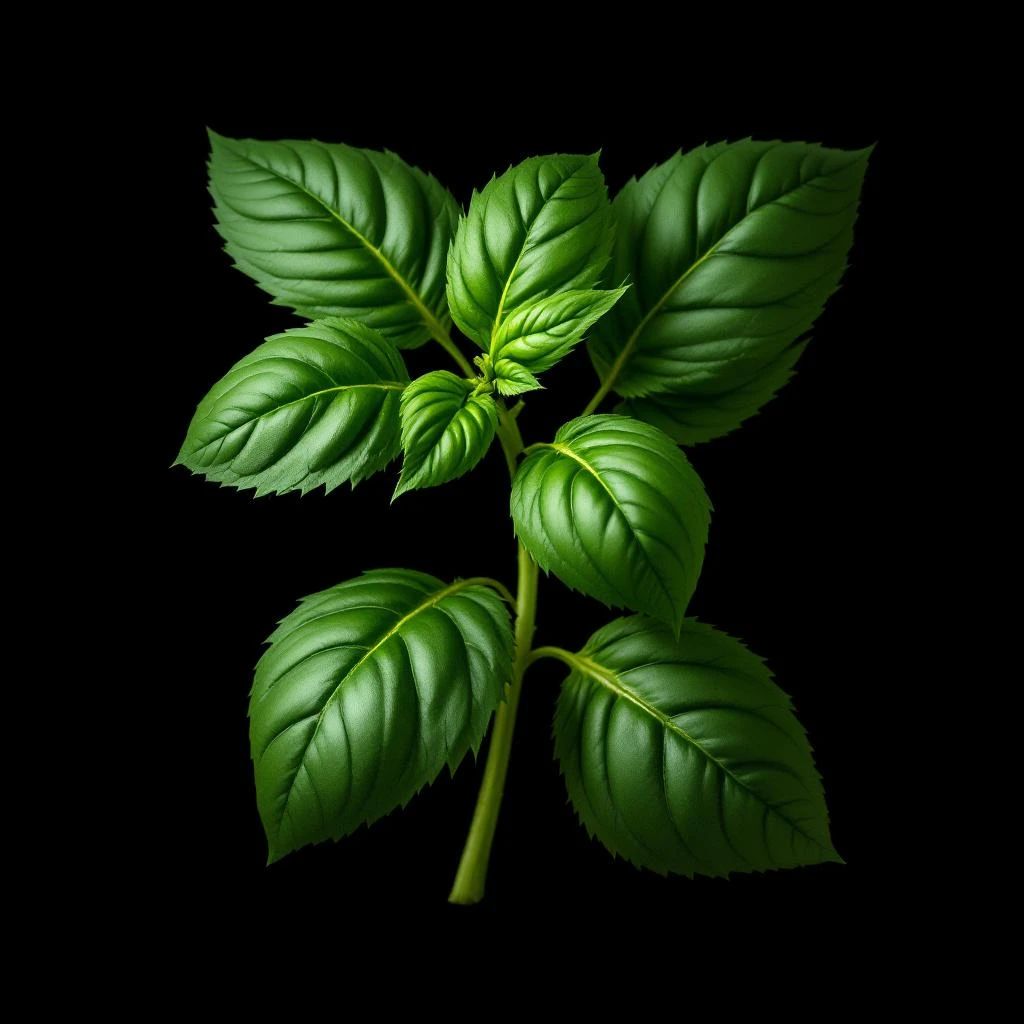
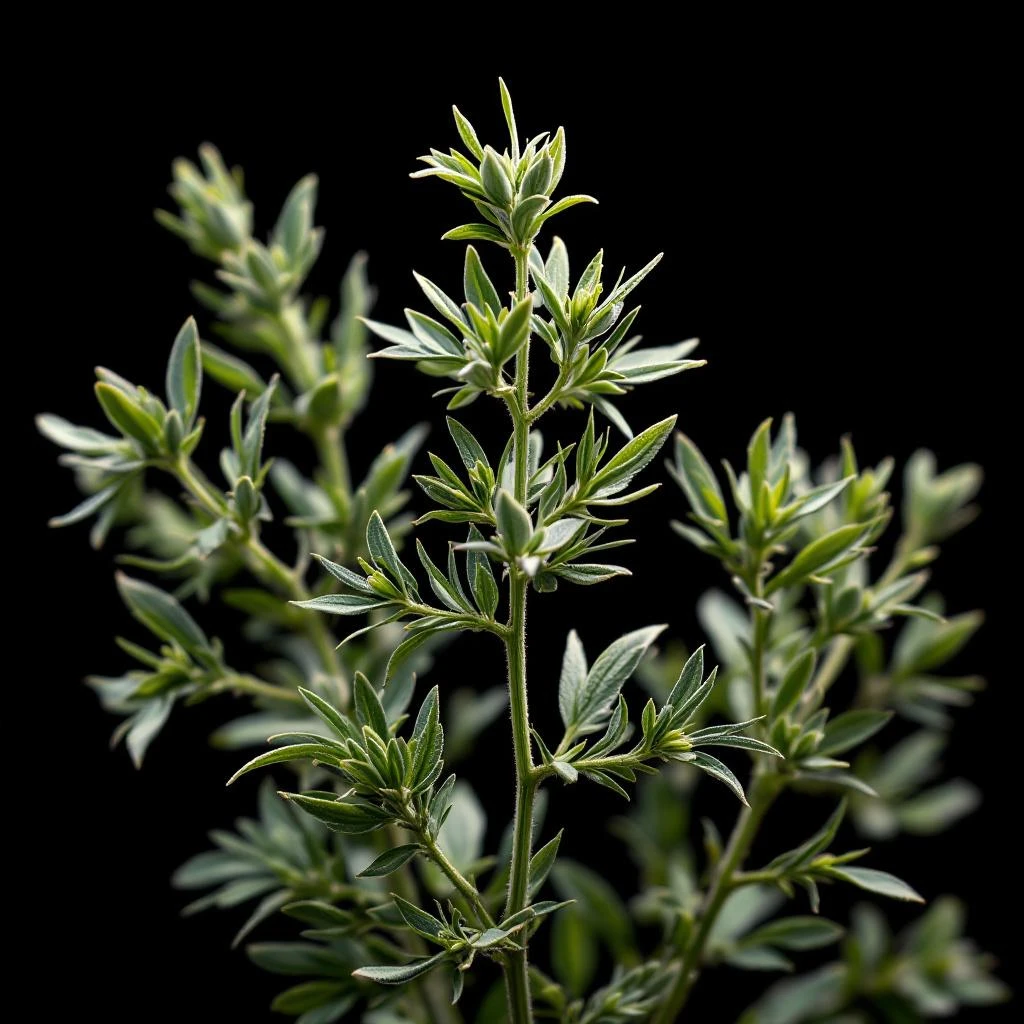
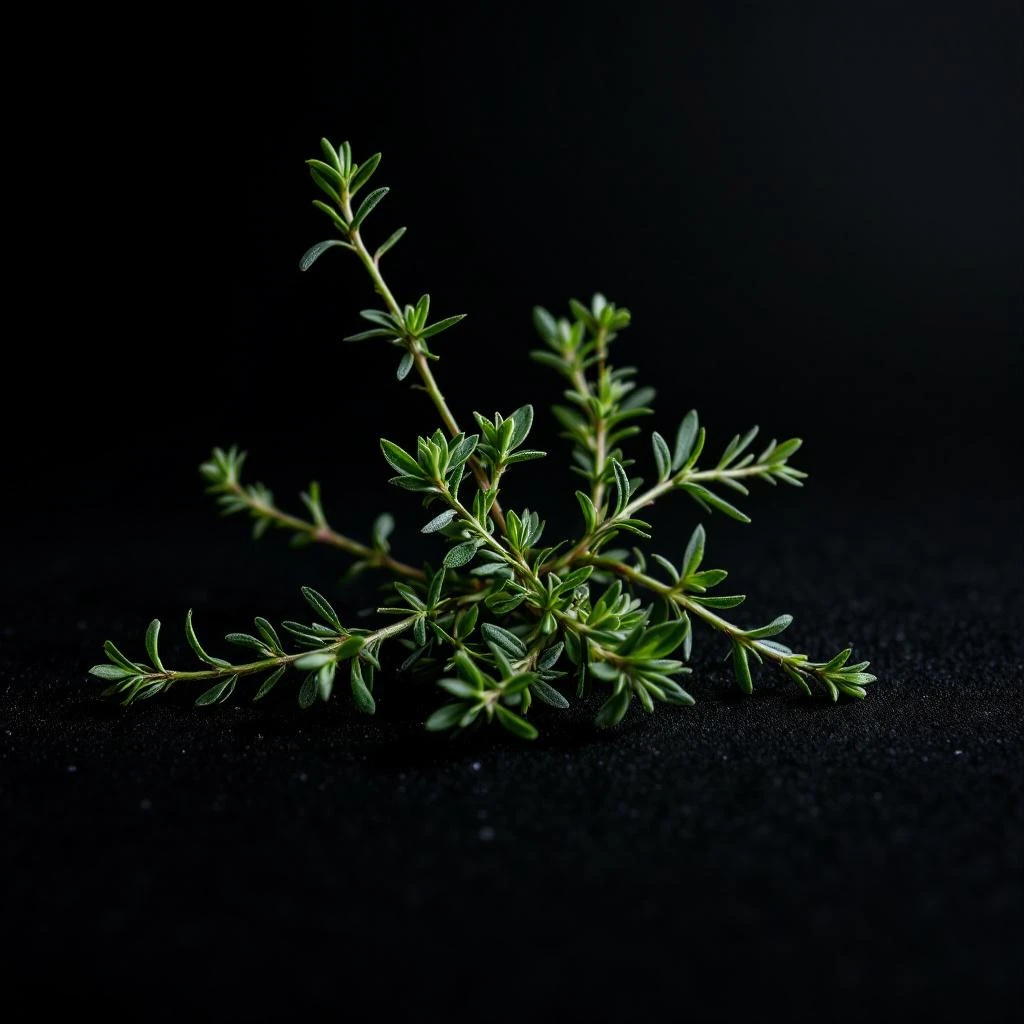
Lemon Basil
A bright, citrus-kissed herb that bridges kitchen and perfume. Lemon basil carries the sharp, peppery bite of classic basil with a lemony backbone that reads as both aromatic and distinctly floral. It cuts through heavier compositions like a window thrown open in a warm kitchen.
Character
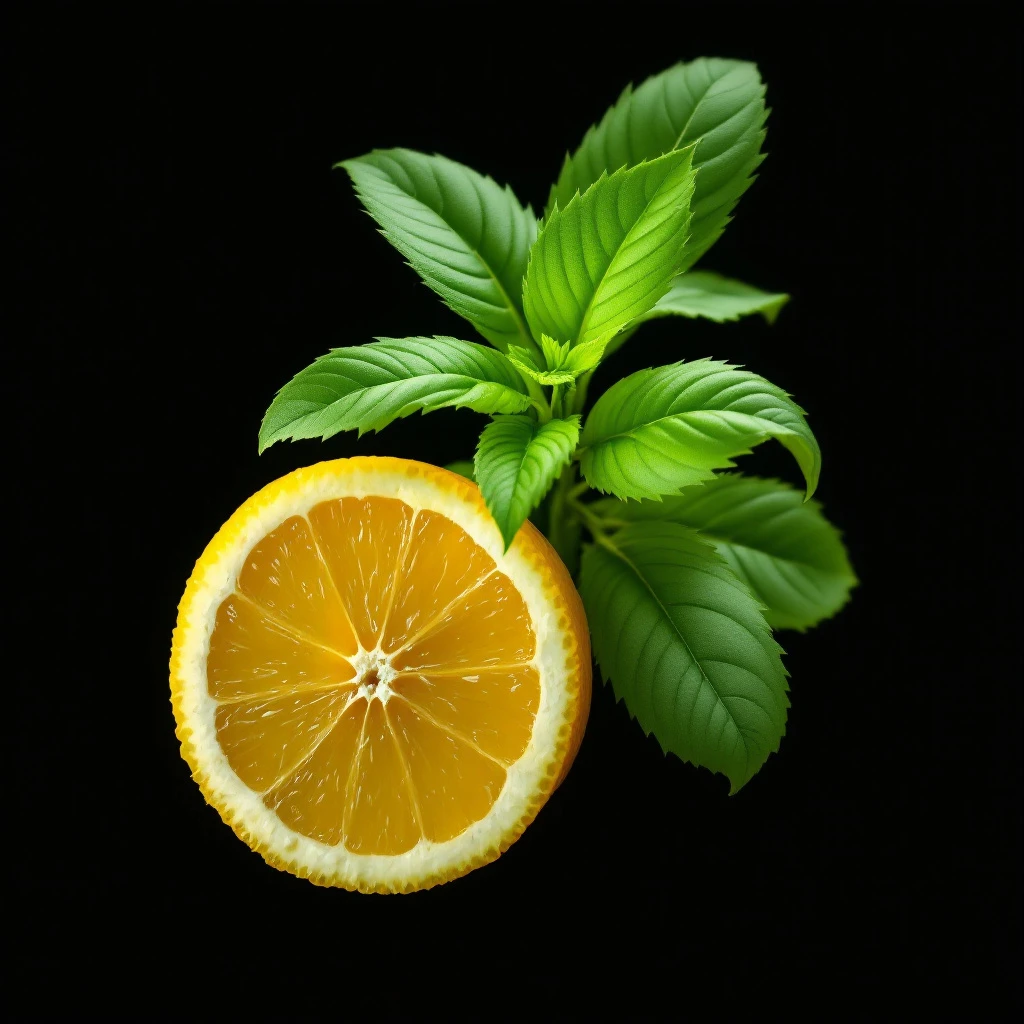
How it smells
Citrus-crowned royalty of the herb garden
The name basil comes from the Greek 'basilikos,' meaning royal. Egyptian embalmers considered it sacred enough to place in tombs alongside the dead.

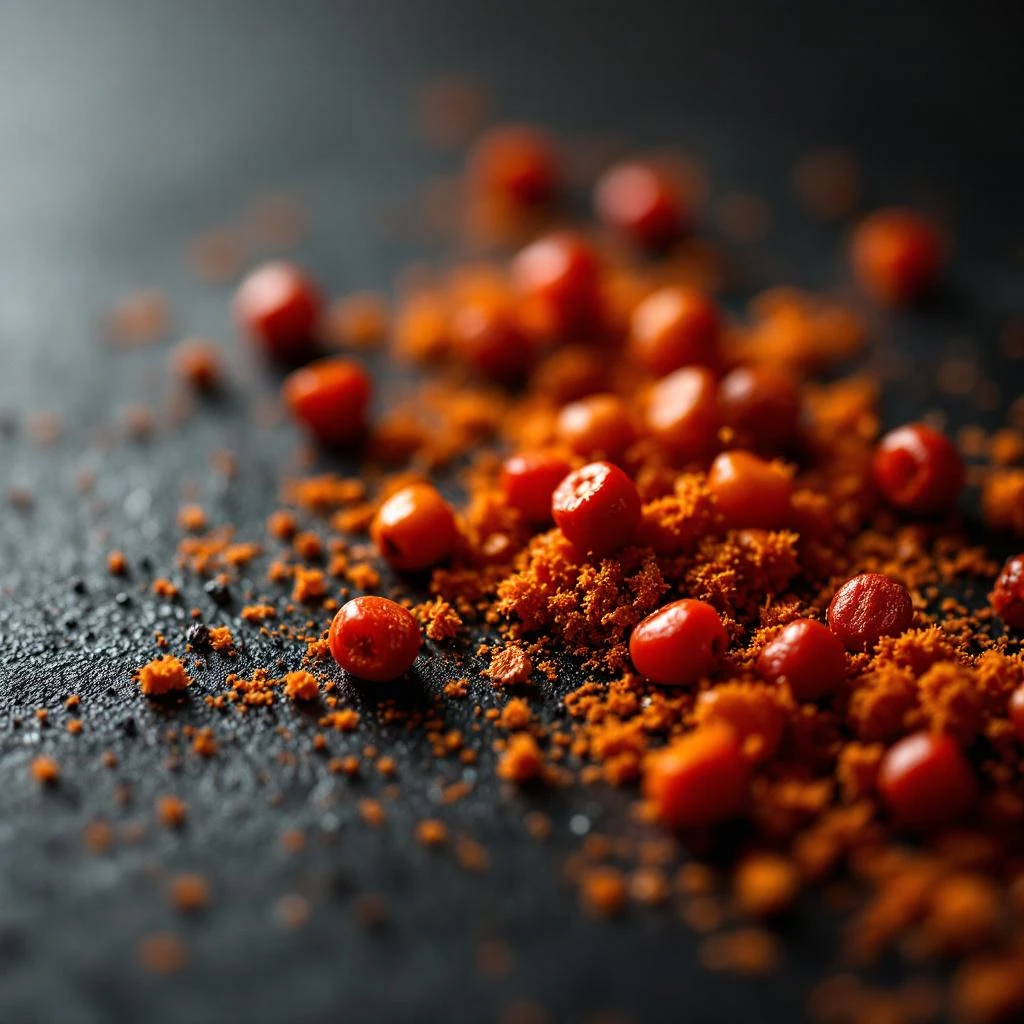
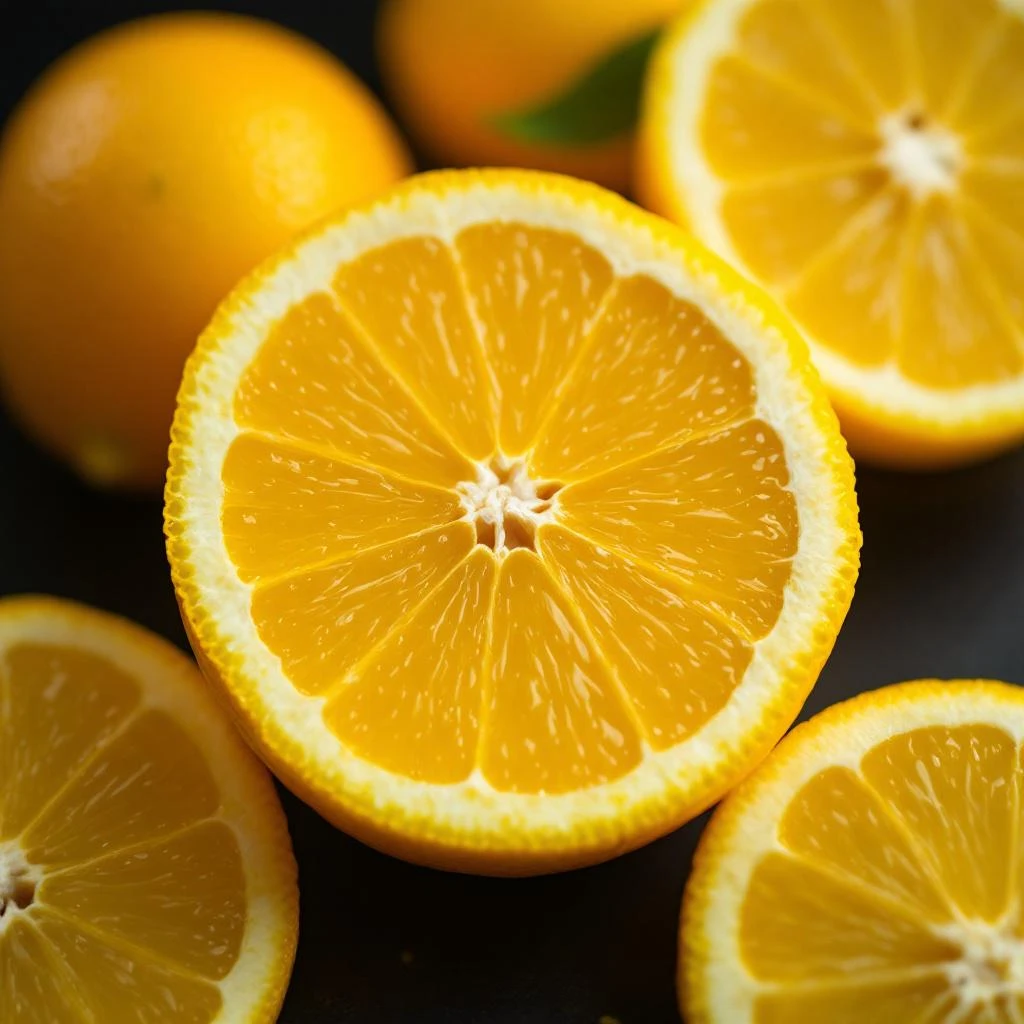

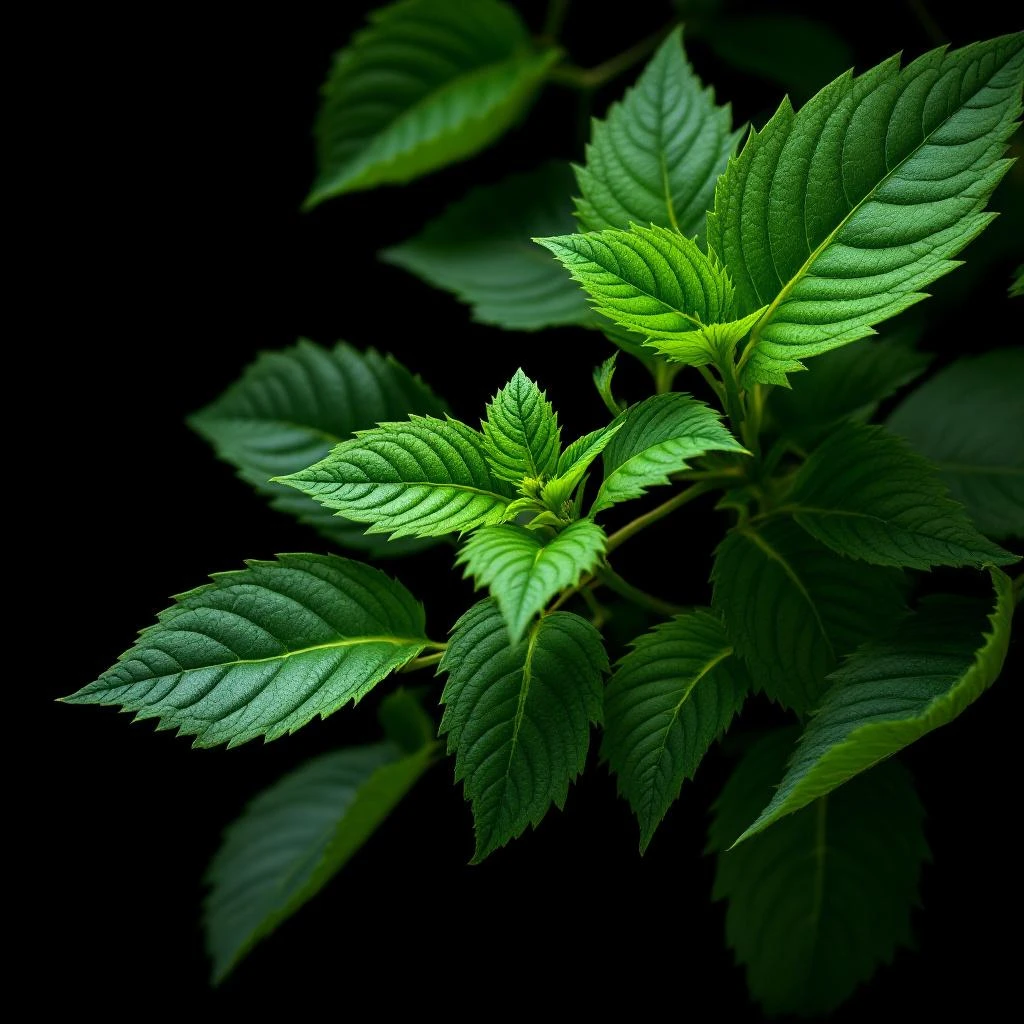

Origin
India
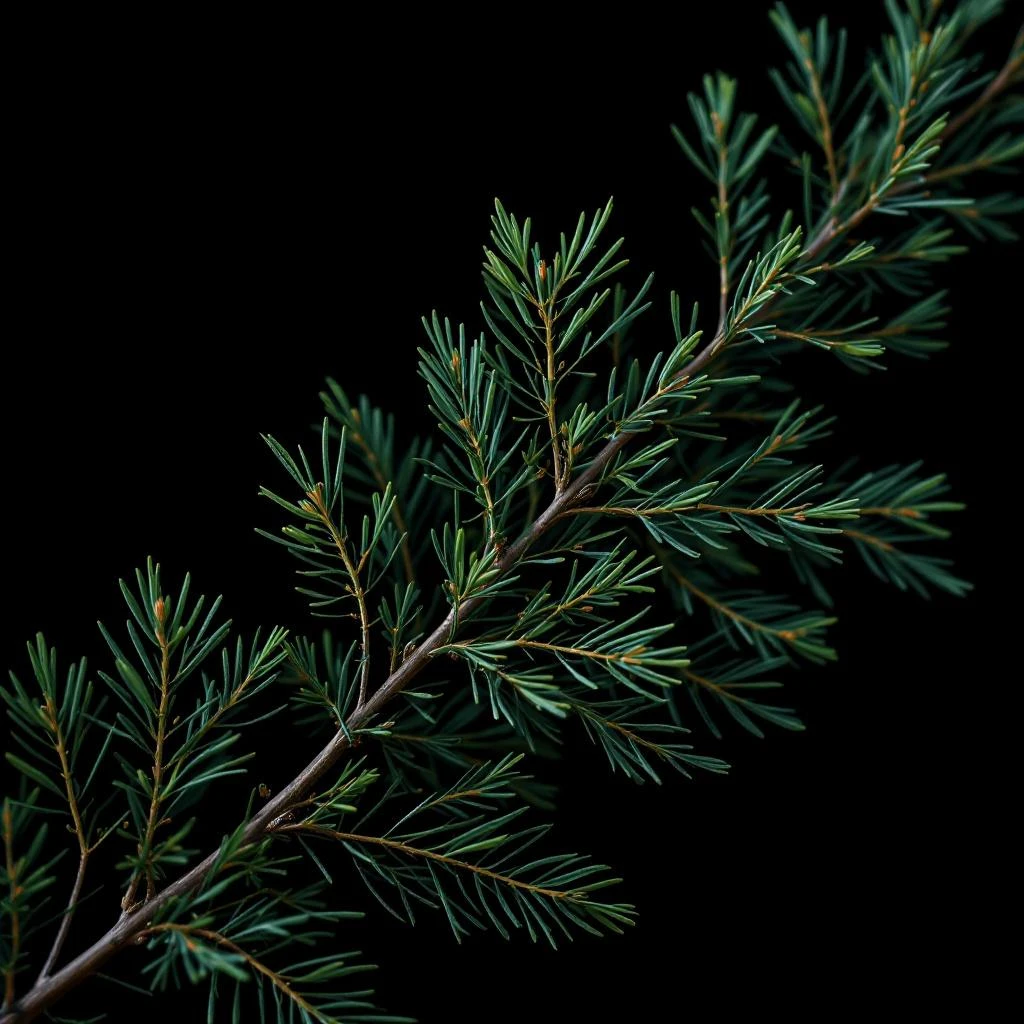
Lemon basil, Ocimum basilicum var. citriodorum, traces its roots to the Indian subcontinent, where it has grown for over 4,000 years. The genus Ocimum encompasses over 100 species, but the aromatic varieties used in perfumery descended from Indian and Lebanese ancestors that traders carried along ancient spice routes. The word 'basil' derives from the Greek 'basilikos,' meaning royal or kingly, a naming that speaks to how seriously ancient civilizations took this herb. Egyptians used basil in religious rituals and in the embalmment process, considering it a bridge between the living and the dead.
Europe first encountered basil in the 16th century, when traders brought it through Mediterranean ports. Initially grown in monastery gardens for medicinal purposes, it quickly moved into the kitchens and cosmetic palettes of the wealthy. By the 19th century, as modern perfumery took shape in France, perfumers began systematically extracting basil oil, drawn to its fresh, green character as a counterpoint to heavier floral and resinous notes. French, Indian, and Egyptian producers emerged as the primary sources for perfumery-grade basil, each region producing distinct chemical profiles shaped by soil composition and climate. Today, lemon basil maintains a niche but valued place in perfumery, prized for the citrus dimension it adds to traditional herbaceous accords.
Wears it best
Fragrances featuring Lemon Basil

Brands
Brands known for Lemon Basil
Good to know
Questions, answered
The essentials on Lemon Basil in perfumery: how it smells, where it comes from, and how it behaves on skin.
What makes lemon basil different from regular basil in perfumery?
Lemon basil contains significantly higher levels of citral, a compound that gives it a distinct citrus note absent in other basil varieties. Regular sweet basil leans more toward the eugenol-rich, spicy character. Lemon basil bridges herb and citrus, making it uniquely suited for fresh, green fragrance constructions.
Is lemon basil oil always natural or can it be synthetic?
Natural lemon basil essential oil exists and remains the preferred choice for high-quality perfumery. Synthetic reconstruction is possible using isolated citral combined with herbaceous aromachemicals, but it typically lacks the full aromatic complexity of the natural extract, which contains dozens of trace compounds that create its characteristic freshness.
Why is lemon basil considered a high-value ingredient?
Steam distillation yields are low, typically 0.1 to 0.3 percent by weight from fresh plant material. Additionally, harvest timing is critical; the citrus compounds degrade rapidly after cutting. This combination of low yield and narrow processing windows makes quality lemon basil oil relatively scarce and expensive.
How does origin affect lemon basil's scent profile?
Indian lemon basil tends toward higher citral content, producing a brighter, more aggressive citrus note. Egyptian basil often shows a slightly sweeter, more rounded herbaceous character. French basil typically sits somewhere between, with balanced citrus and green facets. These differences stem from soil mineral content, altitude, and harvest conditions.
What fragrance families use lemon basil most often?
Lemon basil appears predominantly in citrus, herbal, and green fragrance families. It pairs exceptionally well with neroli, petitgrain, and other citrus absolutes. It also works in fougere constructions, where it adds a fresh, aromatic lift to the lavender and oakmoss base.
How long has lemon basil been used in perfumery?
Systematic use of basil oil in perfumery began in the 19th century when French perfumers started extracting aromatic materials from culinary herbs. The Greek name 'basilikos,' meaning royal, reflects how ancient civilizations valued the herb, though direct perfumery applications developed much later, around the 1830s to 1850s.
What parts of the lemon basil plant are used for extraction?
Leaves and flowering tops are the primary sources. The highest concentration of aromatic compounds exists in the small glandular trichomes on leaf surfaces. Flowers contain additional volatile compounds that add floral nuance to the extracted oil, which is why skilled producers harvest when the plant is in early bloom.
Are there safety concerns with lemon basil in perfumery?
Like most essential oils, lemon basil oil contains potential allergens and skin sensitizers, primarily due to its citral and linalool content. IFRA guidelines recommend concentration limits in final products. It is considered a moderate-risk material and should be handled with appropriate dilution by professional perfumers.