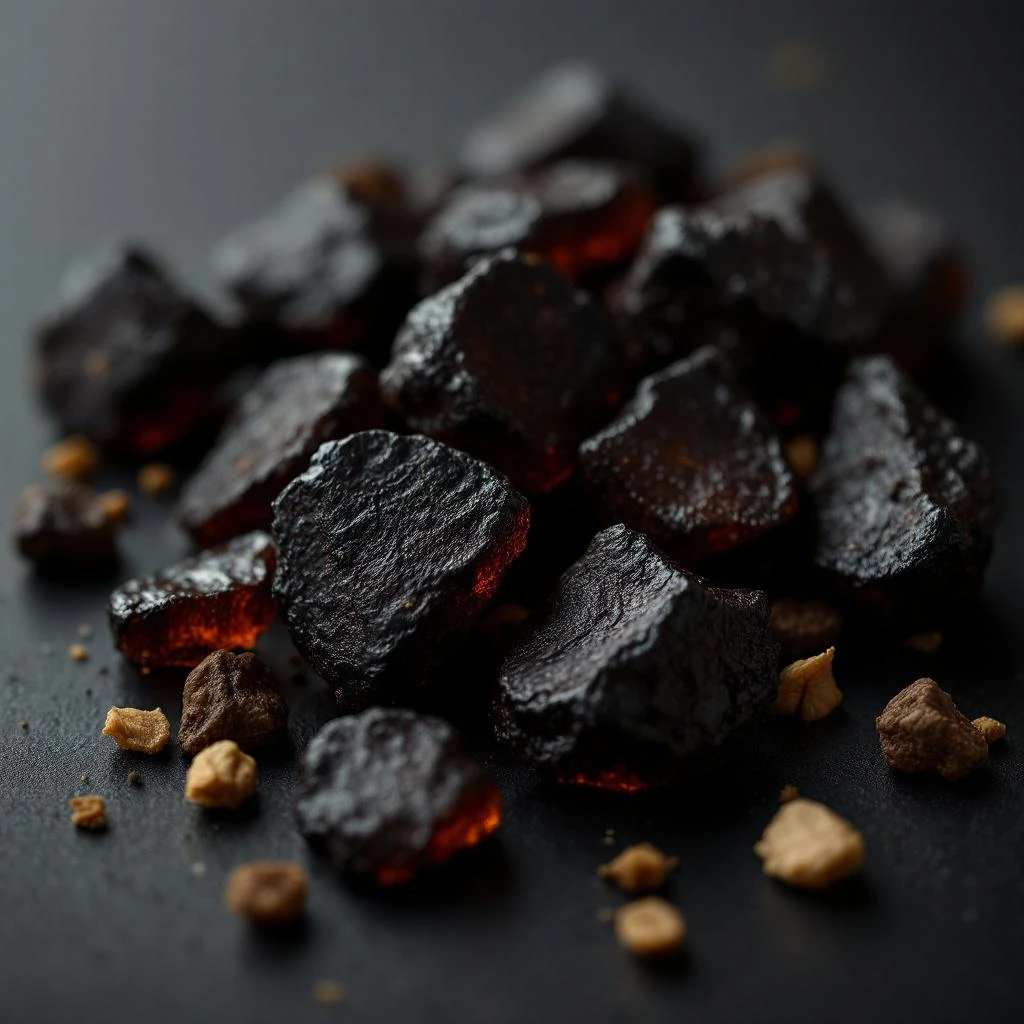
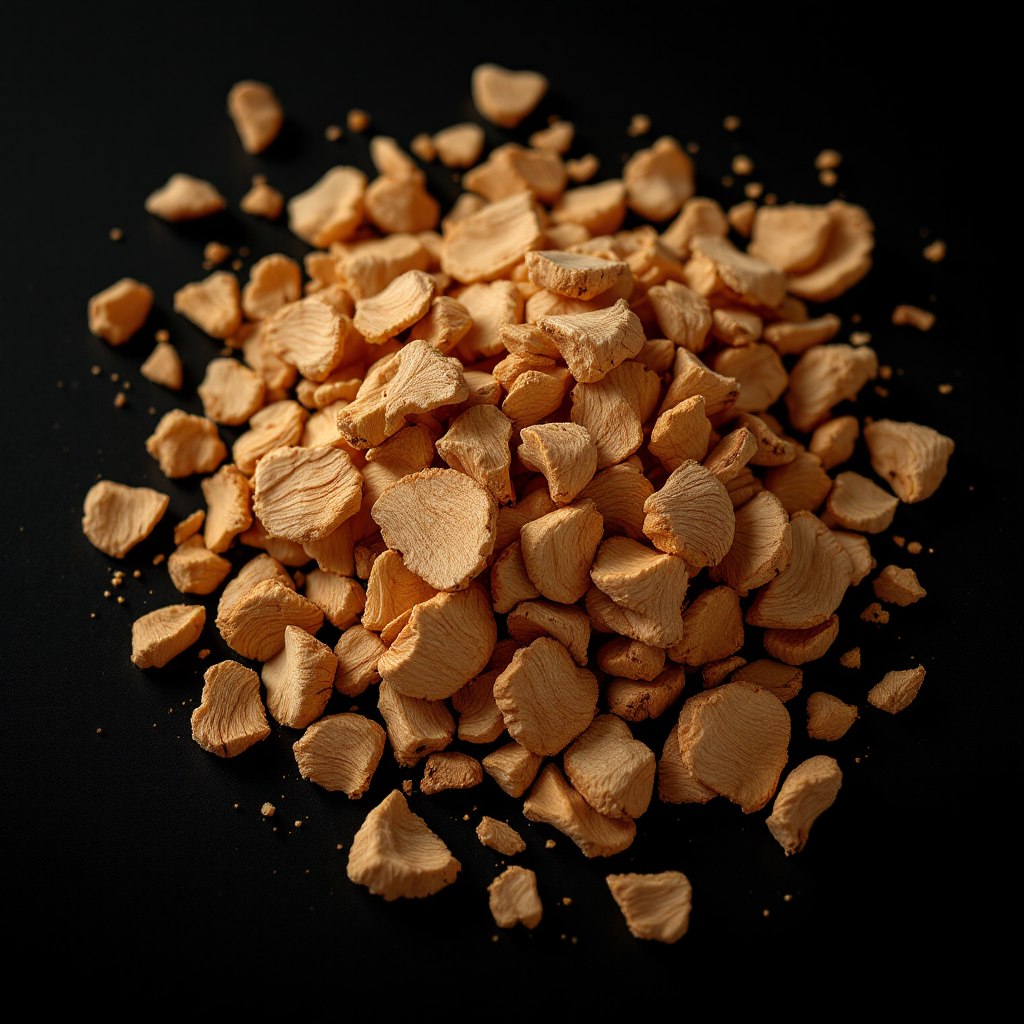
Californian Incense Cedar
California's incense cedar earns its name from a natural phenomenon: when sunlight warms the bark, the resinous wood releases fragrant vapor, as if the tree itself were smoldering without flame. This native conifer carries a dry, pencil-like warmth unlike any other cedar used in perfumery.
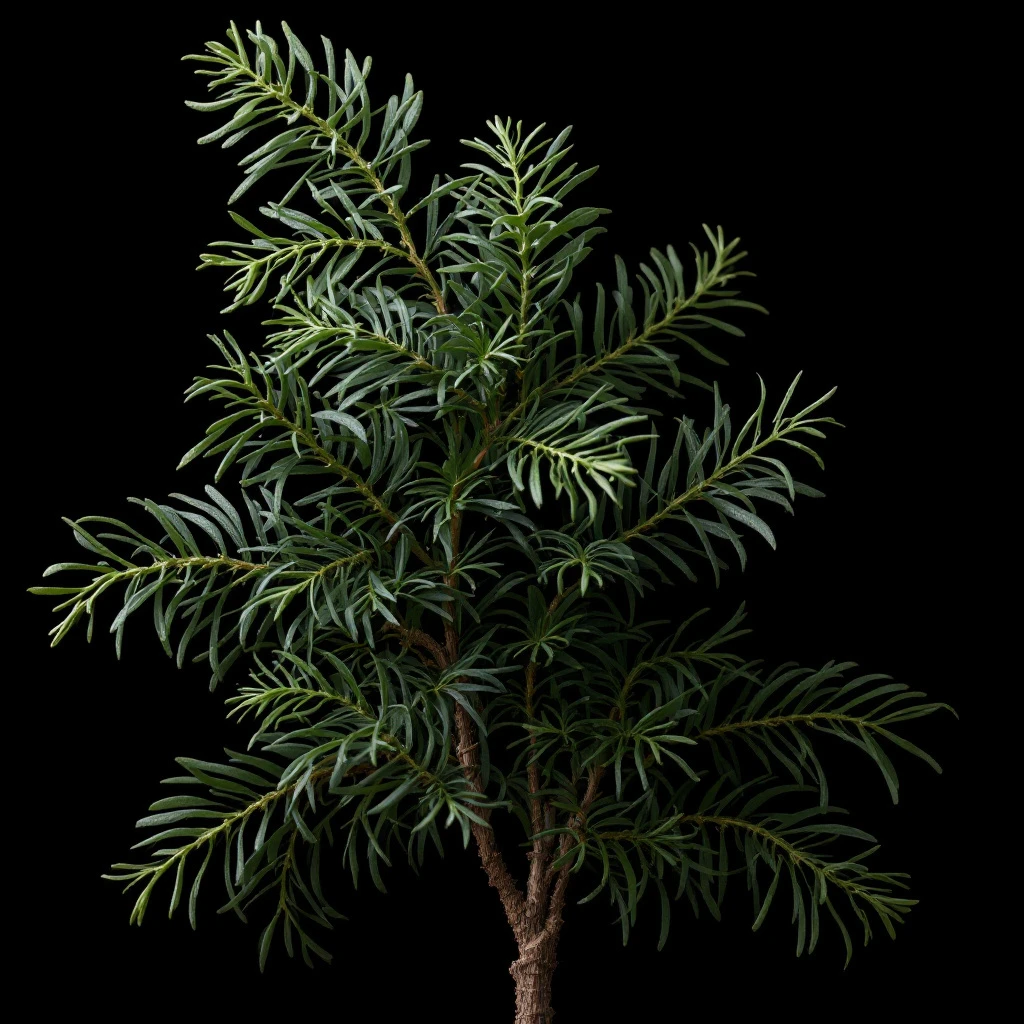
Character
How it smells
The cedar that perfumes itself.
The "incense" in its name comes from friction: rubbing the bark or breaking a branch releases aromatic vapor, a property Native peoples used to carry scent during ceremonies.
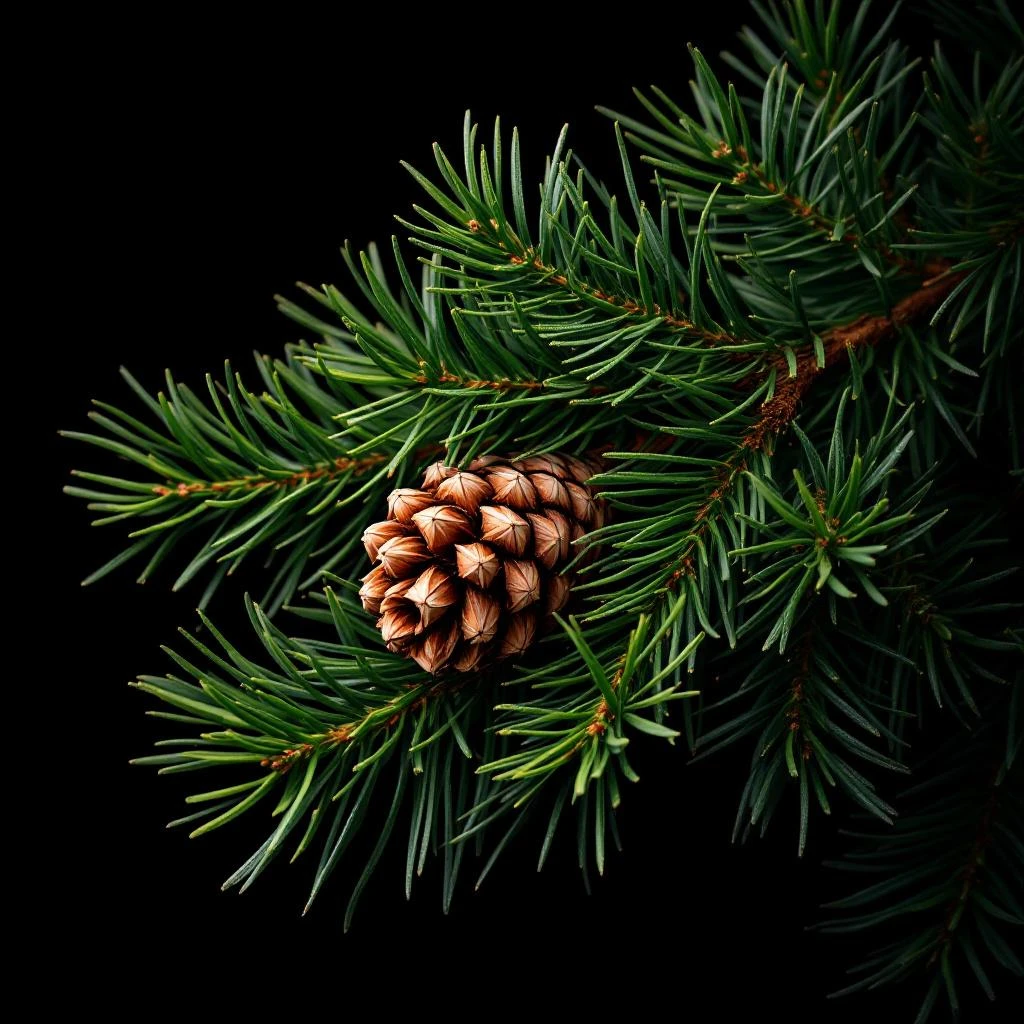





Origin
United States
Libocedrus decurrens has been part of the aromatic landscape of western North America for thousands of years. Indigenous communities of California used the wood for ceremonial purposes, recognizing its natural ability to release fragrance through heat and friction.
When Spanish colonizers arrived in the 18th century, they encountered these practices and adopted the aromatic wood for their own religious ceremonies, creating an early cross-cultural exchange of olfactory tradition. The tree's latin name, decurrens, refers to the distinctive way its leaves run along the stems.
By the early 20th century, perfumers began systematically sourcing cedarwood from the western United States, expanding beyond the more commonly used Juniperus virginiana. Today, Californian incense cedar remains a regional specialty, valued for its drier, more austere character compared to other cedar species.
Wears it best
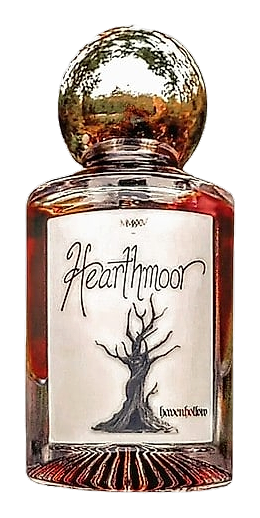
Fragrances featuring Californian Incense Cedar
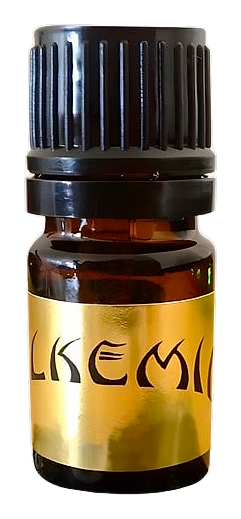
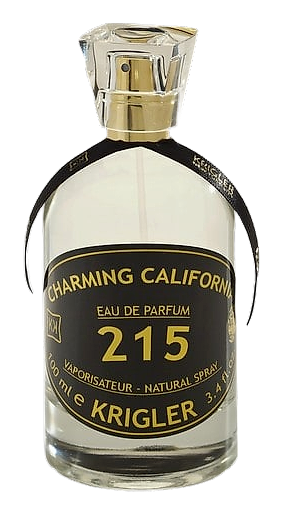
Brands
Brands known for Californian Incense Cedar
Good to know
Questions, answered
The essentials on Californian Incense Cedar in perfumery: how it smells, where it comes from, and how it behaves on skin.
What does Californian incense cedar smell like?
It delivers a dry, pencil-wool warmth with subtle balsamic undertones. The scent is less sweet than atlas cedar and has a cleaner, more austere quality than Virginia cedarwood.
How is incense cedar oil extracted?
Steam distillation of wood chips, sawdust, and small limbs yields the essential oil. The heartwood contains the highest concentration of aromatic compounds.
Where does Californian incense cedar grow?
It is native to the western United States, ranging from Oregon through California's Sierra Nevada and Coast Ranges, typically at elevations between 3,000 and 8,000 feet.
How does it differ from other cedar species in perfumery?
Compared to Cedrus atlantica or Juniperus virginiana, Libocedrus decurrens produces a drier, more pencil-like aroma with less sweetness and a cooler, more austere character.
What parts of the tree are used in perfumery?
Distillers use the heartwood, wood chips, and small limbs. Sawmill byproducts are a common and sustainable source material for extraction.
What fragrance families pair well with incense cedar?
It works naturally with other woody notes, coniferous absolutes, and aromatic herbs. Dry, leathery characters and certain citrus materials also complement its profile.
Does Californian incense cedar have historical significance?
Native communities used the wood ceremonially for its natural aromatic properties. Spanish colonizers encountered and adopted these practices in the 18th century.
Is incense cedar oil sustainable?
Extraction often relies on sawmill byproducts, making use of wood that would otherwise go to waste. Responsible sourcing from sustainably managed forests supports long-term availability.