Limewood
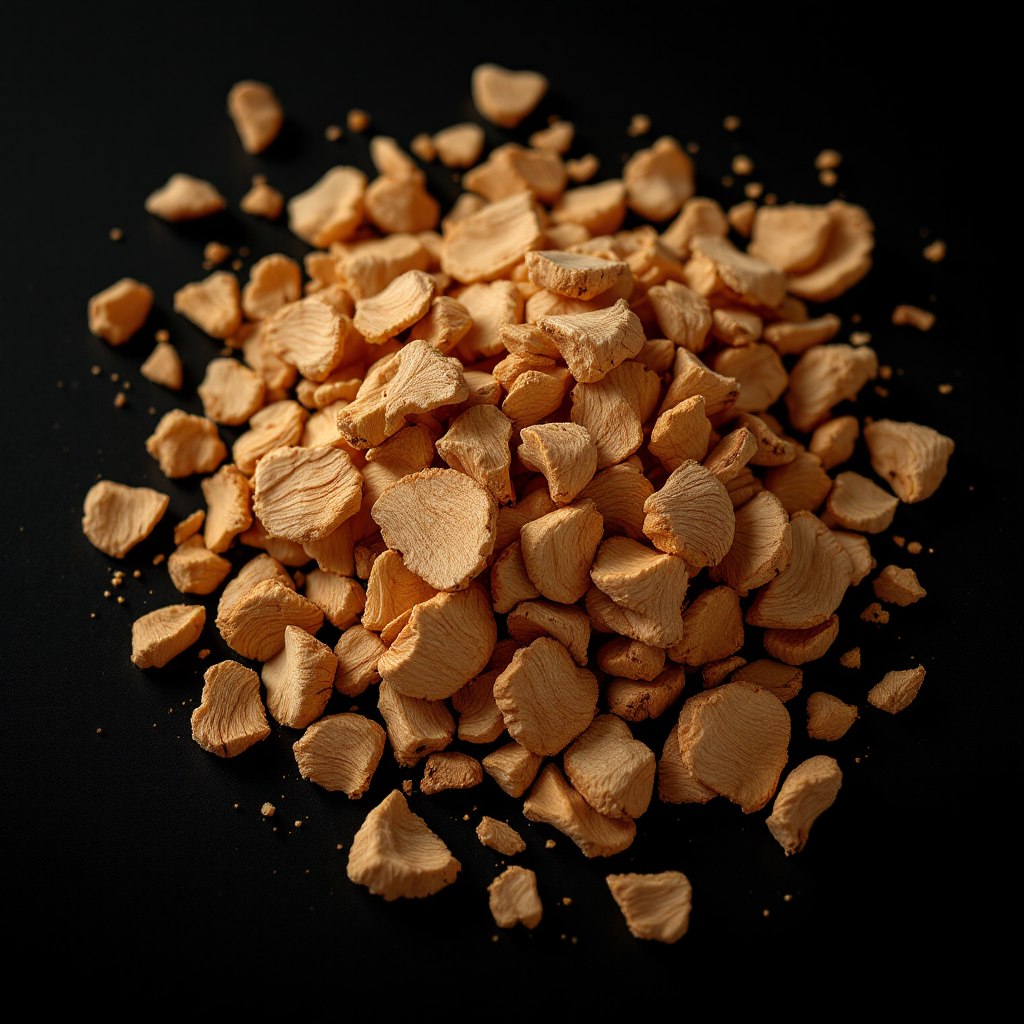
Limewood absolute captures the subtle sweetness of the American linden tree, offering a gentle woody character with delicate floral undertones. This relatively rare material brings quiet elegance to fragrance compositions, harmonizing seamlessly with transparent florals and softer wood notes.
Character
How it smells
A quiet elegance from the linden tree
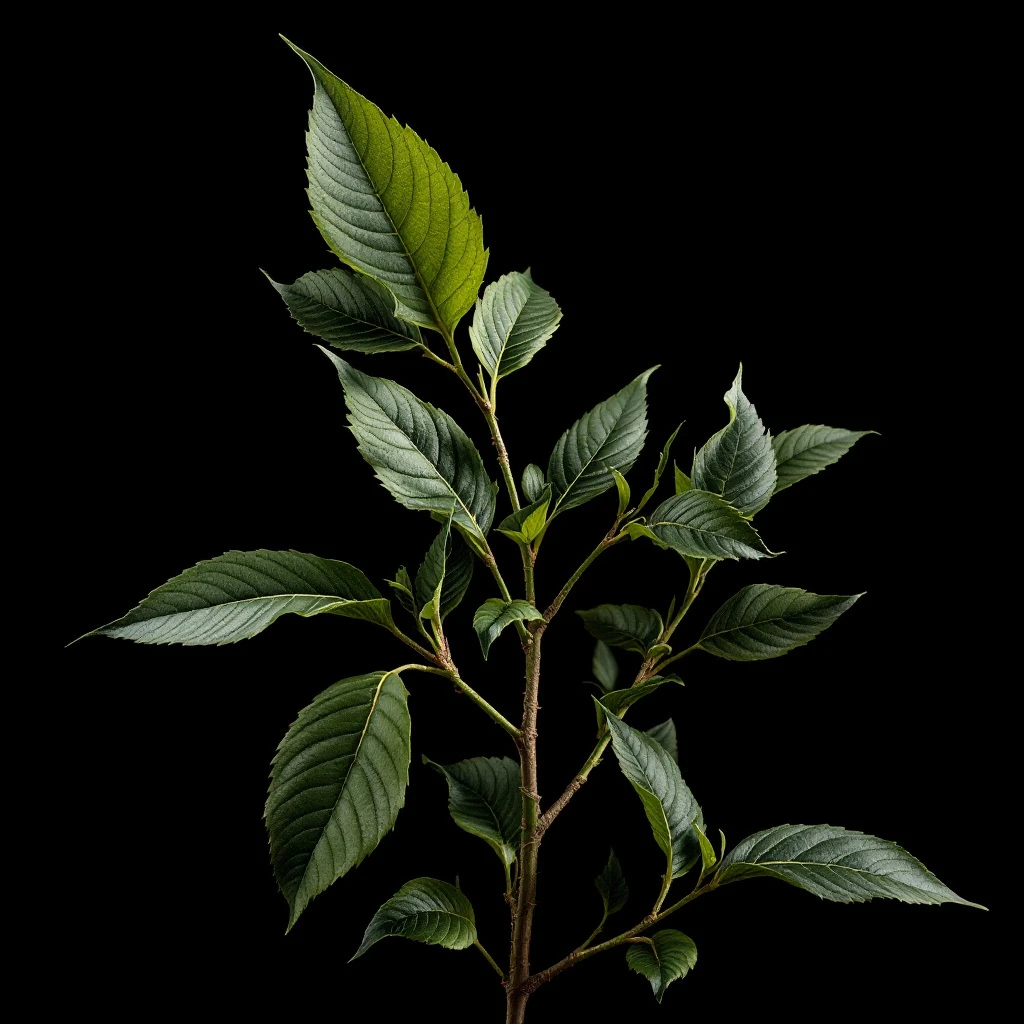
Linden trees can live for centuries and were planted in European villages as gathering spots for community meetings.





Origin
United States
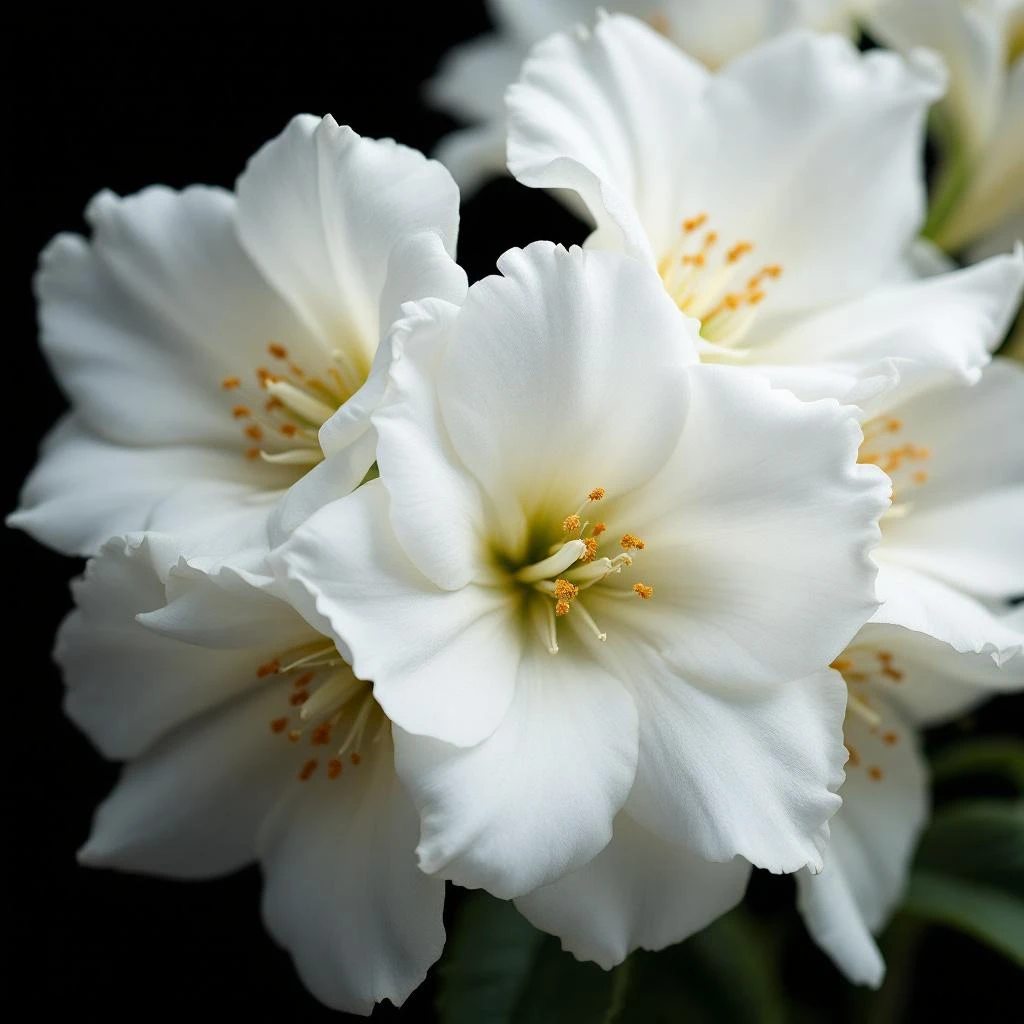
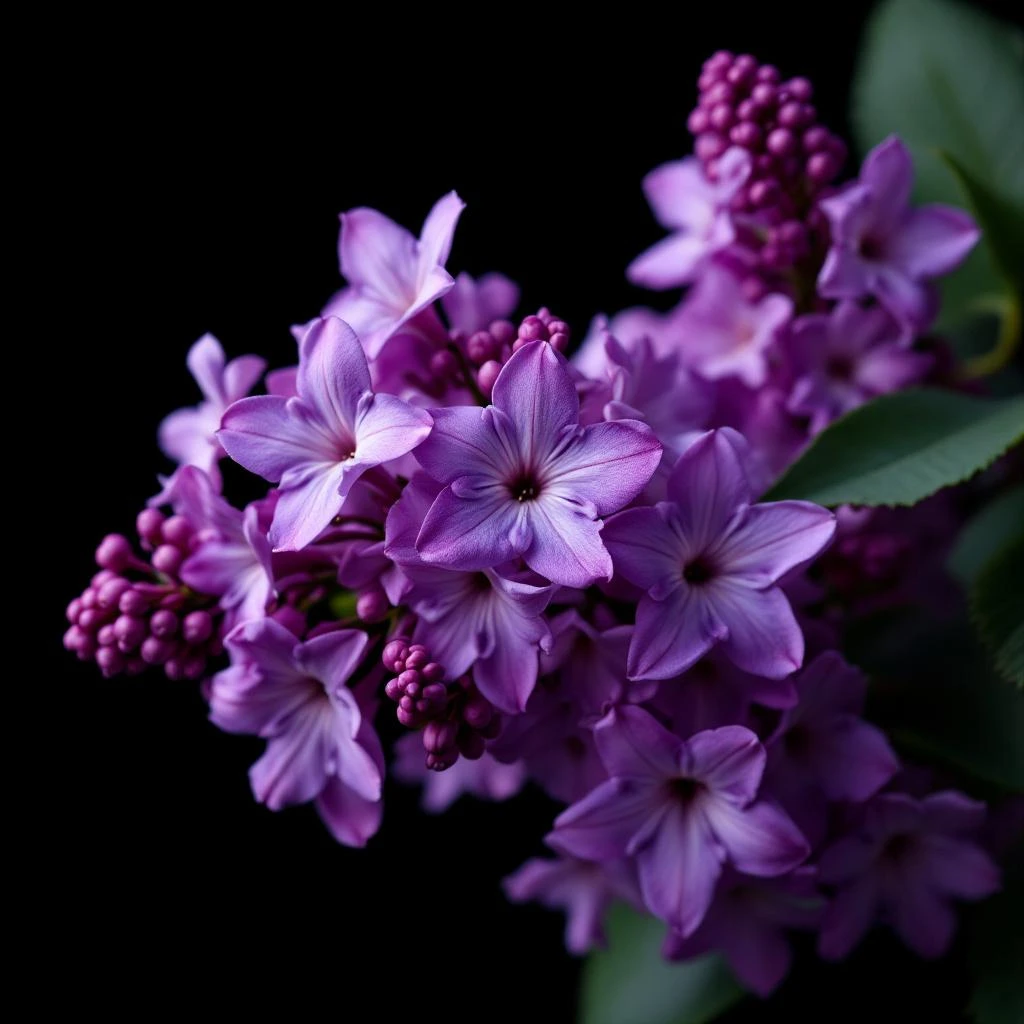
The American linden tree holds cultural significance across North America, where Native American communities used various parts of the tree for medicinal and ceremonial purposes. European linden species, closely related, became central to village life across France and England, serving as meeting points and gathering spaces for centuries. While linden flowers have a documented history in traditional perfumery and herbalism, the use of the wood itself as a fragrance material emerged more recently.
Modern perfumery began exploring this material in the twentieth century as perfumers sought to expand the woody palette beyond traditional ingredients. Today, limewood remains a niche material, valued by perfumers who appreciate its subtlety and its ability to add quiet depth to compositions.
Wears it best
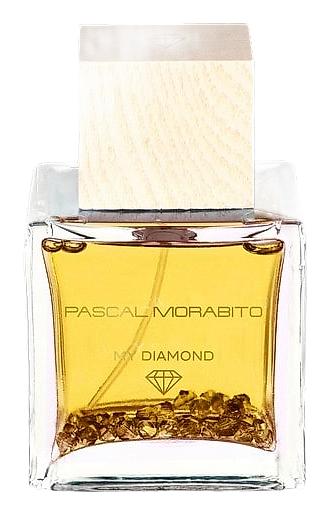
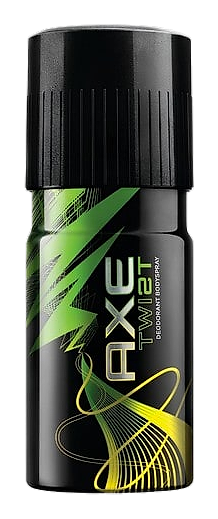
Fragrances featuring Limewood
Brands
Brands known for Limewood
Good to know
Questions, answered
The essentials on Limewood in perfumery: how it smells, where it comes from, and how it behaves on skin.
What is limewood absolute in perfumery?
Limewood absolute is a fragrant extract from the American linden tree's wood, offering subtle sweet-woody notes with delicate floral undertones used to add quiet elegance to fragrance compositions.
What does limewood smell like?
Limewood presents a gentle woody aroma with sweet, slightly creamy characteristics and faint floral notes reminiscent of linden blossom, creating a transparent, understated effect in perfumes.
How is limewood absolute extracted?
Producers collect heartwood shavings from the linden tree and process them through solvent extraction to produce a concrete, then refine this to create the fragrant absolute.
Is limewood a traditional perfumery ingredient?
Limewood represents a relatively modern perfumery material. While linden flowers have historical use, the wood itself entered fragrance formulations primarily in the twentieth century.
What distinguishes limewood from other wood notes?
Unlike bold woody materials such as cedar or sandalwood, limewood offers a subtle, almost whisper-like woody character that complements rather than dominates fragrance compositions.
Which fragrance families commonly use limewood?
Limewood appears primarily in woody and floral compositions where perfumers seek gentle depth without heavy timber effects, working well in transparent and airy fragrance structures.
Are there related linden ingredients in perfumery?
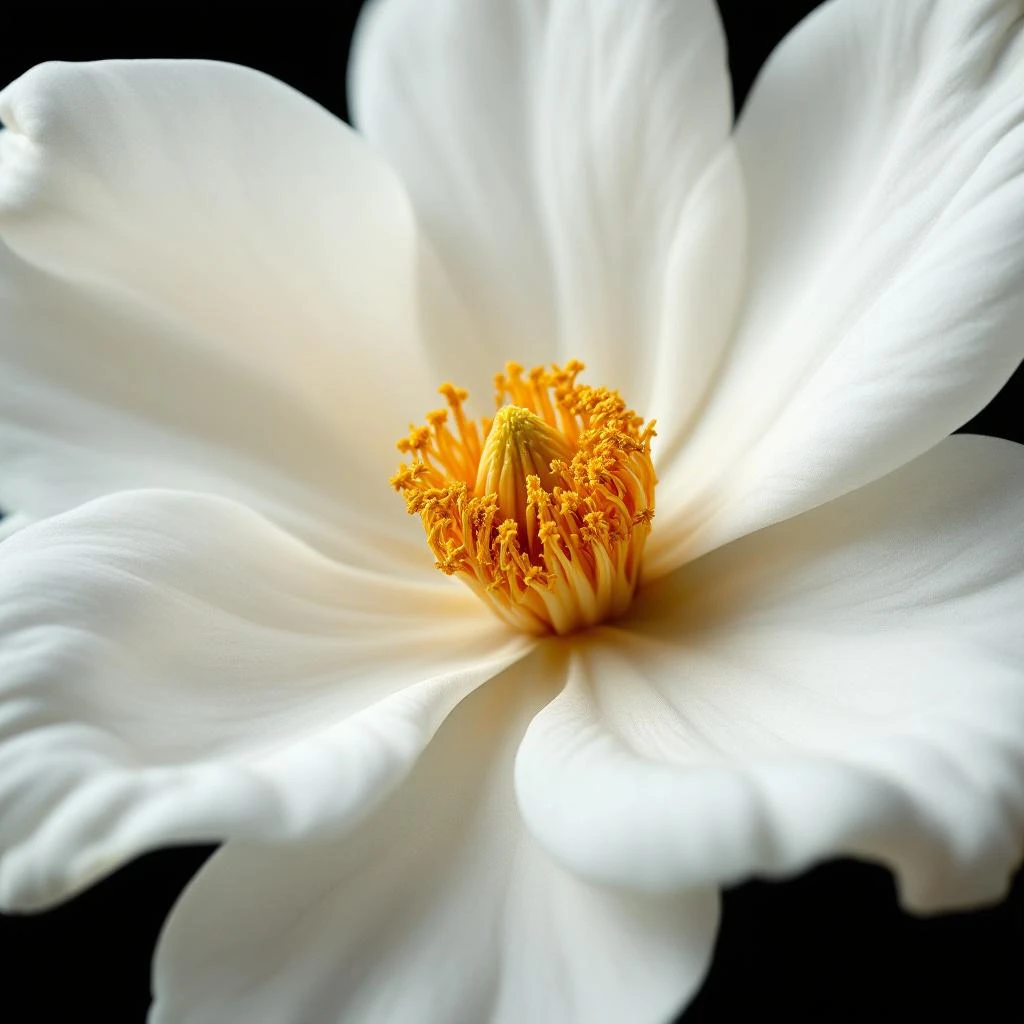
Yes. Linden blossom absolute, derived from the tree's small fragrant flowers, offers a distinctly floral counterpart with honeyed characteristics that perfumers often pair with the wood note.
Where does limewood sourcing occur?
Limewood derives from the American linden tree native to eastern North America, with related European linden species also contributing to perfumery materials.