Lemon Water
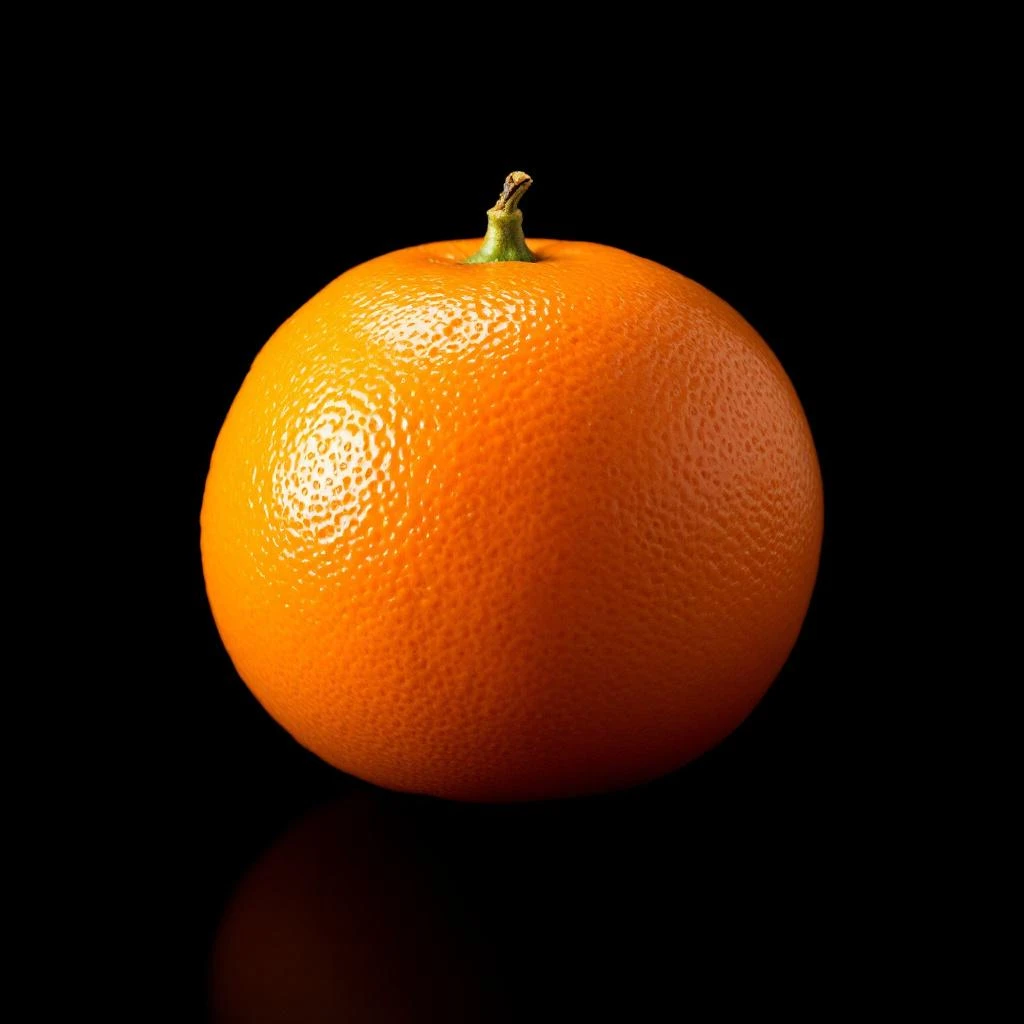
Lemon Water captures the bright, sparkling essence of freshly squeezed citrus—the zest that hits the air when you peel a lemon on a warm morning.

Character
How it smells
The bright, sparkling top note that wakes a fragrance alive.
Lemon oil contains over 90% limonene, making it one of the most chemically straightforward citrus materials in perfumery.






Origin
India
Lemon cultivation traces back over 3,000 years to Kashmir, where it grew wild before spreading through Persian trade into the Mediterranean. By the 12th century, perfumers in Italy and Arabia had transformed lemon water into a prized fragrance ingredient. The original formula, called Aqua Admirabilis, served as both perfume and medicine for centuries.
When modern perfumery emerged in the 19th century, lemon oil became a staple top note, valued for its immediate brightness and clean character. Today it remains one of the most recognizable ingredients in fragrance, equally at home in masculine and feminine compositions.
Wears it best
Fragrances featuring Lemon Water
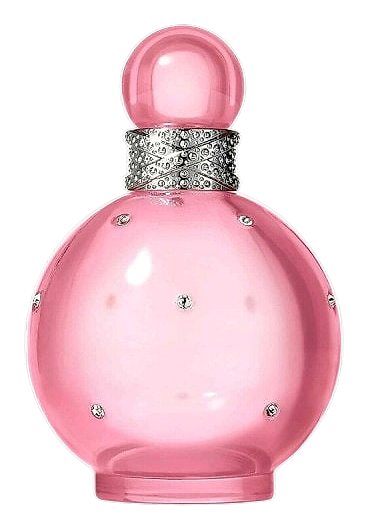
Brands
Brands known for Lemon Water
Good to know
Questions, answered
The essentials on Lemon Water in perfumery: how it smells, where it comes from, and how it behaves on skin.
What is lemon water in perfumery?
BLUF: Lemon water refers to the fresh, aqueous citrus note derived from lemon peel. Support: Perfumery uses either cold-pressed lemon oil or synthetic aroma chemicals to capture that bright, sparkling quality of fresh lemon.
How do perfumers extract lemon oil?
BLUF: Cold expression mechanically extracts lemon oil from citrus peels. Support: The 19th-century technique involves puncturing fruit rinds and pressing them to release essential oil without applying heat that could alter the scent.
Where does quality lemon oil come from?
BLUF: California, Sicily, Argentina, and Brazil produce most commercial lemon oil. Support: The Kashmir region in India holds historical significance as lemon cultivation's origin point over 3,000 years ago.
Is lemon water natural or synthetic?
BLUF: Lemon water can be either natural cold-pressed oil or synthetic fragrance compounds. Support: Natural lemon oil contains over 90% limonene, while synthetic versions reproduce citrus notes through aroma chemicals for consistency and sustainability.
What fragrances feature lemon water as a key note?
BLUF: Fresh, aquatic, and citrus fragrance families commonly use lemon water notes. Support: Designers often pair it with green tea, marine accords, and white florals to enhance its clean, sparkling character.
Why do perfumers use lemon water?
BLUF: Lemon water delivers immediate freshness and brightness as a top note. Support: Its clean, energizing quality enjoys universal appeal that crosses gender lines and works across seasons.
How does lemon water differ from other citrus notes?
BLUF: Lemon water offers a brighter, more tart quality than orange or grapefruit. Support: Its higher limonene content creates that sharp, sparkling sensation distinct from sweeter citrus variations.
What should I know about lemon water's shelf life?
BLUF: Natural lemon oil oxidizes quickly and requires proper storage. Support: Cool, dark conditions in sealed containers preserve its fresh character for one to two years, while synthetic versions offer longer stability.