Cake
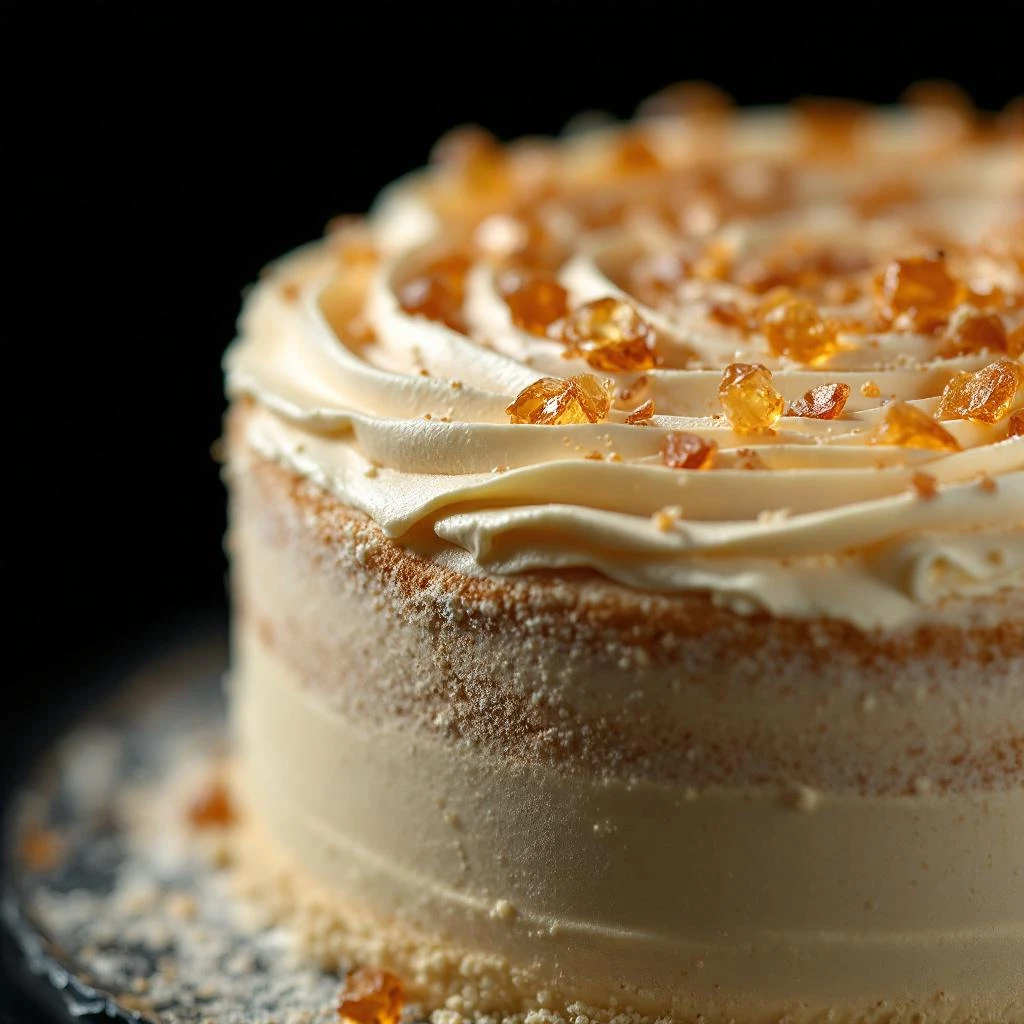
Cake is a gourmand fragrance accord built from ingredients like vanillin, coumarin, and benzaldehyde. It recreates the warm, sweet aroma of fresh baked goods in perfumery. This family of notes has dominated modern fragrance creation since the late 20th century, adding edible warmth and comfort to countless compositions.
Character
How it smells
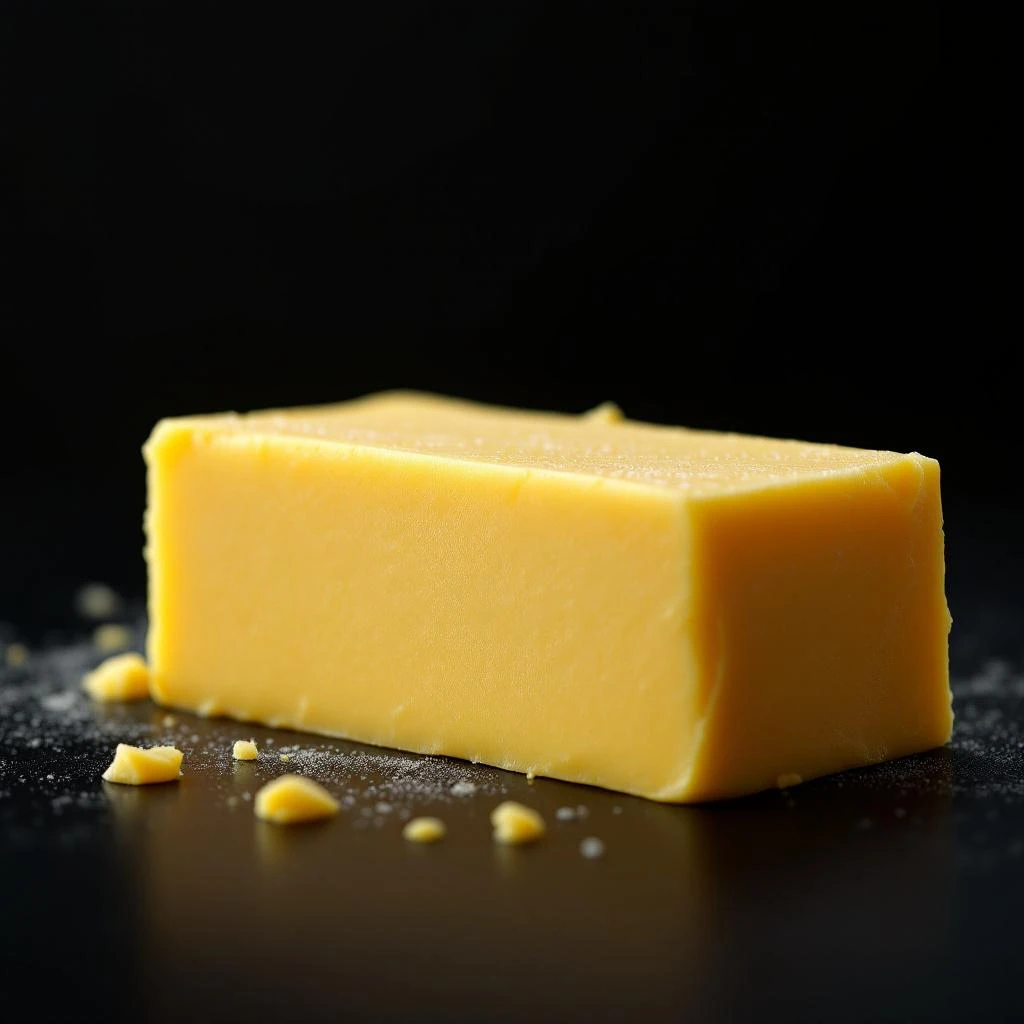
Warm, sweet, and edible: the comforting aroma of fresh-baked sweetness in a bottle.
The gourmand fragrance revolution began with Thierry Mugler's Angel in 1992, which used a high concentration of vanillin and caramel notes to create a cake-like effect that changed perfumery forever.





Origin
International
The concept of cake-inspired fragrances emerged only in recent decades, though their component materials have much older roots. Early synthetic aroma chemicals like vanillin (isolated in 1858) and coumarin (extracted from tonka beans in 1820s) gave perfumers their first tools for creating edible effects.
The true cake accord exploded in popularity following the 1992 launch of Thierry Mugler Angel, which featured an unprecedented concentration of sweet notes. This gourmand movement transformed perfumery, making warm, edible fragrances accessible to the mainstream and inspiring countless interpretations of pastry, caramel, and confectionery in modern scent composition.
Wears it best
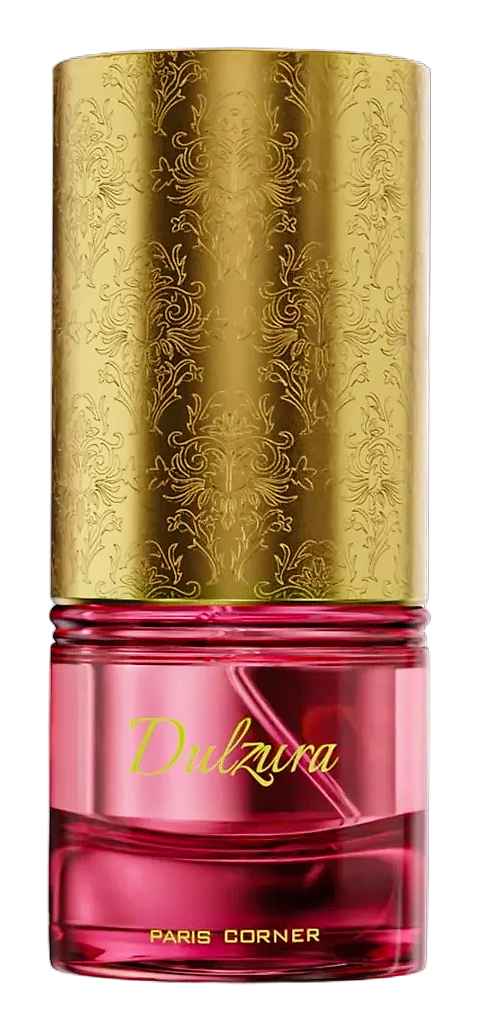
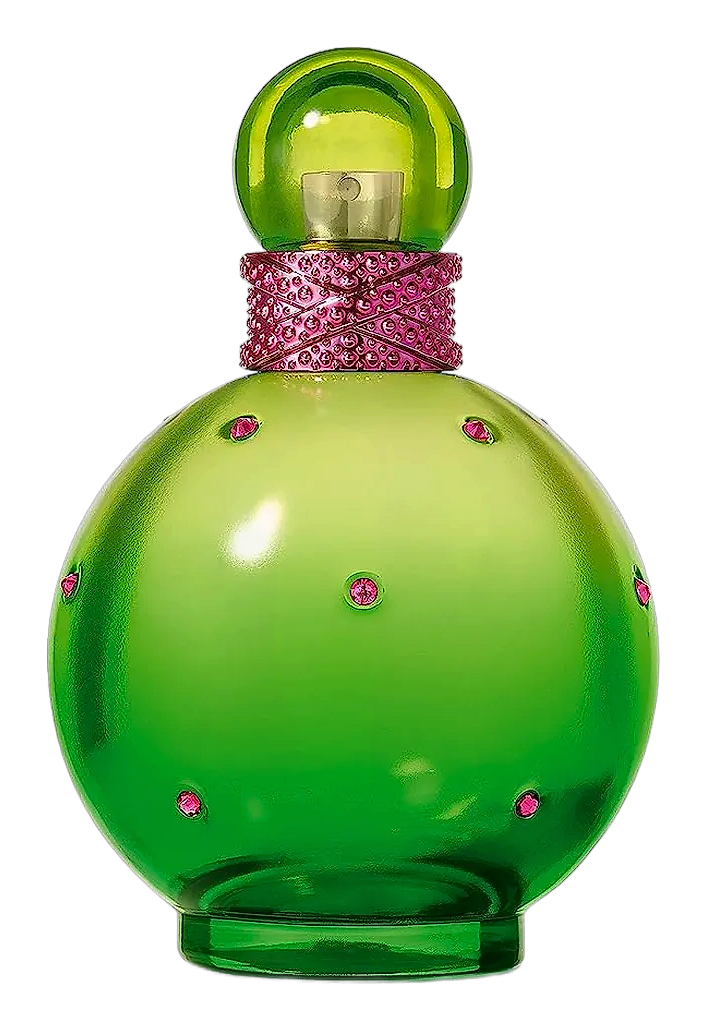
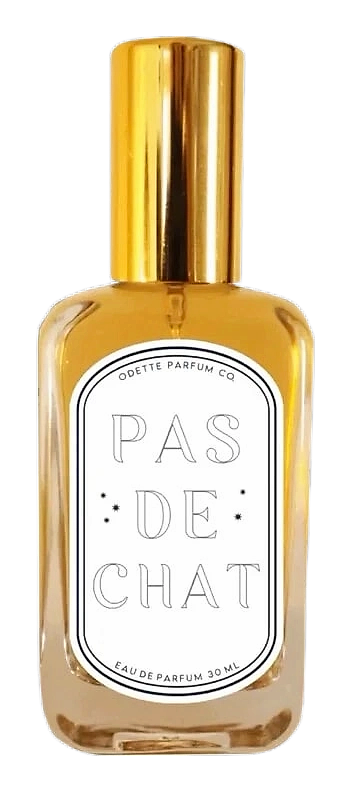
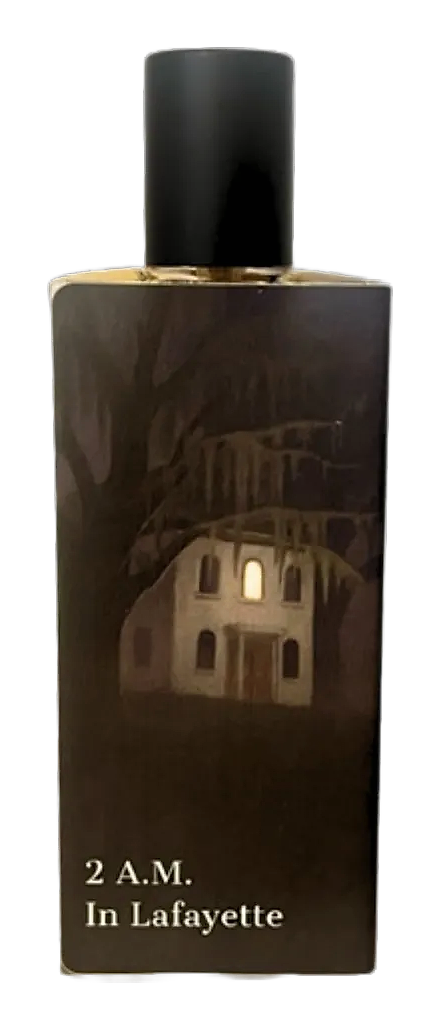
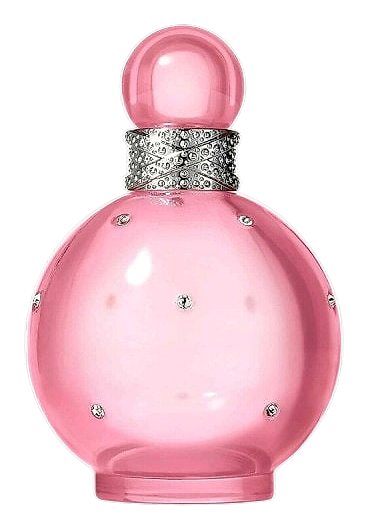
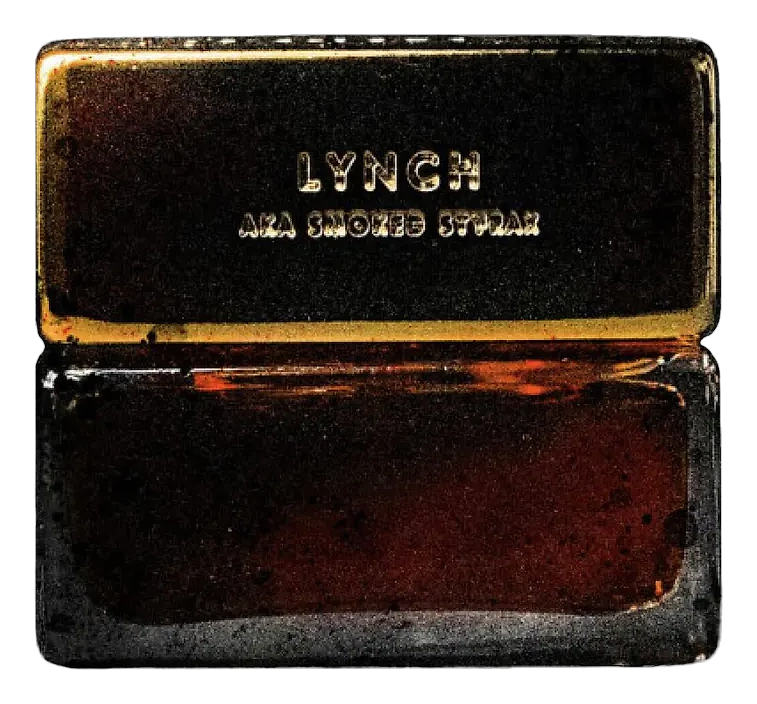
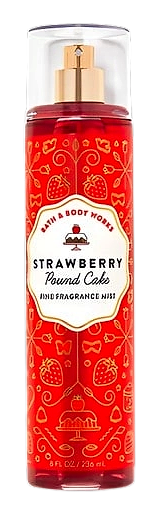
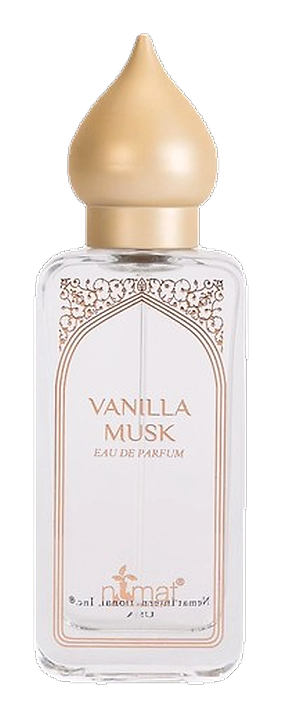
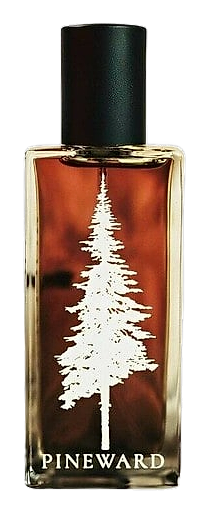
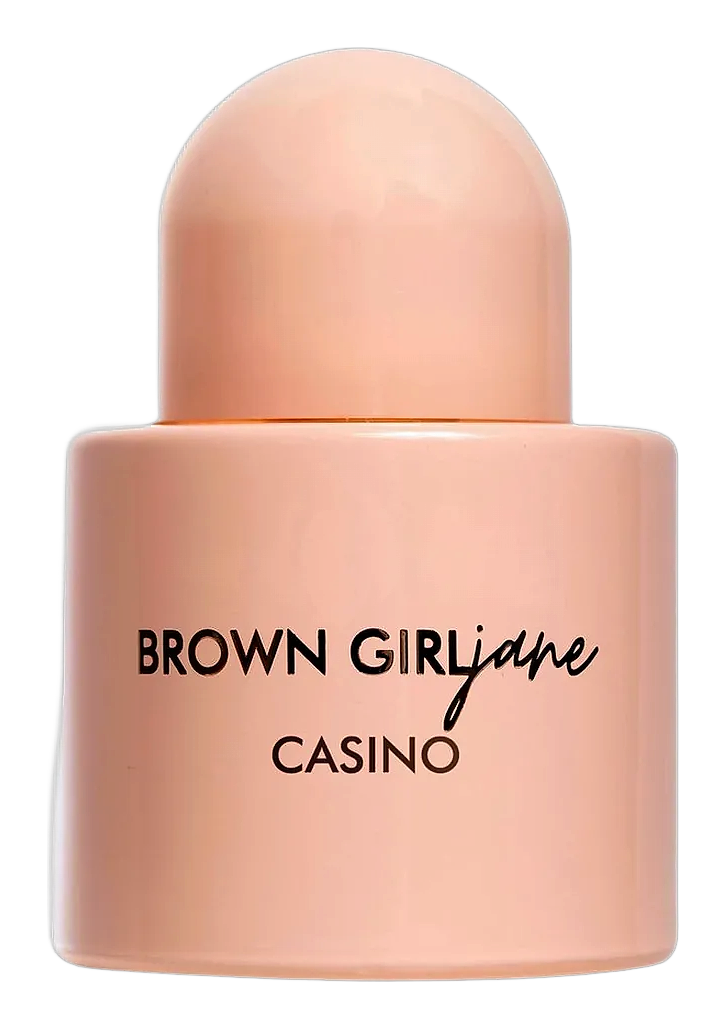
Fragrances featuring Cake


Brands
Brands known for Cake
Good to know
Questions, answered
The essentials on Cake in perfumery: how it smells, where it comes from, and how it behaves on skin.
What does Cake smell like in perfume?
Cake accord smells like warm, sweet baked goods with notes of vanilla, caramel, and subtle almond. It combines sweet, edible warmth with bakery-like richness, evoking fresh pastry rather than actual cake. The effect is comforting and approachable, often featuring vanillic sweetness balanced by gentle nuttiness.
Why is Cake used in perfumery?
Cake notes add warmth, comfort, and emotional appeal to fragrances. They create an edible, inviting quality that broadens fragrance accessibility. Gourmand accords like cake now appear in roughly 40% of new fragrance launches, according to industry analyses, making them a dominant force in modern perfumery.
Is Cake in perfume natural or synthetic?
Cake in perfume is almost entirely synthetic. While some components like vanillin exist in natural vanilla, the concentrations needed for a strong cake effect require lab-created versions. Modern aroma chemistry provides precise control over sweetness intensity and longevity that natural materials alone cannot achieve.
What famous perfumes contain Cake?
Iconic cake-scented fragrances include Thierry Mugler Angel (1992), which pioneered the gourmand trend, Dior Hypnotic Poison, and Viktor & Rolf Flowerbomb. These fragrances feature prominent vanilla, tonka, and sweet resin combinations that create their distinctive cake-like drydowns.
Is Cake a top note, heart note, or base note?
Cake functions primarily as a heart to base note in perfumery. The vanilla and coumarin materials used in cake accords tend to develop fully after the top notes fade, revealing their warm, edible character in the fragrance's heart and providing lasting sweetness in the drydown.
What notes pair well with Cake in perfume?
Cake pairs naturally with other sweet materials like caramel, honey, and benzoin. Complementary florals such as jasmine and orange blossom add brightness. Woody notes including sandalwood and cedar provide grounding, while spices like cardamom and cinnamon enhance the warm baked-good quality.
How is Cake extracted?
Cake is not extracted from a single source but blended as an accord. Its primary materials include vanillin (first isolated in 1858 by Ferdinand Tiemann), coumarin (identified in tonka beans in 1820), and benzaldehyde (characterized in 1803). These aromatic chemicals are synthesized or extracted separately then combined.
Is Cake used in men's or women's fragrances?
Cake notes appear across all fragrance genders today. While originally more common in women's perfumes during the 1990s gourmand boom, modern men's fragrances frequently incorporate vanilla and sweet accords. The trend has become largely gender-neutral, with many unisex fragrances built around warm, edible foundations.