Lemon Biscuit
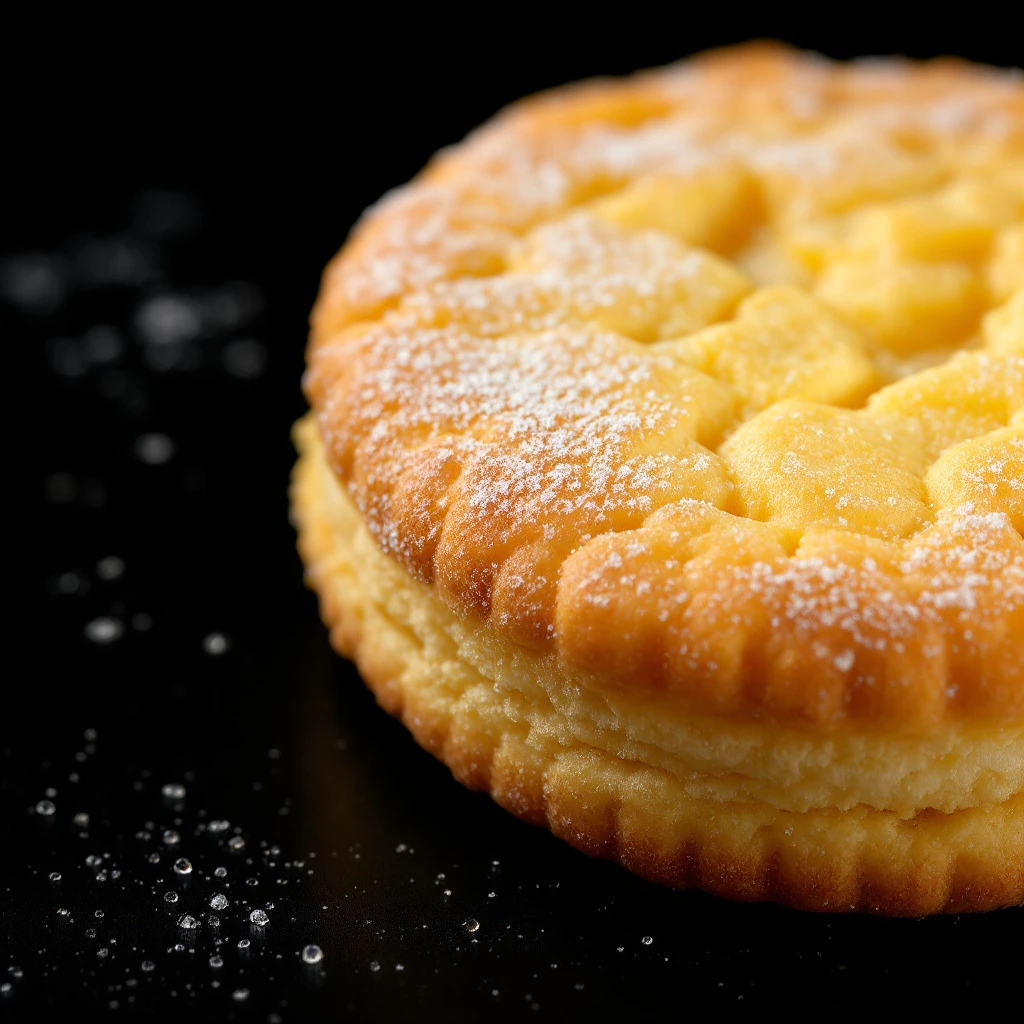
Lemon Biscuit is a gourmand fragrance accord that fuses bright citrus zest with the buttery warmth of baked shortbread. It captures the moment a tray of lemon curd cookies emerges from the oven, still crackling with heat.
Character
How it smells
Zest and crumble in one breath
Lemon Biscuit is almost entirely a perfumer's creation, built in a lab, since no single botanical smells exactly like buttery citrus shortbread.
Pairs beautifully with
Origin
Italy
Gourmand fragrances, the family to which Lemon Biscuit belongs, did not exist in serious perfumery until the early 1990s. The category launched in 1992 when Thierry Mugler released Angel, the first mainstream perfume built around edible, dessert-like notes. Before that, French perfumery tradition treated sweet, foody accords as vulgar or amateurish. The shift changed everything.
Soon lemon-based bakery scents appeared in niche and mainstream lines alike, drawing on a 4,000-year history of lemon cultivation that traces back to the Kashmir region of northern India, where citrus trees first grew wild along the Himalayan foothills. Arab traders carried lemon seeds westward through Persia and into the Mediterranean by the first millennium CE. The Romans prized citrus for its freshness, while medieval European bakers discovered that lemon zest elevated simple butter doughs into something memorable. Modern Lemon Biscuit accords honor this old baking tradition, but the accord itself owes its existence to 20th-century aroma chemistry.
Synthetic vanillin, first isolated in 1858, and citral, identified in lemon oil during the 1890s, gave perfumers the building blocks they needed. Today's compositions represent a meeting point between ancient citrus cultivation and cutting-edge molecular design.
Wears it best
Fragrances featuring Lemon Biscuit
Brands
Brands known for Lemon Biscuit
Good to know
Questions, answered
The essentials on Lemon Biscuit in perfumery: how it smells, where it comes from, and how it behaves on skin.
What does Lemon Biscuit smell like in perfume?
It smells like freshly baked shortbread drizzled with bright lemon curd. The accord opens with sharp citrus zest, then settles into warm, buttery vanilla undertones that mimic golden-baked dough.
Is Lemon Biscuit a natural or synthetic fragrance note?
It is primarily synthetic, constructed from aroma molecules like citral and vanillin. Some versions blend in cold-pressed Sicilian lemon peel oil for added authenticity, but no single botanical produces this exact accord.
What type of fragrance family does Lemon Biscuit belong to?
Lemon Biscuit belongs to the gourmand fragrance family, which emerged commercially after Thierry Mugler's Angel launched in 1992. It sits at the citrus-gourmand intersection, bridging zesty top notes with edible base sweetness.
Which perfumes famously feature Lemon Biscuit notes?
Several niche and mainstream compositions highlight this accord, particularly in spring and summer editions. It appears in lemon-themed flankers and bakery-inspired niche lines, though specific fragrance names vary widely by house.
How long does Lemon Biscuit typically last on skin?
Lemon Biscuit is mostly a top-to-heart note, lasting 2 to 4 hours on skin. Its citrus components evaporate quickly, while the vanillin and lactone base notes can persist longer when anchored in a fuller composition.
Does Lemon Biscuit contain actual lemon or biscuit?
No actual baked goods or fresh lemons are used. Perfumers reconstruct the smell using cold-pressed lemon oil for the citrus layer and synthetic molecules like vanillin and coumarin for the buttery, doughy warmth.
Is Lemon Biscuit suitable for sensitive skin?
Citrus oils can increase photosensitivity, and some lactones cause irritation in reactive skin. Patch testing any fragrance with this accord before full application remains the safest approach for sensitive individuals.
Where did lemon cultivation originally begin?
Lemon trees originated in the Kashmir region of northern India over 3,000 years ago. Arab traders later spread cultivation westward through Persia into the Mediterranean, where Sicily became a major modern producer.