Laurissilva Forest
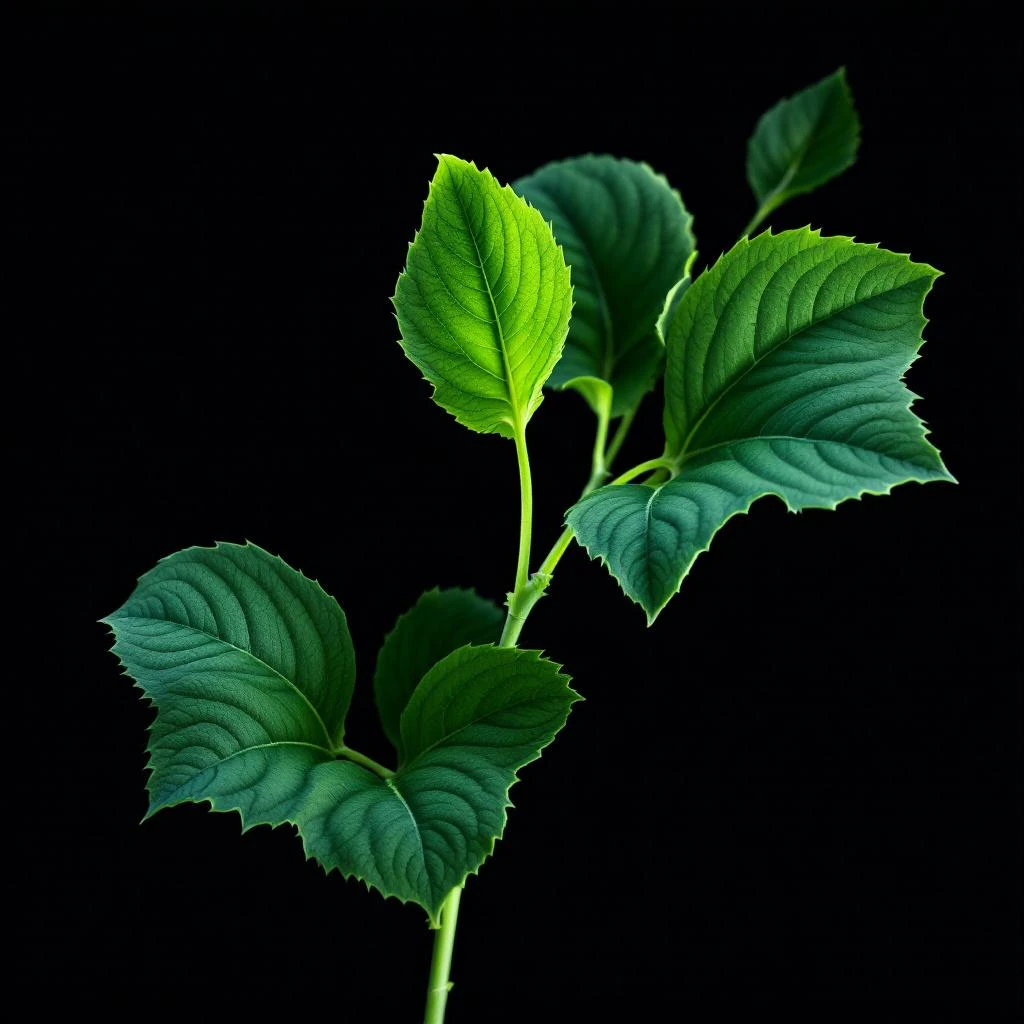
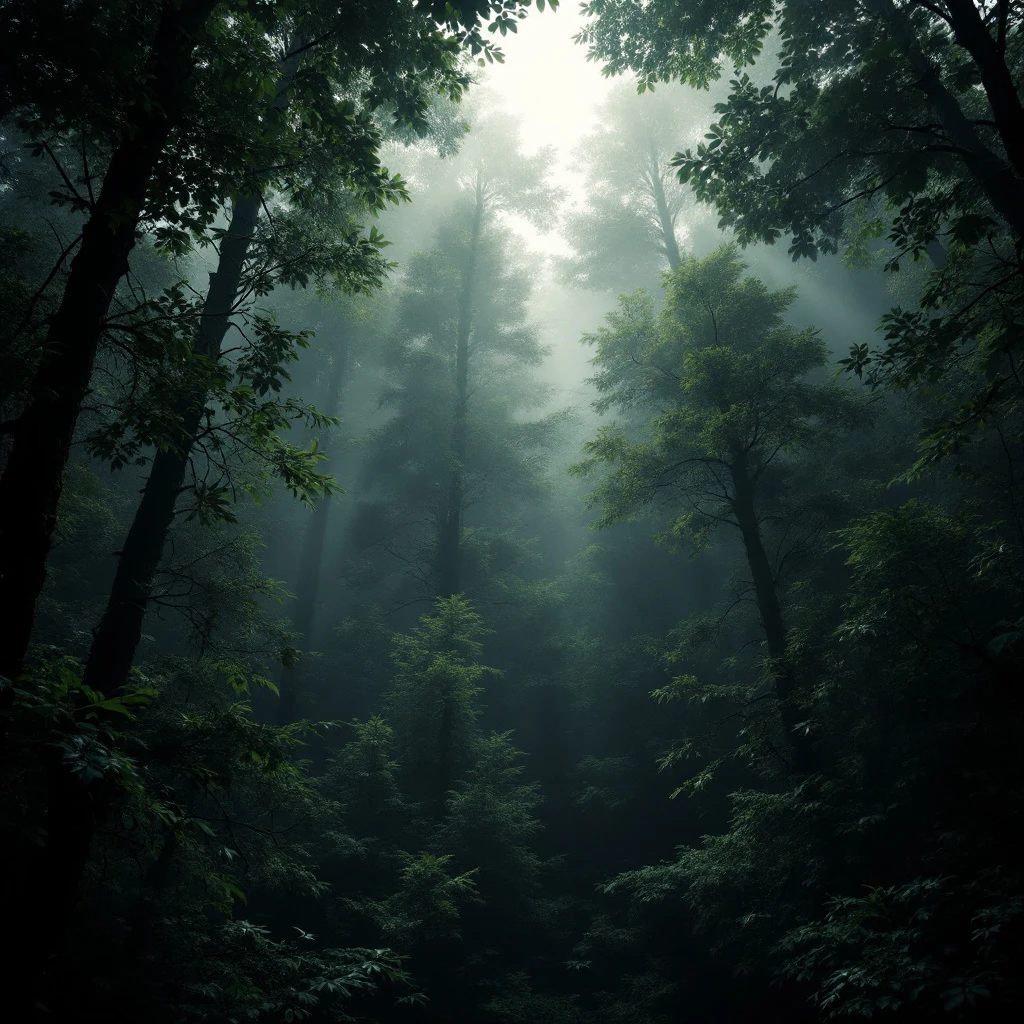
An ancient forest atmosphere captured through botanical extraction. Laurissilva forests are living relics of the Tertiary period, where fog-draped laurel trees and endemic flora create a scent landscape unlike anywhere else on Earth.
Character
How it smells
Living fossils of the Tertiary era.
Laurissilva forests survived the Ice Ages in isolation, making them the oldest forest type in Europe, with some tree specimens exceeding 300 years in age.





Origin
Portugal (Madeira)
Laurissilva forests represent the last remnants of a forest ecosystem that covered much of southern Europe and North Africa during the Tertiary period, before climatic cooling drove these moisture-loving trees to isolated refugia. The Macaronesian islands—Madeira, the Azores, and the Canary Islands—preserve the most extensive Laurissilva remnants, where fog condenses on leaves, drip-feeding streams in a water cycle unique to these ecosystems.
Pre-Roman inhabitants of these islands used Laurissilva plants for medicinal and ritual purposes. When Portuguese and Spanish navigators encountered these mist-shrouded forests in the 15th century, they documented the distinctive atmosphere of these ancient groves.
Contemporary perfumers source selectively from these protected areas, working with local harvesters who understand the seasonal rhythms of the forest. Laurissilva Forest notes in modern fragrances pay homage to this ecological inheritance, translating millions of years of botanical evolution into sensory experience.
Wears it best
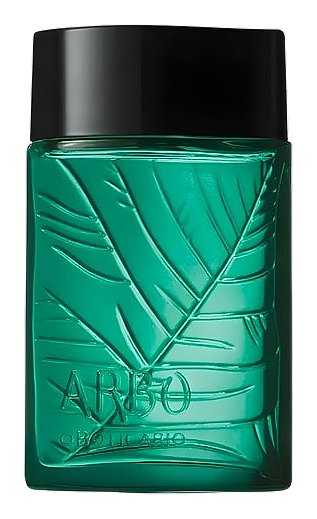
Fragrances featuring Laurissilva Forest
Brands
Brands known for Laurissilva Forest
Good to know
Questions, answered
The essentials on Laurissilva Forest in perfumery: how it smells, where it comes from, and how it behaves on skin.
What does Laurissilva Forest smell like?
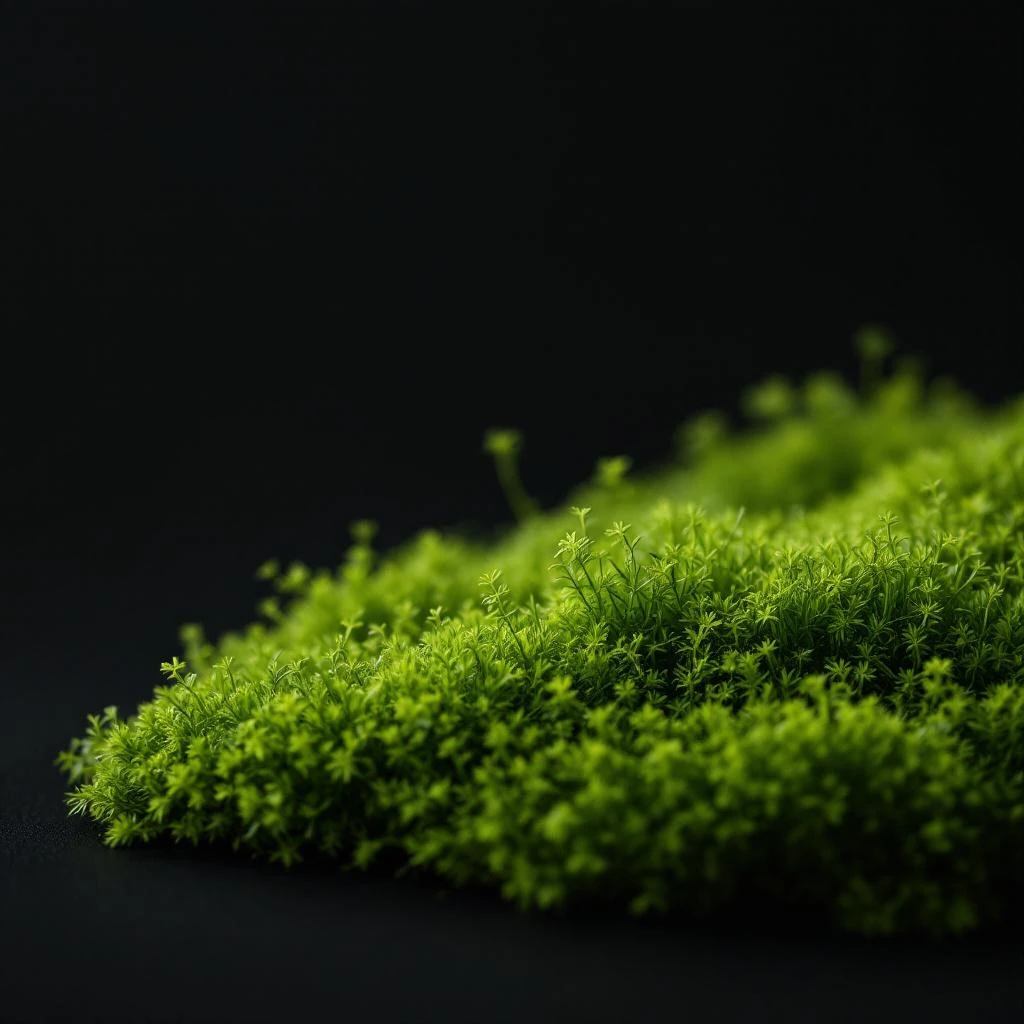
Laurissilva Forest captures a cool, green atmosphere with camphoraceous bay laurel notes, damp moss undertones, and a distinctive oceanic moisture quality unique to Atlantic laurel forests.
Is Laurissilva Forest a natural or synthetic ingredient?
It can be either. Some fragrances use actual Laurissilva-derived extracts from Macaronesian laurel forests, while others feature a constructed accord blending natural and synthetic materials to recreate the forest profile.
Where do Laurissilva forests grow?
The largest Laurissilva forests exist in Macaronesia, particularly Madeira (Portugal) and the Canary Islands (Spain), with smaller remnants in the Azores and parts of mainland Portugal and Spain.
Why are Laurissilva forests ecologically significant?
These forests are Tertiary-era relicts that survived Ice Age cooling in isolated refugia. They represent one of the most endangered forest types globally, with less than 5% of the original coverage remaining.
How is the fragrance extracted from Laurissilva plants?
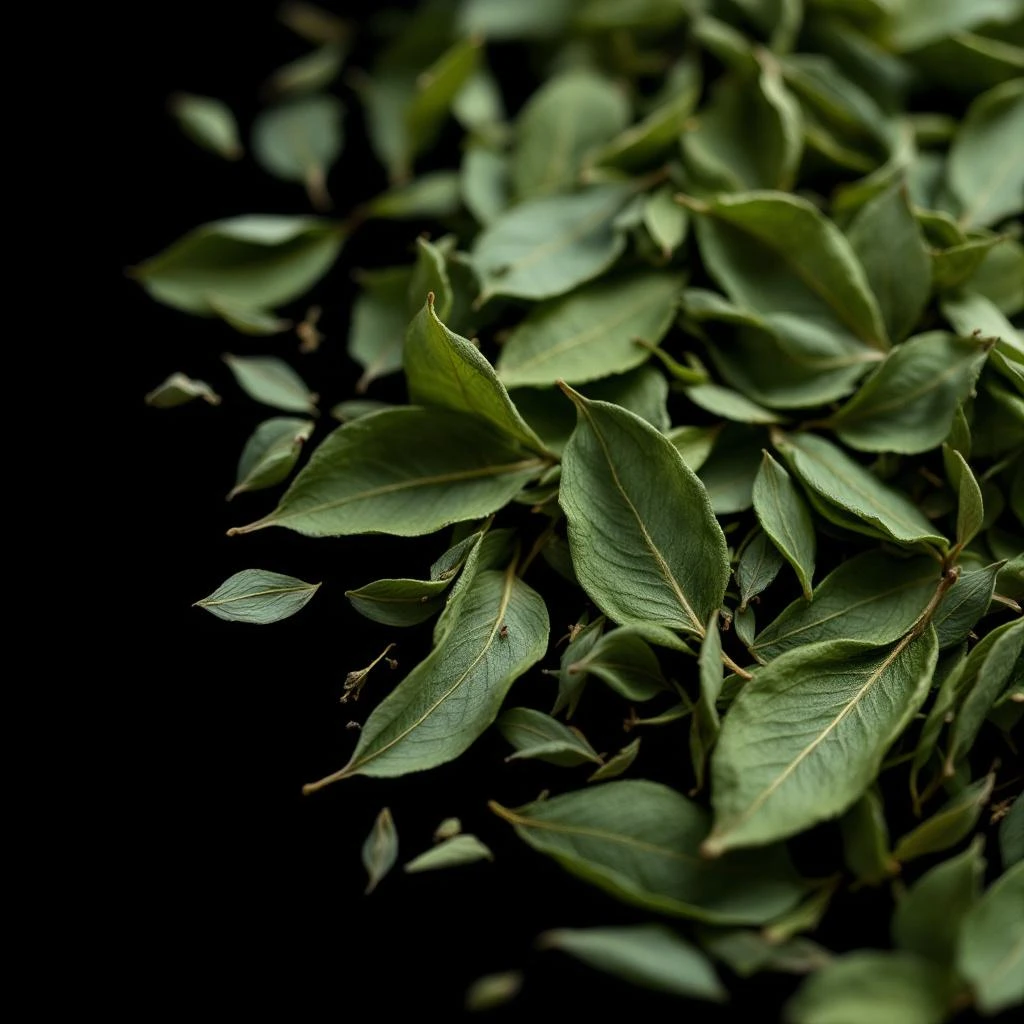
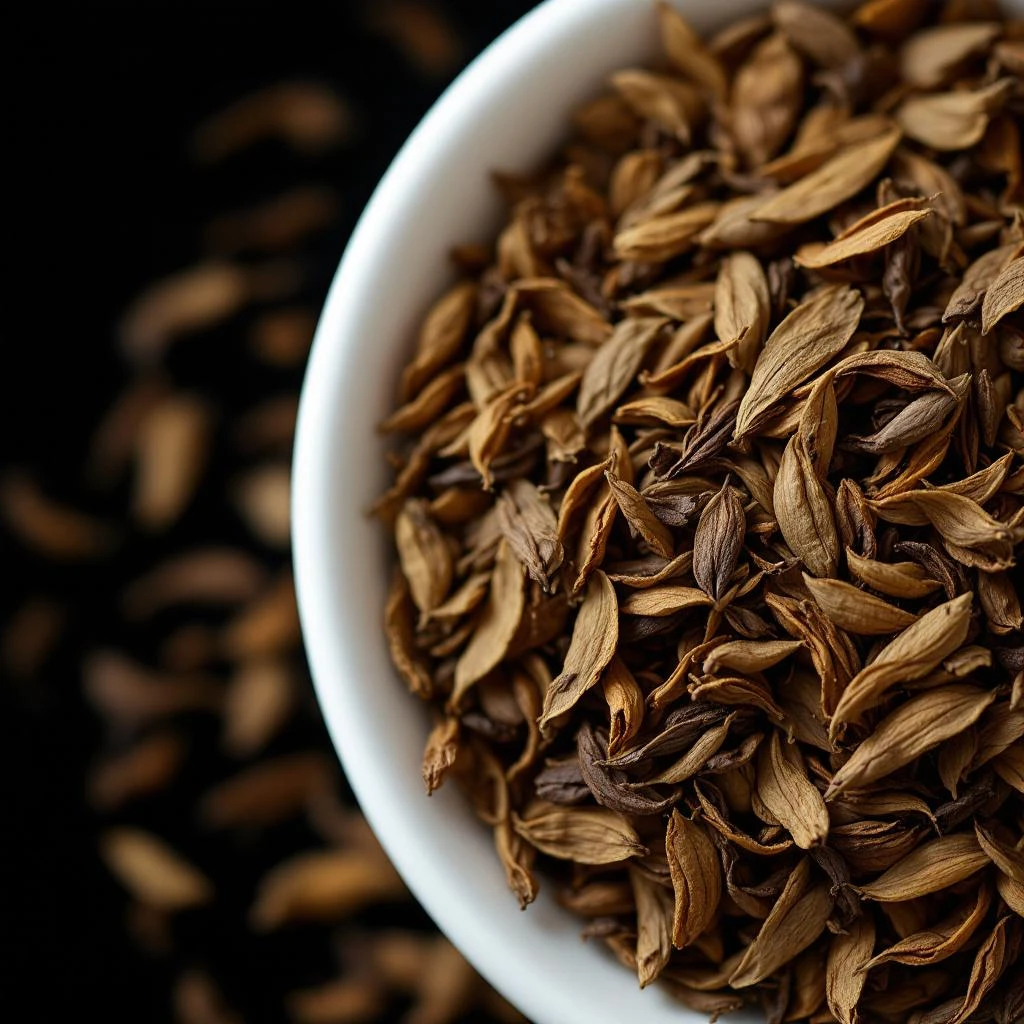
Steam distillation of fresh laurel leaves and forest moss produces the characteristic green, camphoraceous absolute used in fine fragrance. Extraction typically occurs during dry weather to maximize oil yield.
Which fragrance families commonly use Laurissilva Forest notes?
Chypre, fougère, and green fragrance families most frequently incorporate Laurissilva Forest accords, as these styles emphasize mossy, aromatic, and atmospheric botanical elements.
Is harvesting Laurissilva plants sustainable?
Responsible sourcing limits harvest to fallen leaves and managed pruning of non-protected species. Protected Laurissilva areas require permits, and ethical perfumers work with certified local harvesters.
What other plants grow alongside Laurissilva laurel?
The forests host endemic heather, til trees, Madeiran orchids, and numerous fern species. This botanical diversity contributes to the complex, layered quality of Laurissilva Forest fragrance materials.