Lanzones Fruit
A rare tropical treasure from Southeast Asian forests, Lanzones delivers an intoxicating blend of sweet grape, floral lychee, and soft citrus. Its delicate, translucent skin masks a juicy flesh that inspired perfumers to bottle sunset-golden afternoons.

Character
How it smells
Southeast Asia's liquid sunshine.
Lanzones trees can live over 100 years, producing fruit with an almost embarrassingly sweet scent that perfumes only begin to capture.



Origin
Malaysia
Lanzones has been cultivated for centuries across the Malay Peninsula, Borneo, and the Philippines, where it grows wild in primary rainforests. The fruit holds deep cultural significance in Southeast Asian traditions, appearing in folklore as a gift from forest spirits and being exchanged as a symbol of hospitality and goodwill during harvest festivals. Malaysian royalty prized the fruit for centuries, with specific trees reserved exclusively for sultanate consumption.
Despite its ancient roots, Lanzones remained virtually unknown to Western perfumery until the late 20th century when the rise of exotic and tropical fragrance families opened doors for lesser-known ingredients. Today, it represents the frontier of fragrance discovery, a reminder that perfumery's palette remains incomplete, with countless botanical treasures yet to be properly explored.
Wears it best
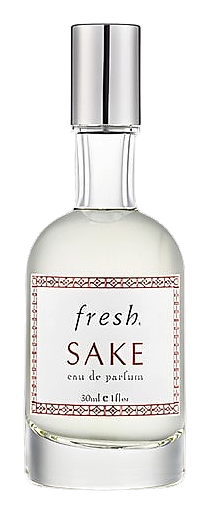
Fragrances featuring Lanzones Fruit
Brands
Brands known for Lanzones Fruit
Good to know
Questions, answered
The essentials on Lanzones Fruit in perfumery: how it smells, where it comes from, and how it behaves on skin.
What does Lanzones smell like in a fragrance?
Lanzones delivers a sweet-tropical scent combining ripe grape, lychee, and subtle citrus with a creamy, almost translucent quality. It reads as both fruity and slightly floral, creating an impression of exotic sweetness without heaviness.
Is Lanzones a natural or synthetic ingredient in perfume?
Both exist. True Lanzones extraction is rare and expensive, requiring specialized CO2 or headspace techniques. Most fragrances using this note rely on synthetic molecules carefully blended to recreate the fruit's profile, as natural material remains commercially unavailable.
Which fragrances feature Lanzones?
Lanzones appears primarily in niche fragrances from Southeast Asian and tropical-themed lines. It gained wider recognition after being featured in By Kilian's Asian-themed collection, though it remains uncommon due to sourcing challenges.
What season does Lanzones fruit ripen?
Lanzones harvests twice yearly, with the main season falling between July and October in Southeast Asia. The fruit must be processed within hours of picking, which partly explains why natural extraction proves so difficult.
How does Lanzones compare to similar tropical fruits in perfumery?
Lanzones sits between lychee and grape on the fruity spectrum, but with a cleaner, more translucent character than both. It lacks lychee's pronounced floral note and adds a subtle citrus brightness that pure grape recreations miss.
Can Lanzones be grown outside Southeast Asia?
Lanzones requires tropical conditions with consistent warmth and humidity year-round. Attempts in Florida, Hawaii, and greenhouse settings have produced limited success, but fruit quality rarely matches trees grown in their native rainforest understory.
What fragrance families pair well with Lanzones?
Lanzones complements tropical florals like frangipani and ylang-ylang, works beautifully with coconut and vanilla bases, and adds unexpected brightness to woody compositions. It bridges the gap between bright top notes and deeper heart accords.
Why is Lanzones so uncommon in Western perfumery?
Supply chain logistics present the main barrier: the fruit spoils within 24 hours of harvest, and extracting usable aromatic compounds requires immediate processing in specialized facilities near growing regions. Without established supply chains, perfumers default to synthetic recreations.