Kunzea Ambigua
Sharp, balsamic warmth with cineole clarity—Kunzea ambigua captures the wild Tasmanian coast in a bottle, offering perfumers a distinctive Australian botanical with ancient roots.
Character
How it smells
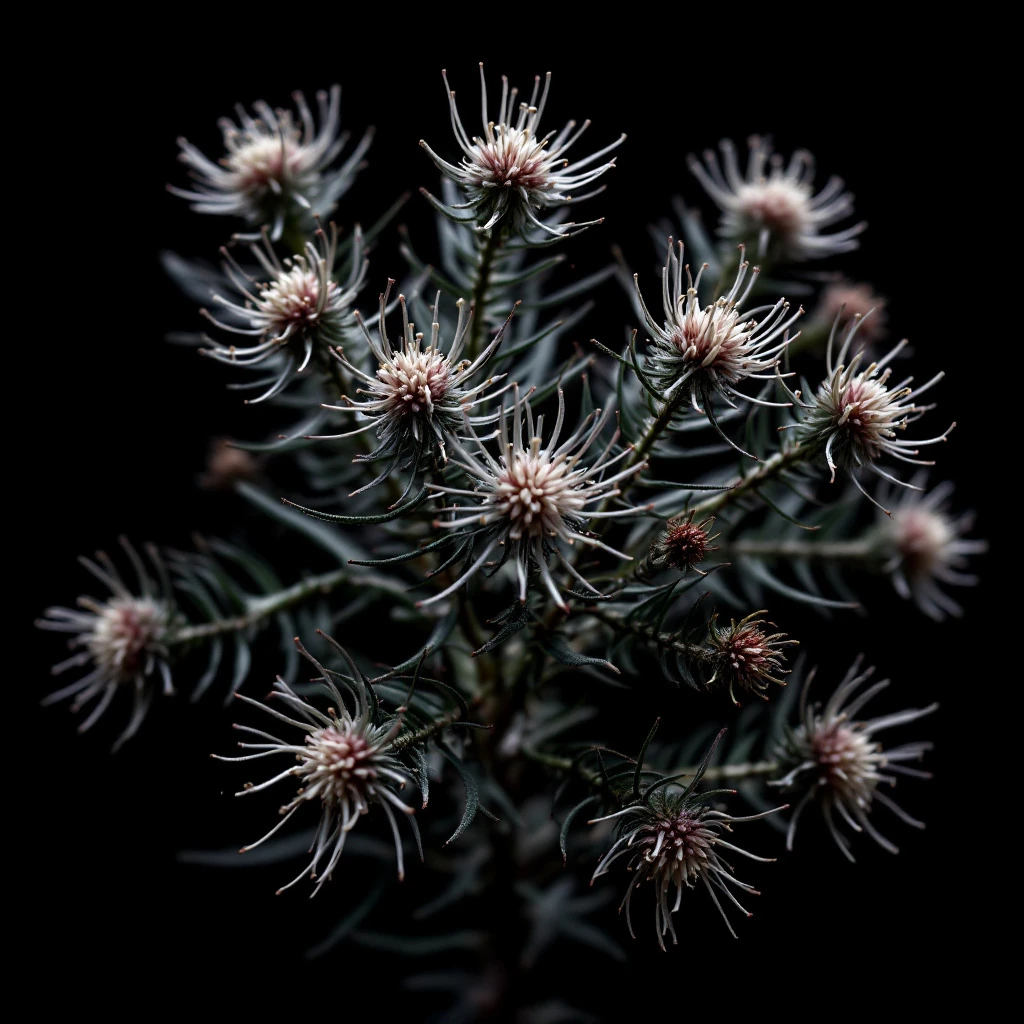
Tasmanian coastal aromatic with cinematic clarity
Though related to tea tree, kunzea produces a distinctly different oil profile that perfumers prize for its unique aromatic complexity.



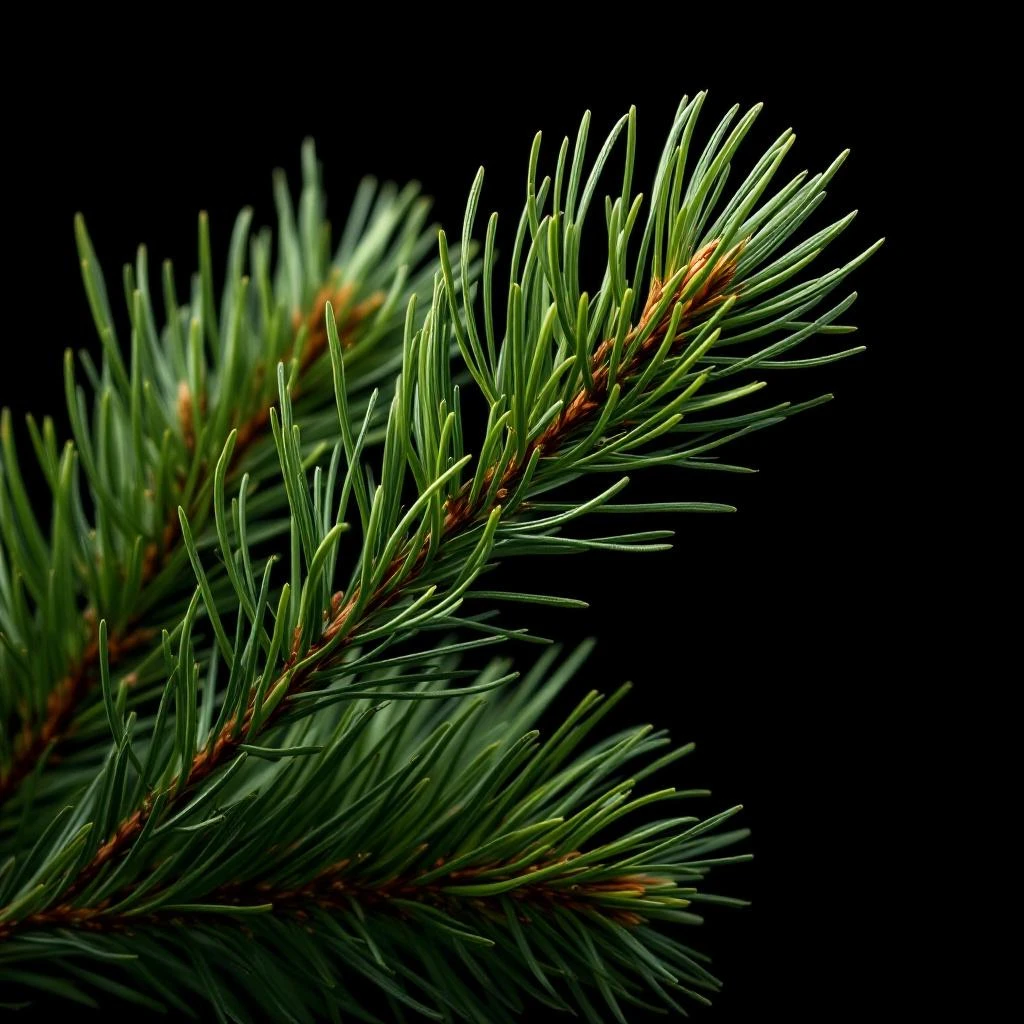



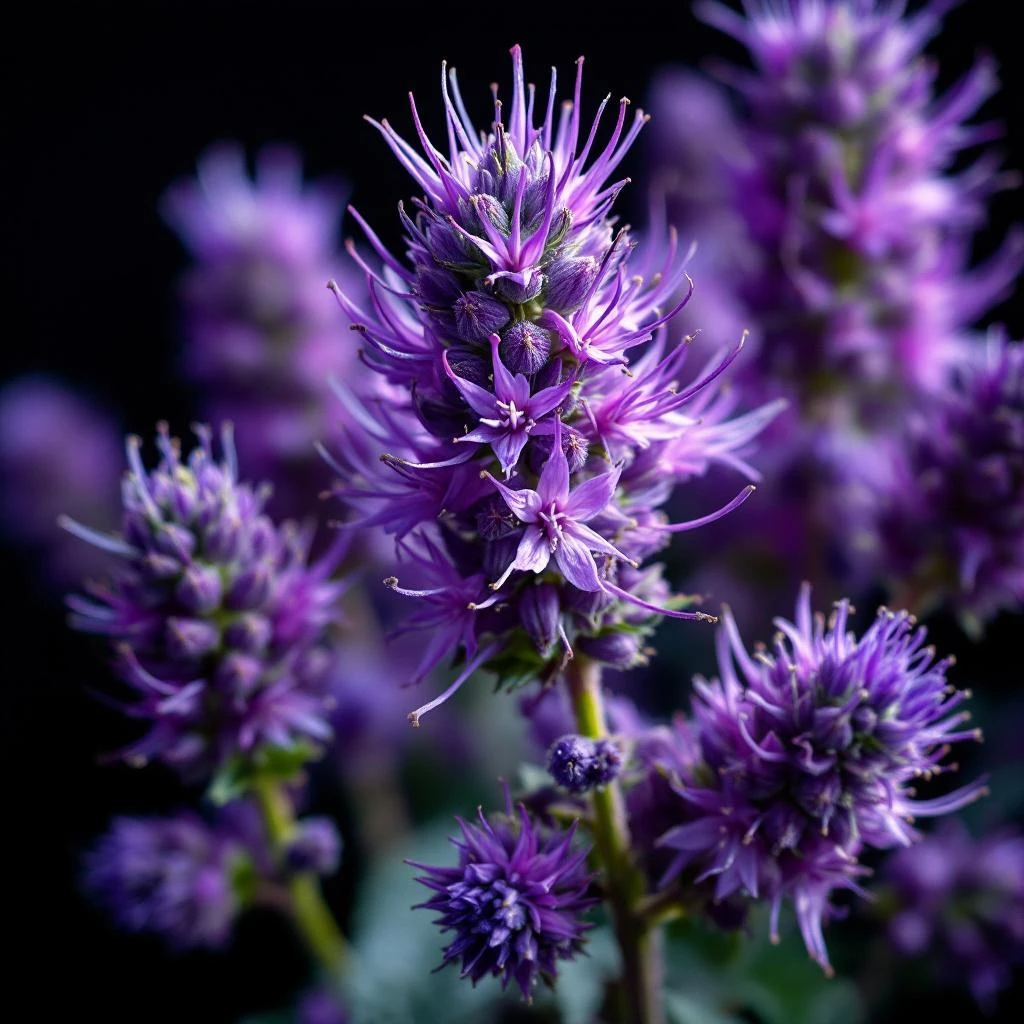
Origin
Australia
Long before commercial essential oil production, Indigenous Tasmanian communities incorporated kunzea into traditional healing practices, applying the leaves topically for various ailments. European settlers later recognized the plant's aromatic potential, though systematic commercial extraction remained limited until recent decades when agricultural science enabled more controlled cultivation and distillation. The Australian fragrance and pharmaceutical industries began investigating kunzea seriously in the late twentieth century, drawn by its complex aromatic profile that differed notably from related species.
Today, kunzea oil remains a niche but increasingly valued ingredient among perfumers seeking distinctive Australian botanicals. The shrub's scientific classification under botanist Druce reflects ongoing refinement of understanding this native species and its place within Australia's rich botanical heritage.
Wears it best
Fragrances featuring Kunzea Ambigua
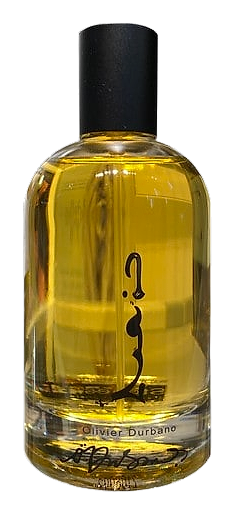
Brands
Brands known for Kunzea Ambigua
Good to know
Questions, answered
The essentials on Kunzea Ambigua in perfumery: how it smells, where it comes from, and how it behaves on skin.
What does Kunzea ambigua smell like?
Kunzea ambigua oil presents a sharp, balsamic aroma with prominent cineole character and subtle spicy undertones. The scent evokes the wild Tasmanian coastal heathlands where the plant grows.
How is Kunzea essential oil extracted?
Producers extract kunzea oil exclusively through steam distillation of the plant's terminal branches, leaves, and twigs. Research confirms that optimizing distillation time significantly impacts both yield and quality.
Where does Kunzea ambigua grow?
Kunzea ambigua is native to Tasmania and its surrounding islands, growing abundantly in coastal heathlands and eucalyptus forest margins across the island region.
What parts of the Kunzea plant are used in perfumery?
Perfumery applications use the aerial portions of the plant—specifically the terminal branches, leaves, and twigs—which contain the volatile aromatic compounds extracted during steam distillation.
How long has Kunzea been used traditionally?
Indigenous Tasmanian communities used kunzea topically in traditional healing practices for generations before commercial essential oil production began in recent decades.
Is Kunzea oil related to tea tree oil?
Kunzea belongs to the same botanical family as tea tree, yet produces a distinctly different essential oil profile that perfumers increasingly value for its unique aromatic complexity.
What affects Kunzea oil quality?
Studies show that distillation time, temperature, and pressure all significantly influence both oil yield and aromatic quality, making process optimization critical for producers.
Why is Kunzea ambigua significant in modern perfumery?
Kunzea oil offers perfumers a distinctive Australian botanical with a complex aromatic profile that provides differentiation in fragrance compositions seeking unique natural ingredients.