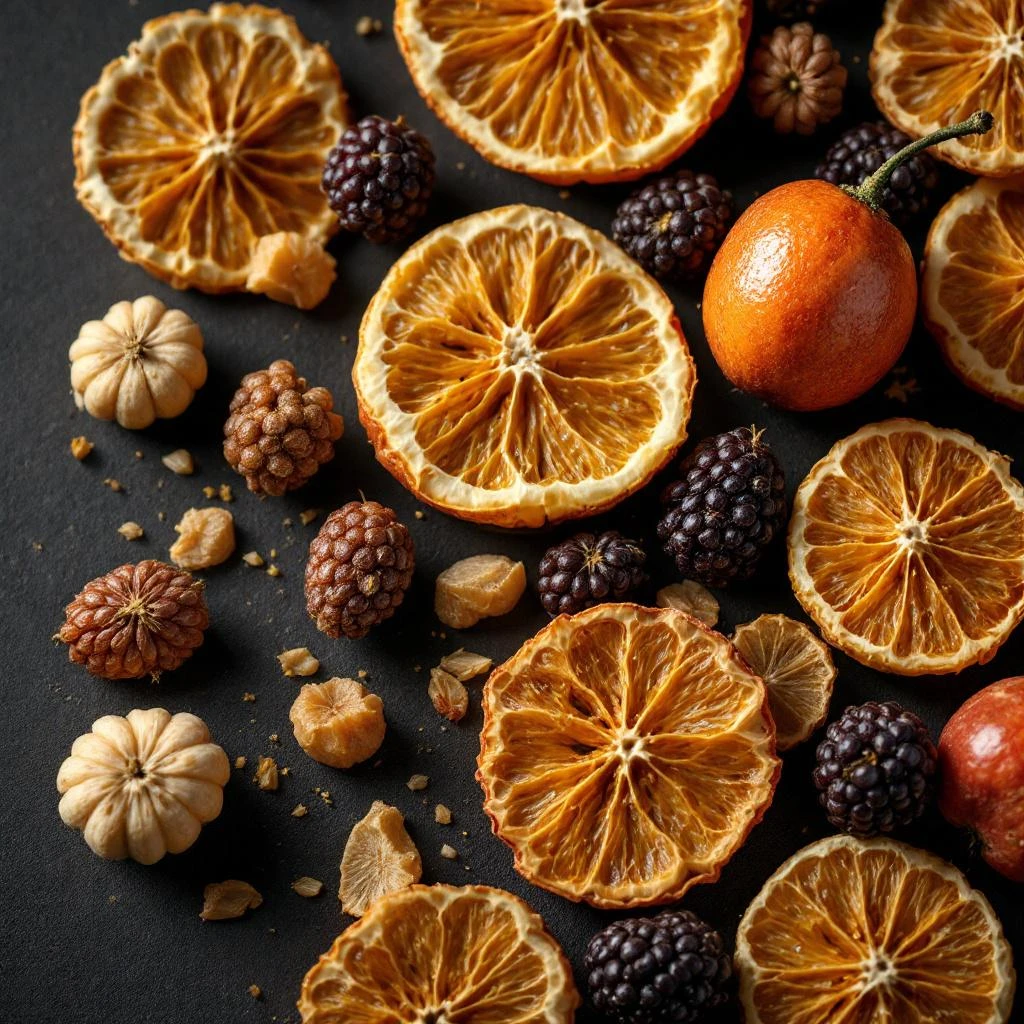
Koumalactone
Koumalactone is a lactone powerhouse prized for its creamy, coconut-vanilla warmth with a soft sandalwood undertone. It delivers the comforting sweetness of tonka and coumarin in a stable, modern molecular form.
Character
How it smells
Coconut warmth, bottled in a molecule
Despite its name suggesting natural origin, koumalactone is produced through modern synthetic and biocatalytic routes, reshaping how perfumers source creamy lactone accords.




Origin
France
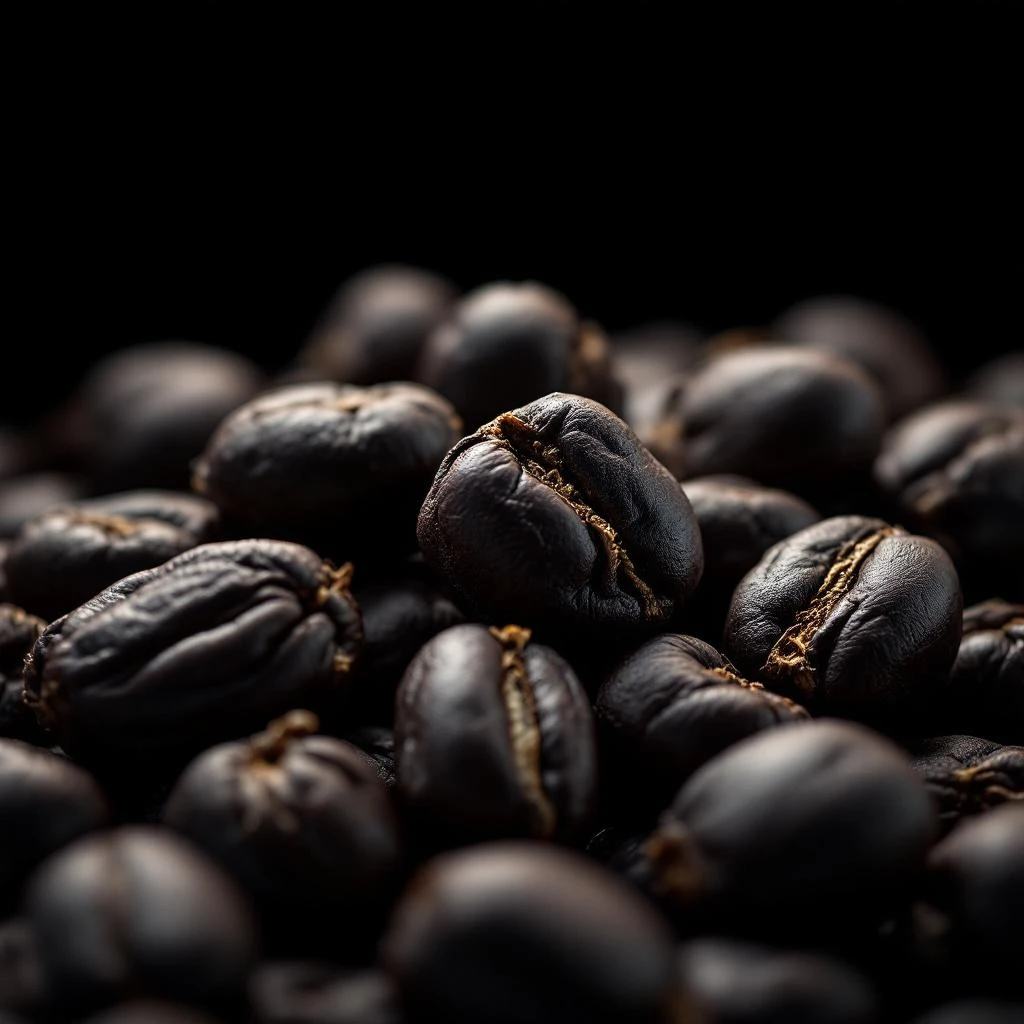
Lactones as a class have deep roots in fragrance history, tracing back to the coconut-scented gamma-decalactone and the peach-toned gamma-undecalactone used throughout 20th-century perfumery. Koumalactone itself emerged from research into new lactone structures capable of extending the creamy warmth traditionally associated with coumarin-rich materials like tonka beans.
Its development reflects a broader 20th and 21st century trend: the search for novel aroma molecules that could either replace restricted natural materials or open entirely new olfactory territory. Coumarin itself, first isolated from tonka beans in 1820 by A. Vogel, had been a cornerstone of fougère and oriental fragrances for nearly a century before regulatory restrictions prompted the search for alternative warm, sweet molecules.
Koumalactone entered the perfumer's palette as part of this ongoing exploration. Modern biocatalytic production methods have further blurred traditional distinctions between natural and synthetic aroma ingredients, giving formulators new tools to craft accords that feel both familiar and freshly modern.
Wears it best
Fragrances featuring Koumalactone
Brands
Brands known for Koumalactone
Good to know
Questions, answered
The essentials on Koumalactone in perfumery: how it smells, where it comes from, and how it behaves on skin.
What does koumalactone smell like?
Koumalactone carries a creamy, sweet character with prominent coconut and vanilla warmth layered over a soft sandalwood base. It reads richer and more lactonic than standard coumarin, with a velvety texture that gives compositions a comforting sweetness.
Is koumalactone natural or synthetic?
Koumalactone is produced through synthetic chemistry, though newer biocatalytic routes using enzymatic fermentation can yield versions classified as natural under certain regulations. Both methods produce the same molecule with identical olfactory properties.
How is koumalactone used in perfumery?
Perfumers use koumalactone in oriental, gourmand, and woody compositions where creamy sweetness is desired. It works well as a modifier to coumarin, adding lactonic depth to fougère structures, and pairs naturally with sandalwood, vanilla, and tonka accords.
What is the difference between koumalactone and coumarin?
Coumarin is a benzopyrone with a hay-like, almond sweetness first isolated from tonka beans in 1820. Koumalactone is a lactone with a creamier, coconut-leaning profile and no phenolic edge. Both contribute warmth, but koumalactone offers a softer, more gourmand character.
Why do perfumers choose koumalactone over natural lactones?
Koumalactone offers batch-to-batch consistency, regulatory clarity, and a clean olfactory profile that natural lactone sources cannot always guarantee. Synthetic production also allows stable supply independent of agricultural variables like weather and harvest yields.
Is koumalactone safe to use in fragrance?
Koumalactone is approved for use in cosmetic fragrances under IFRA guidelines, with specified concentration limits depending on product type. Compliance with current IFRA standards ensures safe use in leave-on and rinse-off applications.
What other ingredients pair well with koumalactone?
Koumalactone pairs well with sandalwood, vanilla, tonka, and iso E super for warm woody compositions. It also blends smoothly with white florals like tuberose and gardenia, adding creamy sweetness without overwhelming their delicate character.
Can koumalactone replace tonka or coumarin in a formula?
Koumalactone can substitute for some of coumarin's warmth and tonka's creamy sweetness, though it lacks the tobacco-raisin facets those materials provide. Formulators often combine it with small amounts of coumarin to capture both lactonic and benzopyrone richness.