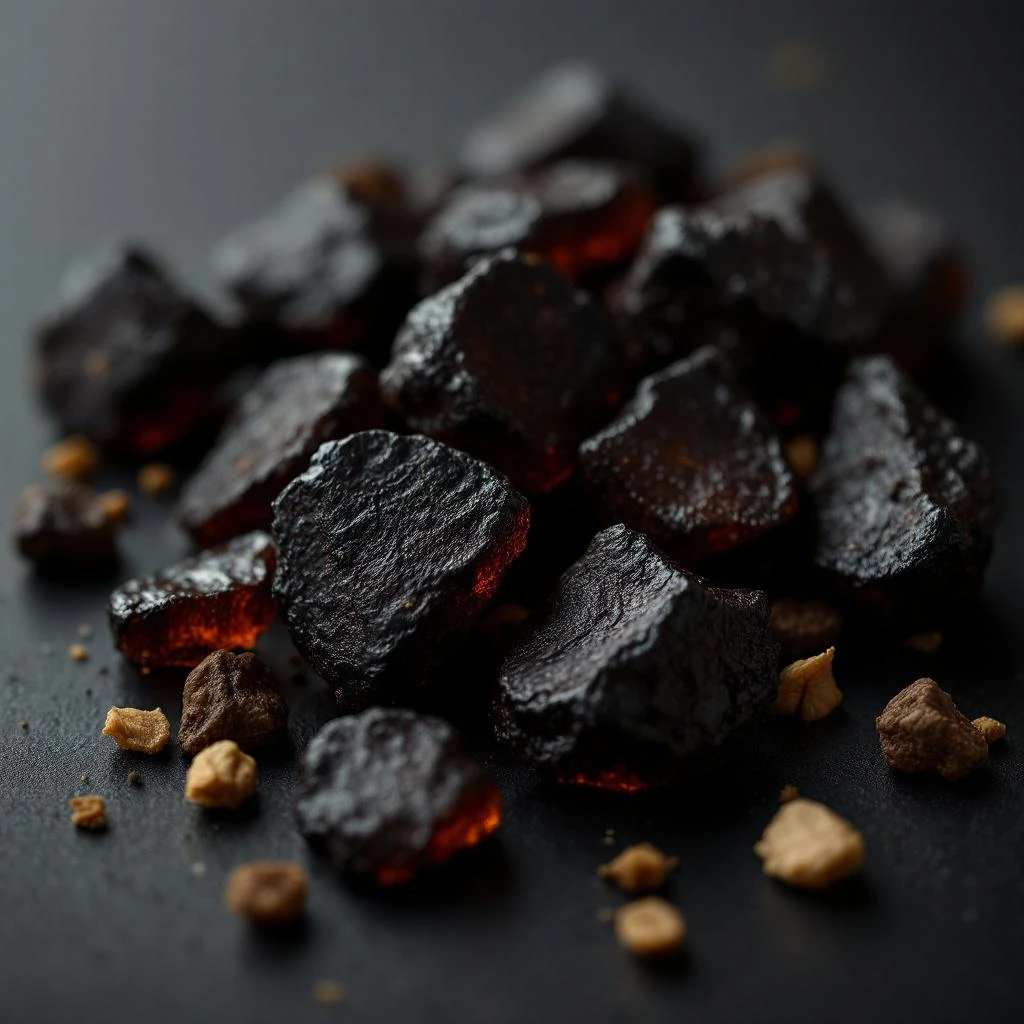
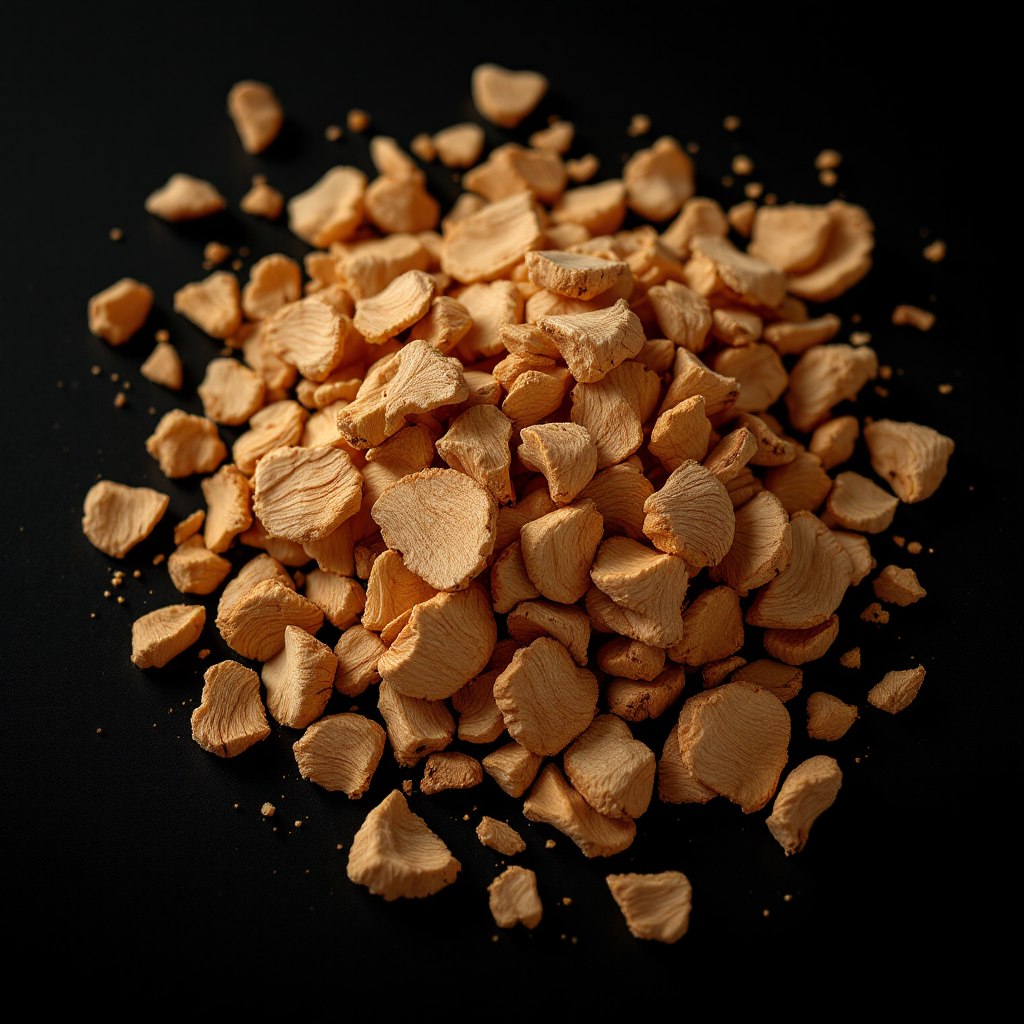
Korean Pine Tree
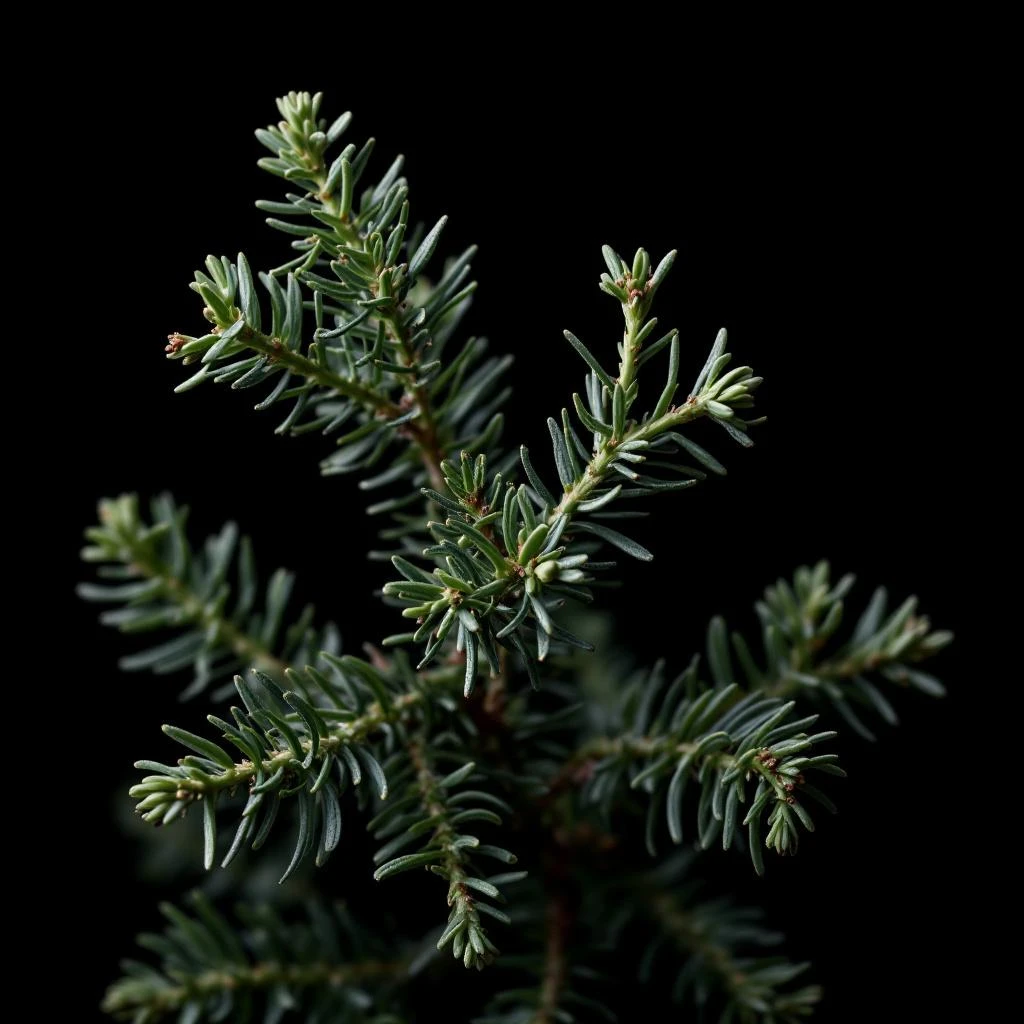
Korean Pine Tree (Pinus koraiensis) delivers a crisp, forest-floor aroma with rich resinous depth. Native to the Korean Peninsula, its essential oil captures the bracing freshness of mountain air and ancient woodland, offering a cleaner, more nuanced conifer profile than its European cousins.
Character
How it smells
The mountain's breath captured in oil.
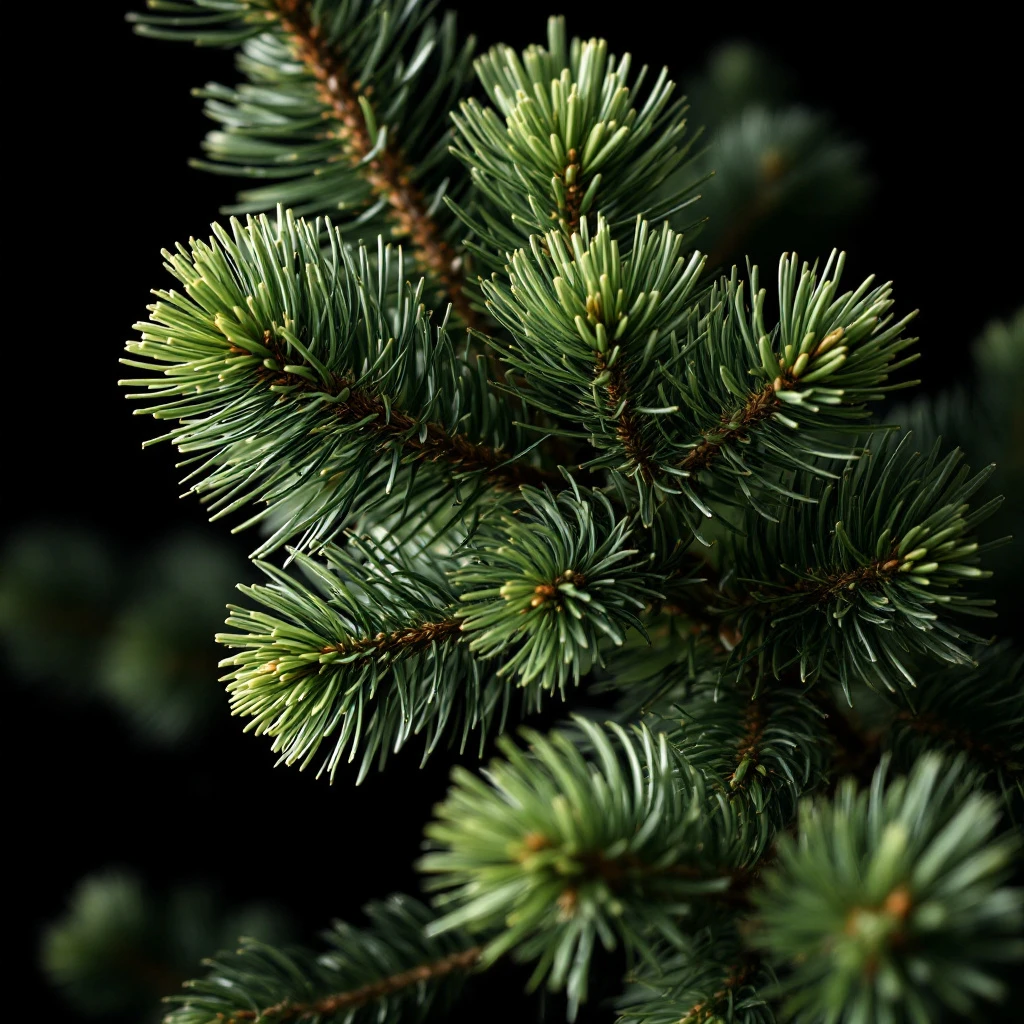
Korean Pine trees can exceed 1,000 years in age and grow beyond 50 meters tall, their resinous needles producing oil with exceptionally long-lasting aromatic compounds.





Origin
South Korea
Korean Pine has held ceremonial and medicinal significance across East Asia for millennia. Ancient Korean and Chinese texts reference pine needle preparations used in traditional healing practices, valued for their purported antimicrobial and respiratory benefits. The tree's resin featured in Buddhist rituals across Korea, China, and Japan, where its smoke was believed to purify sacred spaces.
In ancient Greece, physicians including Hippocrates documented pine's medicinal applications, while Egyptian embalmers incorporated pine resin into mummification protocols. Korean Pine specifically entered perfumery consciousness during the early twentieth century as Western fragrance houses expanded their exploration of East Asian botanicals. The species gained recognition for its refined conifer profile, particularly its elevated limonene content, which produced a softer, more nuanced scent than European pine varieties.
Today, Korean Pine remains woven into Korean cultural identity, appearing in seasonal festivals celebrating mountain forests and the enduring qualities they represent. In perfumery, it has carved a niche among premium conifer materials, prized by perfumers seeking complexity beyond standard pine offerings.
Wears it best
Fragrances featuring Korean Pine Tree

Brands
Brands known for Korean Pine Tree
Good to know
Questions, answered
The essentials on Korean Pine Tree in perfumery: how it smells, where it comes from, and how it behaves on skin.
What does Korean Pine Tree smell like?
Korean Pine oil smells fresh, resinous, and woody with balsamic undertones. Its higher limonene content creates a cleaner, more citrus-tinged pine note compared to sharper European pine varieties.
How is Korean Pine oil extracted for perfumery?
Steam distillation of fresh needles and young twigs produces the essential oil. The process requires immediate processing after harvest to preserve volatile monoterpenes and achieve optimal aromatic quality.
What makes Korean Pine different from other pine species in perfumery?
Korean Pine (Pinus koraiensis) differs from common species like Scots Pine through its elevated limonene content, delivering a smoother, more refined conifer profile sought after in premium masculine and fougere fragrances.
Why is Korean Pine oil more expensive than standard pine oils?
Sourcing requires specific high-altitude Korean forests, and harvesting needles and twigs demands careful labor to maintain tree health. The specialized origin and limited production scale drive premium pricing.
Does Korean Pine oil work as a fixative?
Yes, pine pitch and resin have fixative properties that slow fragrance evaporation. Korean Pine oil contributes moderate tenacity while adding fresh, green top notes to compositions.
What part of the Korean Pine tree is used in perfumery?
Perfumery extracts primarily use the needles and young twigs. Needles offer the freshest, greenest aromatic profile, while twigs contribute additional resinous depth.
Where does Korean Pine naturally grow?
Pinus koraiensis thrives across Korea, northeastern China, Japan, and Russia's Far East. Cool, humid mountain climates between 500 and 1,900 meters elevation produce the highest-quality aromatic material.
What fragrances typically feature Korean Pine?
High-end masculine fragrances,chypre compositions, and forest-themed perfumes commonly feature Korean Pine oil. Its refined profile suits Woody, Aromatic, and Fougere fragrance families.