The Story
Why it exists.
The beginning
HANOK takes its name from the traditional Korean house, a structure built to belong to its landscape rather than dominate it. The architecture is all about harmony: steep roofs that shed monsoon rain, wide eaves that catch mountain breeze, walls that breathe. Perfumer Linda Song had a similar ambition for the scent. Not a perfume that announces itself. One that settles into a space and makes everything around it feel more considered. The brief was rooted in something specific: the smell of a hanok at different hours. Morning light through paper screens. Afternoon shade under cedar beams. Evening air after the incense has burned down. That range, fresh then contemplative, green then warm, became the structural logic of the composition itself.
What sets HANOK apart is the paper note. Hanji, the traditional Korean paper made from mulberry bark, has a particular quality, durable, fibrous, slightly sweet. It doesn't show up in Western perfumery often, and when it does, it's usually a metaphor for something else. Here it's literal. The base notes recreate that fibrous warmth, the slight lift of aged paper in a quiet room. Combined with smoked wood and frankincense, it creates a drydown that feels grounded without being heavy, the scent equivalent of sitting on a wooden floor with the windows open. The floral heart is where the composition softens its own architecture. Magnolia, freesia, mimosa, none of these are Korean botanicals in the strict sense.
The evolution
The opening arrives fast and alert. Korean pine dominates, sharp, conifer-forward, almost medicinal in its clarity. Juniper and bergamot build structure around it. Ivy adds a green bitterness that keeps everything honest. For the first twenty minutes, this is a fragrance that doesn't apologize for being alive. The hand-off happens gradually. Magnolia surfaces first, buttery and slow, followed by freesia's cool sweetness and mimosa's powdery lift. The pine doesn't disappear, it recedes, becoming a backdrop rather than a foreground. The heart reads as restrained, even delicate. If the opening was a forest after rain, the heart is a garden at dawn. The base is where HANOK earns its contemplative reputation. Cedarwood and smoked wood merge into something resinous and meditative. The paper note, hanji, emerges as the most distinctive element: fibrous, warm, slightly sweet. Frankincense provides the spiritual register, the echo of a room where incense burned an hour ago. This phase lasts four to six hours on most skin. On fabric, longer.
Cultural impact
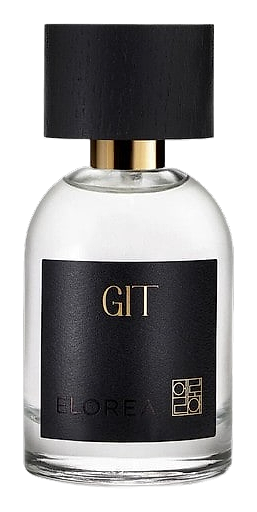
HANOK arrived in 2024 as part of ELOREA's Timeless Legacy Collection, and it found an audience among fragrance wearers drawn to Korean botanical specificity, pine and magnolia over the more conventional Western cedar-oud template. The paper note (hanji) gave it a distinctive tactile quality that generated conversation in fragrance communities. The response has been notably polarized in the best way: people either connect with its contemplative restraint or find it too quiet for their taste. Either reaction suggests the fragrance is doing something specific rather than safe.