




Heritage
A house, in its own words
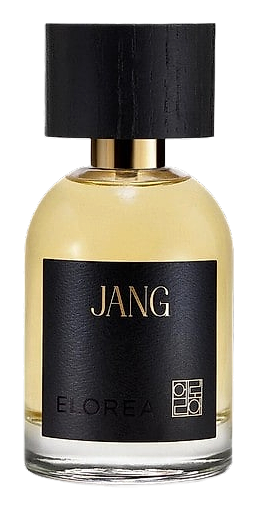
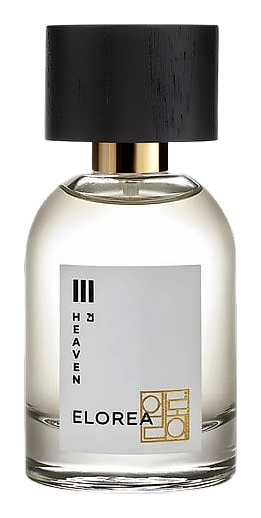
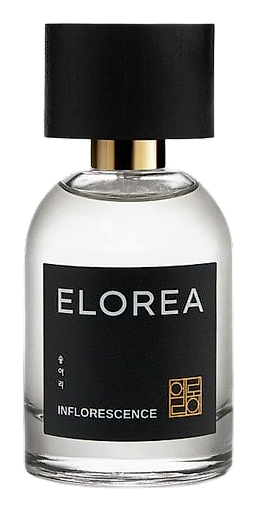
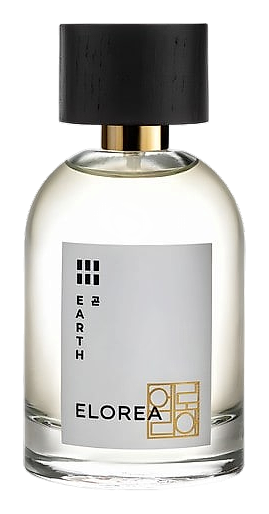
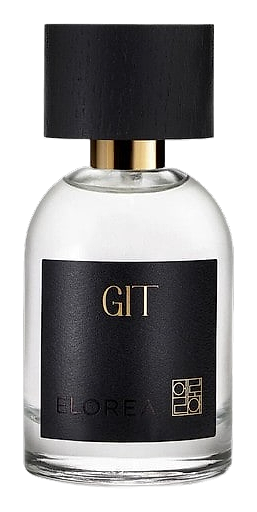
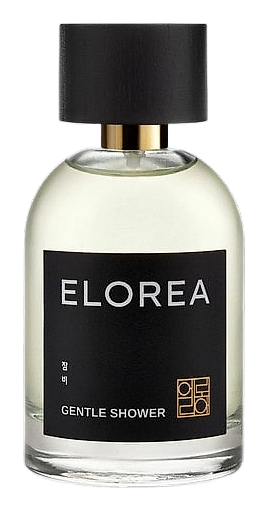
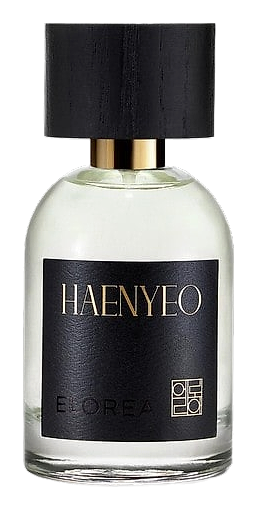
The story begins on a return trip to South Korea. Wonny Lee and Su Min Park, a husband-and-wife duo based in New York, found themselves struck by something peculiar: in a country rich with botanical diversity and centuries of incense culture, there were no prominent Korean voices in the international fragrance conversation. The perfumery landscape was dominated by French and Italian houses, while Korea's own aromatic heritage remained largely untold. The couple set out to change that. They launched ELOREA in January 2022, choosing New York as their base to give the brand a platform with global reach. From the start, they built around the conviction that Korean ingredients and Korean memory deserved representation on the world stage. The name itself carries intention: ELOREA weaves together "eloquence" with the Korean word for flower, a small declaration that this voice would be distinct. Flagship locations opened in New York and Los Angeles, and the brand entered Saks.com, signaling ambitions beyond niche specialist retailers. With sixteen fragrances spanning elements, rituals, and landscapes, ELOREA has grown from a two-person conviction into a coherent olfactory universe that continues to expand. ELOREA operates from a single provocation: the global fragrance industry talks about Korean beauty constantly, yet almost no one was making perfume that actually smelled like Korea. The house defines its mission as translation rather than invention, taking ingredients, memories, and sensory traditions native to the peninsula and rendering them into contemporary compositions. The Elements collection takes the classical Korean cosmological framework of water, earth, fire, and heaven as its organizing principle. Other fragrances capture specific cultural touchstones: the fermented earthiness of jang, the mineral-sea salinity of haenyeo divers, the warm woodsmoke of a hanok traditional house. The brand's scent finder quiz, a light-touch digital experience, asks customers about their environment and preferences rather than asking them to decode perfumer's vocabulary. The philosophy is democratic without being reductive. ELOREA wants Korean scent culture to be accessible, to find people rather than requiring them to find it.