Key Lime Zest
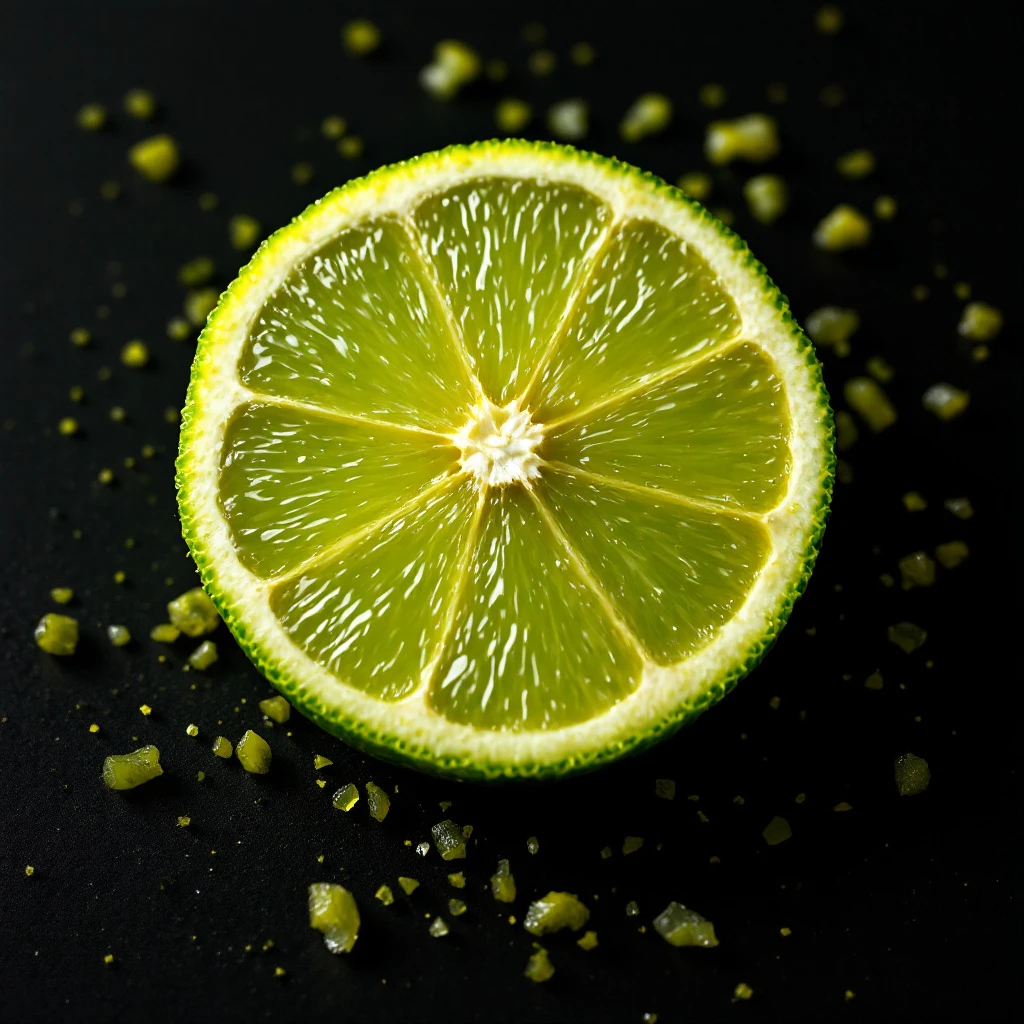
Key Lime Zest delivers a sharper, more floral citrus bite than its Persian cousin. The peel oil carries an intensely green, almost electric brightness that cuts through compositions like sunlight through leaves.
Character
How it smells
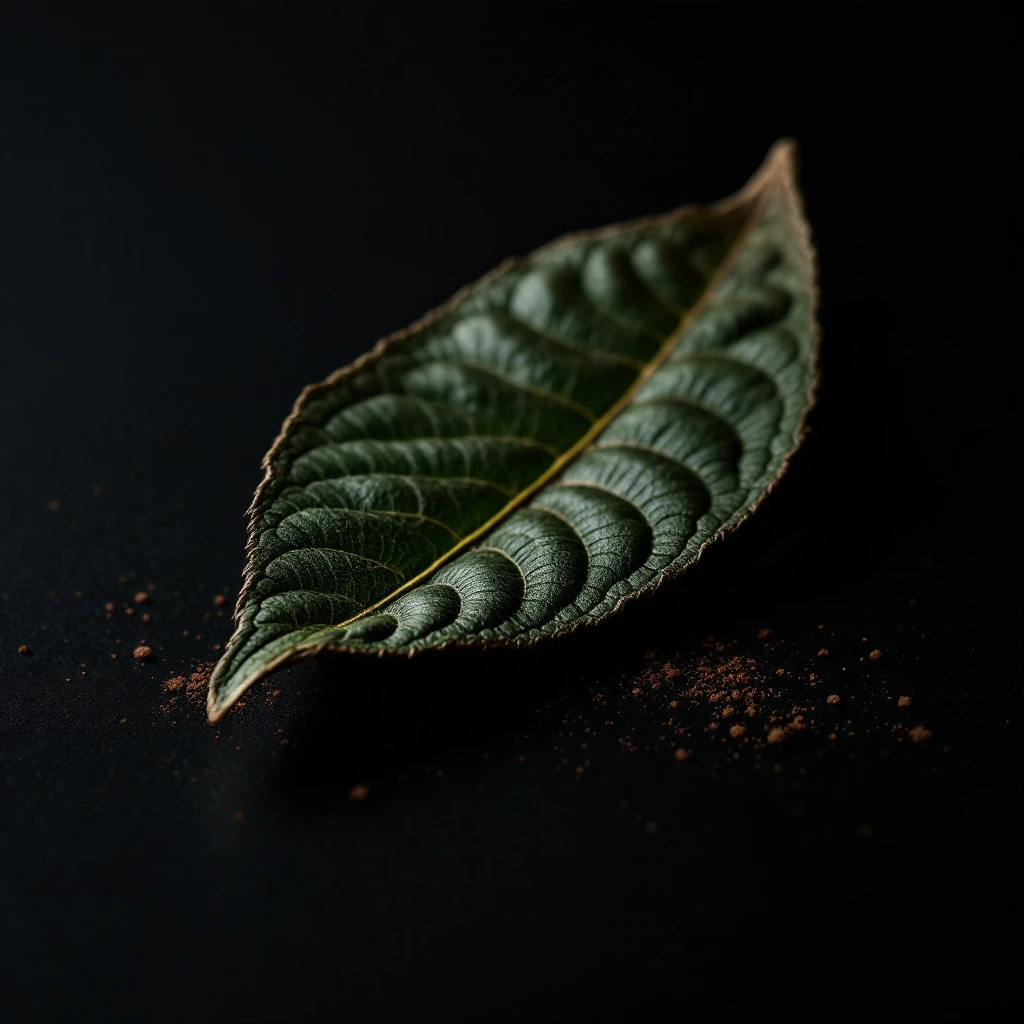
Sharp, green, and unmistakably electric.
Key limes (Citrus aurantiifolia) likely arrived in the Florida Keys via Spanish traders in the 1500s, making them one of the oldest cultivated citrus varieties in the Americas.



Origin
Mexico
The Key lime, also called the Mexican or West Indian lime, traces its botanical roots to the Indo-Malayan region before spreading through the Middle East and North Africa. Spanish and Portuguese traders carried it westward during the Age of Exploration, and by the early 1500s it was established throughout the Caribbean and parts of Central America. Florida's connection began when Spanish settlers planted groves in the Florida Keys during the 16th century, where the humid subtropical climate suited the fruit perfectly.
By the late 1800s, Key West had become a major shipping center, exporting limes to buyers across the eastern United States. A devastating hurricane in 1926 destroyed much of the industry, and commercial production gradually shifted southward. Today, Mexico leads global production, with the Florida Keys maintaining a small but celebrated niche for fresh fruit.
In perfumery, Key lime peel oil has appeared in colognes and eau de toilettes since the early 20th century, valued for its sharper, more aromatic character compared to the milder Persian lime, which dominates most commercial lime oils.
Wears it best
Fragrances featuring Key Lime Zest
Brands
Brands known for Key Lime Zest
Good to know
Questions, answered
The essentials on Key Lime Zest in perfumery: how it smells, where it comes from, and how it behaves on skin.
What does Key Lime Zest smell like?
Key lime zest smells sharper and more floral than Persian lime, with a green, electric brightness. Its higher citronellal content (around 5%) gives it a distinctive aromatic edge that perfumers prize over the milder commercial variety.
Is Key Lime Zest the same as regular lime in perfumery?
Most commercial 'lime' oils come from Persian (Tahitian) limes, not Key limes. Key lime peel oil contains more citronellal and less citral, producing a more floral, less candy-sweet aroma than its larger relative.
How is Key Lime Zest oil extracted?
Producers extract Key lime oil by cold-pressing the peel, mechanically rupturing the oil sacs and centrifuging the released liquid. The oil is often processed quickly to prevent oxidation, which degrades its characteristic green sharpness.
Where do Key Limes come from?
Key limes originated in Southeast Asia and spread through the Middle East before Spanish traders carried them to the Americas around 1500. Mexico, Peru, and Haiti now lead commercial production, while Florida maintains a small heritage crop.
Is Key Lime Zest safe for skin?
Key lime peel oil is phototoxic due to furocoumarins, meaning it can cause skin sensitivity under UV exposure. IFRA recommends limiting concentration in leave-on products, and perfumers often use distilled or rectified versions to reduce this risk.
What is the main chemical component of Key Lime Zest?
Limonene dominates the volatile profile at roughly 50-60%, followed by gamma-terpinene and beta-pinene. Citronellal, present at higher levels than in Persian lime, gives Key lime its signature floral lift.
Why is Key Lime Zest less common in perfumery?
Key lime peel oil is more expensive and less stable than Persian lime oil, oxidizing rapidly after pressing. Smaller fruit size and lower per-fruit oil yield also limit commercial availability, making it a specialty ingredient.
Does Key Lime Zest pair well with other fragrance notes?
Yes, Key Lime Zest pairs exceptionally well with bergamot, lemon, and petitgrain in classic cologne structures. Its sharp green character also complements basil, mint, and sea salt accords in modern aquatic compositions.