Kewda Attar
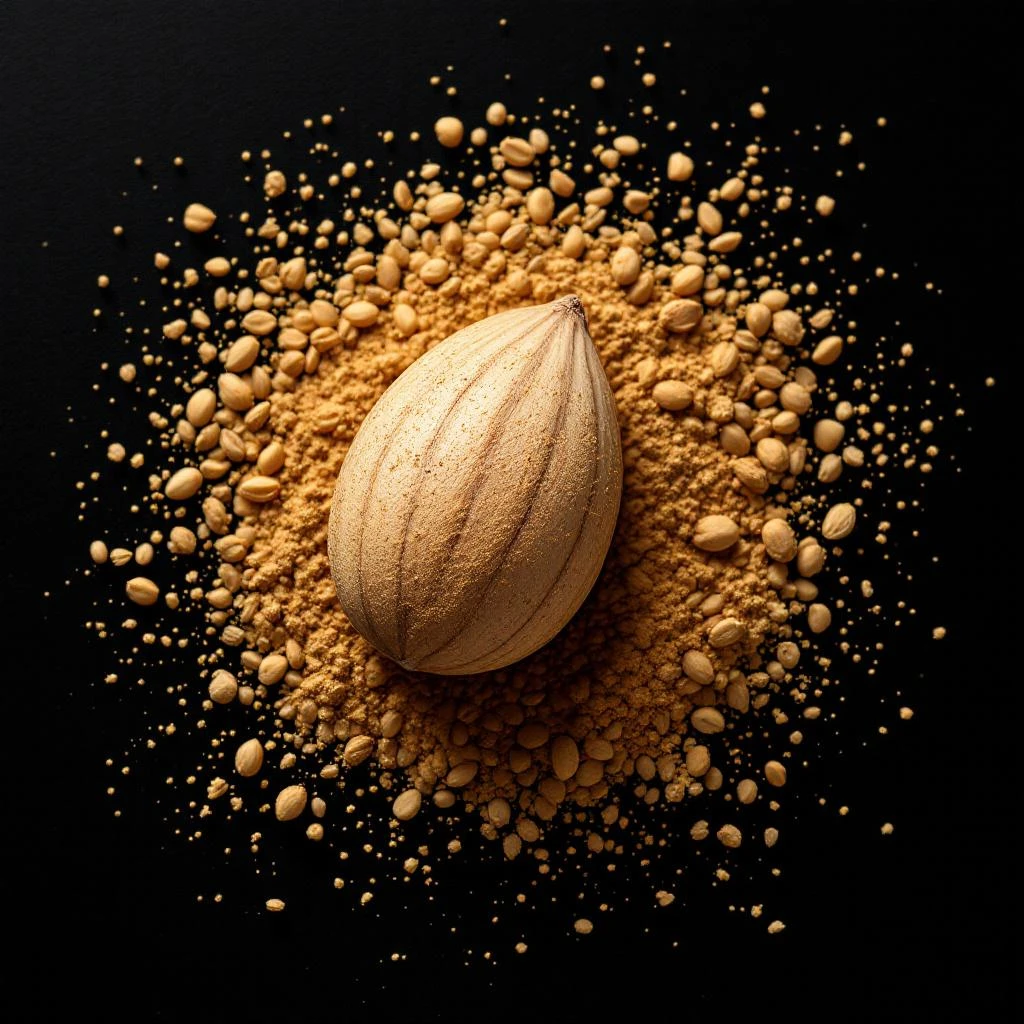
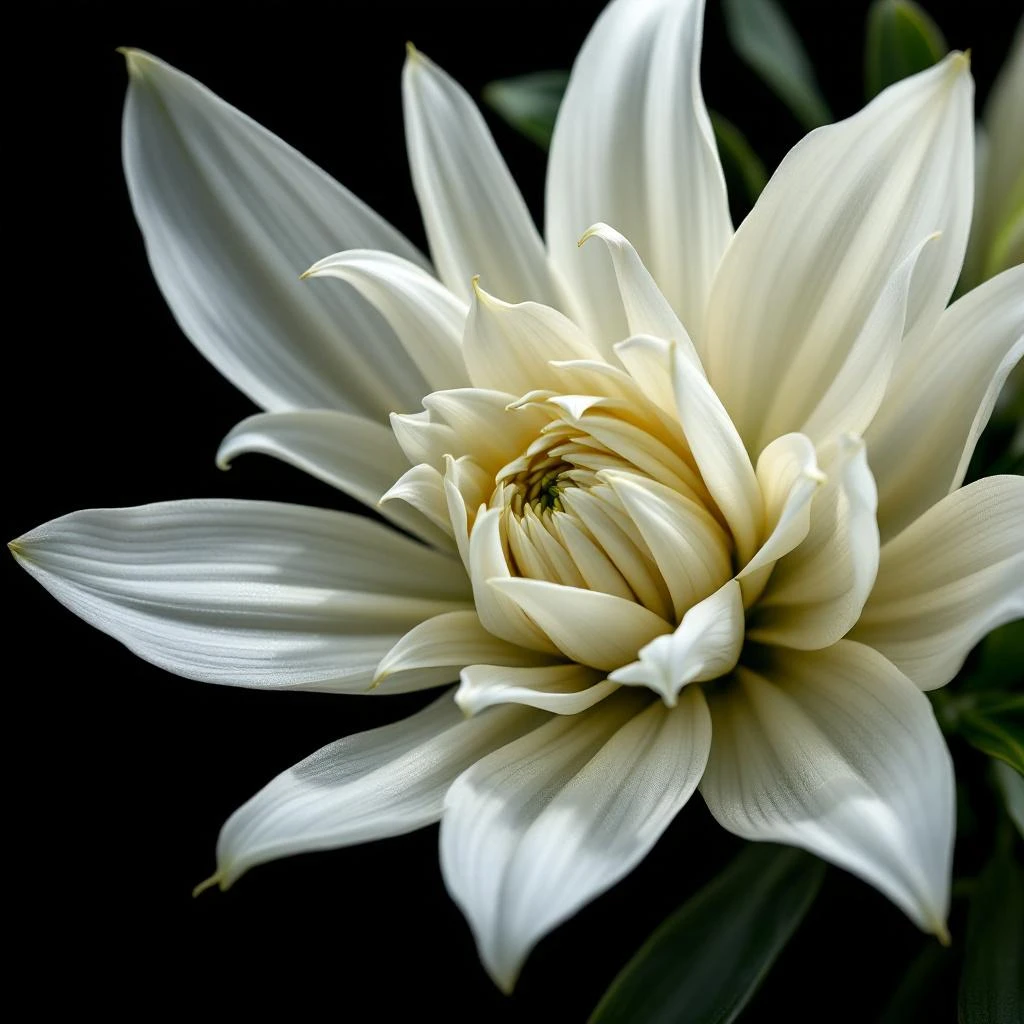
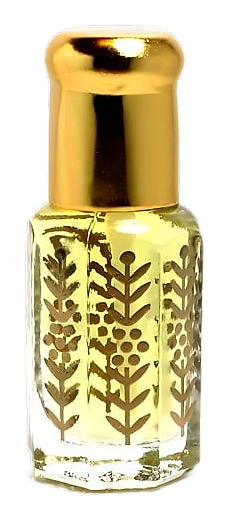
Kewda attar captures the intoxicating, floral sweetness of Pandanus blossoms through centuries-old hydrodistillation. Harvested at dawn from male plants in India's perfumery heartland, this golden oil carries a lush, tropical character prized by master perfumers.
Character
How it smells
The golden nectar of Indian Kewda blossoms.
One kilogram of Kewda attar requires roughly 2 million hand-harvested blossoms picked before sunrise.


Origin
India
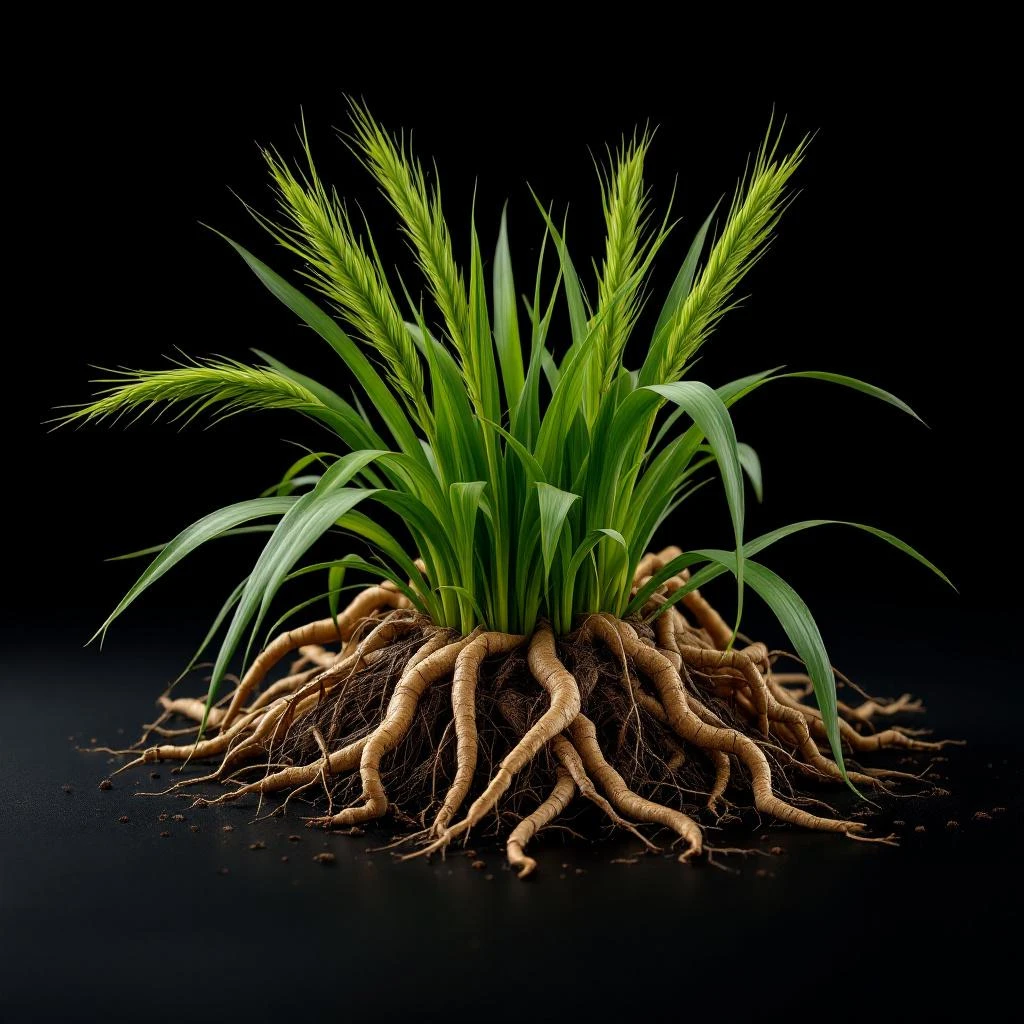
Kewda blossoms have grown wild along India's Gangetic plains for thousands of years, though production of the attar emerged as a distinct craft centered in the region of Kannauj. Historical records trace perfumery in this area to the second century BC, with attar-making gaining particular momentum during the Mughal period when royal courts elevated floral extracts to symbols of prestige.
The word itself carries Sanskrit roots, reflecting deep roots in Indian culture. Mughal emperors appreciated Kewda's radiant, sweet character and incorporated it into their personal fragrances and culinary traditions.
Traditional perfumers developed specialized knowledge of identifying male Pandanus plants and timing harvests precisely, skills that remain family secrets today. This heritage persists in modern India, where a new generation of perfumers trained in Kannauj's artisan tradition continues the craft, sourcing Kewda attar for contemporary fine fragrances while honoring methods perfected centuries ago.
Wears it best
Fragrances featuring Kewda Attar
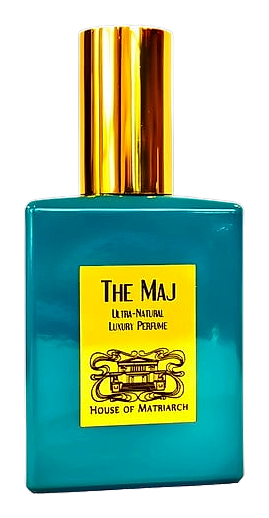
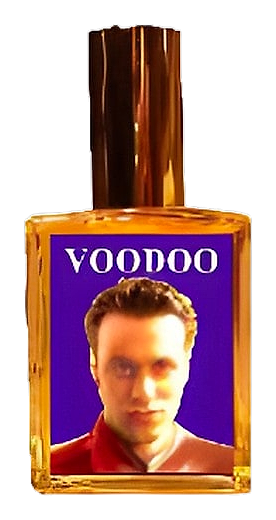
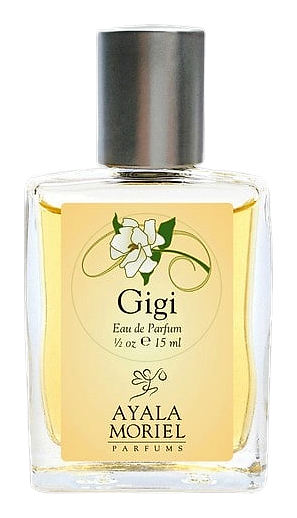
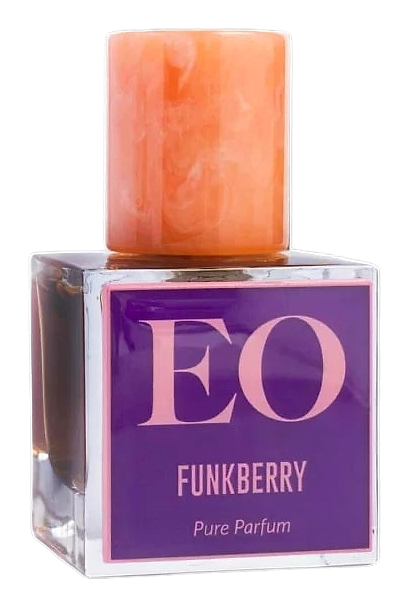
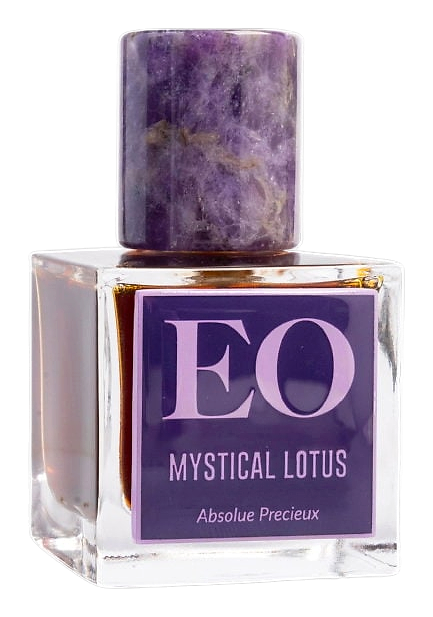
Brands
Brands known for Kewda Attar
Good to know
Questions, answered
The essentials on Kewda Attar in perfumery: how it smells, where it comes from, and how it behaves on skin.
What is Kewda attar made from?
Kewda attar derives from the blossoms of the male Pandanus odoratissimus plant. Male flowers produce significantly stronger fragrance than female plants, making them the exclusive source for attar production.
How is Kewda attar extracted?
Artisans use hydrodistillation in copper alembics, submerging freshly picked flowers in water and heating gently to release aromatic compounds over 12-24 hours.
Where does Kewda attar originate?
Primary production occurs in Uttar Pradesh, India, with Kannauj serving as the historic center. The Gangetic plains provide ideal conditions for cultivating Pandanus plants.
When is Kewda harvested?
Flowers bloom during the monsoon season, typically July through September. Harvesters work before sunrise to collect blossoms when volatile compounds peak.
What does Kewda attar smell like?
The scent is intensely floral with sweet, tropical undertones and a creamy, slightly green character. It carries exceptional sillage for a natural material.
What is kewra water?
Kewra water is the hydrosol collected during Kewda distillation. This fragrant water appears throughout Mughal cuisine, perfuming sweets and savory dishes alike.
How should Kewda attar be stored?
Store in a cool, dark place in tightly sealed glass vials. Like most natural attars, it oxidizes slowly and maintains quality for years when properly protected from heat and light.
Is Kewda attar used in modern perfumery?
Contemporary perfumers incorporate Kewda attar into luxury fragrances as a natural floral component. Its radiant character works well in warm-weather compositions and oriental-style blends.