Cadam Attar
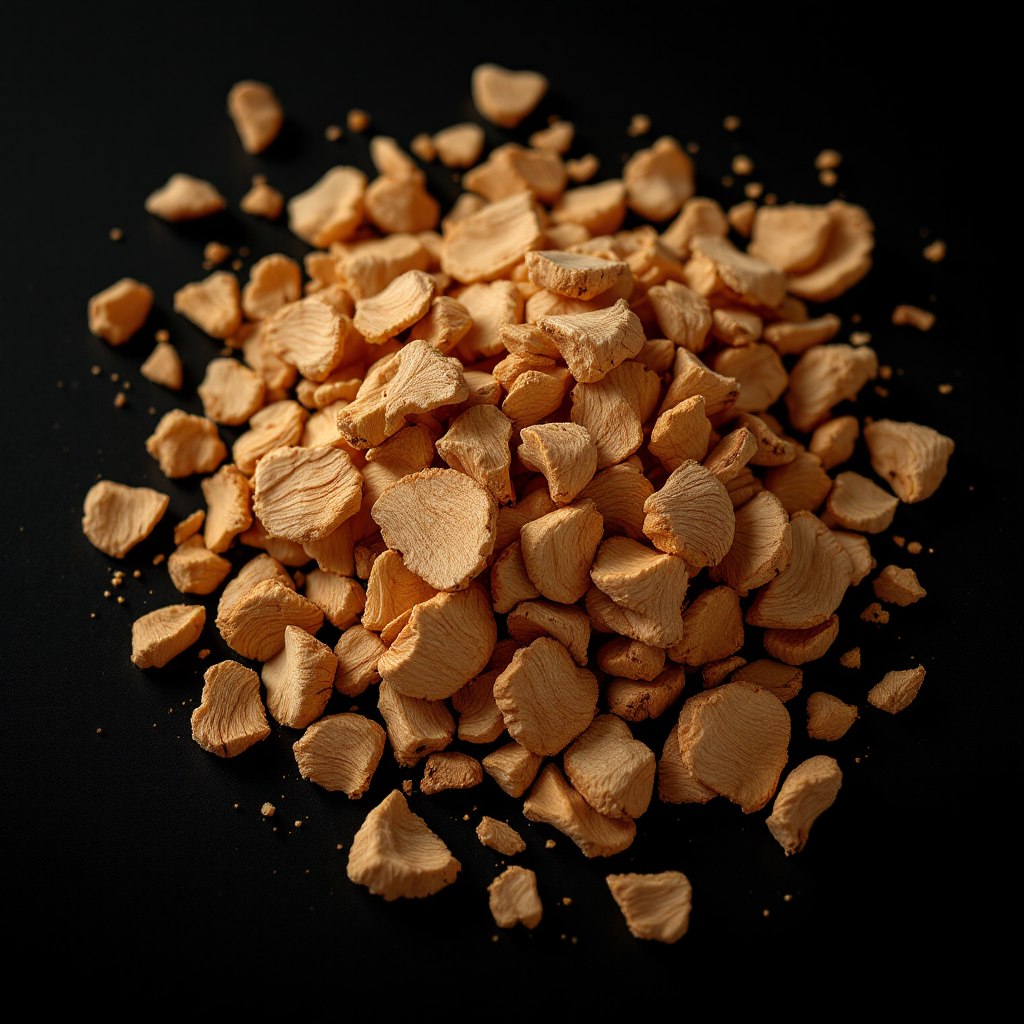
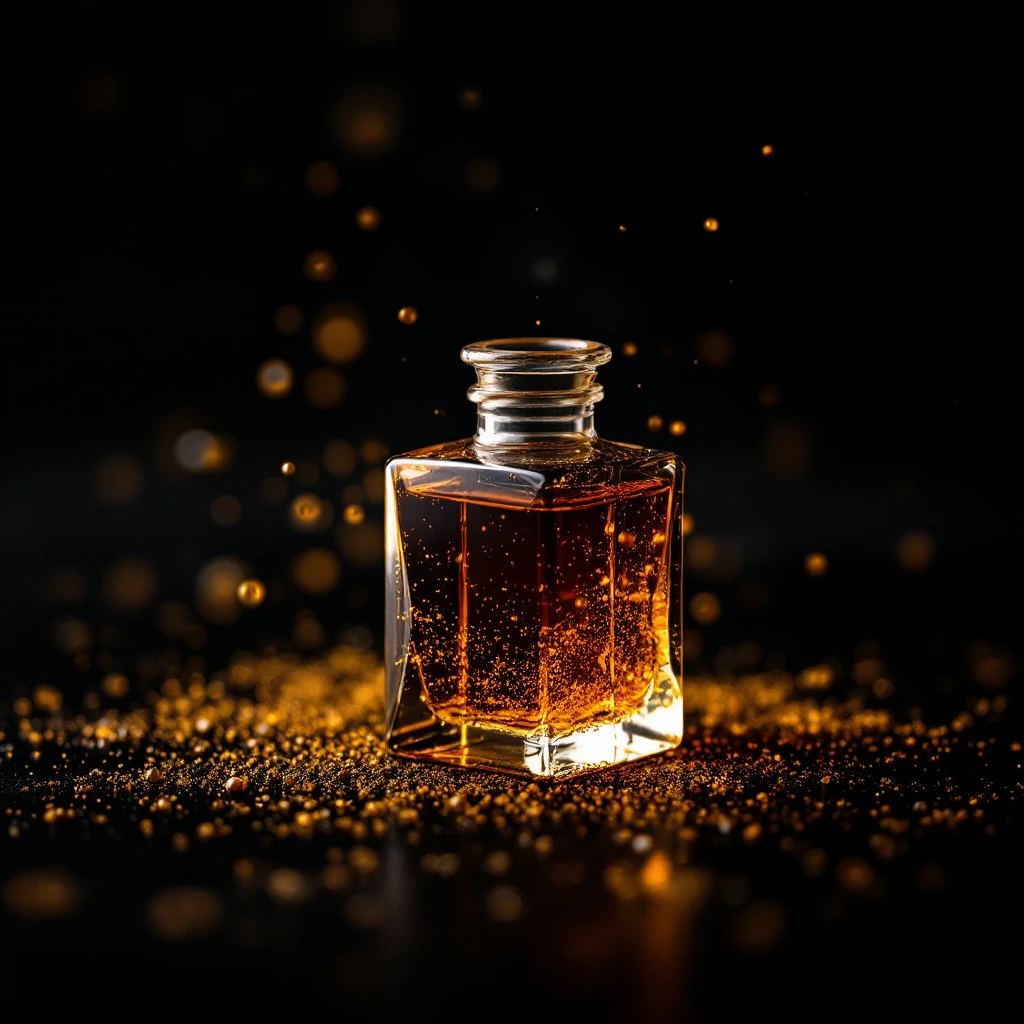
A rare attar distilled from Kadam blossoms, prized in Indian perfumery for its honeyed floral warmth and subtle earthy depth. This centuries-old oil brings a rare botanical richness to compositions.

Character
How it smells
Ancient Indian floral attar with honeyed warmth
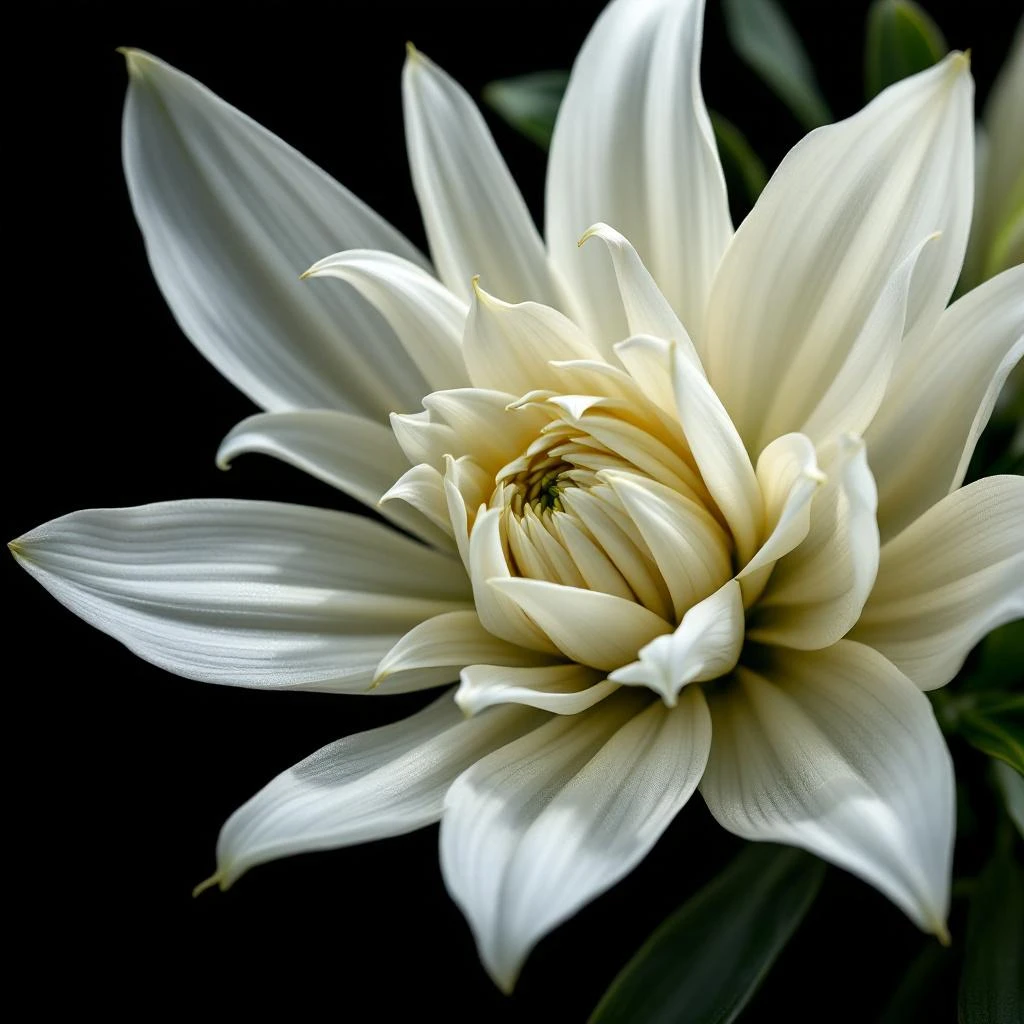
Kadam flowers bloom in spherical golden clusters and have been offerings in Hindu temples for over two millennia.



Origin
India
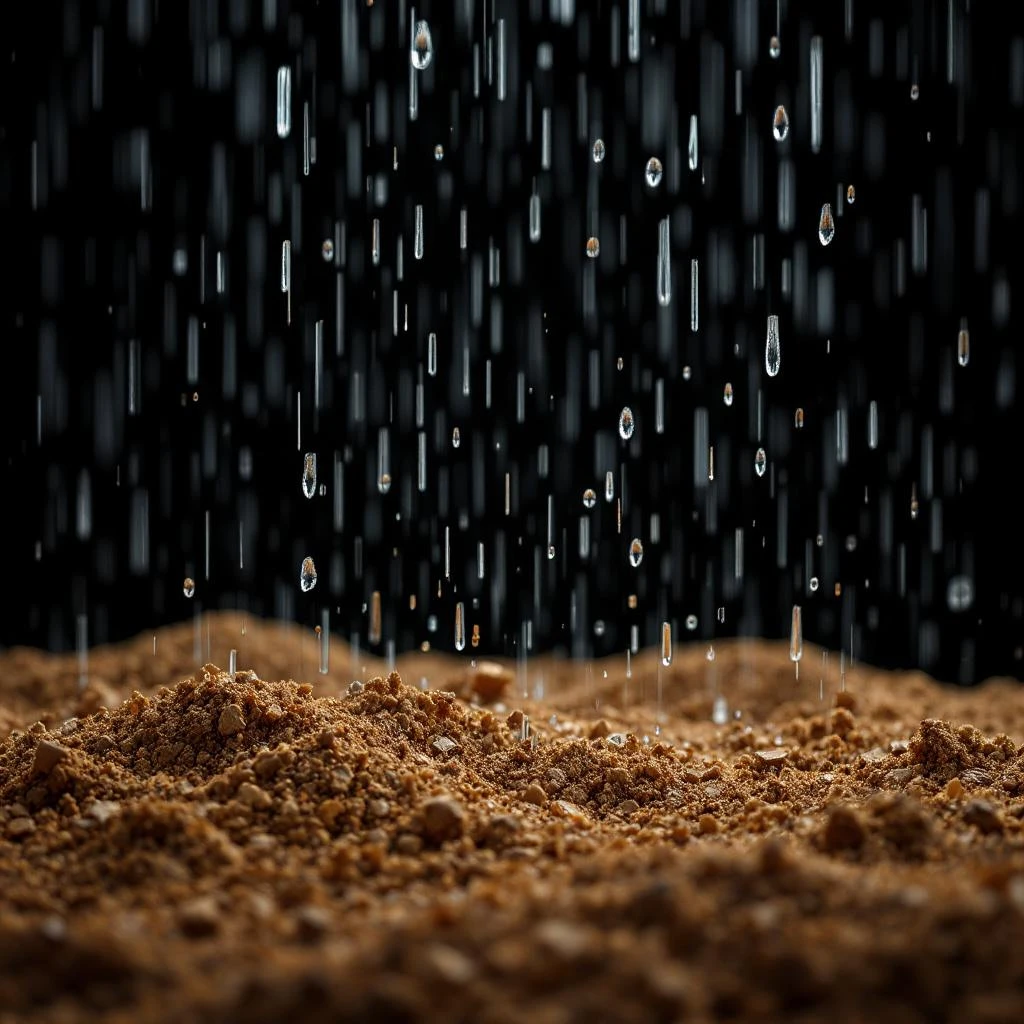
The Kadam tree holds deep roots in South Asian cultural history, appearing in ancient Sanskrit texts and serving as sacred flora in temple ceremonies. Indian perfumers in the region of Kannauj, documented since the second century BCE as a perfume-making center, developed Cadam attar as part of their traditional repertoire.
During the Mughal period, when Persian perfumery techniques merged with Indian traditions, attars like Cadam gained prominence in royal courts. These oils served not merely as fragrances but as markers of status, ingredients in spiritual practices, and symbols of cultural identity across generations of Indian craftsmanship.
Wears it best
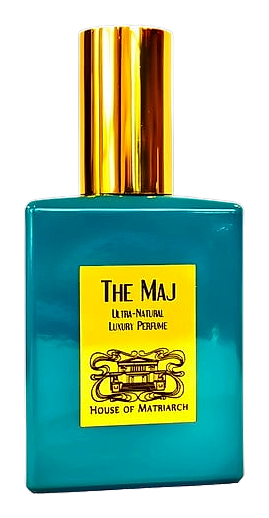
Fragrances featuring Cadam Attar
Brands
Brands known for Cadam Attar
Good to know
Questions, answered
The essentials on Cadam Attar in perfumery: how it smells, where it comes from, and how it behaves on skin.
What does Cadam attar smell like?
Cadam attar offers a honeyed floral character with sweet, slightly medicinal top notes and a warm, woody undertone. Its scent profile is softer than rose yet more complex than typical floral absolutes.
Is Cadam attar safe for skin use?
Like most natural attars, Cadam is highly concentrated and should be diluted in a carrier oil before dermal application. Always perform a patch test, as natural ingredients can cause reactions in sensitive individuals.
How long has attar production existed in India?
Attar-making in India dates to the second century BCE, with Kannauj established as a perfume capital by ancient times. Some traditions claim practices spanning over 60,000 years.
Can Cadam attar be blended with synthetic fragrances?
Cadam attar performs best in compositions with natural ingredients. Synthetic fragrances may overwhelm its subtle character, but it pairs well with other traditional attars like sandalwood or agarwood bases.
How should Cadam attar be stored?
Store attar in a cool, dark place in tightly sealed glass bottles. Unlike alcohol-based perfumes, oil-based attars do not evaporate quickly but can degrade from heat and light exposure over time.
What is the traditional extraction method for attars?
Attars use hydrodistillation, where botanical material is heated with water and the resulting steam condensed. The aromatic oils separate from the hydrosol, yielding the finished attar.
Is Cadam attar considered rare?
Yes, producing one kilogram of Cadam attar requires roughly 100 kilograms of Kadam blossoms. The specific sourcing and labor-intensive process make it considerably rarer than common attars like rose or sandalwood.
Does Cadam attar contain alcohol?
No, attars are oil-based perfumes made without alcohol. They derive entirely from natural botanical sources through steam and water-based extraction methods, making them distinct from modern alcohol-based fragrances.