Kashmiri Sandalwood
Kashmiri Sandalwood delivers a creamy, warm, and lingering aroma drawn from the heartwood of Santalum album trees cultivated in the Himalayan foothills. Prized by perfumers for its soft, milky sweetness and exceptional staying power, this variety represents centuries of artisanal harvesting and distillation in the mountains of North India.
Character
How it smells
Sacred wood. Four thousand years of scent.
Ancient Arab perfumers used sandalwood sawdust as the base for solid perfumes—a practice predating modern perfumery by millennia.


Origin
India
Sandalwood has been used in perfumery for over four thousand years, with its aromatic qualities first documented in texts from the Indian subcontinent written as early as 700 BC. The Himalayan region of Kashmir became particularly associated with premium-quality Santalum album, where the cool mountain climate and altitude contributed to a slower-growing, more richly aromatic wood. Ancient Arab perfumers were among the first to recognize sandalwood's value, grinding the wood into powder or sawdust to form the base of solid perfumes and ceremonial incense.
Kashmir's reputation grew as its sandalwood became central to both Ayurvedic medicine and religious practice, with the wood burned in temples and used in courtly perfumes across the Indian subcontinent. While commercial essential oil production has shifted toward Australian plantations in recent decades, Kashmiri Sandalwood retains its prestige among perfumers seeking the traditional, nuanced character that the region's unique terroir once produced.
Wears it best
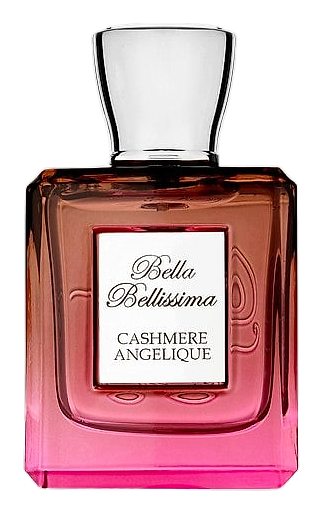
Fragrances featuring Kashmiri Sandalwood
Brands
Brands known for Kashmiri Sandalwood
Good to know
Questions, answered
The essentials on Kashmiri Sandalwood in perfumery: how it smells, where it comes from, and how it behaves on skin.
What makes Kashmiri Sandalwood different from other sandalwood varieties?
Kashmiri Sandalwood is prized for its creamy, warm, and milky sweetness with a softer, more nuanced character than the sharper, more medicinal notes found in Australian-sourced Santalum album. Its aroma also retains its integrity for decades once distilled.
How long does sandalwood oil last?
Once distilled, sandalwood oil retains its scent for decades. The distilled oil itself is considered one of the most durable aromatic materials in perfumery, providing long-lasting base note depth to fragrance compositions.
Is Kashmiri Sandalwood sustainable?
Wild Kashmiri sandalwood populations remain under pressure. The Indian government has regulated harvest and trade since 2000. Most commercial sandalwood production now comes from sustainably managed plantations in India and Australia.
Why is sandalwood so expensive?
Sandalwood trees require fifteen to thirty years to mature before the heartwood contains enough aromatic oil for commercial extraction. The steam distillation process yields roughly one kilogram of oil per one hundred kilograms of heartwood.
At what point in a fragrance does sandalwood typically appear?
Sandalwood appears almost exclusively in the base notes of a fragrance. Its role is to act as a fixative, slowing the evaporation of lighter top notes and lending the composition warmth and longevity on the skin.
What notes pair well with sandalwood in perfumery?
Sandalwood harmonizes naturally with rose, jasmine, and other florals in the heart notes. It also pairs well with other woods, amber, vanilla, and musk, adding creamy depth without dominating the composition.
Can sandalwood be used in all types of fragrances?
Sandalwood works across fragrance types, from lightweight colognes to rich orientals. It adapts well to different climates, pairing with heavier bases in winter fragrances and standing alone as a soft, warm presence in warmer-weather formulations.
What gives sandalwood its characteristic creamy aroma?
The sesquiterpene alcohol santalol, present in the heartwood oil, is responsible for sandalwood's creamy, sweet, and woody character. The concentration of santalol varies by origin, growing conditions, and tree age.