Italian iris pallida
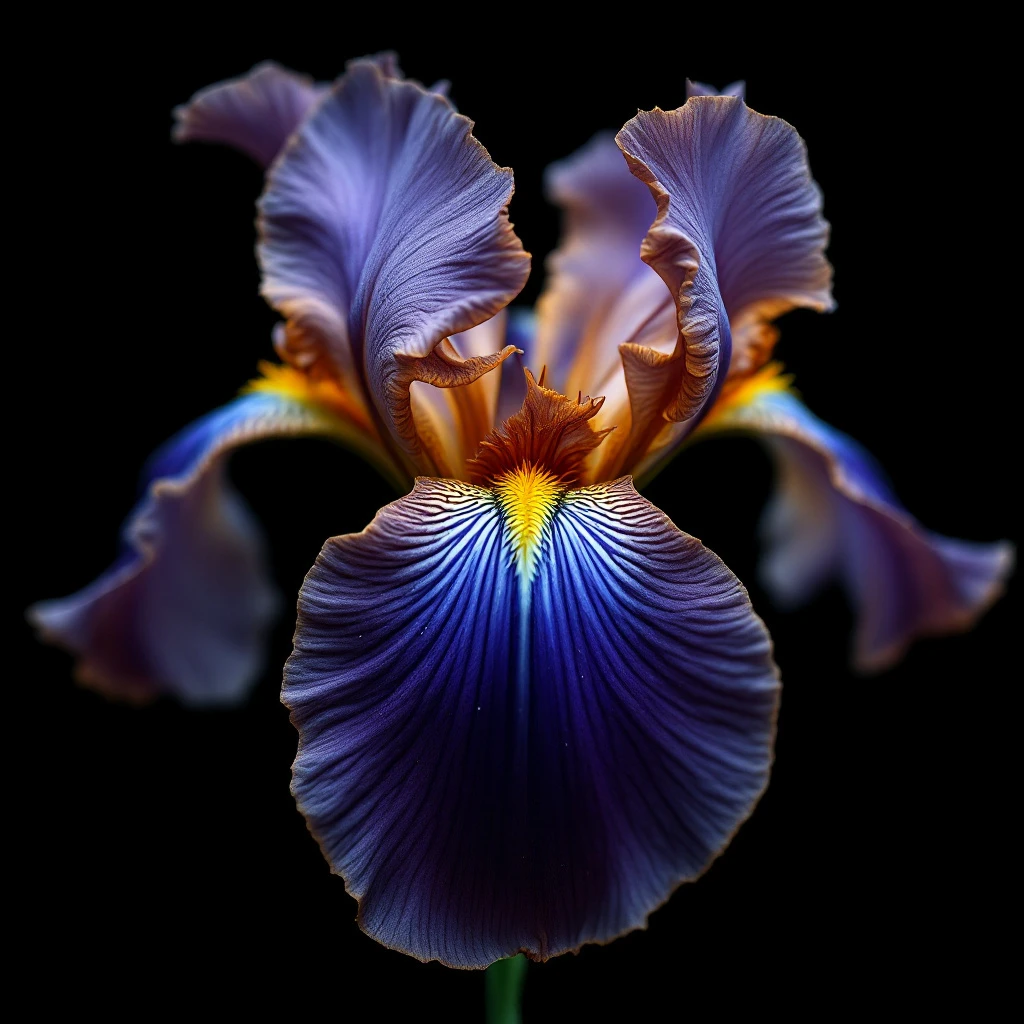
The powder that time forgot. Italian Iris Pallida produces the most expensive raw material in perfumery, a precious butter derived from roots that spend six years developing their signature violet and powdery gold scent.
Character
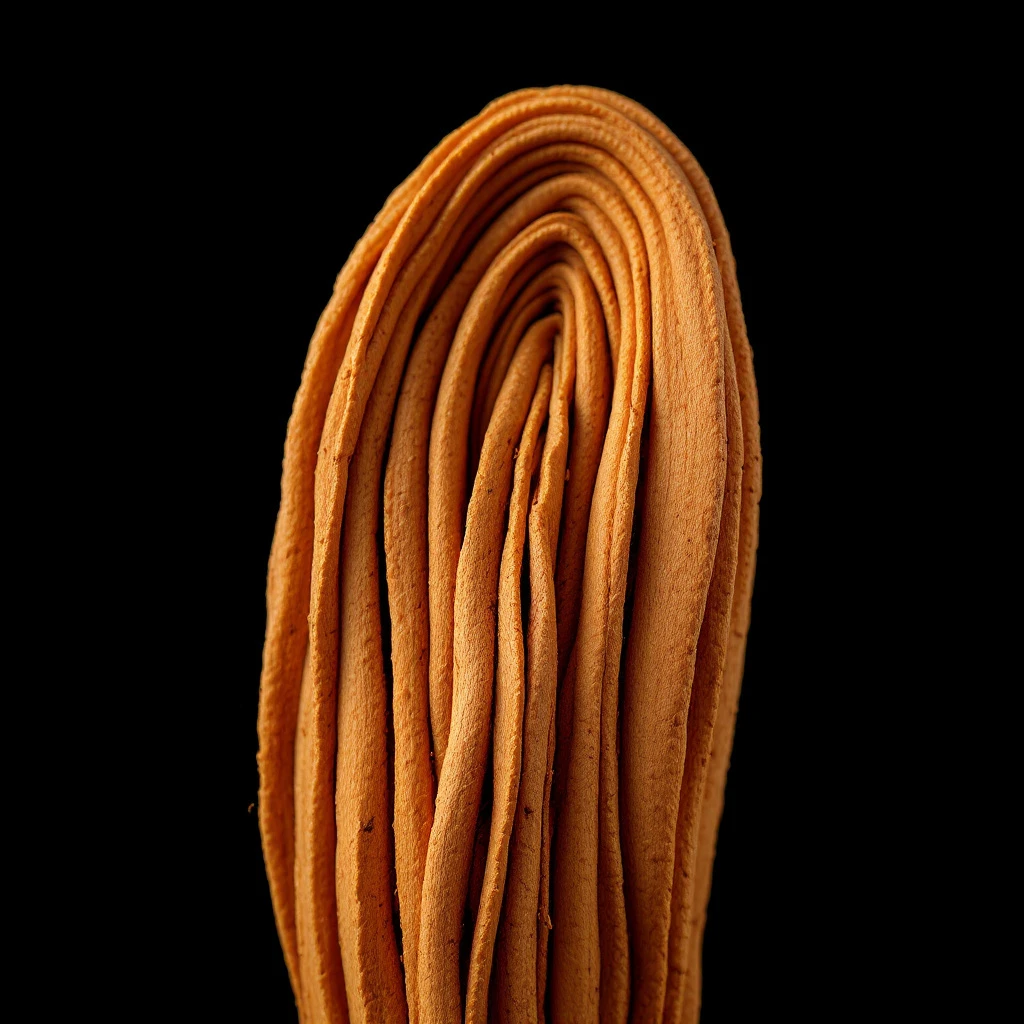
How it smells
Perfumery's most patient treasure
Iris butter costs more per kilogram than gold, requiring six years from planting to final extraction.



Origin
Italy
The story of Italian iris begins in medieval Florence, where apothecaries first distilled orris root as medicine and perfume. By the thirteenth century, Florentine merchants had built a thriving trade around the rhizome, establishing Tuscan iris cultivation as a cornerstone of local economy. The plant's transformation from medicinal cure to luxury fragrance material was well underway by the Renaissance.
It was Catherine de Medici, the queen of France, who reportedly popularized orris as a scented accessory during the sixteenth century, carrying the powdered root in ornate pomanders throughout the French court. This royal endorsement sealed iris's reputation as an ingredient of prestige. Florence and the broader Tuscany region remain the spiritual home of premium orris today, carrying centuries of accumulated knowledge in cultivating and processing this extraordinary plant.
The tradition continues in the same soils that once supplied Renaissance palaces, making Italian Iris Pallida a living link to perfumery's earliest ambitions.
Wears it best
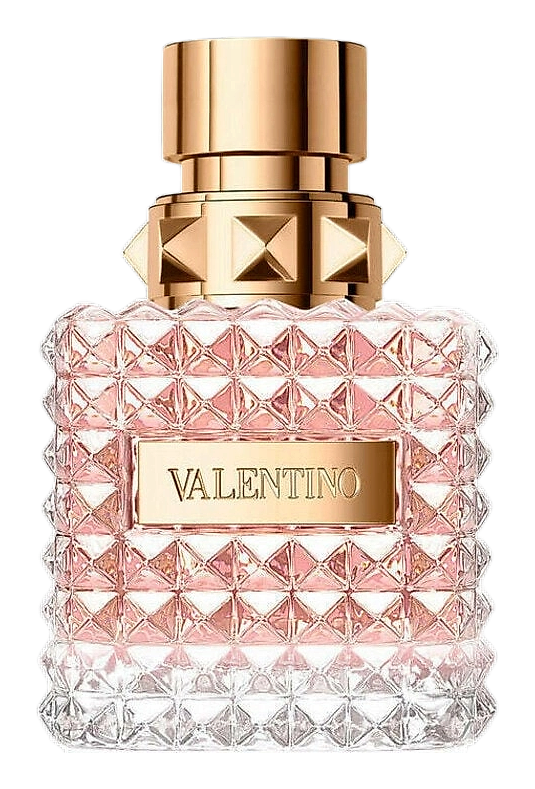
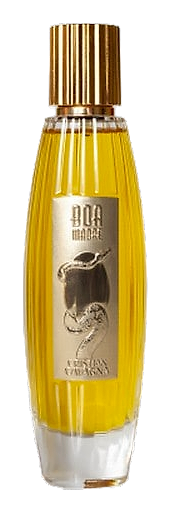
Fragrances featuring Italian iris pallida
Brands
Brands known for Italian iris pallida
Good to know
Questions, answered
The essentials on Italian iris pallida in perfumery: how it smells, where it comes from, and how it behaves on skin.
What does Italian Iris Pallida smell like?
Iris Pallida delivers a warm, powdery violet character with soft green and earthy undertones. The scent feels clean and refined, with a creamy sweetness that lingers. No two extracts smell identical, as soil and processing create subtle variations between batches.
Is Italian Iris Pallida more expensive than gold?
Yes. Iris butter costs significantly more per kilogram than gold, driven by a six-year production cycle and very low yield from each harvest. This makes it one of the rarest and most prized ingredients in fine perfumery.
What is the difference between iris absolute and orris root?
They come from the same plant. O.ris root refers to the dried rhizome itself, while iris absolute is the concentrate extracted from that root using volatile solvents. The absolute contains the concentrated aromatic compounds responsible for the signature powdery violet scent.
Why does iris require six years from planting to harvest?
The key aromatic compounds, called irones, accumulate extremely slowly within the rhizomes over years. Harvesting too early produces an underdeveloped, underpowered material. This patience is what makes iris one of the longest crop cycles in perfumery.
What extraction method produces Italian Iris Pallida?
Producers use volatile solvent extraction on dried, ground rhizomes to create a concrete, which is then processed into an absolute. Steam distillation yields a rarer iris essential oil, but the absolute remains the industry standard for fine fragrance use.
Where does Italian Iris Pallida grow?
Tuscany in Italy remains the primary source of premium Iris Pallida for perfumery, with Morocco as a secondary growing region. Italian cultivation benefits from specific soil types and centuries of regional expertise that influence the final aromatic profile.
Can natural and synthetic iris substitutes compare?
Synthetic alternatives exist, but they cannot fully replicate natural iris. The natural extract contains a broader spectrum of aromatic compounds that create complexity and depth. Natural Iris Pallida absolute retains nuances that synthetic versions currently cannot reproduce.
Does iris absolute come from the flower or the root?
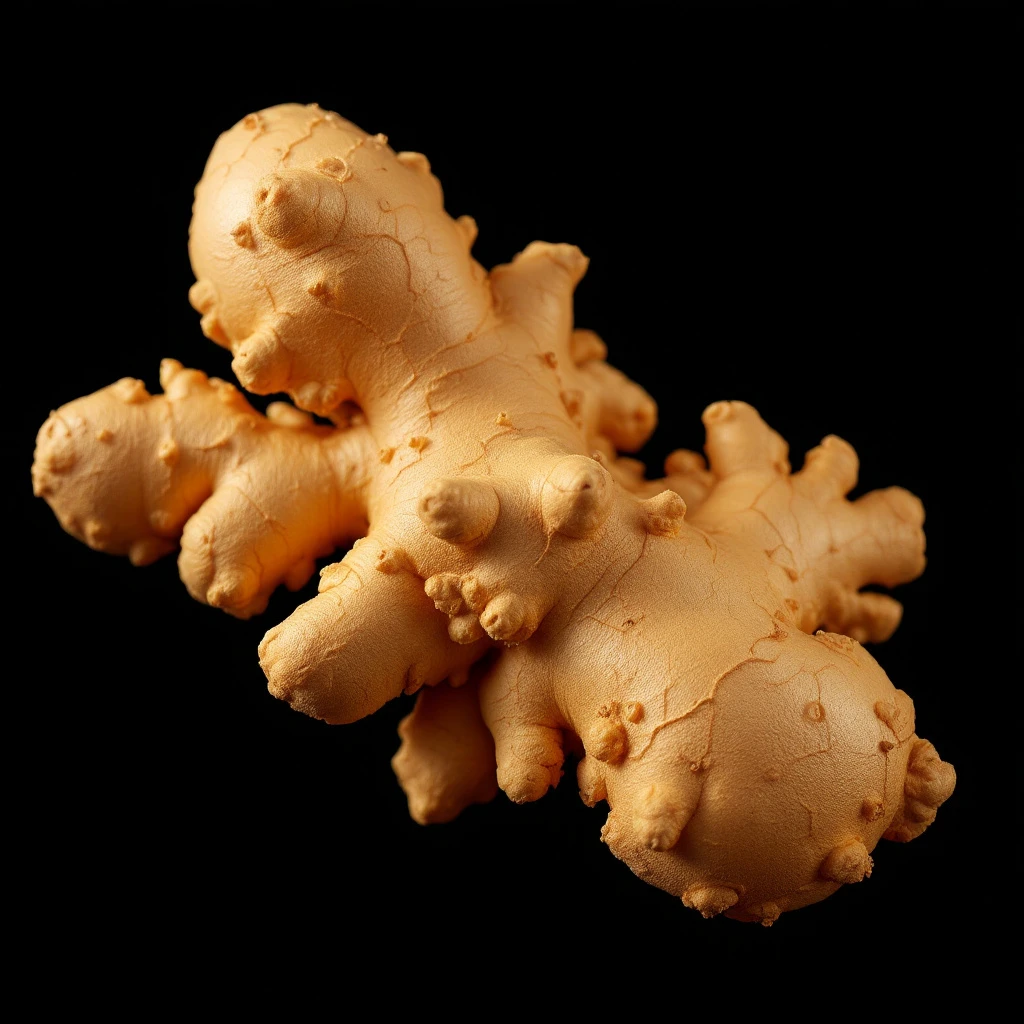
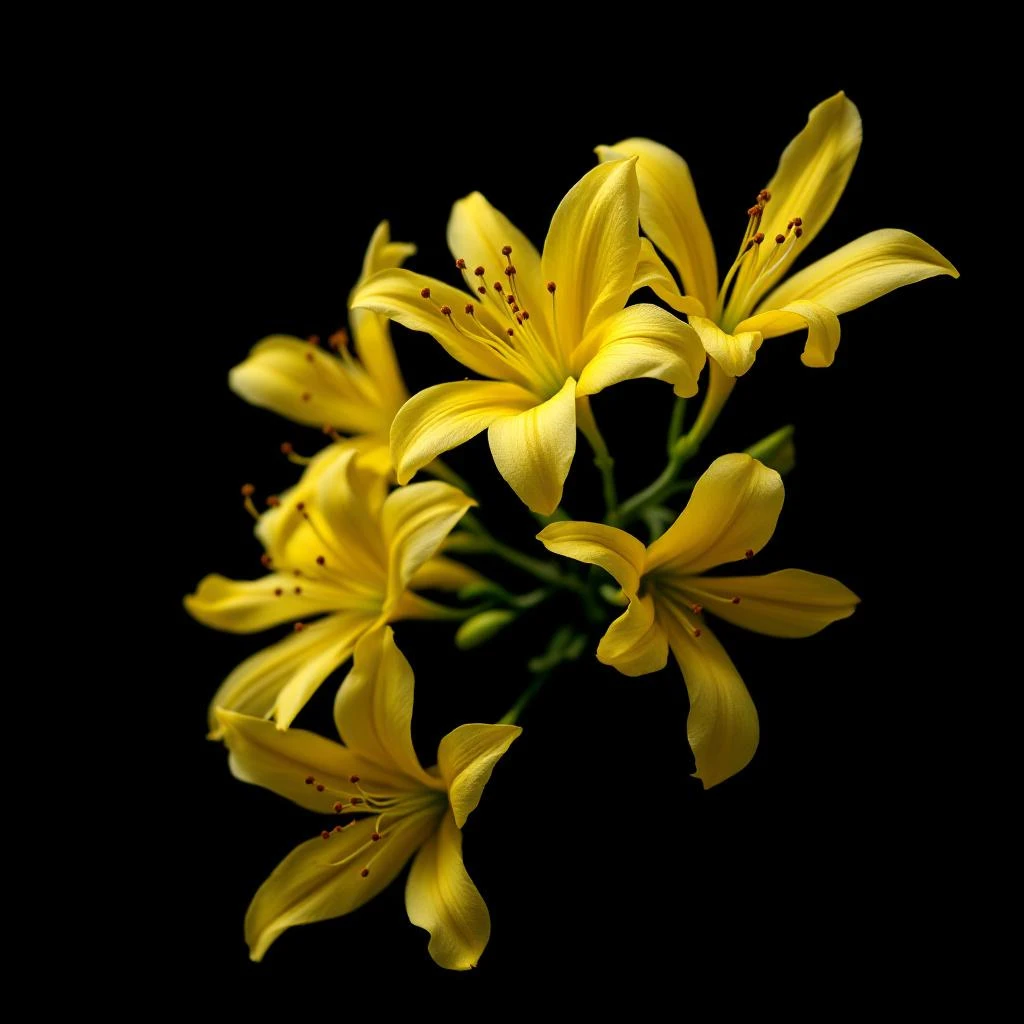
The fragrance comes entirely from the root, called the rhizome, not the visible flower. Distillers harvest and dry the underground rhizomes after several years of growth, then extract the aromatic compounds through solvent processing.