Karmaflor
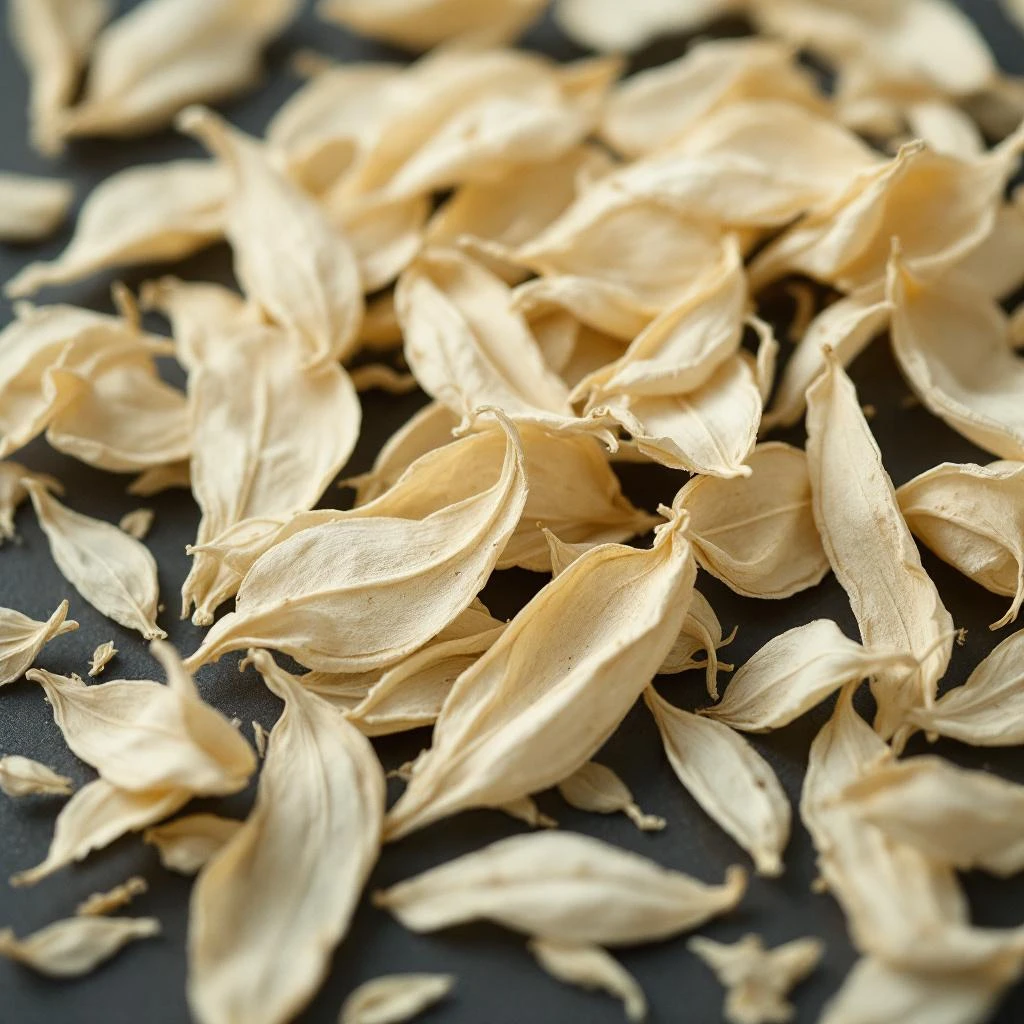
Karmaflor is a synthetic aromatic compound valued in fine perfumery for its complex floral character. As a lab-created molecule, it offers perfumers consistent olfactory profiles that mirror expensive natural extracts while providing greater formulation flexibility.

Character
How it smells
Synthetic floral with natural presence
The name Karmaflor combines Latin roots suggesting transformative floral essence, reflecting its ability to replicate rare botanical scents.







Origin
Switzerland
The development of Karmaflor aligns with the broader evolution of perfumery that accelerated from the 19th century onward, when organic synthesis began transforming the fragrance industry. Before synthetic compounds, perfumers relied entirely on botanical and animal-derived materials, limiting both availability and consistency.
Synthetic aromatic compounds like Karmaflor emerged from the tradition of early synthetics such as coumarin and vanillin, expanding creative possibilities. Today, such compounds represent standard practice in modern perfumery, allowing accessible recreation of scents that would otherwise require endangered plants or prohibitively expensive natural extracts.
Wears it best
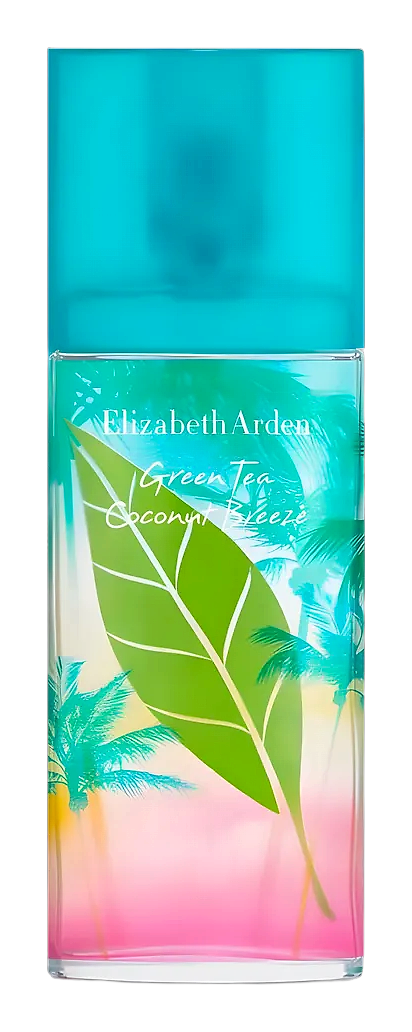
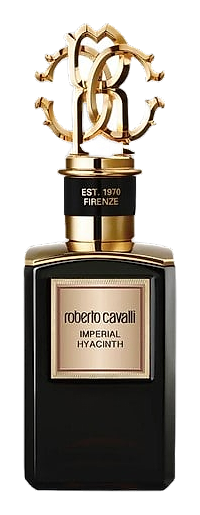
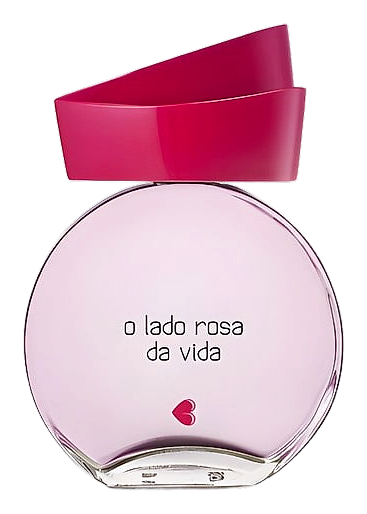
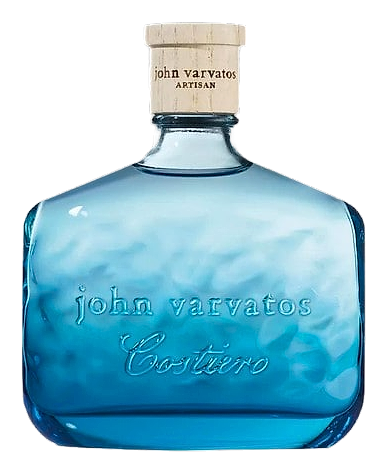
Fragrances featuring Karmaflor
Brands
Brands known for Karmaflor
Good to know
Questions, answered
The essentials on Karmaflor in perfumery: how it smells, where it comes from, and how it behaves on skin.
What does Karmaflor smell like?
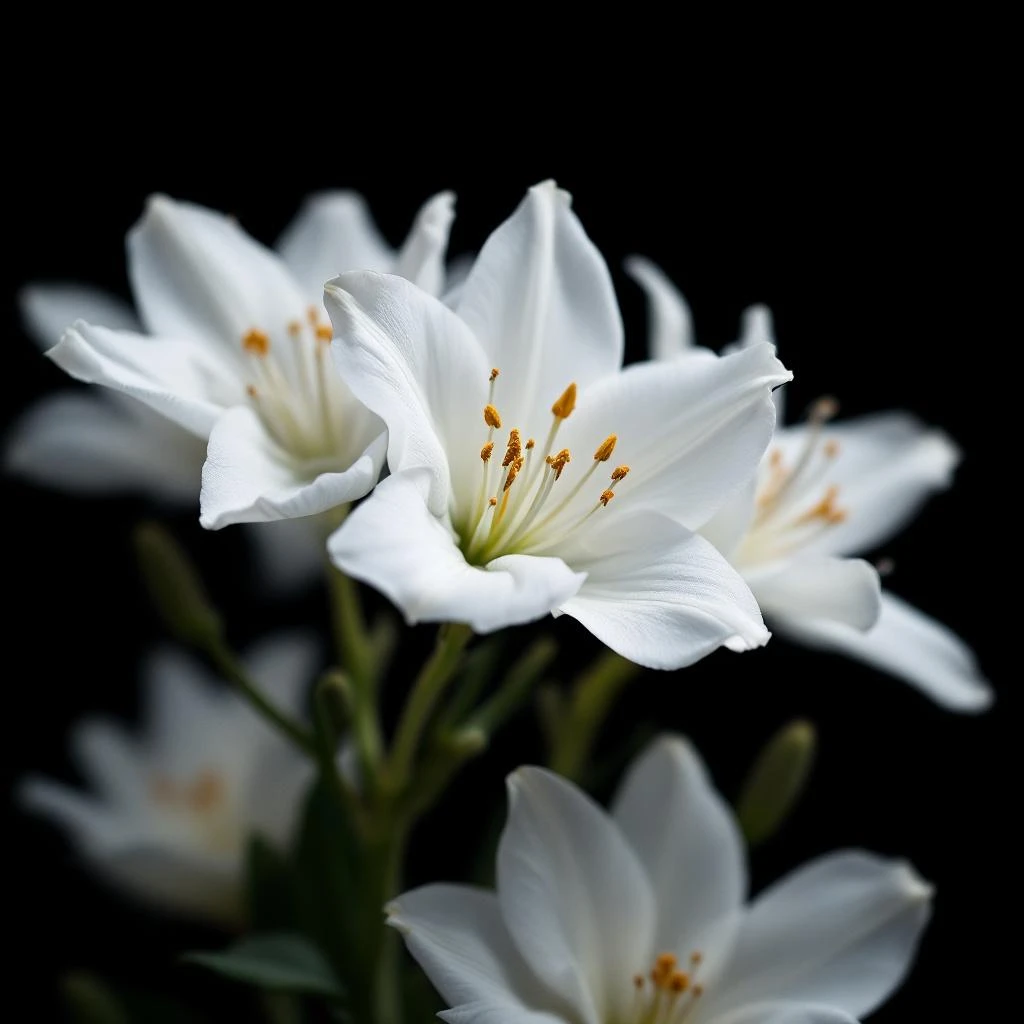
Karmaflor presents a complex floral bouquet with notes resembling jasmine and tuberose, softened by subtle green undertones. Its synthetic nature ensures reliable performance across different formulations.
Is Karmaflor natural or synthetic?
Karmaflor is a synthetic aromatic compound created through controlled organic synthesis in laboratory settings, not extracted from plant materials.
Why do perfumers use synthetic ingredients like Karmaflor?
Synthetics provide consistency, sustainability, and cost efficiency. Natural ingredients can vary based on harvest conditions and climate, while synthetics deliver predictable profiles batch after batch.
Is Karmaflor safe for skin application?
When properly evaluated and IFRA-compliant, synthetic aromatic compounds like Karmaflor meet safety standards for cosmetic and fragrance use when used within recommended concentrations.
What perfumes commonly feature Karmaflor?
Karmaflor appears in numerous modern fragrances as a supporting floral note, particularly in floral compositions where consistent heart notes are essential to the fragrance structure.
How does Karmaflor compare to natural jasmine?
Karmaflor captures key olfactory qualities of natural jasmine while offering greater stability and consistency. Natural jasmine remains preferred for top notes where complexity matters most.
Can Karmaflor trigger allergies?
Like all fragrance materials, individual sensitivity varies. IFRA regulations govern usage concentrations to minimize sensitization risks in consumer products.
Does Karmaflor have environmental benefits?
Synthetic compounds generally require less agricultural land, water, and energy than cultivating aromatic plants, making them a lower-impact option for fragrance production.