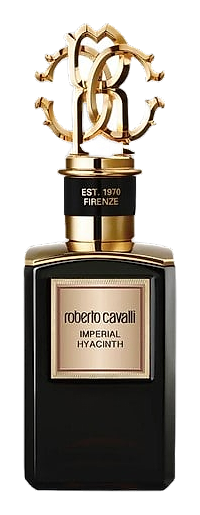

The Story
Why it exists.
The beginning
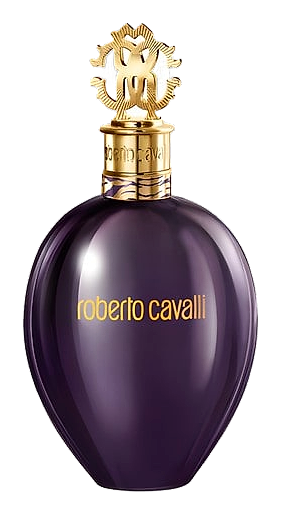
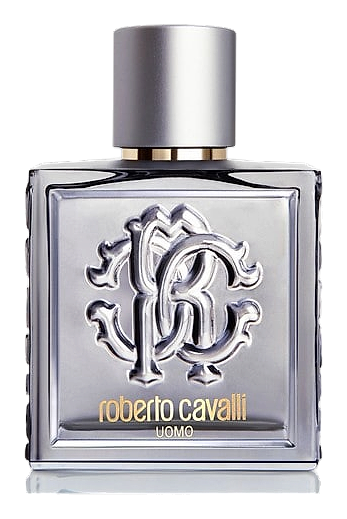
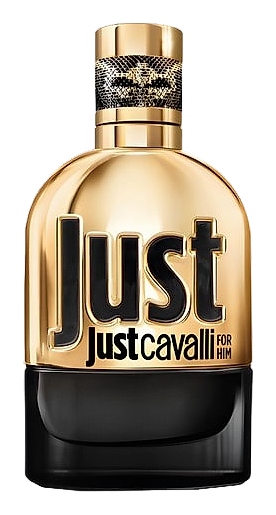
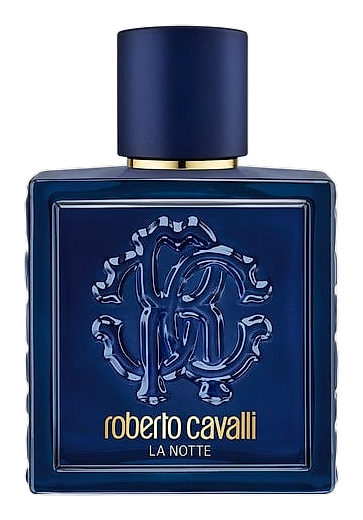
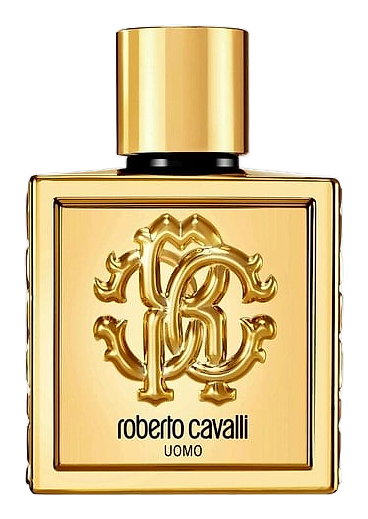
Jacques Huclier built Imperial Hyacinth around a paradox: taking one of perfumery's most restrained florals and giving it the weight to command a room. His concept was to combine a powdery rose character with a bright white flower bouquet, using that contrast to isolate and elevate the hyacinth note itself. The rare and complex scent of hyacinth became both the subject and the ambition, not a supporting element but the full statement. Bergamot, cardamom, and saffron were chosen not to compete with the bloom but to frame it, creating an opening that would announce something unusual was coming. The result is a fragrance that earns its imperial name.
The hyacinth's natural character is waxy, slightly green, and almost mineral, not the easiest note to build around. Huclier's solution was to let it bloom inside the composition rather than announce itself at the opening. The top notes do the work of getting attention: saffron brings a dry, leathery warmth; cardamom adds a sharp, aromatic edge; bergamot keeps everything from feeling heavy too soon. Only then does the hyacinth arrive, full, powdery, and certain of itself. The base of cedar, immortelle, and musk holds the florals off the skin without overwhelming them, while vanilla adds the warmth that makes the drydown feel inevitable rather than abrupt. It's a pyramid built for patience.
The evolution
The opening arrives green and sharp, hyacinth's natural sap, that waxy almost-mineral bite. Saffron and cardamom burn through for the first twenty minutes, bright and insistent, before the florals fully take hold. The heart phase is where Imperial Hyacinth earns its name: the white flower bouquet arrives in full, powdery and creamy, the spice now a memory. This phase holds for a couple of hours, substantial without projection, present without announcement. The drydown shifts quietly. Cedar emerges first, then vanilla and immortelle blend into something warmer, softer, almost skin-like. Musk threads through the entire base, keeping everything close and intimate. By the final hours, this is a fragrance you have to lean toward to smell.
Cultural impact
Imperial Hyacinth belongs to a house known for boldness, but this particular fragrance plays a quieter game. It's for someone who wants to be noticed without announcing themselves. The hyacinth note, unusual and easily mishandled, is the kind of choice that separates a fragrance with a point of view from one that's simply composed well. The Roberto Cavalli woman or man who wears this isn't performing confidence. They already have it.