Kapok Tree Blossom
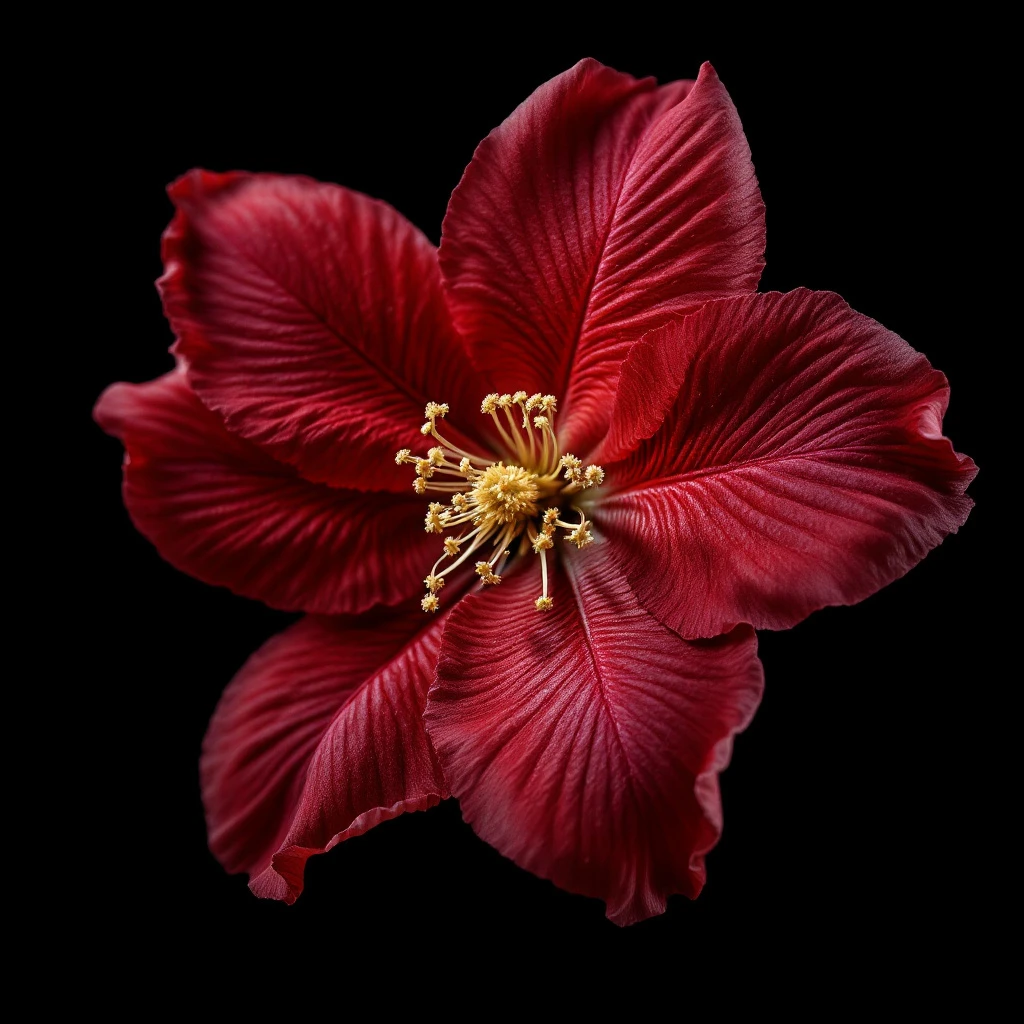
A rare tropical bloom from one of the world's most magnificent trees. Kapok Tree Blossom offers a delicate, cottony softness that captures the raw poetry of rainforest canopies.
Character
How it smells
Rainforest royalty in every petal
A single kapok tree can produce hundreds of large red flowers reaching up to 15 cm across, creating a striking canopy display.



Origin
Brazil
The kapok tree has shaped human civilization across millennia, though its story is primarily written in fiber rather than fragrance. Native peoples of the Neotropics harvested the tree's seed pods for the waterproof floss that fills them, using it for flotation devices, bedding, and insulation. The massive trees held cultural significance too, their buttressed trunks and emergent canopies defining the rainforest landscape from Mexico through the Amazon.
The blossoms themselves appear in few historical fragrance records, suggesting their aromatic use developed only recently. What we now recognize is that these ephemeral blooms carry a scent worth preserving, soft and green with an almost cotton-like quality that speaks of the humid air and dappled light of tropical forests.
Wears it best
Fragrances featuring Kapok Tree Blossom
Brands
Brands known for Kapok Tree Blossom
Good to know
Questions, answered
The essentials on Kapok Tree Blossom in perfumery: how it smells, where it comes from, and how it behaves on skin.
What does Kapok Tree Blossom smell like?
Kapok Tree Blossom offers a delicate, cotton-like scent with green and slightly sweet undertones reminiscent of humid tropical air. It reads as soft and airy, with an almost powdery quality that evokes the misty canopy of rainforests.
Is kapok tree blossom a natural or synthetic ingredient?
Kapok Tree Blossom is a natural ingredient extracted from the flower calyxes of the kapok tree. The extract is obtained through solvent extraction rather than steam distillation, preserving the delicate aromatic compounds found in the bloom.
Why is kapok tree blossom considered rare in perfumery?
The kapok tree's primary commercial value lies in its seed fiber, not its flowers. The bloom is short-lived, and extraction from the calyxes requires specific processing developed only in recent years. Combined with limited growing regions, this makes the ingredient genuinely scarce.
What tree species produces kapok tree blossom extract?
The extract primarily comes from Bombax costatum species, though other Bombax varieties also produce similar flowers. The trees grow across tropical Americas from Mexico to the Amazon and in parts of West Africa.
Does kapok tree blossom have any functional benefits in fragrance?
Beyond its aromatic profile, kapok tree blossom extract contains antioxidant compounds that can help stabilize fragrance compositions. This functional aspect adds value beyond its distinctive scent contribution.
What fragrances typically feature kapok tree blossom?
Kapok tree blossom appears most often in high-end natural perfumes seeking unique tropical notes. It pairs well with other rainforest ingredients and works in both feminine and masculine compositions seeking exotic, airy qualities.
How long has kapok tree been used by humans?
Indigenous peoples of tropical Americas have used kapok trees for thousands of years, primarily harvesting the seed fiber for practical purposes like insulation and flotation. The flower as a fragrance ingredient represents a much more recent discovery.
Is kapok tree blossom sustainable?
The kapok tree grows wild across extensive tropical regions, and responsible sourcing focuses on established growing areas. The flower harvest does not damage the tree itself, making extraction a sustainable use of a byproduct from existing populations.





