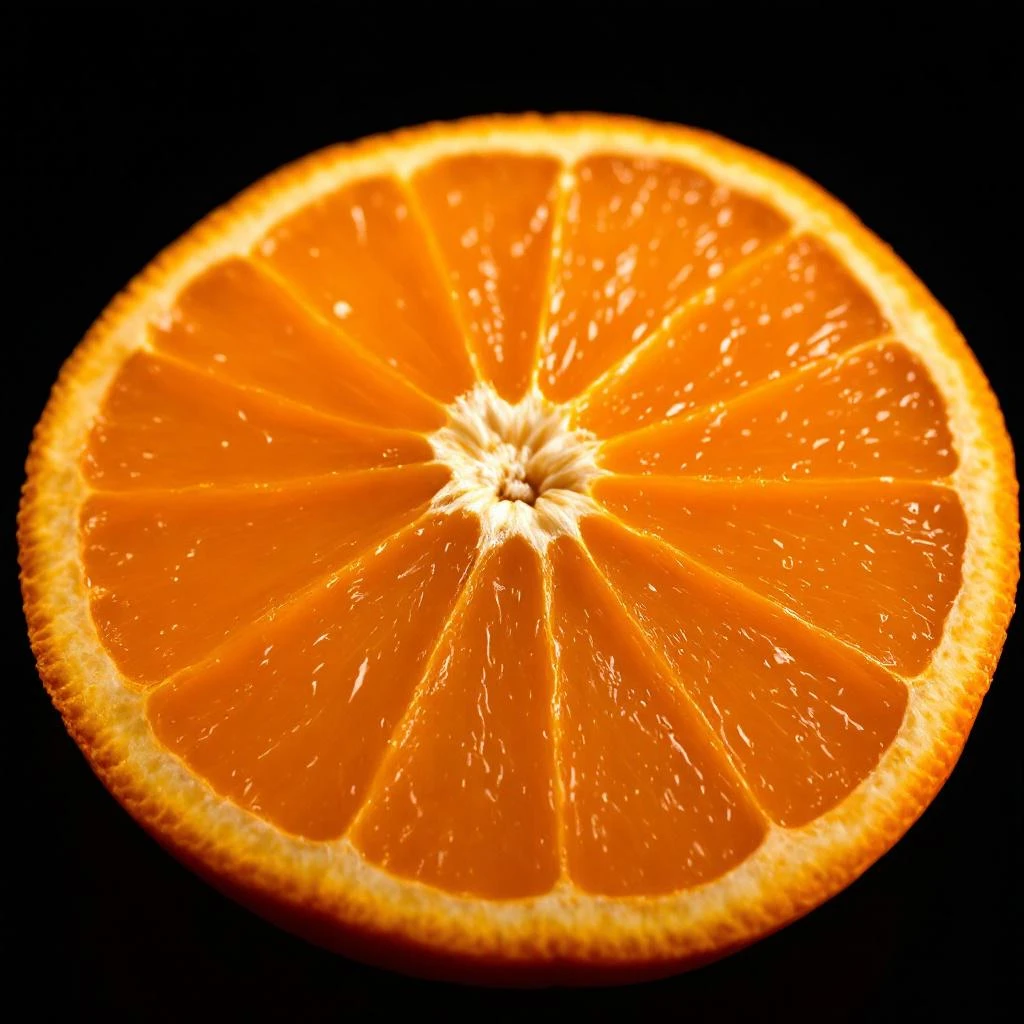
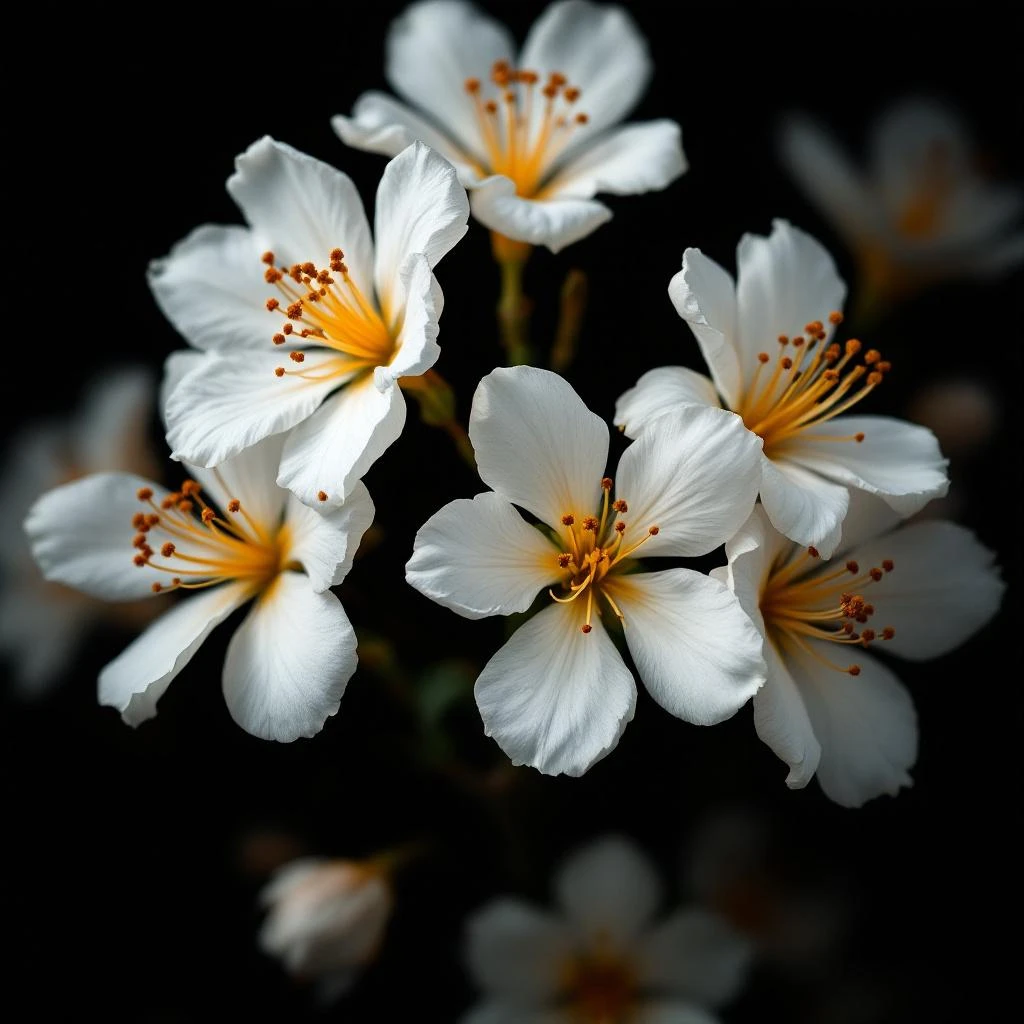
Kaffir Lime Petitgrain
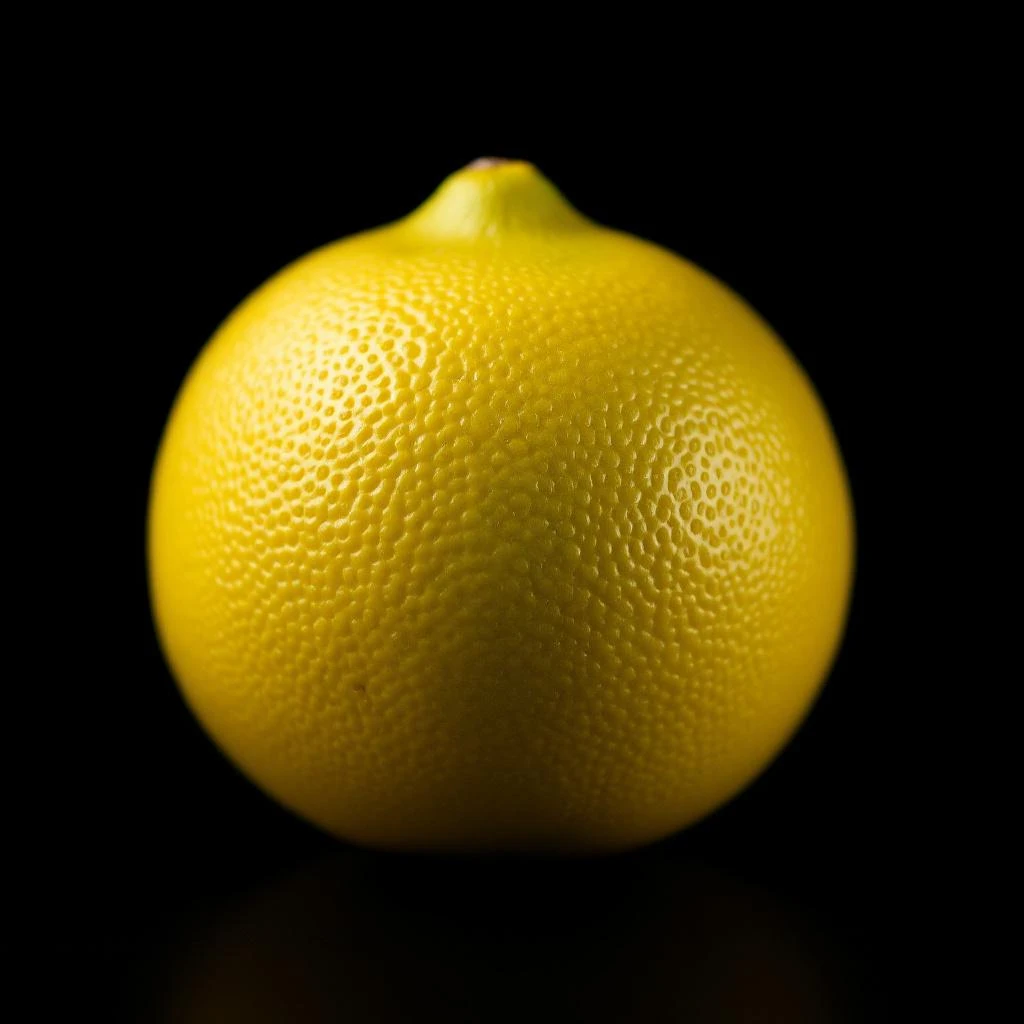
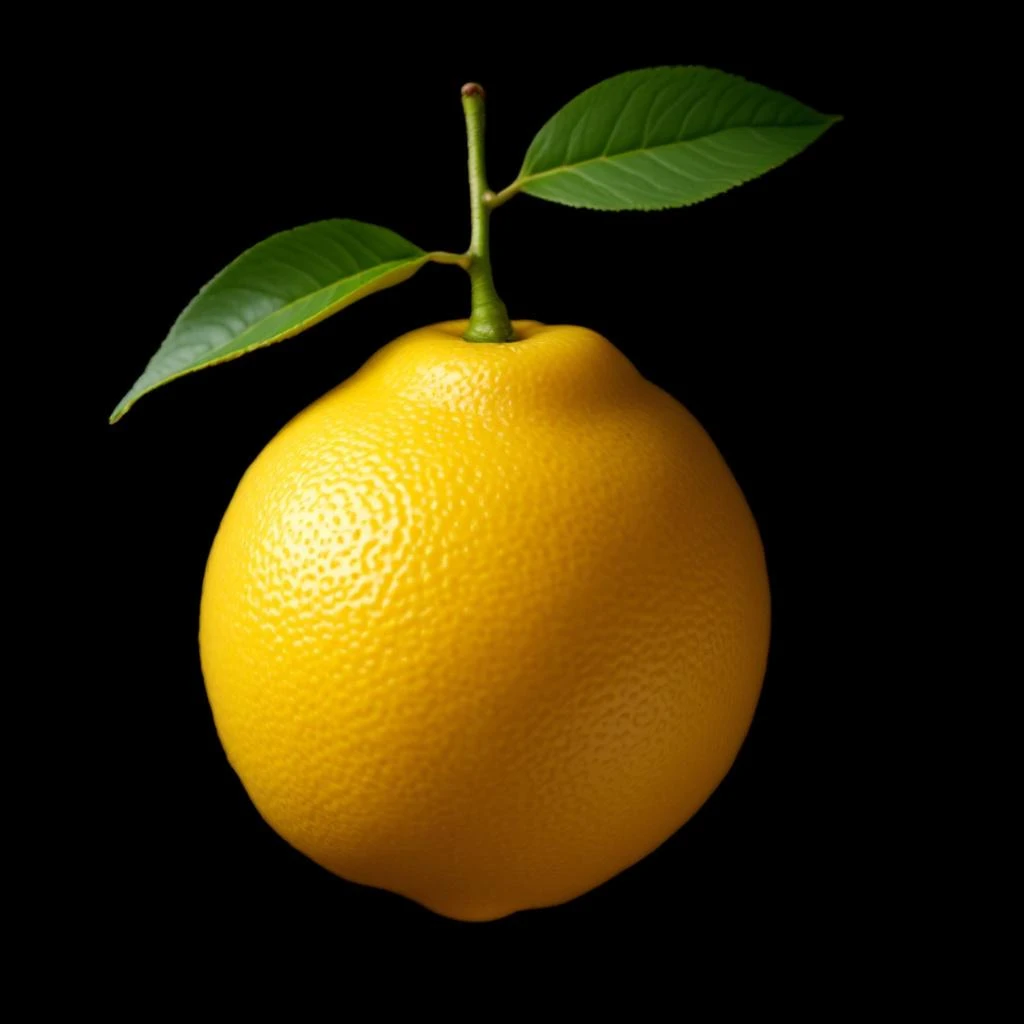
Kaffir Lime Petitgrain captures the aromatic leaves of the combava tree, lending fragrances a vivid lemon-lime brightness with a fresh, green, gently floral edge.
Character
How it smells
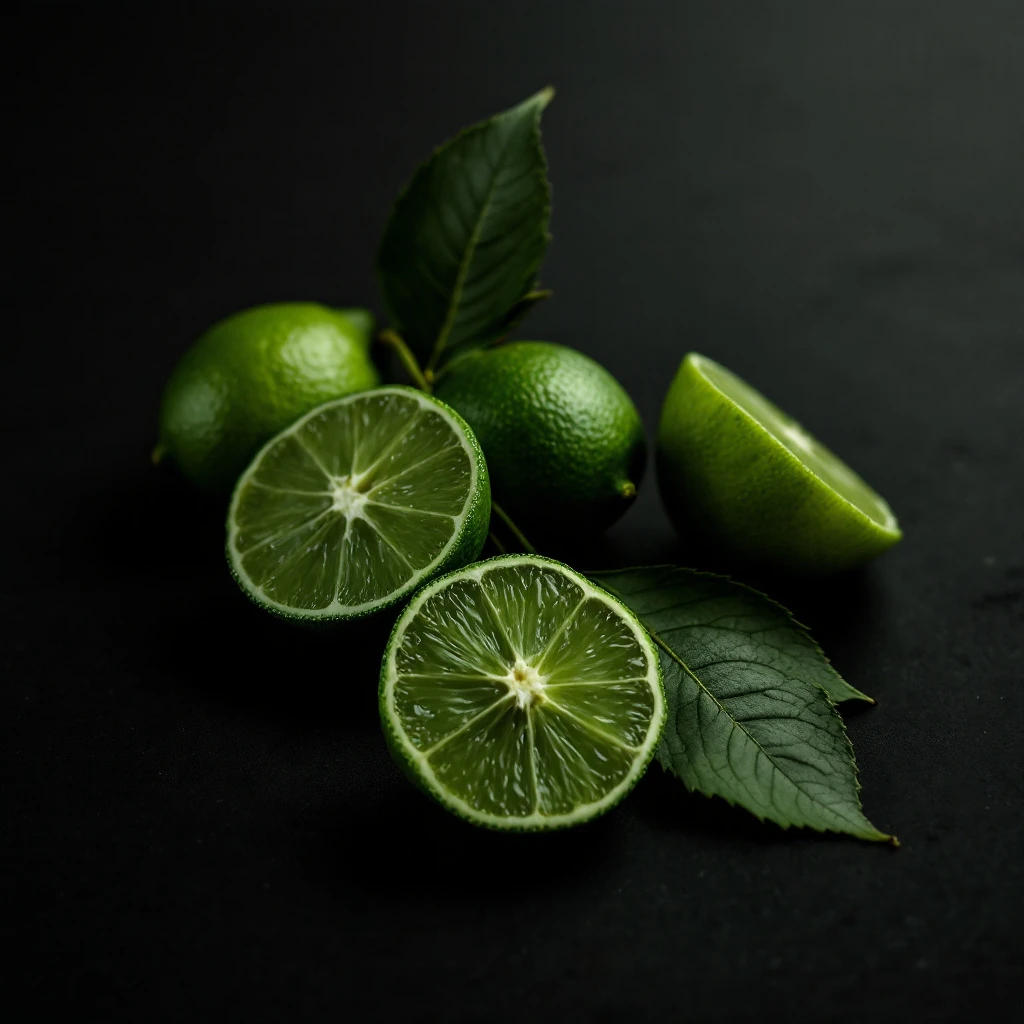
Lemon-lime brightness with a leafy green edge
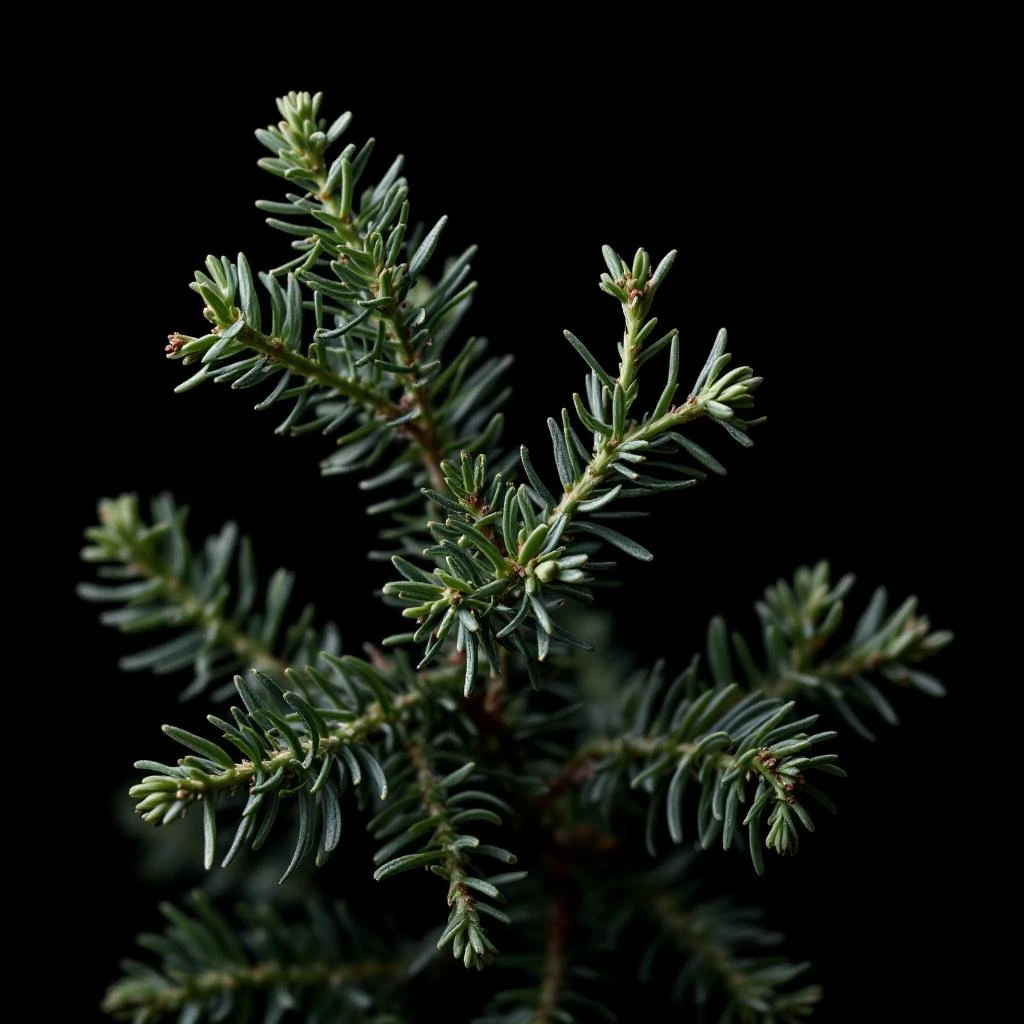
Unlike an oil pressed from the fruit peel, Kaffir Lime Petitgrain is steam distilled from the tree's highly aromatic leaves.

Origin
Indonesia
Kaffir lime, also known as combava or Makrut lime, belongs to a citrus species native to tropical Southeast Asia. Its botanical name is Citrus microcarpa, although the commercially important fruit is typically cultivated as Citrus hystrix. The tree has long served culinary and medicinal roles in the region, with both its peel and highly aromatic leaves used in local cooking.
Those double-lobed leaves are especially associated with Thai, Indonesian, Malaysian, and Vietnamese food traditions, where their citrus perfume remains noticeable after the fruit itself has been removed. Leaf distillation brings this familiar aromatic quality into perfumery. The term petitgrain became associated with essential oils distilled from citrus leaves, valued for a green character that balances brighter peel-derived citrus.
Kaffir lime petitgrain follows that tradition, expressing the fruit and foliage together through a profile described as fresh, green, and lemon-lime, with soft rosy or floral nuances. Its long culinary history gives the ingredient a culturally grounded identity, while modern perfume production focuses on cultivated trees and steam-distilled leaves. The oil works both as a citrus accent and a structural green note, adding definition without relying solely on the rounded, juicy character of fruit-peel oils.
Wears it best
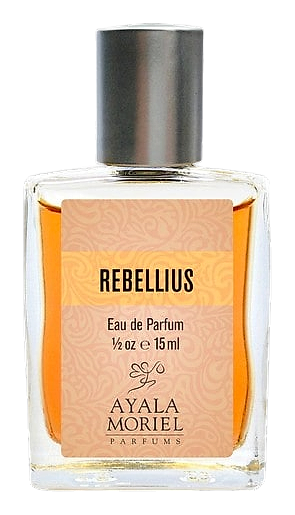
Fragrances featuring Kaffir Lime Petitgrain
Brands
Brands known for Kaffir Lime Petitgrain
Good to know
Questions, answered
The essentials on Kaffir Lime Petitgrain in perfumery: how it smells, where it comes from, and how it behaves on skin.
What does Kaffir Lime Petitgrain smell like?
It smells fresh and green, with strong lemon-lime fruitiness, light wood, and subtle floral notes. The profile comes from leaves of the combava, commonly called Kaffir or Makrut lime.
Is Kaffir Lime Petitgrain made from fruit or leaves?
It is distilled from the tree's leaves, not its peel. The leaves produce an oil with a pronounced green, herbal character alongside its lemon-lime aroma.
How is Kaffir Lime Petitgrain extracted?
The leaves undergo steam distillation, during which steam carries volatile oil from the plant material. That oil and water are condensed and separated to obtain the essential oil.
Where does Kaffir Lime Petitgrain come from?
Indonesia is a principal commercial origin for Kaffir Lime Petitgrain oil. Combava is native to tropical Southeast Asia and is cultivated there for culinary and fragrance use.
How does Kaffir Lime Petitgrain differ from lime essential oil?
Kaffir Lime Petitgrain comes from the leaves and often appears greener and more herbal. Lime peel oil comes from the fruit rind and usually presents a sweeter, juicier citrus profile.
Does Kaffir Lime Petitgrain contain the fruit's zest?
No. The oil is distilled from fresh leaves and does not include fruit peel. Its lemon-lime character is generated by aromatic compounds released from the foliage.
Can Kaffir leaves be eaten?
Yes. Their double-lobed leaves are used in Southeast Asian cooking and contribute a distinctive citrus aroma. Commercial essential oil is produced from the same aromatic leaves.
Why is Kaffir Lime Petitgrain useful in perfume?
It adds a sharp citrus accent with a fresh green structure and subtle floral detail. Perfumers often use it to give lemon and lime notes a more natural, leafy dimension.