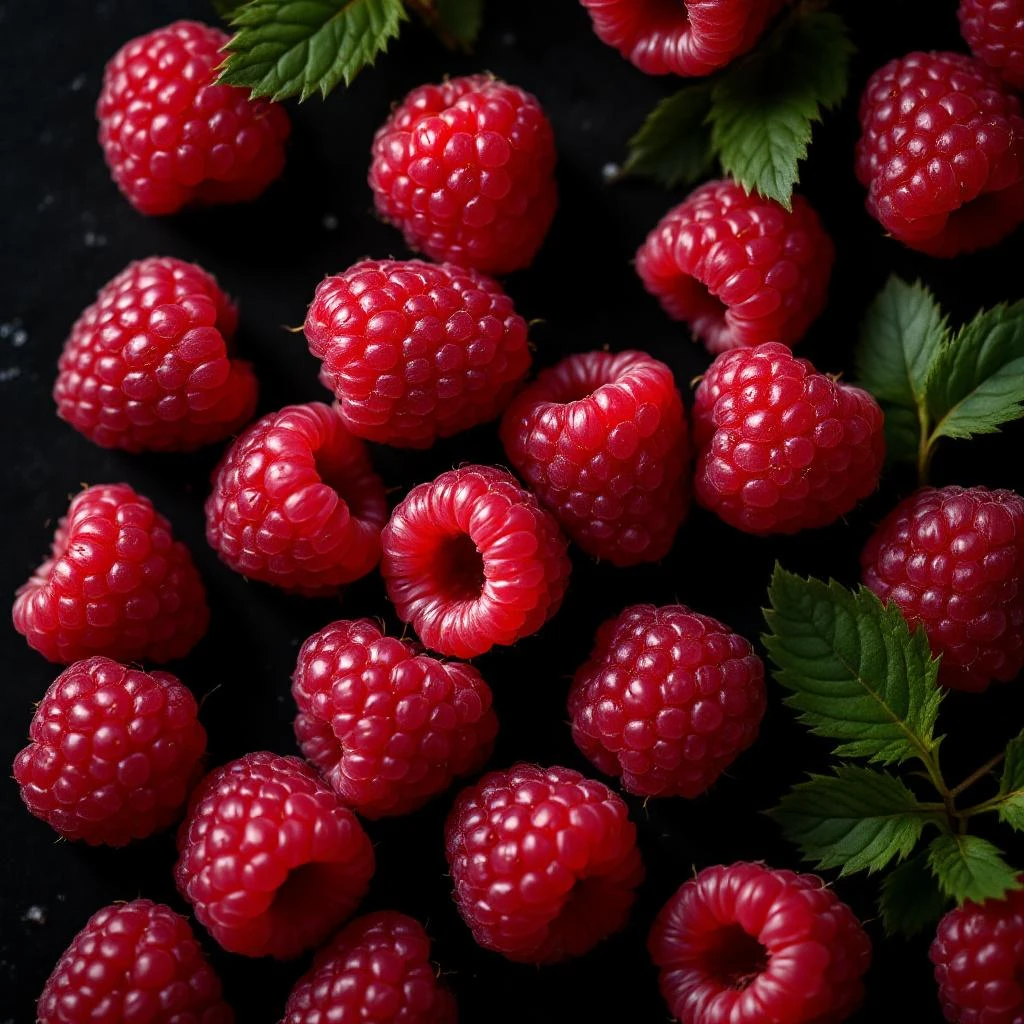
Jamaican Cherimoya
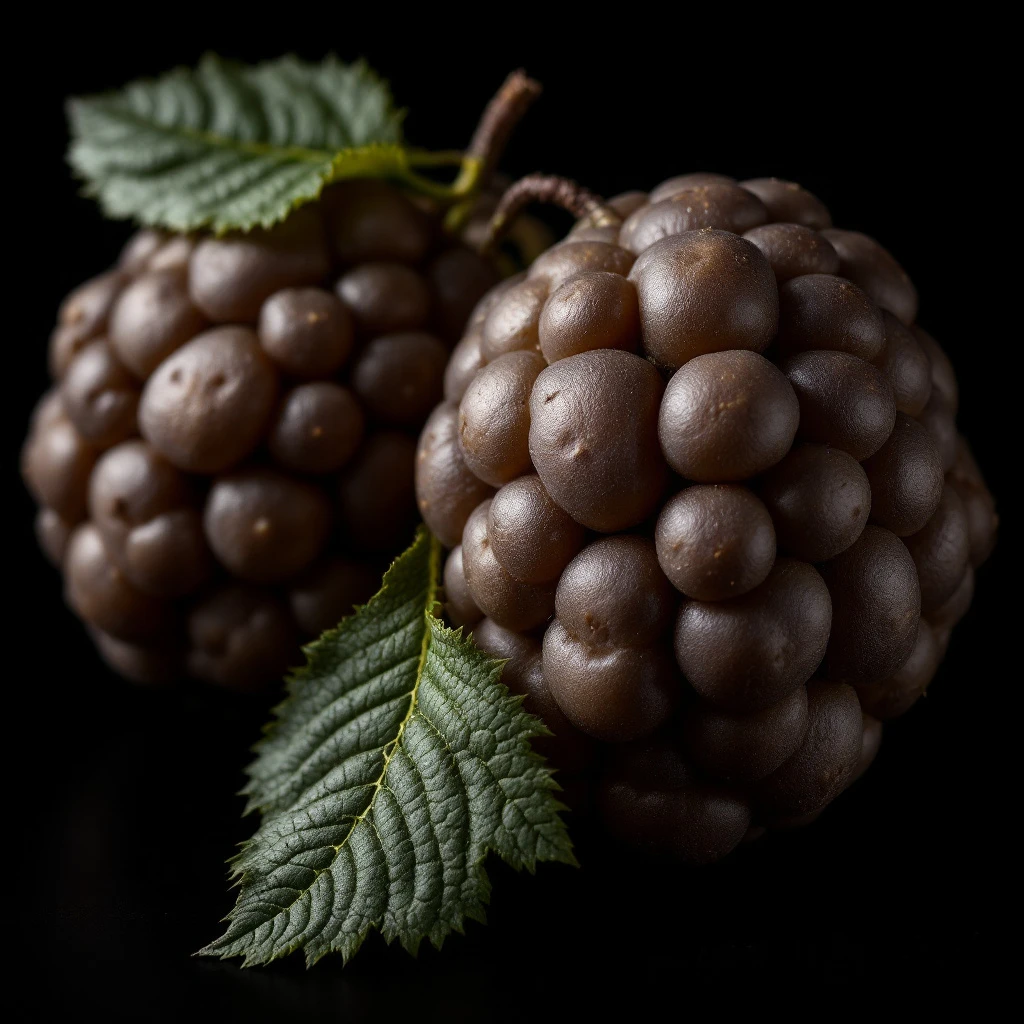
Jamaican Cherimoya brings a sun-warmed tropical sweetness to fragrance, blending creamy custard-like softness with bright pineapple acidity and a whisper of citrus zest. No natural essence exists, so perfumers build it entirely from synthetic molecules.
Character
How it smells
Creamy tropical sweetness, built molecule by molecule
Cherimoya cannot be captured by distillation or pressing; every whiff of it in a fragrance is a perfumer's acoustic illusion built from synthetic aroma chemicals.
Origin
Jamaica
Cherimoya (Annona cherimola) originated in the Andean foothills of Ecuador, Peru, and Colombia, where indigenous cultivators selected superior varieties for over a thousand years. Spanish chroniclers documented it in 16th-century Peru, and missionaries carried seeds across the Pacific to Asia and the Caribbean.
Jamaica became an important cultivation zone during the colonial period, where the fruit adapted well to cool mountain slopes above 1,000 meters. The fruit held no place in classical European perfumery traditions, which favored citrus, florals, and resins.
Its arrival in modern fragrance composition dates to the late 20th century, when synthetic chemistry gave perfumers the tools to mimic exotic fruits that traditional extraction methods could not capture. The Jamaican variant, prized for its balanced sugar-acid profile, frequently appears in tropical-themed and gourmand compositions from the 1990s onward.
Wears it best
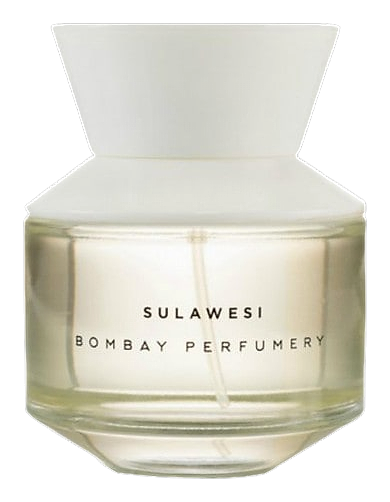
Fragrances featuring Jamaican Cherimoya
Brands
Brands known for Jamaican Cherimoya
Good to know
Questions, answered
The essentials on Jamaican Cherimoya in perfumery: how it smells, where it comes from, and how it behaves on skin.
What does Jamaican Cherimoya smell like in perfume?
Jamaican Cherimoya smells like creamy tropical fruit with custard sweetness, mild pineapple brightness, and a soft citrus rind edge. The note is built synthetically, so each fragrance house interprets the fruit slightly differently.
Is Cherimoya a natural essential oil?
No natural Cherimoya essential oil exists. The fruit's high water and sugar content prevents effective distillation, so perfumers construct the note from synthetic aroma molecules such as esters, lactones, and aldehydes.
How is the Jamaican Cherimoya note made?
Perfumers blend synthetic fruity esters like ethyl maltol, buttery lactones, and bright citrus aldehydes to recreate the fruit's aroma. Jamaican interpretations tend toward rounder, warmer profiles compared to sharper regional takes.
Where did Cherimoya originally come from?
Cherimoya originated in the Andean valleys of Peru and Ecuador, where it was domesticated thousands of years ago. Spanish colonists later spread cultivation to Jamaica, where it now thrives in mountain elevations above 1,000 meters.
What fragrances commonly feature Cherimoya notes?
Cherimoya appears primarily in tropical and gourmand compositions. Houses like Tom Ford and Commodity have used it; reformulated vintage tropical florals from the 1990s also carry the accord.
Can Jamaican Cherimoya be extracted by cold pressing?
Cold pressing fails on Cherimoya because the valuable aromatic compounds sit in soft, watery pulp rather than a peel. Only synthetic reconstruction reliably captures the fruit's characteristic scent.
What scents pair well with Jamaican Cherimoya?
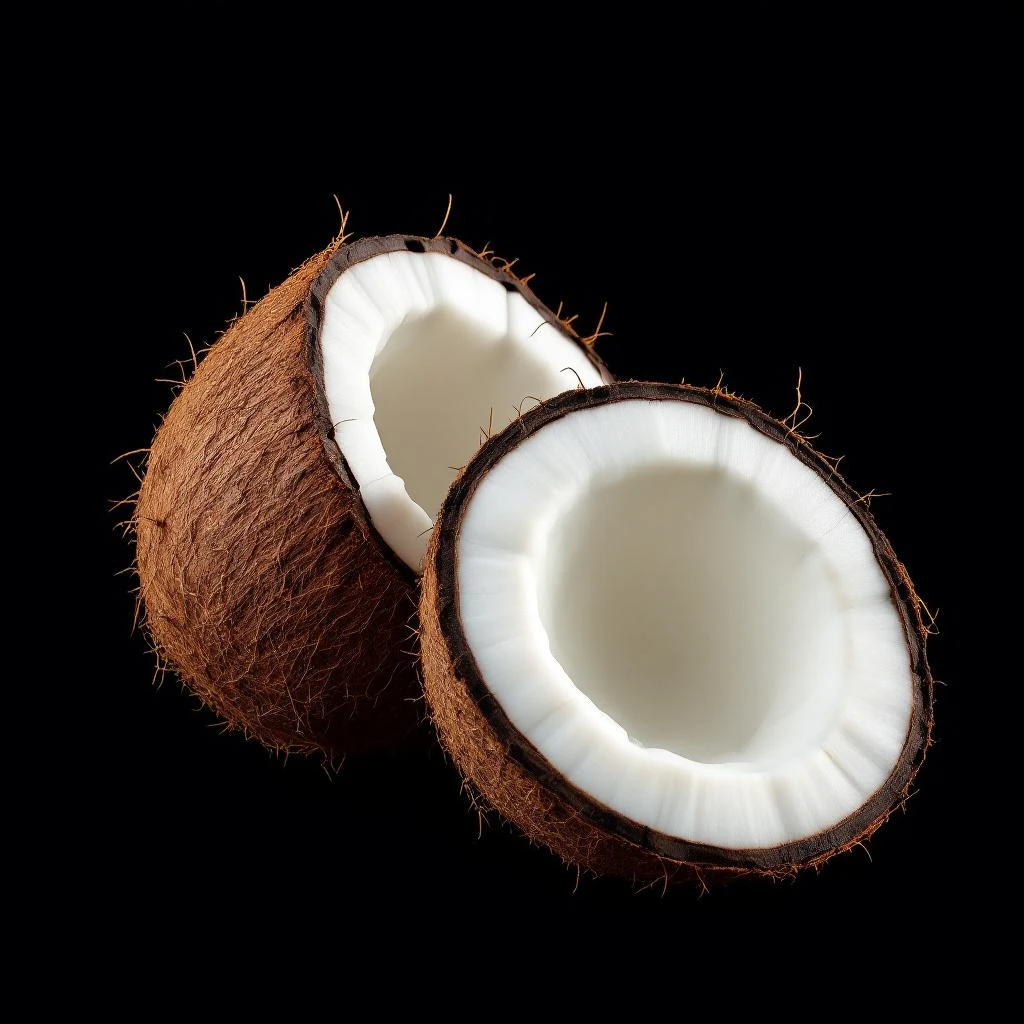
Cherimoya pairs naturally with vanilla, coconut, sandalwood, and white florals such as frangipani. Citrus notes like bergamot brighten the accord, while musks extend its creamy softness on skin.
Why is Cherimoya popular in Jamaican perfumery?
Jamaica grows high-quality Cherimoya in its Blue Mountain elevations, and local perfumers prize the fruit's signature sugar-acid balance. The note lends Caribbean fragrances an authentic tropical signature without requiring an actual extract.