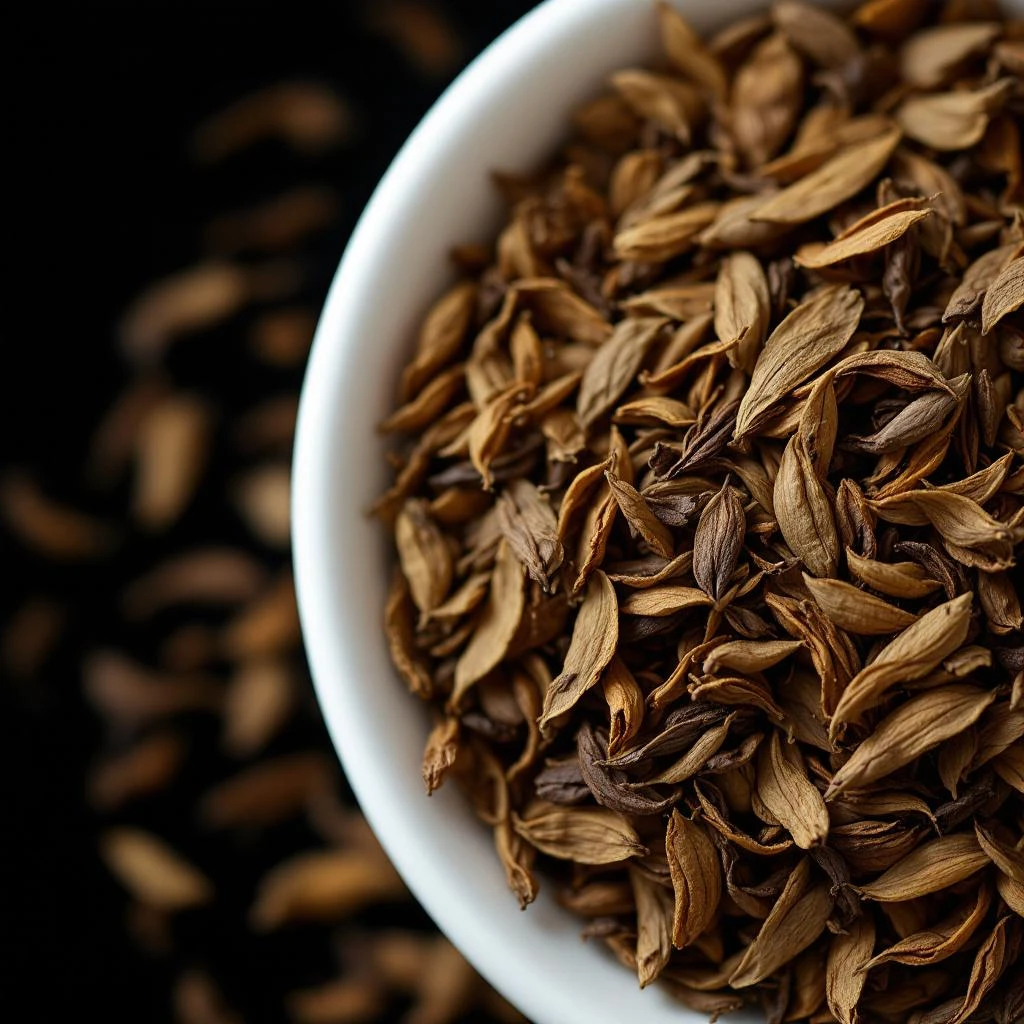
Ivy Seed
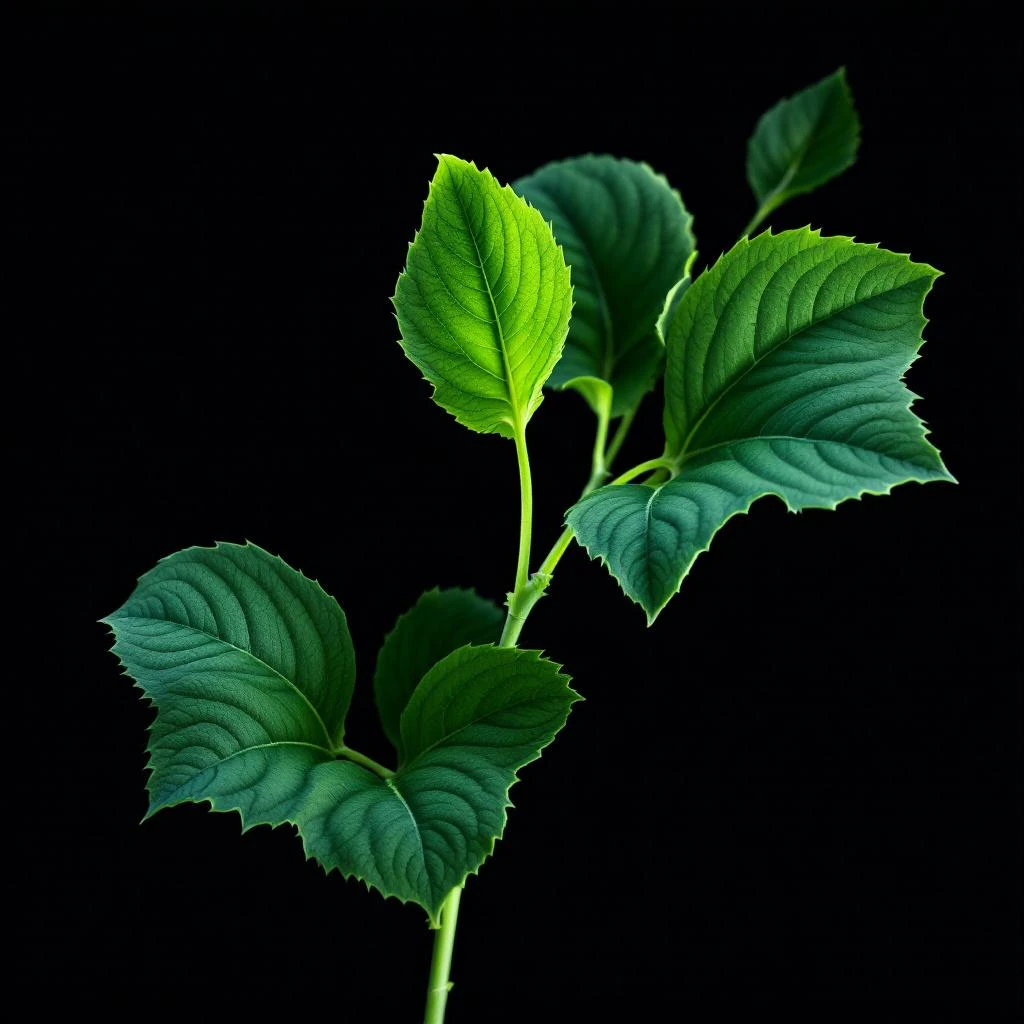
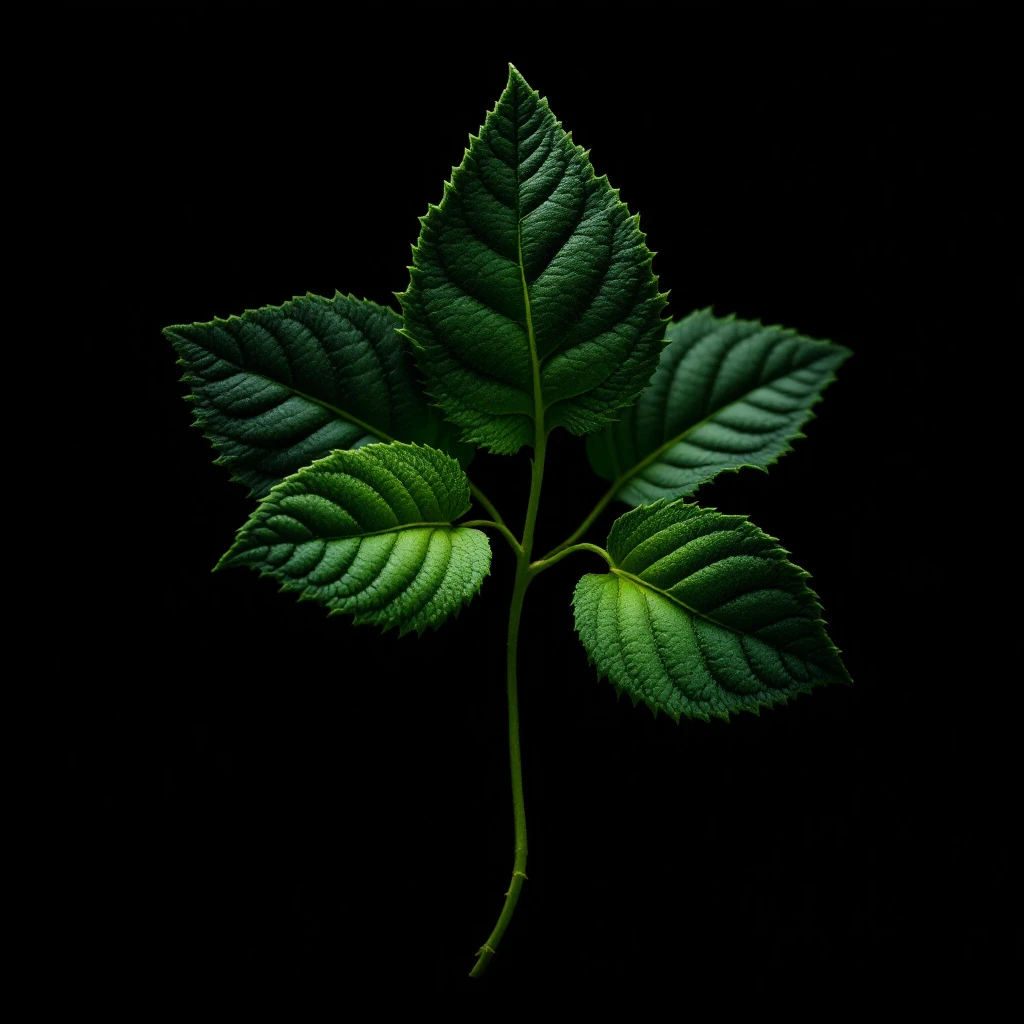
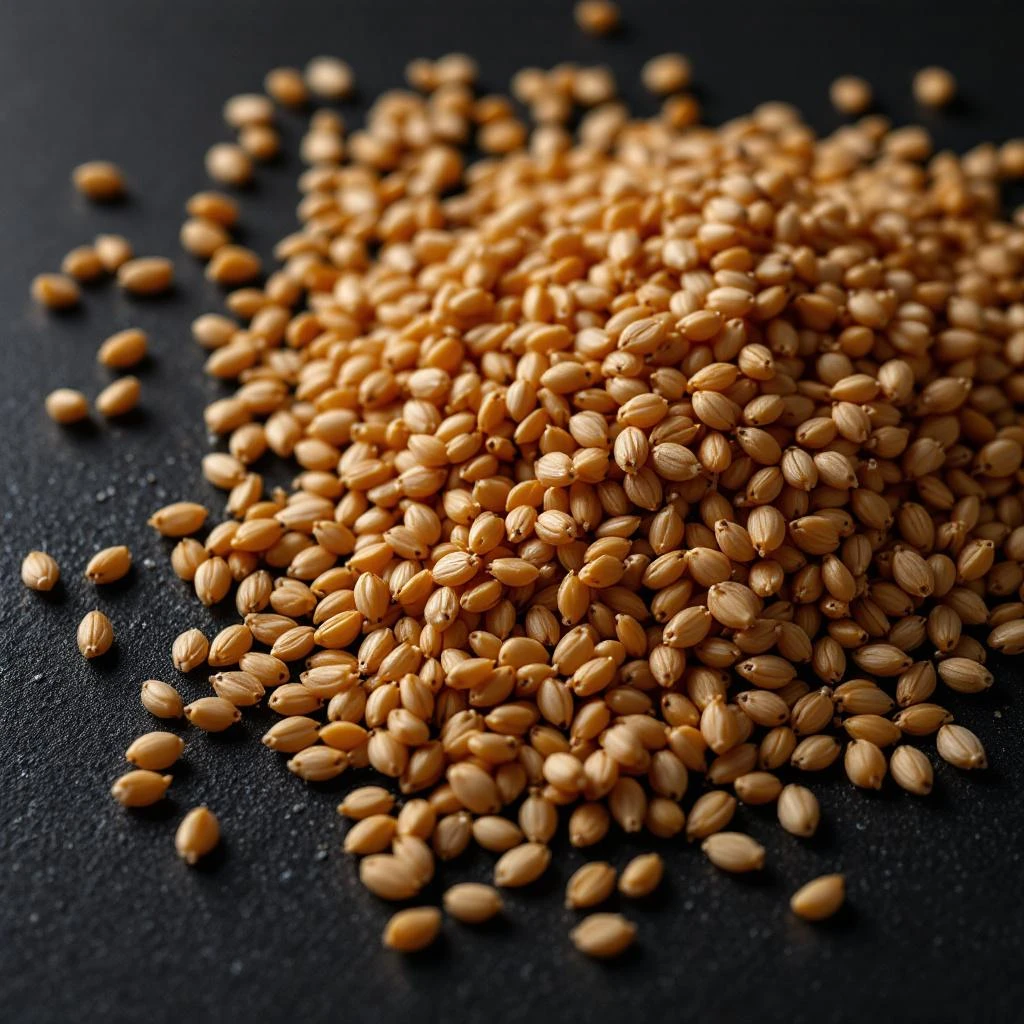
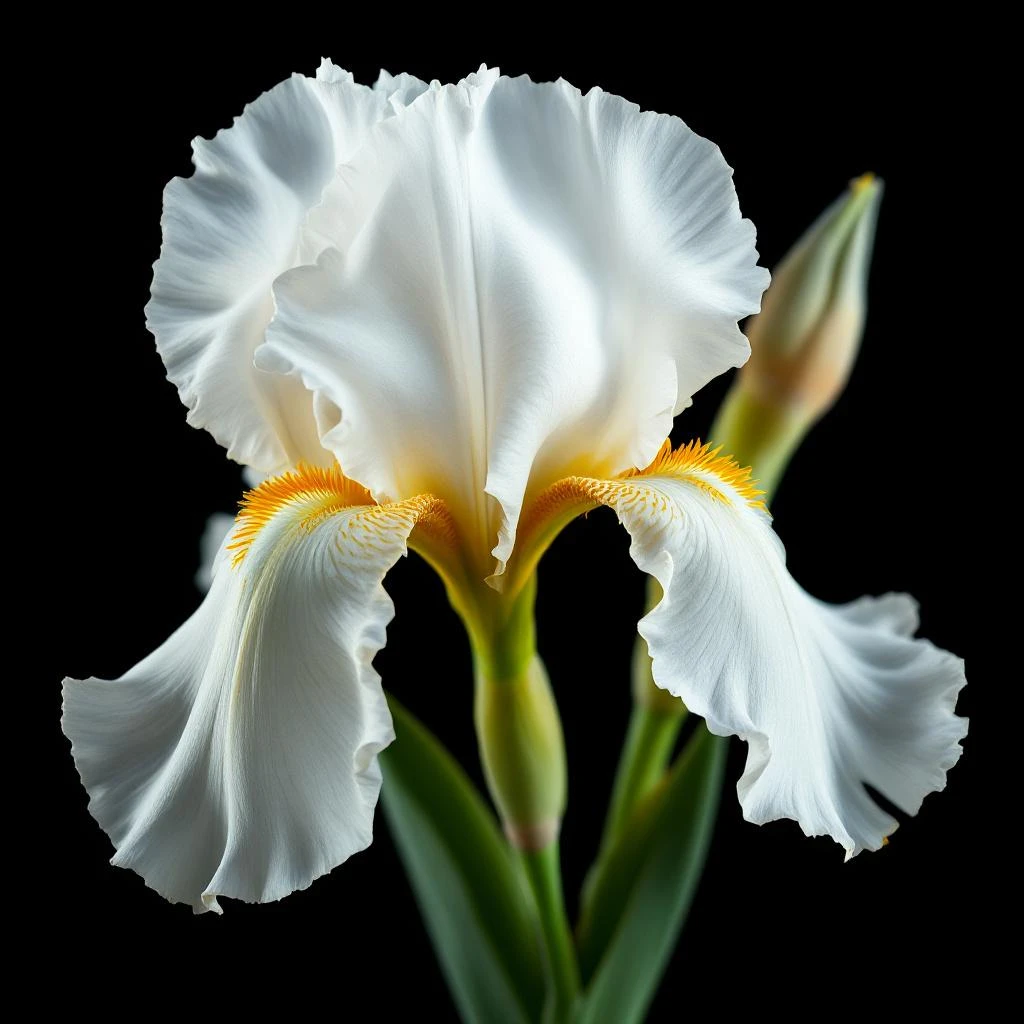
Ivy seed carries a cool, green, slightly metallic note that whispers of forest shadow and damp stone. Rare in modern perfumery, it anchors green compositions with an earthy, almost mineral facet.
Character
How it smells
The hidden green of the climbing vine
Ivy seeds were once carried as protective charms in medieval Europe, believed to ward off plague and evil spirits long before their scent potential was recognized.
Origin
United Kingdom
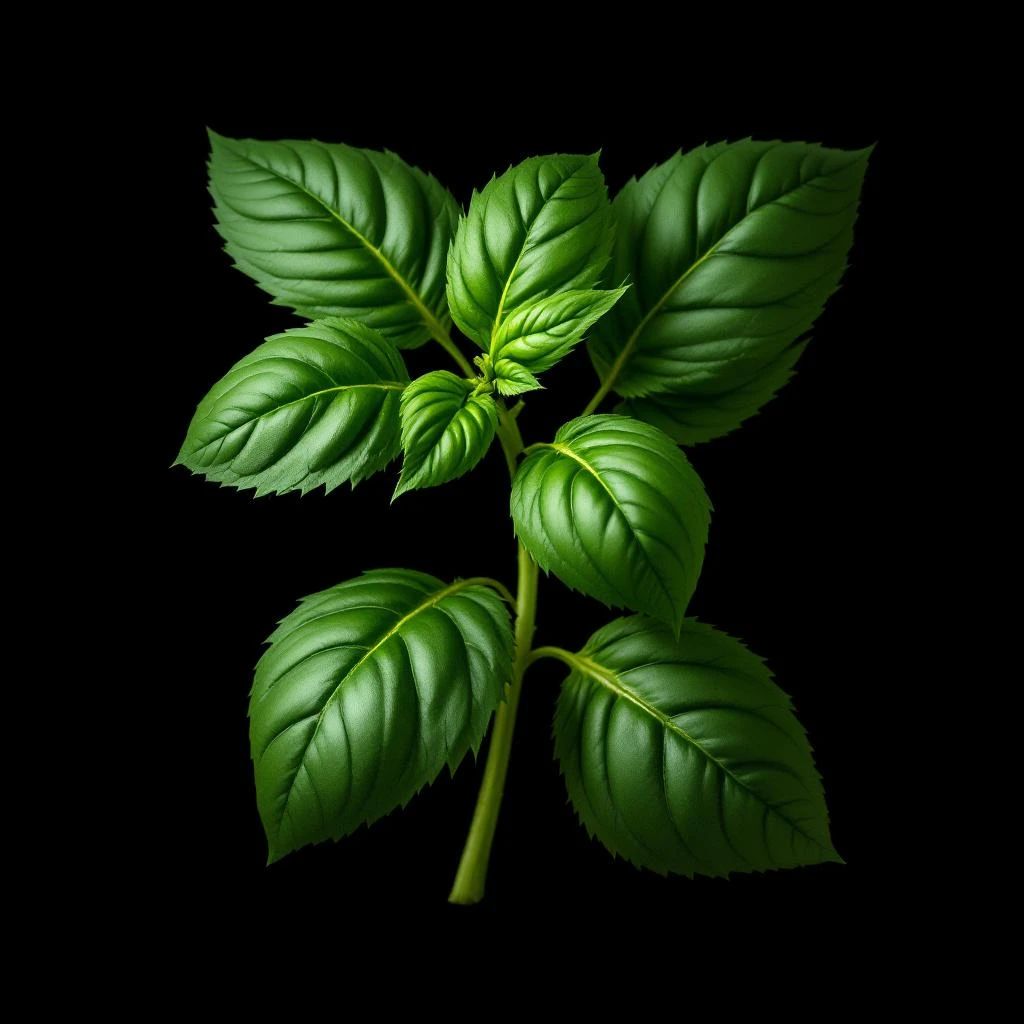
Common ivy, Hedera helix, wound itself through European pharmacopoeias for centuries before perfumers took serious interest in its seeds. Ancient Greek physicians prescribed ivy berry extracts for coughs and congestion, while medieval herbalists ground the seeds into protective amulets.
The plant's symbolic ties to fidelity and immortality kept it prominent in folk traditions from the British Isles to the Caucasus. Its transition into fragrance history came late, primarily during the twentieth century when green-aldehyde accords surged in popularity.
Ivy appeared as a subtle modifier in chypre and fougan architectures rather than a star ingredient, lending a damp, shadowy realism to compositions. Contemporary niche perfumers occasionally revive the note, drawn to its rarity and the raw, mineral edge it contributes to naturalistic green themes.
Wears it best
Fragrances featuring Ivy Seed
Brands
Brands known for Ivy Seed
Good to know
Questions, answered
The essentials on Ivy Seed in perfumery: how it smells, where it comes from, and how it behaves on skin.
What does ivy seed smell like in perfume?
Ivy seed contributes a cool, green, faintly metallic note with damp earthy undertones. It reads as shadowy and mineral, evoking forest floor rather than fresh-cut foliage.
Is ivy seed a common fragrance ingredient?
No. Ivy seed is rare in modern perfumery due to low volatile yield and costly extraction. It appears mainly in niche or vintage green compositions as a subtle modifier.
How is ivy seed oil extracted?
Producers typically use solvent extraction on dried ripe berries, yielding a dark olive absolute. Steam distillation is rarely viable because the seeds contain only trace volatile oils.
Which perfumes feature ivy seed?
Ivy seed features more as a background accord than a headline note, historically used in green fougan and chypre structures. Specific listings are uncommon because perfumers rarely disclose this obscure ingredient.
Is ivy seed safe to apply on skin?
At diluted perfumery concentrations, processed ivy seed absolute is generally considered safe. Raw Hedera helix berries are toxic if ingested and should never be applied undiluted.
Where does ivy seed originate?
Common ivy grows wild across Western Europe, particularly in the British Isles, France, and Germany. Most perfumery-grade material historically sources from temperate woodland regions.
Does ivy seed have symbolic meaning in perfumery?
Ivy has long symbolized fidelity and eternal life in European folklore. In fragrance, its green-mineral character carries connotations of mystery, shadow, and ancient woodland.
Can ivy seed be replicated synthetically?
Yes. Perfumers often recreate the ivy seed effect using aldehydes like cis-3-hexenol blended with methyl benzoate. These synthetic reconstructions offer consistency absent in natural extraction.