Fennel Pollen
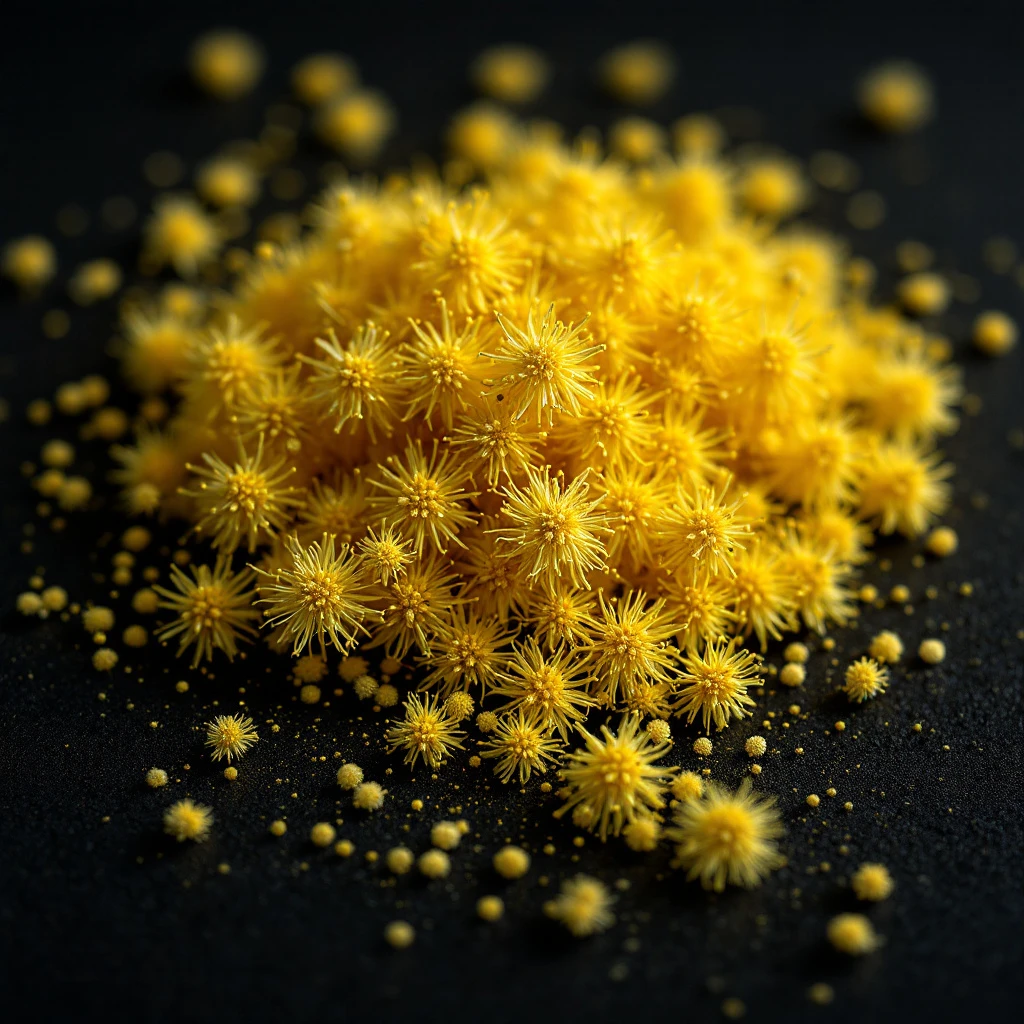
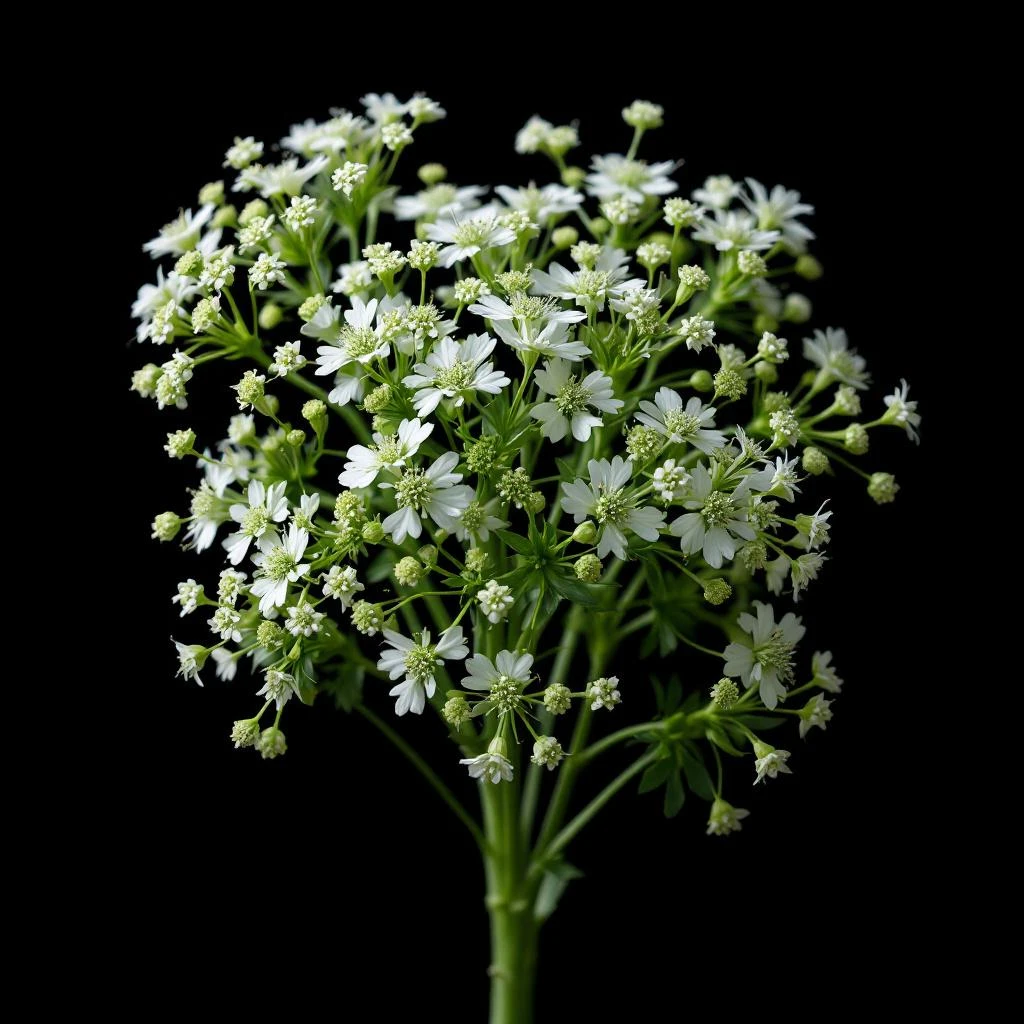
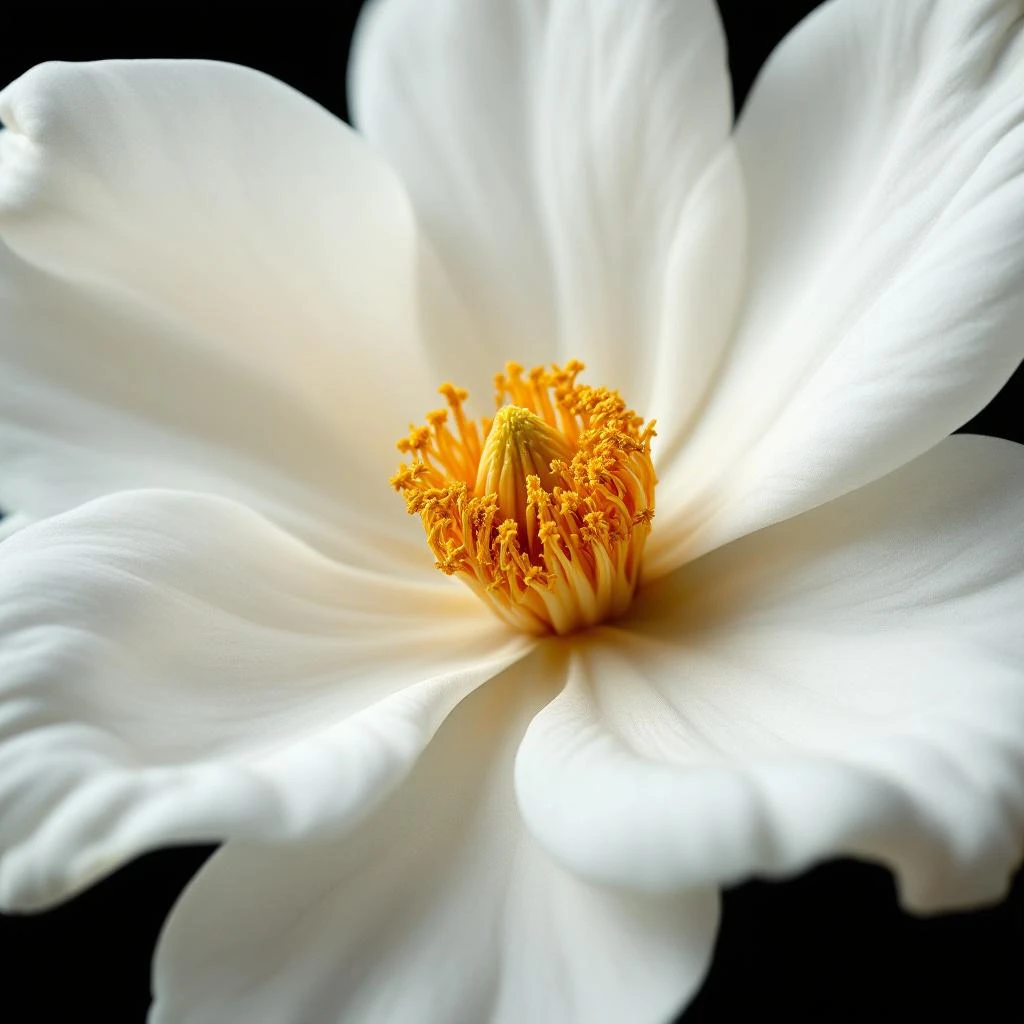
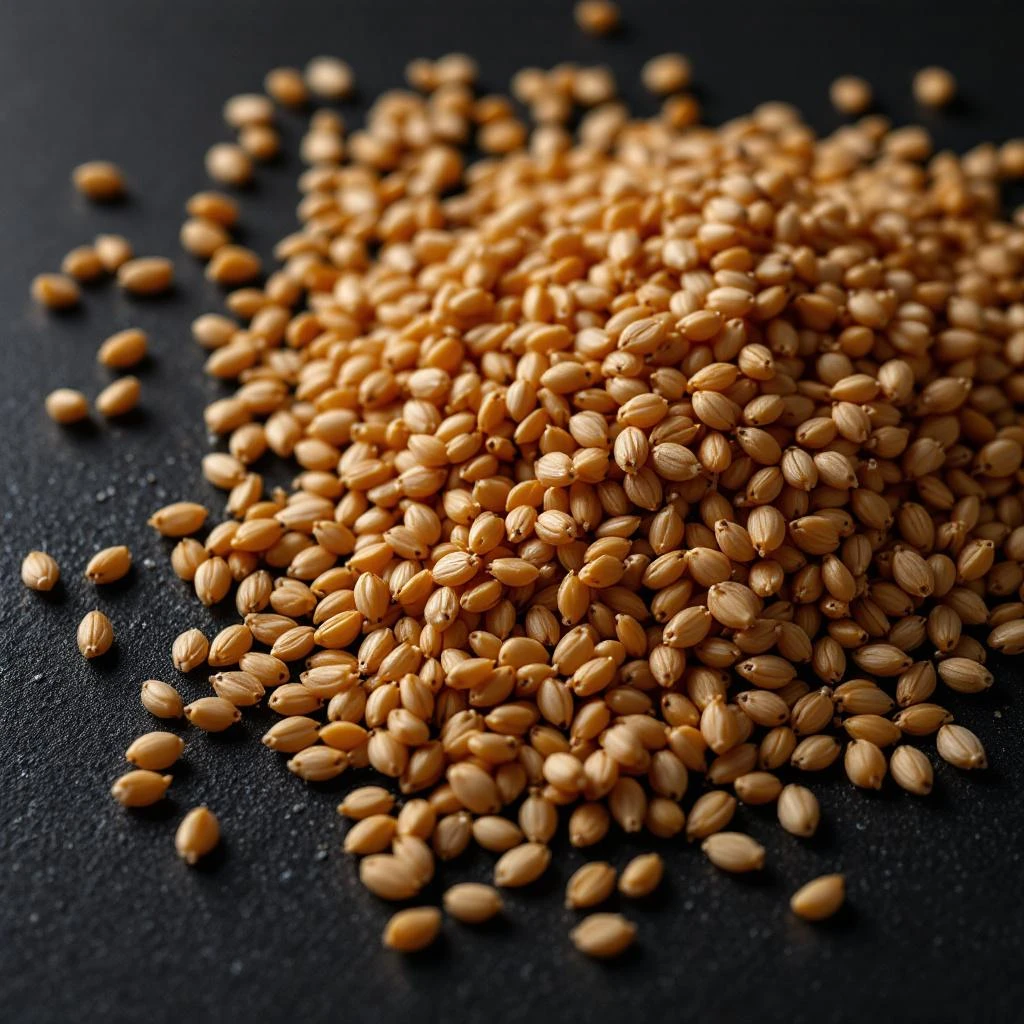
Fennel pollen captures the essence of Mediterranean hillsides in golden dust. This rare botanical carries the plant's characteristic green, anise-forward profile into perfumery as an artisanal treasure prized by perfumers seeking authentic botanical nuance.
Character
How it smells
Mediterranean sunshine in a grain.
Each fennel flower head can yield only trace amounts of pollen, making this one of perfumery's most labor-intensive natural materials to collect.
Origin
Turkey
Fennel has accompanied Mediterranean civilizations for millennia, appearing in ancient Egyptian medical texts and serving as a staple in Greek and Roman kitchens alike. The Romans considered fennel both a culinary herb and a purifying plant, sometimes placing it at thresholds to ward off negative influences.
While the plant's seeds and fronds have long enjoyed widespread use, the specific collection of fennel pollen for aromatic purposes emerged more recently, driven by the contemporary artisanal perfumery movement. This movement, which gained momentum in the early 2000s, prompted fragrance creators to explore unconventional botanical sources beyond the established palette of traditional materials.
Fennel's Mediterranean heritage connects it to the same landscape that gave rise to modern perfumery in Grasse, France, creating an appealing narrative link for perfumers working with this material. Today, fennel pollen represents a bridge between ancient botanical appreciation and modern niche perfumery's quest for distinctive ingredients.
Wears it best
Fragrances featuring Fennel Pollen
Brands
Brands known for Fennel Pollen
Good to know
Questions, answered
The essentials on Fennel Pollen in perfumery: how it smells, where it comes from, and how it behaves on skin.
What does fennel pollen smell like in a fragrance?
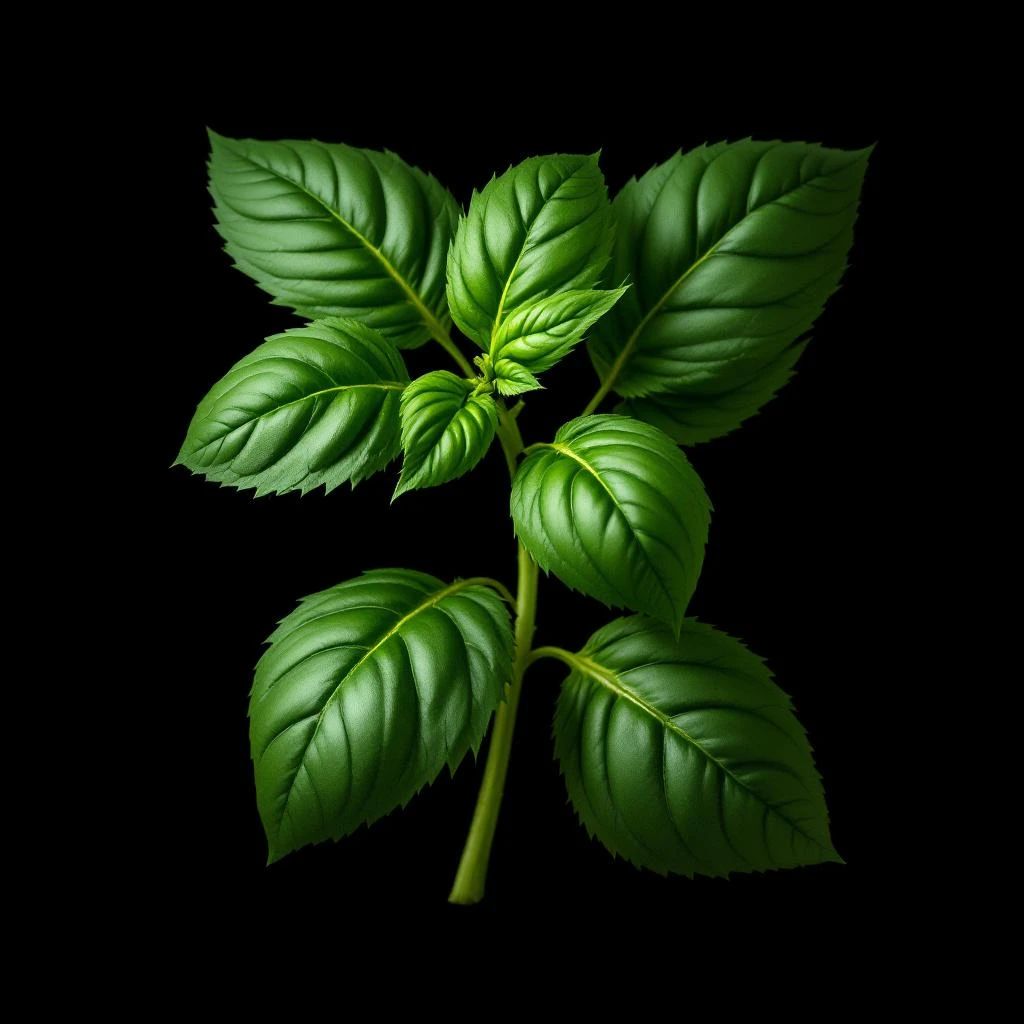
Fennel pollen contributes green, herbaceous character with subtle anise or licorice undertones. It adds aromatic complexity rather than dominant scent, functioning as a supporting botanical note that enhances compositions seeking authentic herbal freshness.
Is fennel pollen a sustainable fragrance ingredient?
Wild-harvested fennel pollen presents sustainability challenges due to extremely limited yields. Production remains small-scale and seasonal, which naturally constrains supply without requiring intensive cultivation practices.
Which fragrance families commonly use fennel pollen?
Niche and artisanal perfumers incorporate fennel pollen most frequently in green, aromatic, and botanical fragrance families. It appears primarily in perfumes aiming for Mediterranean herbal authenticity.
How long has fennel pollen been used in perfumery?
Specific pollen collection from fennel for fragrance purposes dates to roughly two decades ago, emerging from the artisanal perfumery movement that explores unconventional botanical sources.
What part of the fennel plant is used in perfumery?
The pollen itself is collected directly from fennel flower umbels. This differs from traditional fennel essential oil, which derives from steam distilling the plant's seeds.
Can fennel pollen be combined with other aromatic materials?
Fennel pollen pairs well with citrus, other Mediterranean herbs, and green base notes. It harmonizes naturally with ingredients sharing its geographic origins, such as lavender and rosemary.
Why is fennel pollen considered rare in perfumery?
The combination of microscopic per-flower yield, seasonal bloom constraints, and the absence of commercial harvesting infrastructure makes fennel pollen exceptionally scarce compared to conventional botanical materials.
Where does fennel grow wild for pollen collection?
Wild fennel thrives throughout the Mediterranean basin, particularly in Turkey, Greece, Italy, and southern France. The plant prefers rocky, coastal, and roadside environments typical of Mediterranean climates.