Istanbul Rose
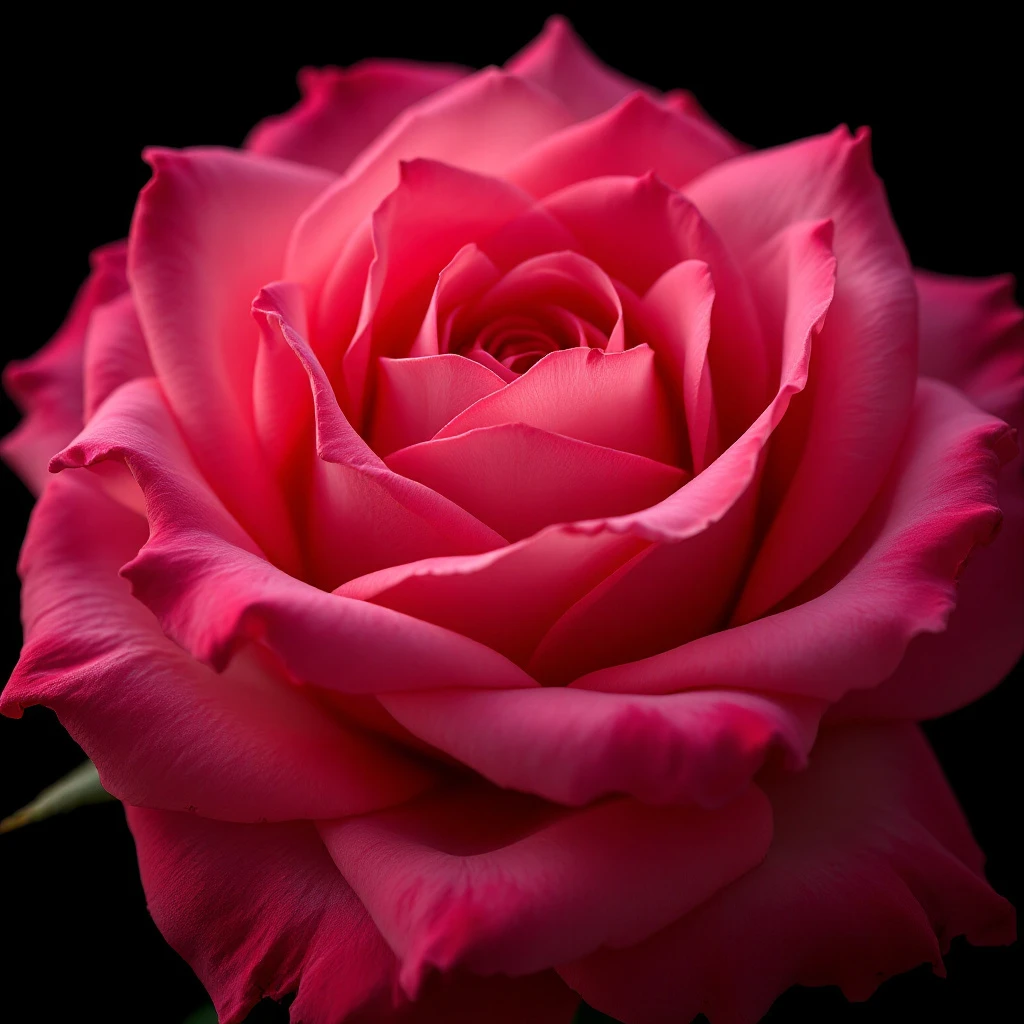
A storied bloom cultivated across centuries of Ottoman and Anatolian perfumery. Istanbul Rose carries a rich, honeyed sweetness layered with green, spicy facets that distinguish it from lighter Damascene varieties.
Character
How it smells
Ancient bloom, unmistakable depth
Rose cultivation in Istanbul dates to a 1587 imperial decree relocating roses from Edirne to the Old Palace Gardens for the sultan.
Pairs beautifully with






Origin
Turkey
Rose essence extraction is among humanity's oldest perfumery arts. Archaeological and textual evidence places early distillation techniques in Persia and Egypt around 3000 BCE, where rosewater and infused oils served ritual, medicinal, and cosmetic purposes.
By the 17th century, rose cultivation had spread westward through the Ottoman Empire, with Istanbul emerging as a center of refinement rather than bulk production. A 1587 imperial edict records the relocation of prized rose bushes from Edirne to the Old Palace Gardens in Istanbul, establishing the city as a horticultural capital for the flower. Ottoman perfumers in Istanbul and Bursa blended rose essences with musk, amber, and citrus to create compositions that reached European courts through trade routes.
The specific cultivar associated with Turkish rose production today, Rosa damascena, arrived in Anatolia from Bulgaria in 1894, carried by a farmer who recognized its commercial potential. The Turkish government later established protected harvest regions to safeguard quality. Meanwhile, in 18th-century Morocco, Arab and Berber communities scaled rosewater production through traditional copper stills, spreading the craft across North Africa. Rose reached France through Marie Antoinette, who favored Turkish rose preparations at Versailles, cementing its status across continents.
Wears it best
Fragrances featuring Istanbul Rose
Brands
Brands known for Istanbul Rose
Good to know
Questions, answered
The essentials on Istanbul Rose in perfumery: how it smells, where it comes from, and how it behaves on skin.
What makes Istanbul Rose different from other rose varieties?
Istanbul Rose is typically sourced from Rosa damascena grown in Anatolian microclimates near Isparta. It offers a deeper, more honeyed profile with pronounced spicy-green facets, distinguishing it from lighter Damascene roses grown in Bulgaria or Iran.
When are Istanbul Rose petals harvested?
Harvest occurs in late May through early June, during a narrow four-to-six week window. Pickers begin before sunrise to capture peak oil concentration before daytime heat causes volatile compounds to evaporate from the petals.
How much rose is needed to produce rose oil?
Producing one kilogram of rose essential oil requires approximately 3.5 to 4 tons of fresh petals. This extreme yield ratio makes genuine rose oil one of the most expensive natural ingredients in perfumery.
What extraction methods are used for Istanbul Rose?
Steam distillation produces the volatile essential oil favored in fine fragrance. Solvent extraction yields rose absolute, a richer material with greater molecular complexity and better tenacity in finished compositions.
Where did rose cultivation in Istanbul begin?
A 1587 imperial decree relocated rose bushes from Edirne to Istanbul's Old Palace Gardens. This established the city as a horticultural hub where Ottoman perfumers refined rose-based compositions for centuries.
Is Istanbul Rose the same as Damascus Rose?
Yes, botanically they refer to Rosa damascena, a hybrid tracing to the Middle East and Mediterranean. The names reflect geographic tradition rather than genetic difference, though terroir influences the final scent profile.
How long does rose essence production history extend?
Evidence places rose essence extraction in Persia and Egypt around 3000 BCE. By the 17th century, cultivation had spread through Ottoman territories, reaching its commercial peak in 18th and 19th century Anatolia.
Why is Turkish rose oil so highly regarded?
Turkish rose oil benefits from strict government oversight, protected harvest regions in Isparta, and centuries of accumulated expertise. These factors combined with ideal soil and altitude produce an oil prized for consistency and depth.





