Iris Tingitana
Iris tingitana, the Moroccan iris, yields one of perfumery's most treasured materials. Its rhizomes develop a coveted powdery, woody character through years of careful cultivation and processing.

Character
How it smells
Morocco's precious powdery treasure
Unlike most floral ingredients, iris essence comes not from petals but from underground rhizomes that must age three years before extraction.





Origin
Morocco
Iris tingitana takes its name from Tangier, the historic gateway city of northern Morocco where this species thrives along coastal hillsides. While Iris pallida from Tuscany claims the longest history in European perfumery, Moroccan perfumers have long harvested their native iris for local use and trade.
The broader iris tradition arrived in France during the sixteenth century when Catherine de Medici, having received the ingredient from Italian contacts, introduced it to the French court. French perfumers of the nineteenth century refined extraction techniques and began systematically using iris essence to create soft, powdery fragrances that appealed to both women and men.
Morocco's distinct terroir produces an iris with subtly different character than its Italian and French counterparts, offering perfumers a geographic variation on this legendary ingredient. Today, Morocco remains one of the three primary cultivation regions alongside Italy and France, though Iris tingitana remains less widely recognized than the Florentine variety despite its quality.
Wears it best
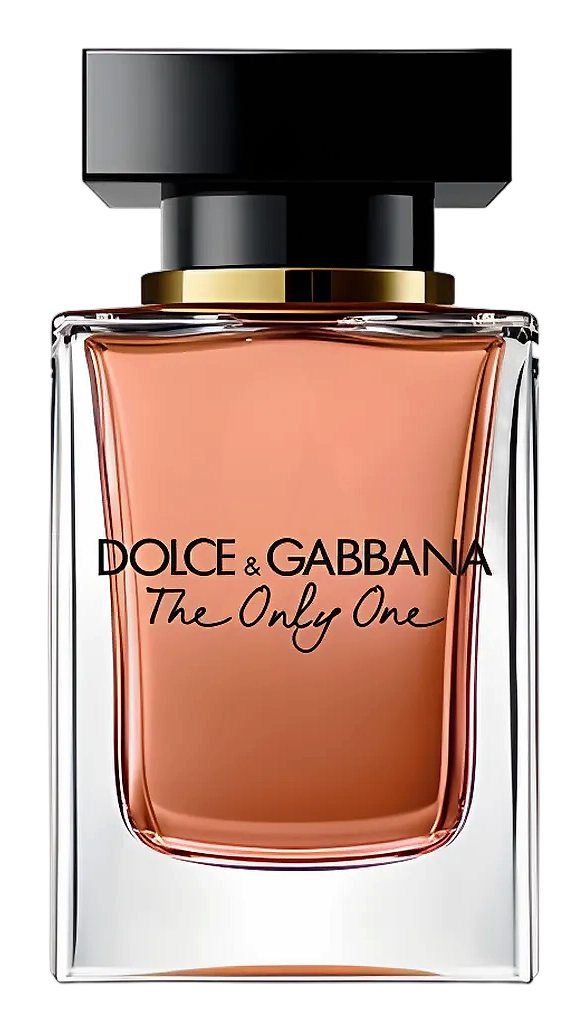
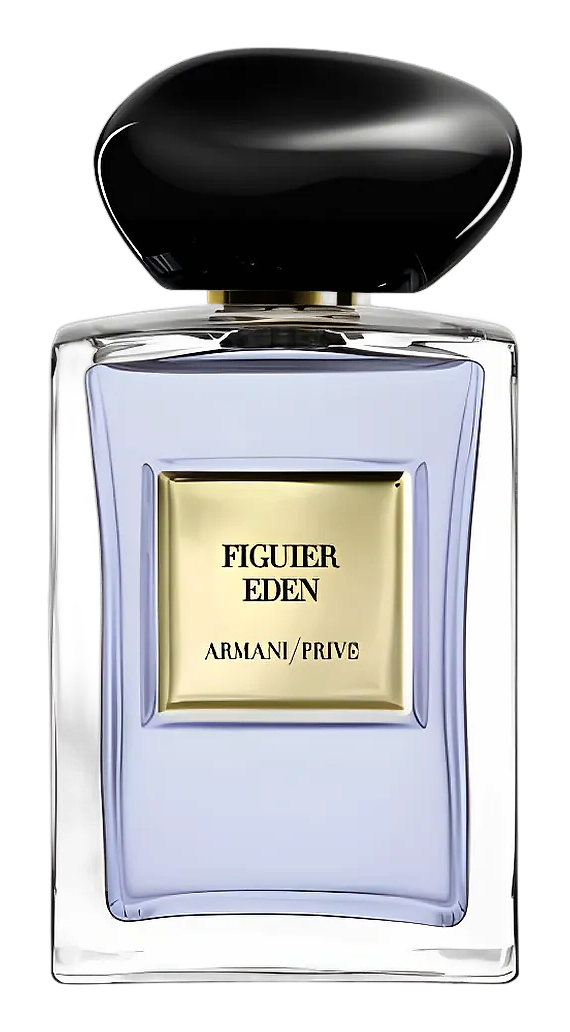
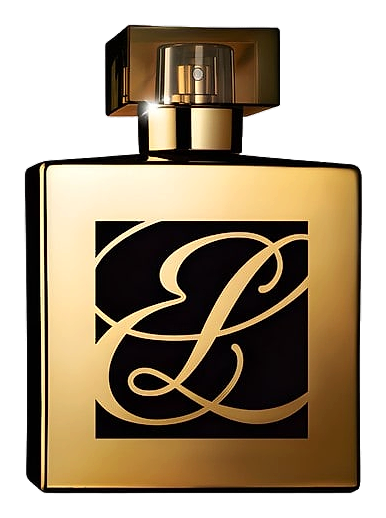
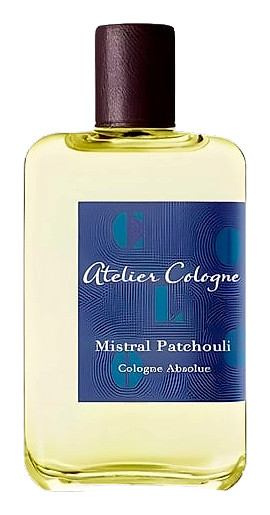
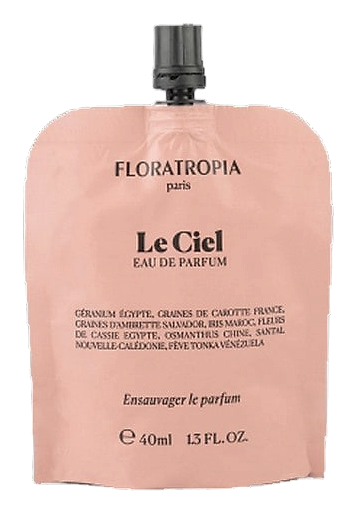
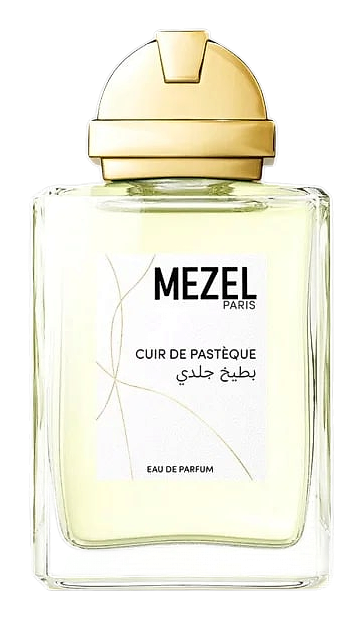
Fragrances featuring Iris Tingitana
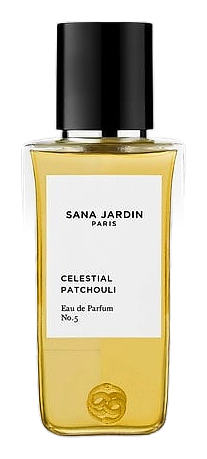
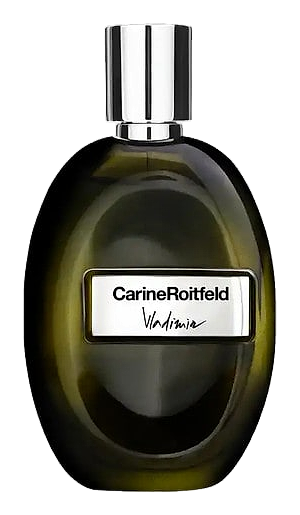
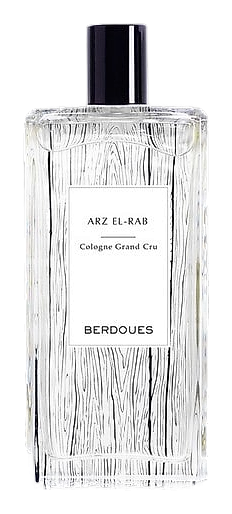
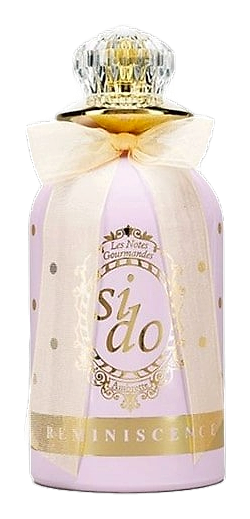
Brands
Brands known for Iris Tingitana
Good to know
Questions, answered
The essentials on Iris Tingitana in perfumery: how it smells, where it comes from, and how it behaves on skin.
What does Iris tingitana smell like?
Iris tingitana presents a powdery, violet-like aroma with woody undertones and a subtle earthy quality. Unlike fresh floral notes, it carries a refined, almost waxy softness that adds elegant dimension to fragrance compositions.
Why is iris so expensive in perfumery?
Iris commands premium prices because the rhizomes require three to four years of cultivation before harvest, followed by extensive drying and processing time. This extended timeline creates significant production costs.
Is Iris tingitana the same as orris root?
Iris tingitana produces orris-type materials, but the term orris typically refers to Iris germanica and Iris pallida cultivars grown in Italy and France. Each geographic origin imparts slightly different aromatic characteristics.
Which parts of the iris plant are used in perfumery?
Perfumery uses the underground rhizomes, not the flowers. The fleshy root structures must be dried and processed to develop the characteristic powdery scent profile.
How long must iris rhizomes dry before processing?
Freshly harvested rhizomes smell nothing like the finished ingredient. They require weeks of drying, during which enzymatic processes transform their chemistry and develop the signature powdery aroma.
What extraction method produces iris concrete?
Producers use solvent extraction on dried, ground rhizomes to produce a concrete, which is then further processed into an absolute suitable for fragrance formulation.
What climates suit Iris tingitana cultivation?
Iris tingitana thrives in temperate climates with well-drained soils. Morocco's coastal and hillside regions provide these conditions, along with the Mediterranean warmth the plant requires.
Does synthetic iris exist as an alternative?
Synthetics like irone and irisone attempt to replicate aspects of natural iris, but they cannot fully reproduce the complex, nuanced character that develops through the natural extraction process.




