Iris Pallida Root
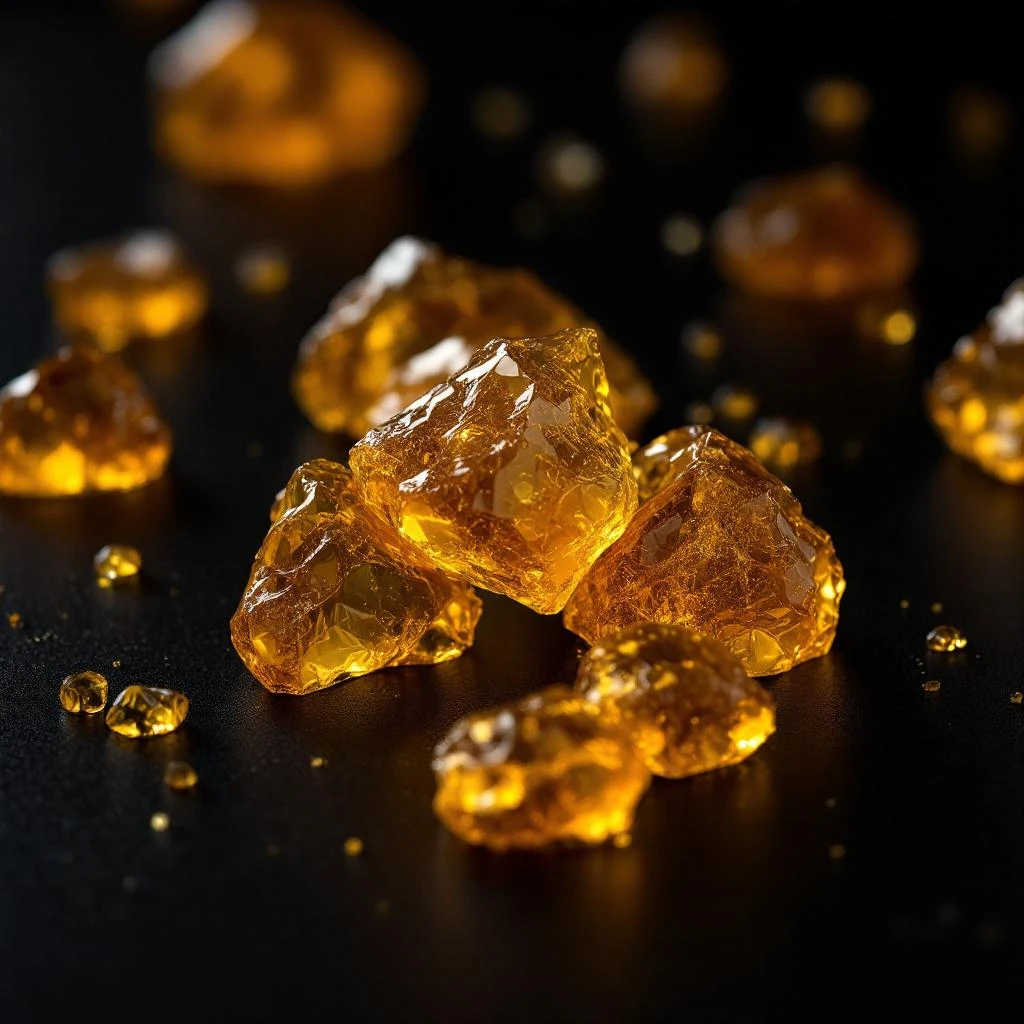
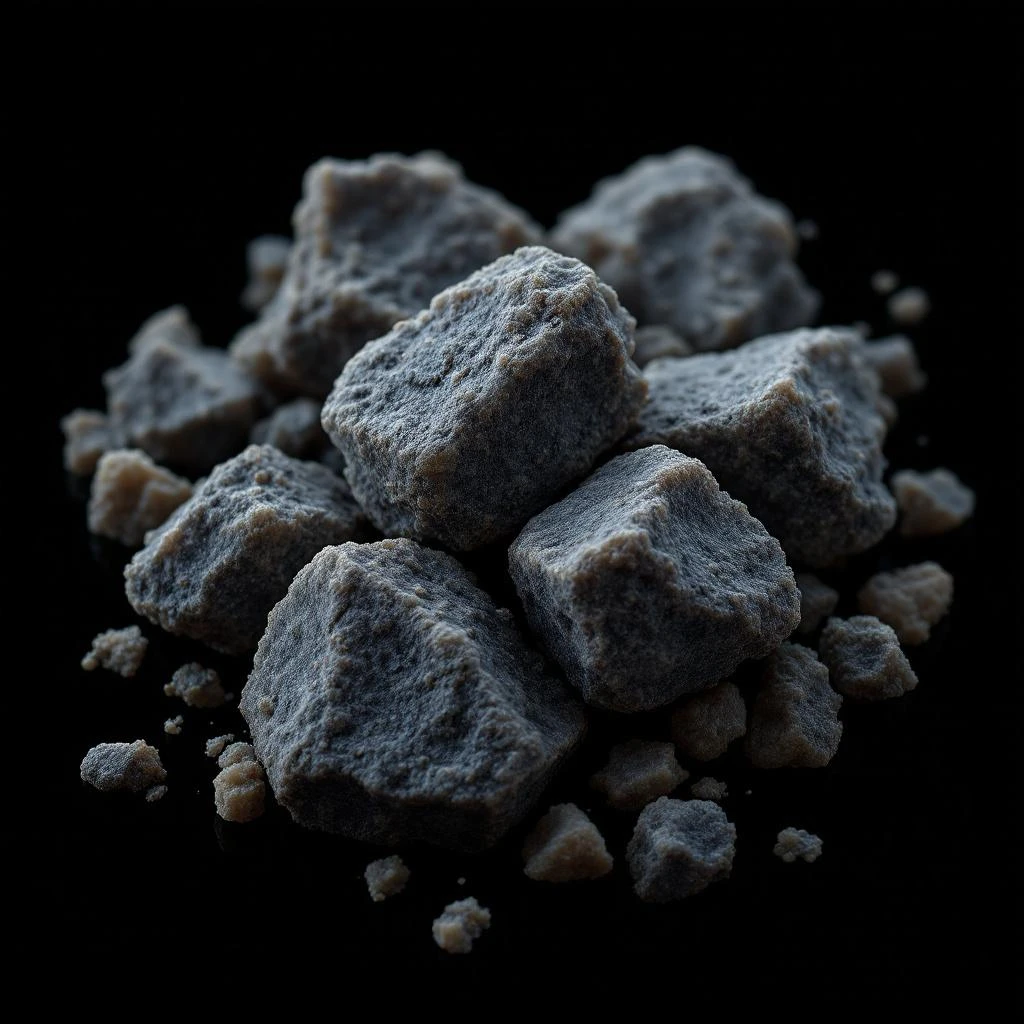
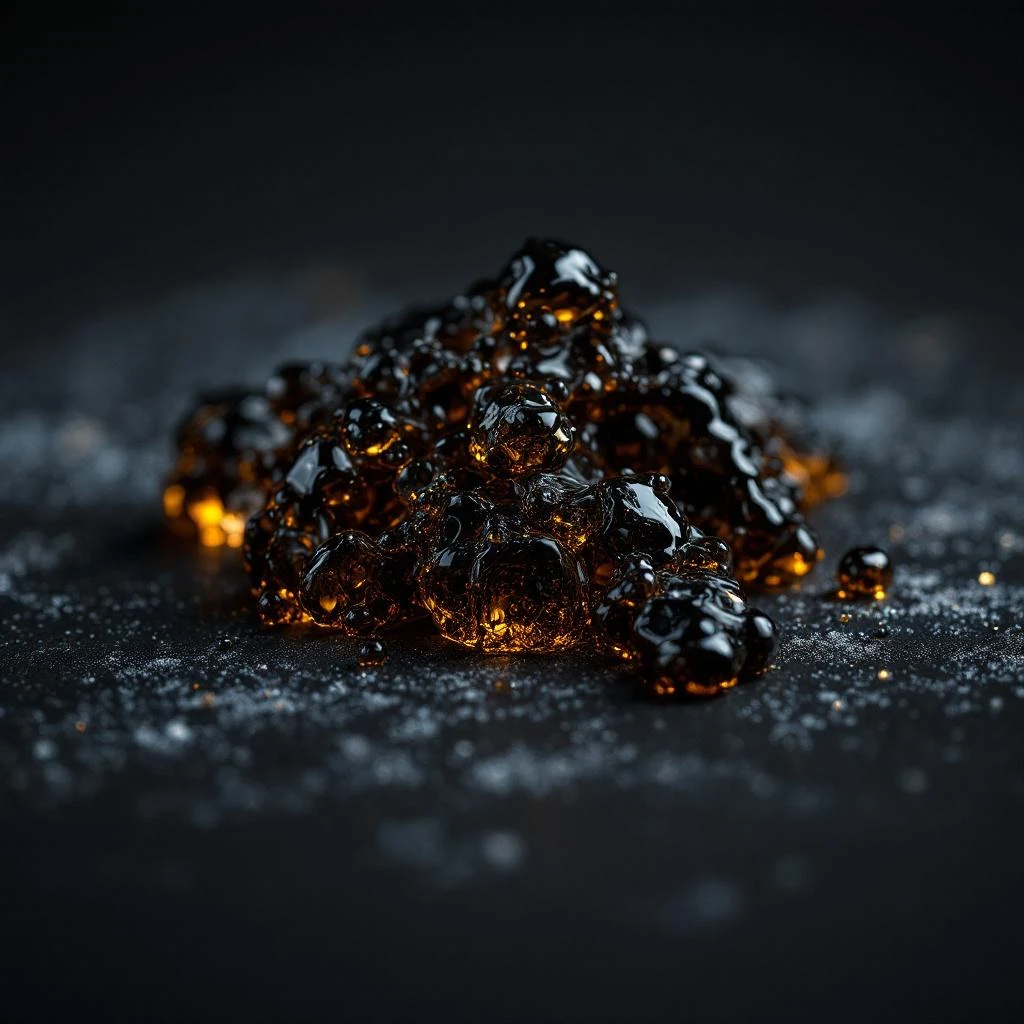
Iris Pallida Root (orris) is one of perfumery's most precious natural materials. Its rhizomes spend years maturing underground before yielding a violet-tinged, powdery essence found in chypres, florals, and iconic bases worldwide.
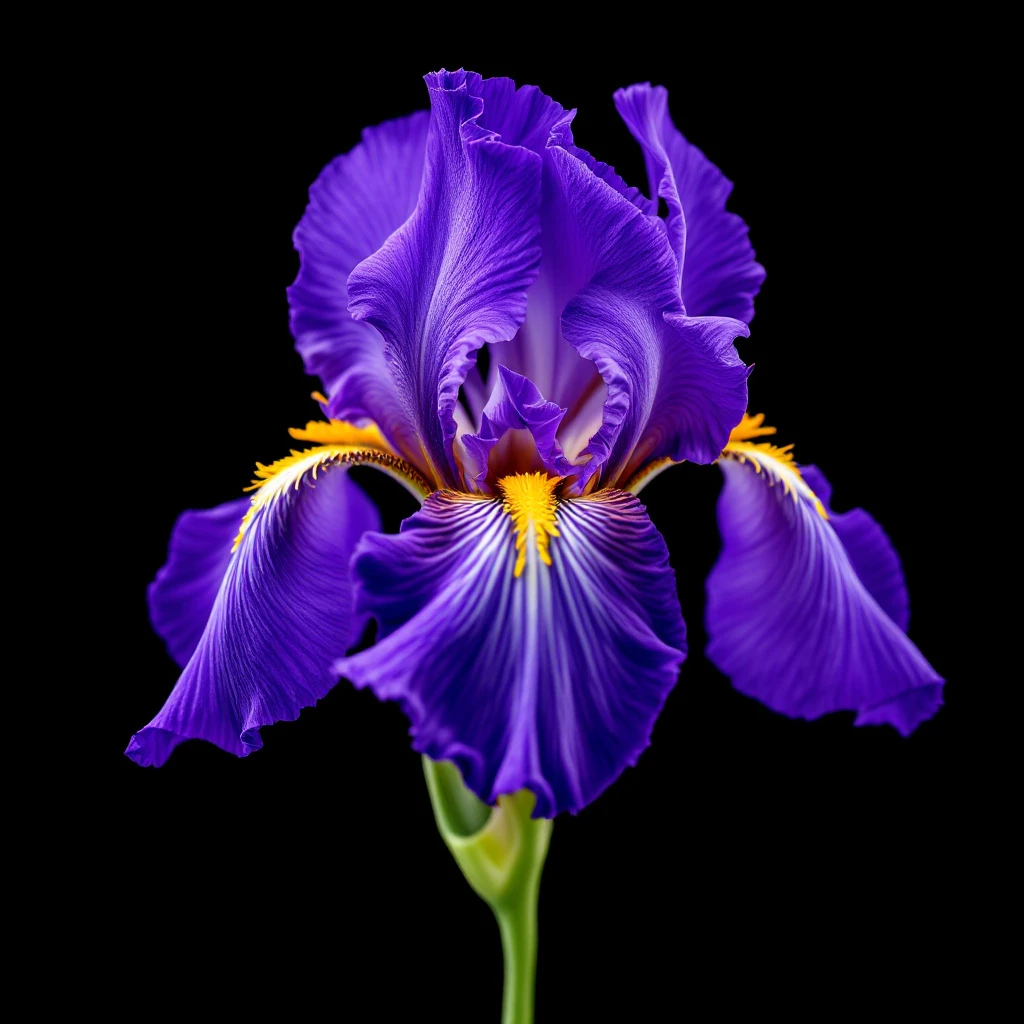
Character
How it smells
Patience underground, powder at the top.
It takes up to five years for Iris pallida rhizomes to develop enough of their signature irones to be worth harvesting, one of the longest waits in all of perfumery.



Origin
Italy
Iris pallida carries one of the longest pedigrees in fragrance history. Ancient Egyptians used dried orris rhizomes in incense and unguent formulations more than three thousand years ago, valuing aged material that had mellowed in storage. During the Renaissance, orris root became a fixture at the court of Catherine de' Medici, who helped spread its use across France as a fixative in powders and sachets.
By the 18th century, dried iris root was a major commodity in Italian perfumery, milled for cosmetic face powders and potpourri. In the late 19th century, growers shifted from Iris germanica var. florentina to Iris pallida as the dominant commercial cultivar.
Chemist Louis-Édouard Tiemann established its primary aromatic components in 1893, and the rise of classic chypre and oriental compositions cemented irises place in perfumery. Today it remains among the most expensive naturals per kilogram, a plant whose value is measured in years.
Wears it best
Fragrances featuring Iris Pallida Root
Brands
Brands known for Iris Pallida Root
Good to know
Questions, answered
The essentials on Iris Pallida Root in perfumery: how it smells, where it comes from, and how it behaves on skin.
What does Iris Pallida Root smell like in perfume?
Orris root smells powdery, soft, and slightly sweet with violet-floral and earthy undertones. It functions as a fixative, lending a creamy, suede-like texture to florals and chypre compositions for hours after application.
Why is orris root so expensive?
Orris root demands years of patience. Rhizomes grow three to five years before harvest, and roughly one metric ton of fresh roots yields only a few kilograms of distilled oil. That long cultivation combined with low oil yield drives prices to the top of natural perfumery ingredients.
Where is Iris pallida primarily grown?
Italy, specifically Tuscany near the village of San Polo, is the historic center of Iris pallida cultivation. Morocco and China are also significant producers, with French growers successfully cultivating a Landes Iris pallida extract since 2005.
What is the difference between orris butter and orris absolute?
Orris butter is a waxy solid produced via steam distillation, prized for its smooth, powdery quality. Orris absolute is obtained through solvent extraction, yielding a richer, deeper, more honeyed-vetiver-like profile favored in classic chypres.
When was iris first used in perfumery?
Iris has a documented scented history stretching more than three thousand years to ancient Egypt, where aged orris root featured in incense blends. It spread into European perfumery during the Renaissance through Catherine de' Medici's French court.
Why must orris rhizomes be aged before extraction?
Fresh rhizomes contain irone precursors, not irones themselves. Slow air-drying and curing for months or even years oxidizes those precursors into the irones that give orris its violet and powdery signature scent.
Which famous fragrance families rely on orris root?
Orris is a backbone of classic chypres and oriental fragrances, alongside powdery florals and iris-focused compositions. It anchors formulas from late 19th-century originals to contemporary releases built around violet and suede accords.
Is Iris pallida a sustainable perfumery ingredient?
Sustainability is mixed. The multi-year cultivation cycle limits overharvesting, yet market demand exceeds Tuscan supply, prompting many formulas to use synthetic irones like alpha-irone and methyl ionone for scale.




