Iris Concrete Synth
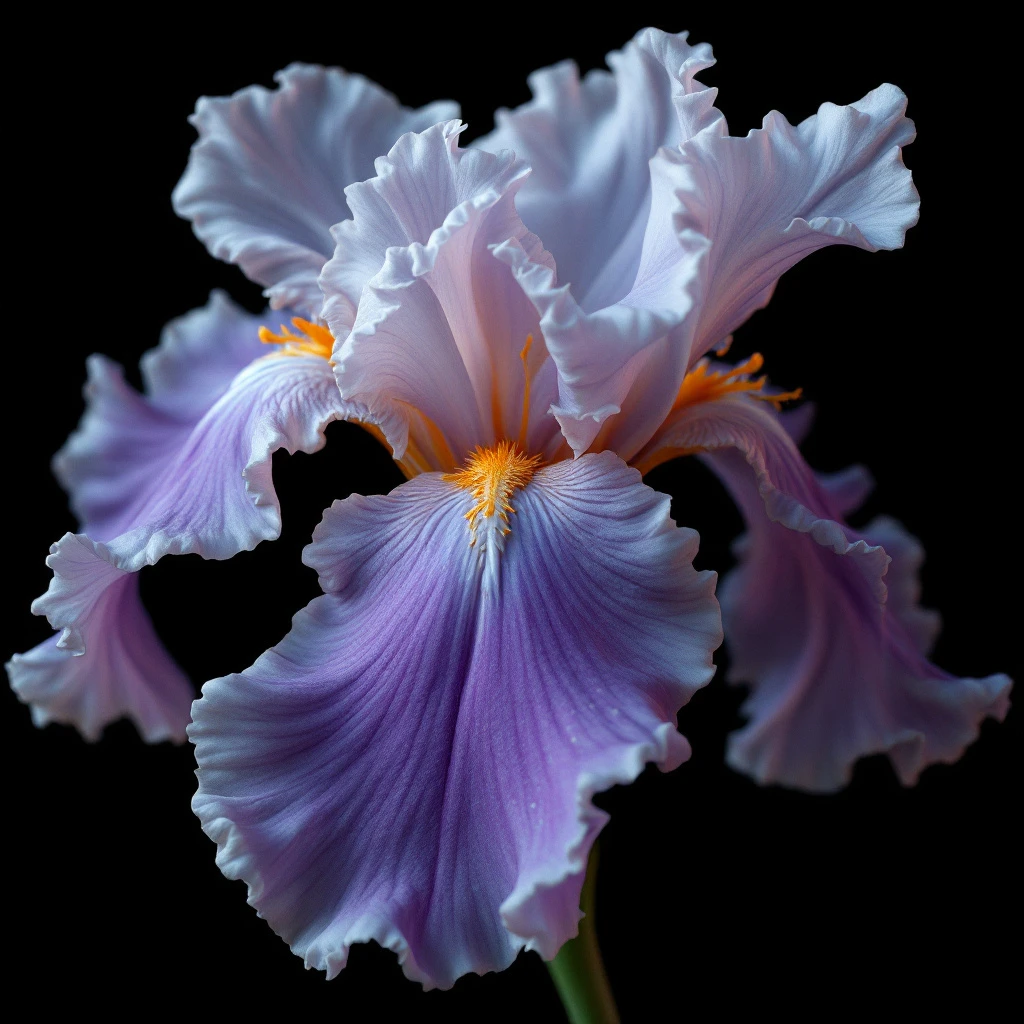
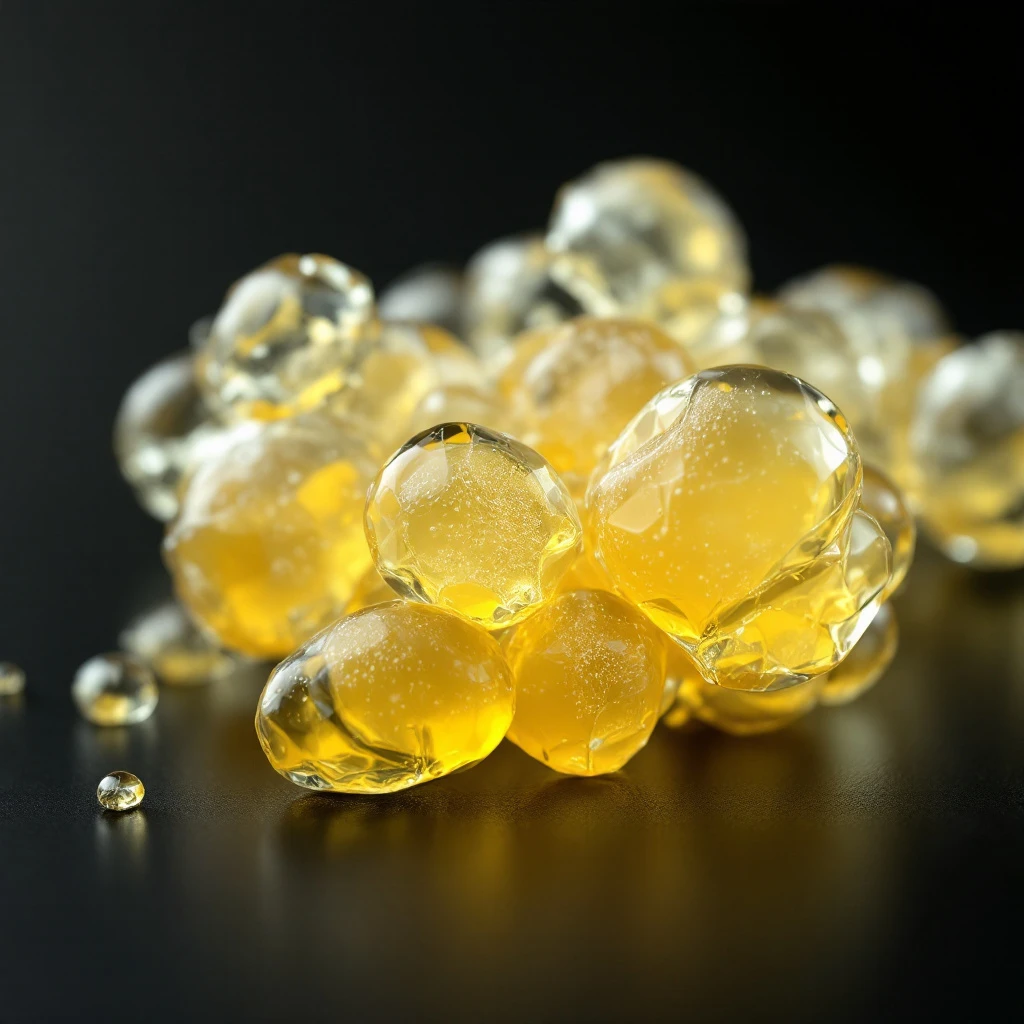
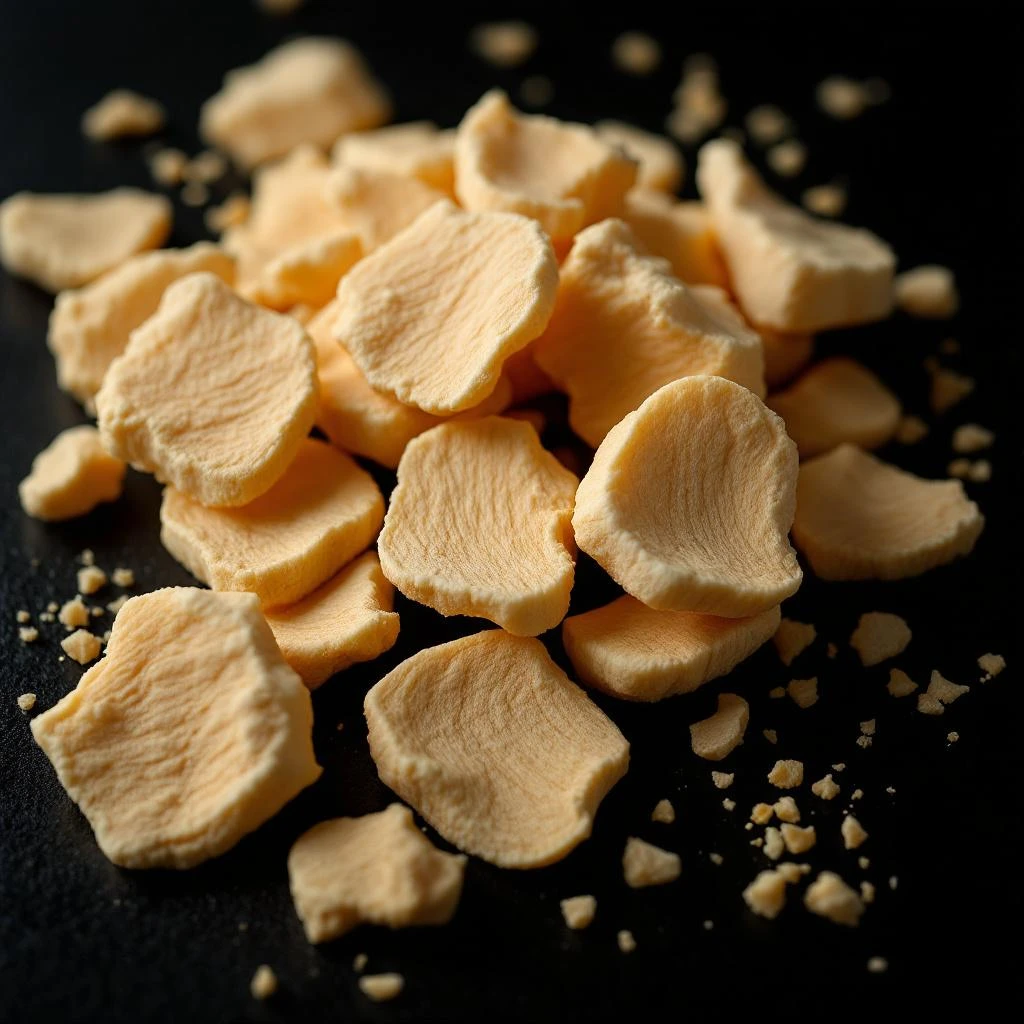
Iris concrete synth captures the powdery, earthy elegance of orris root through modern chemistry. This aromatic delivers the sought-after violet-tinged sophistication of iris at greater accessibility than its seven-year-aged natural counterpart.
Character
How it smells
Powdery iris elegance, refined
Natural orris root requires seven years of underground curing before distillation, making iris concrete one of perfumery's most time-intensive ingredients.



Origin
France
Iris holds the distinction of being one of the oldest fragrance ingredients known. Ancient Egyptians incorporated orris root into cosmetics and ritual preparations over three thousand years ago. The Greeks and Romans valued it equally, using orris powder for personal scent and medicine. Its modern European chapter began in the sixteenth century when Catherine de Medici brought iris from Italy to the French court, where it became central to Renaissance perfumery and powder formulations.
The industrial transformation arrived in the late nineteenth century, when solvent extraction techniques allowed producers to capture a broader range of iris volatiles than traditional steam distillation alone. This breakthrough made iris concrete commercially viable on a wider scale. By the twentieth century, synthetic aroma chemistry offered alternatives to the rare natural material, with ionone-based compounds providing accessible violet-tinged notes. The combination of ancient agricultural tradition and modern synthesis has kept iris at the heart of fine fragrance for centuries, from Catherine de Medici's court to contemporary haute perfumery.
Wears it best
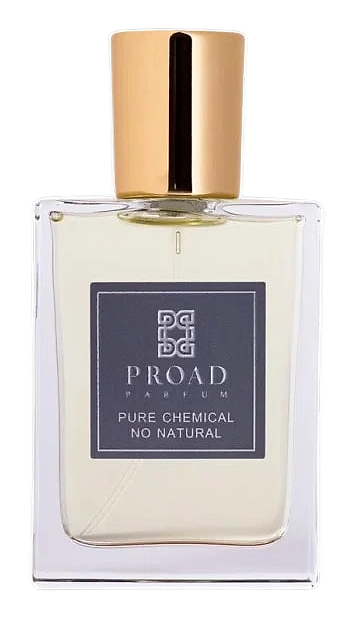
Fragrances featuring Iris Concrete Synth
Brands
Brands known for Iris Concrete Synth
Good to know
Questions, answered
The essentials on Iris Concrete Synth in perfumery: how it smells, where it comes from, and how it behaves on skin.
What does iris concrete synth smell like?
Iris concrete synth delivers a powdery, earthy, slightly sweet aroma with violet-like undertones and a cool rooty quality. The synthetic version closely mirrors the irone-rich character of aged orris butter, offering perfumers a refined violet-tinged sophistication.
How is iris concrete synth made?
Natural iris concrete comes from rhizomes cured underground for seven years, then steam-distilled and solvent-extracted. The synthetic version is produced through chemical synthesis of irone molecules and related ionone derivatives developed in twentieth-century aroma chemistry labs.
Why does natural orris take so long to produce?
Fresh iris rhizomes contain virtually no scent. They require three years of growth plus three to four years of underground curing for enzymatic processes to develop irones, the molecules responsible for iris's signature aroma.
Where does iris for perfumery originate?
Iris pallida is primarily cultivated in the Tuscany region of Italy and in Provence, France. Grasse, France has historically served as the production capital where rhizomes are processed into concrete and absolutes.
What is the difference between iris concrete and orris butter?
Orris butter is the waxy, yellow compound obtained from steam-distilling cured rhizomes. Iris concrete is a more concentrated product obtained by solvent-extracting that butter, capturing a fuller range of aromatic compounds and waxes.
When was iris first used in perfumery?
Iris has been used as a scented ingredient for over three thousand years, with roots in ancient Egypt. Catherine de Medici introduced iris to the French court in the sixteenth century, establishing its prominence in European perfumery.
Is iris concrete synth sustainable?
Synthetic iris concrete eliminates the seven-year agricultural cycle required for natural orris, reducing land use and water demand. Both versions require significant resources, but synthesis offers a lower-impact alternative for large-scale production.
Which famous fragrances use iris?
Iris is a cornerstone note in many legendary compositions, including Chanel No. 19, Dior Homme, and Guerlain's Iris Ganache. Its powdery elegance makes it a staple in both vintage and contemporary fine fragrance.





