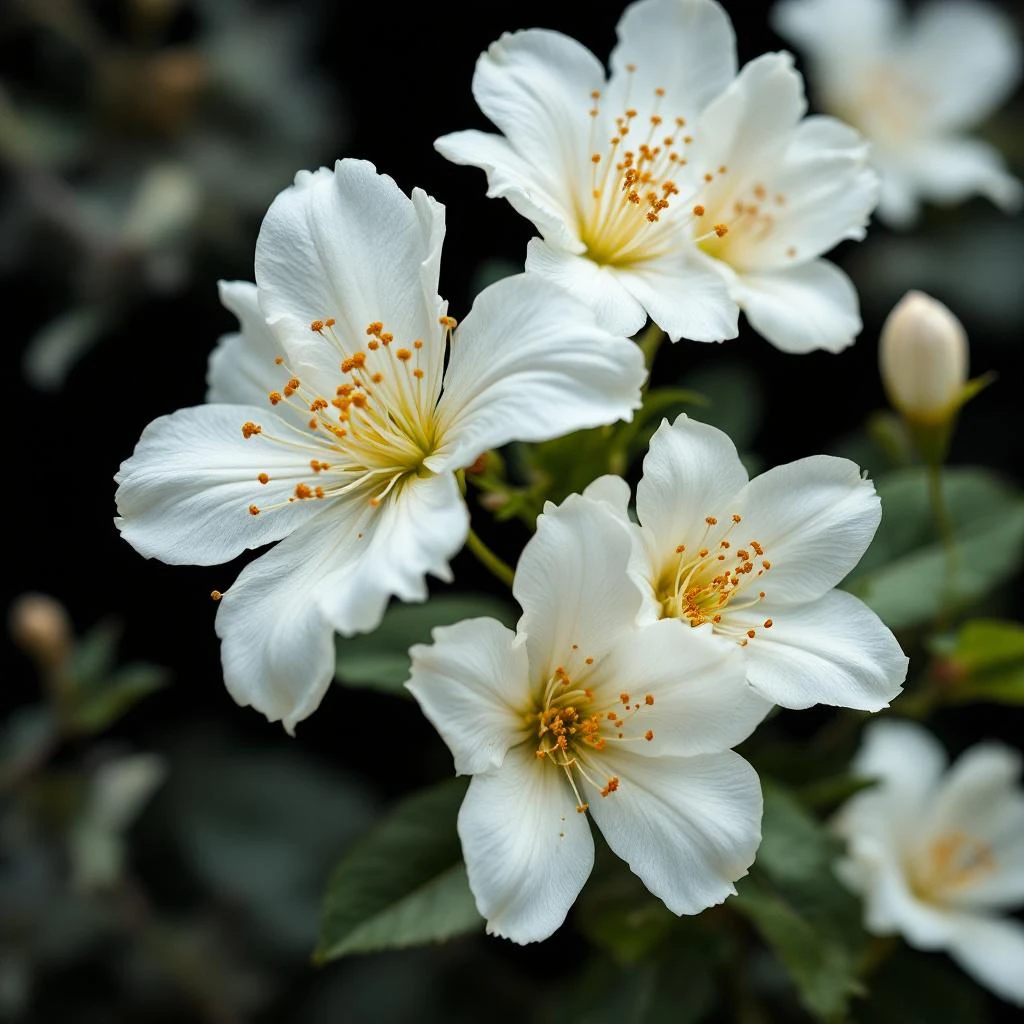
Citronellol
A soft, rosy-citrus monoterpenol that bridges floral and citrus fragrance families. Naturally abundant in rose, geranium, and citronella, it adds sweet, green-floral warmth to countless perfume compositions.
Character
How it smells
The versatile rosy-citrus monoterpenol that bridges floral and citrus perfumery.
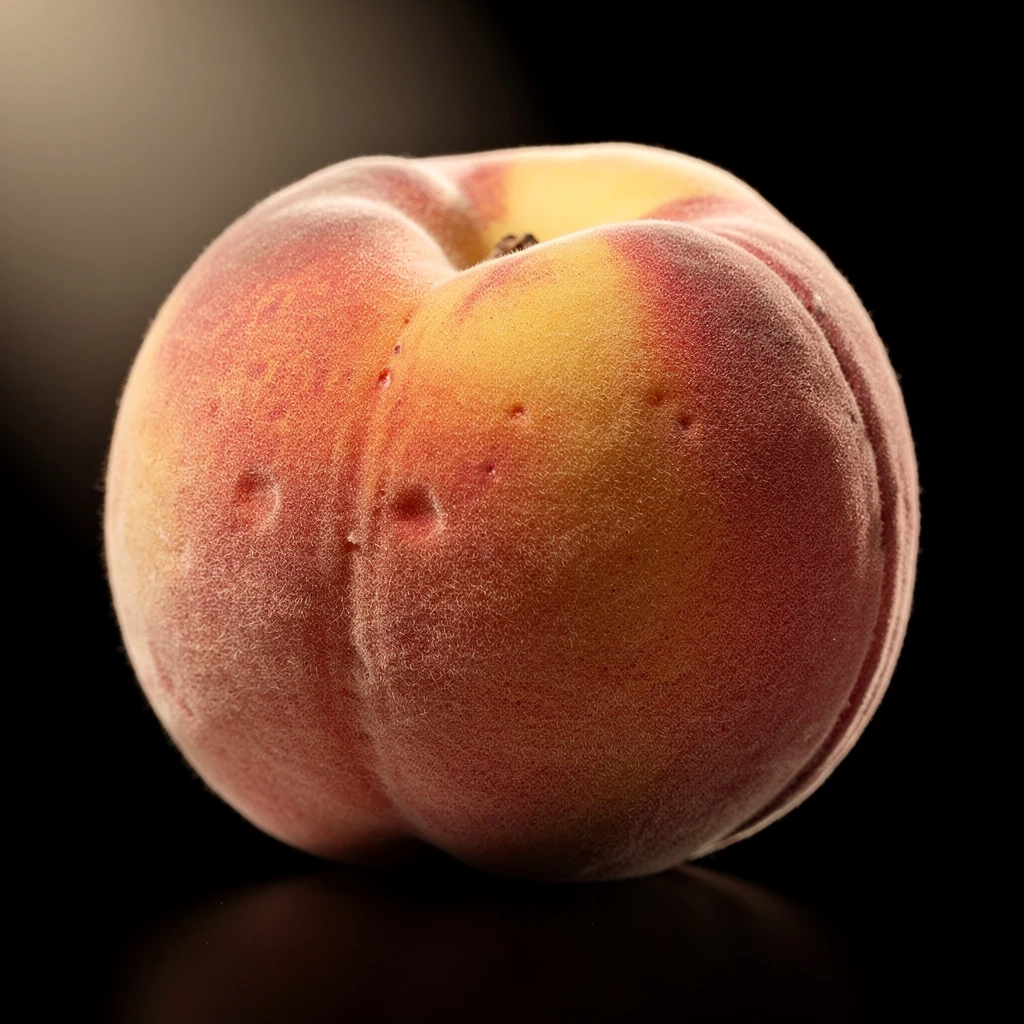
Despite its name from citronella, citronellol smells nothing like candle smoke. Its character is distinctly sweet and rosy.






Origin
India
German chemist O. Jacobsen first isolated citronellol in 1871, identifying it as the compound responsible for much of rose oil's characteristic sweetness.
Before this discovery, perfumers worked with rose, geranium, and citronella oils for centuries without understanding their molecular composition. Jacobsen's isolation work coincided with a broader shift in 19th-century perfumery as chemists began isolating specific fragrance molecules rather than relying solely on whole botanicals.
This scientific approach enabled precise formulation and reproducible results, laying groundwork for modern fragrance chemistry. Today, citronellol remains one of the most widely used fragrance ingredients across fine perfumery, personal care, and household products.
Wears it best
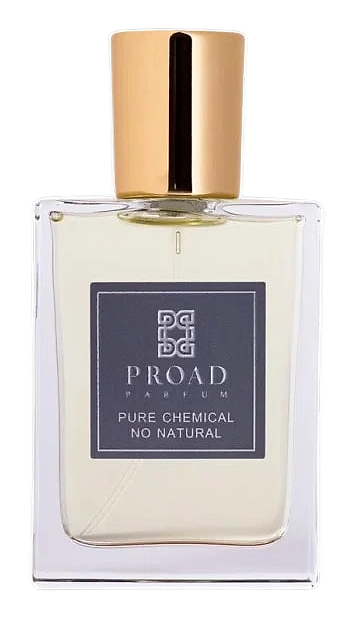
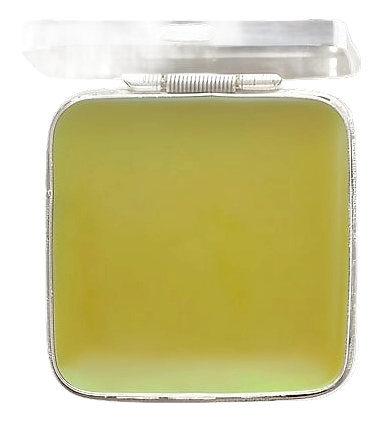
Fragrances featuring Citronellol
Good to know
Questions, answered
The essentials on Citronellol in perfumery: how it smells, where it comes from, and how it behaves on skin.
What is citronellol and where does it come from?
Citronellol is a monoterpenol alcohol with a soft, rosy-citrus scent. It occurs naturally in rose petals, geranium leaves, and citronella grass. Industrially, it is produced by hydrogenating citral derived from lemongrass.
Is natural citronellol better than synthetic?
Chemically identical regardless of source. Natural extraction from rose or geranium may offer trace botanical nuance, while synthetic production ensures consistent purity and aroma profile at scale.
What does citronellol smell like?
Citronellol presents a sweet, rosy-citrus character with green undertones. It carries the softness of rose without heaviness, making it versatile across floral and citrus fragrance families.
When was citronellol first discovered?
German chemist O. Jacobsen first isolated citronellol in 1871, identifying it as a primary component of rose and geranium essential oils.
What role does citronellol play in perfumery?
Citronellol functions as both a fragrance material and a fixative. It adds soft, floral warmth to compositions while helping retain more volatile top-note ingredients on the skin.
Is citronellol safe for skin application?
Citronellol carries an IFRA concentration limit of approximately 6.25% for leave-on cosmetic products. At standard usage levels, it is considered safe for use in fine fragrance and personal care formulations.
How did citronellol influence modern perfumery?
The 1871 isolation marked a shift from whole-botanical perfumery toward molecular precision. Perfumers could now dose specific aromatic compounds directly, enabling reproducible and complex fragrance formulations.
Does citronellol appear in products besides perfume?
Yes. Citronellol ranks among the most frequently used fragrance ingredients in shampoos, soaps, lotions, candles, and cleaning products for its pleasant floral character and fixative properties.