Methyl Pamplemousse
Methyl Pamplemousse captures the bright, tart intensity of grapefruit zest in a single synthetic molecule. Developed by Symrise and refined by Givaudan, this acetal delivers the unmistakable bitter-fresh character that defines modern citrus perfumery.
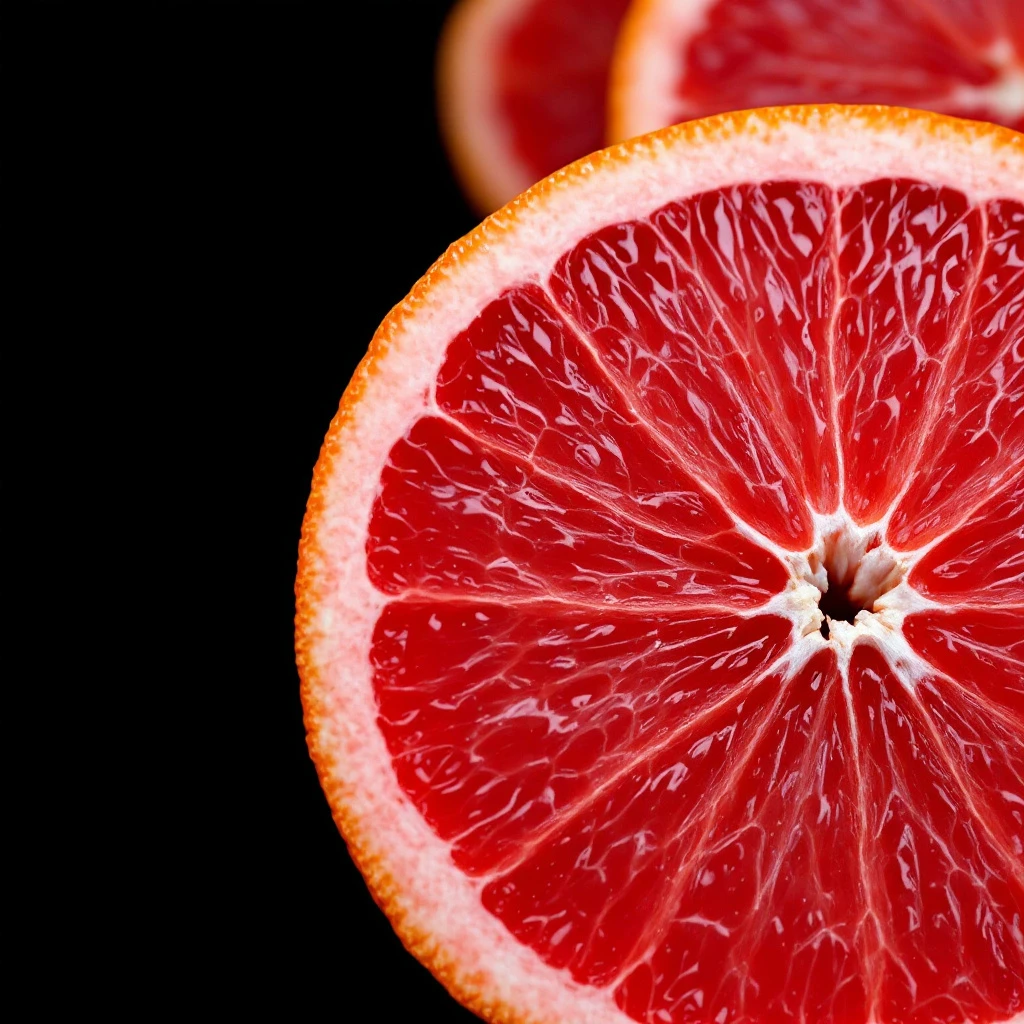
Character
How it smells
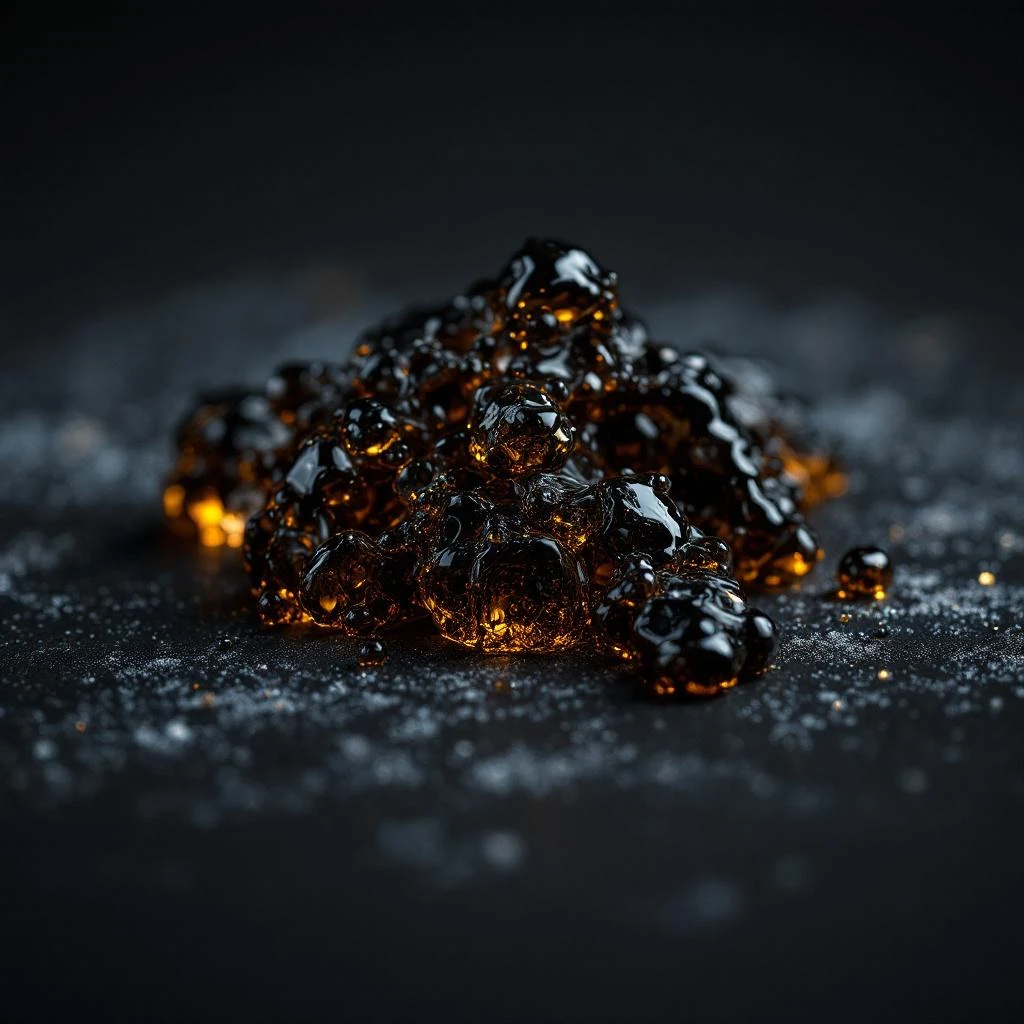
Bitter grapefruit zest, distilled to a single molecule.
The name 'Pamplemousse' is French for grapefruit, and this ingredient achieves in one molecule what once required entire orchards of citrus fruit.





Origin
Germany
Grapefruit entered perfumery relatively late compared to other citrus fruits. Florida produced its first batches of grapefruit essential oil in 1933, establishing the fruit as a premium fragrance material. Yet natural citrus oils carry inherent inconsistencies - seasonal variations, climate shifts, and harvest differences affect their scent profile.
Methyl Pamplemousse emerged as a solution: a single, stable molecule that reproduces grapefruit zest with unwavering precision. Developed by Symrise and commercialized by Givaudan, this synthetic acetal demonstrates how modern organic chemistry fills gaps where nature cannot guarantee consistency. The 19th century advent of organic synthesis fundamentally changed perfumery, enabling chemists to create aroma compounds that did not exist in nature or could not be extracted feasibly.
Methyl Pamplemousse stands as a product of that ongoing innovation.
Wears it best
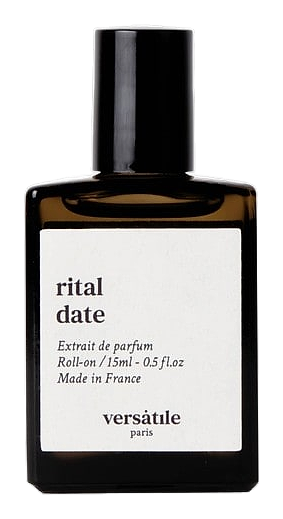
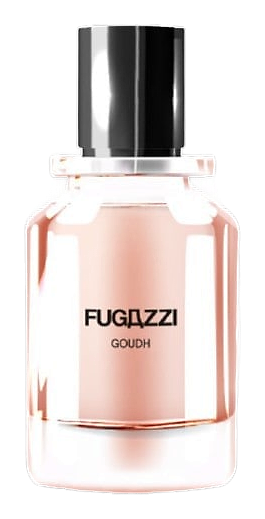
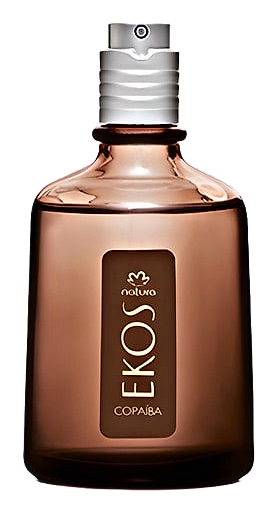
Fragrances featuring Methyl Pamplemousse

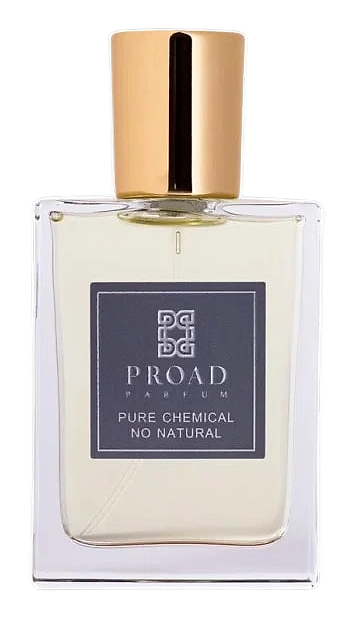
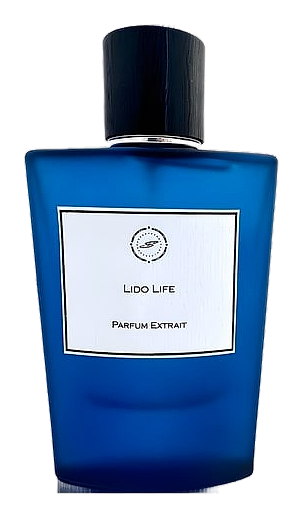
Brands
Brands known for Methyl Pamplemousse
Good to know
Questions, answered
The essentials on Methyl Pamplemousse in perfumery: how it smells, where it comes from, and how it behaves on skin.
What is Methyl Pamplemousse?
Methyl Pamplemousse is a synthetic aroma chemical (CAS 67674-46-8) that mimics grapefruit zest. Structurally an acetal developed by Symrise and commercialized by Givaudan, it delivers the fresh, bitter character of grapefruit in a single stable molecule.
Is Methyl Pamplemousse derived from natural grapefruit?
No. Methyl Pamplemousse is a synthetic compound, not a natural extract. Its chemical structure as an acetal allows it to reliably reproduce grapefruit zest characteristics without the variability of natural sources.
What role does Methyl Pamplemousse play in perfumery?
It functions primarily as a citrus booster and vetiver accord enhancer. Its fresh bitterness blends well with citrus bases and adds lift to woody vetiver compositions, making it versatile across fragrance families.
How does Methyl Pamplemousse ensure batch-to-batch consistency?
Yes. Unlike natural citrus oils that vary by season and harvest, Methyl Pamplemousse delivers identical grapefruit zest character in every batch. This consistency makes it invaluable for perfumers who need reliable raw materials for large-scale production.
What fragrance families pair well with Methyl Pamplemousse?
Citrus and vetiver are the primary pairings. Methyl Pamplemousse enhances citrus bases with its fresh bitterness and acts as a booster for vetiver accords, adding lift and brightness to woody compositions.
Can Methyl Pamplemousse be used as a standalone fragrance?
No. This material functions as a fragrance ingredient or booster, not a finished fragrance. It requires blending with other materials to create complete perfumes.
Does Methyl Pamplemousse perform well in different fragrance formats?
It performs excellently in alcohol-based perfumes and remains stable in most fragrance bases. Performance may vary in oil-based or water-based formulations.
Who developed Methyl Pamplemousse?
Symrise developed the compound, with Givaudan later commercializing it under the Methyl Pamplemousse name. Both are major fragrance ingredient suppliers.