Hyacinth Leaf
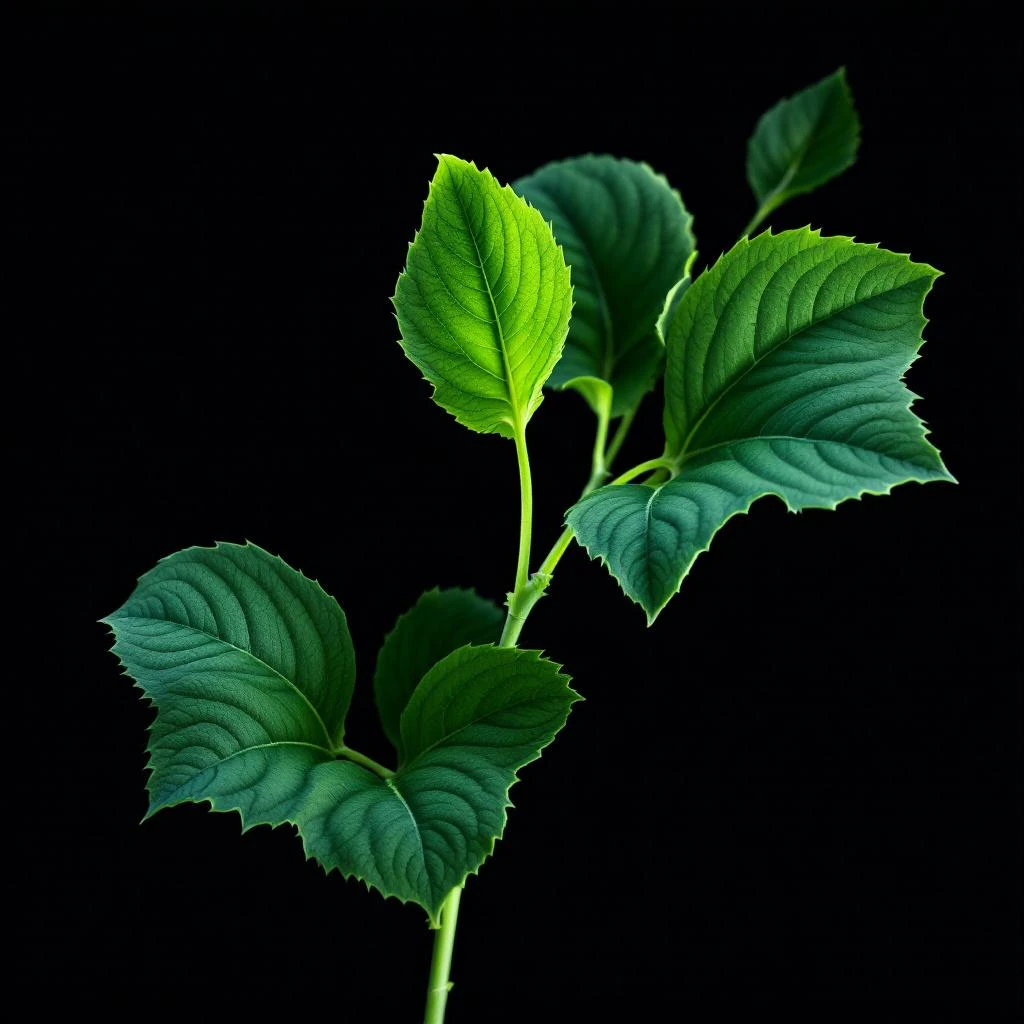
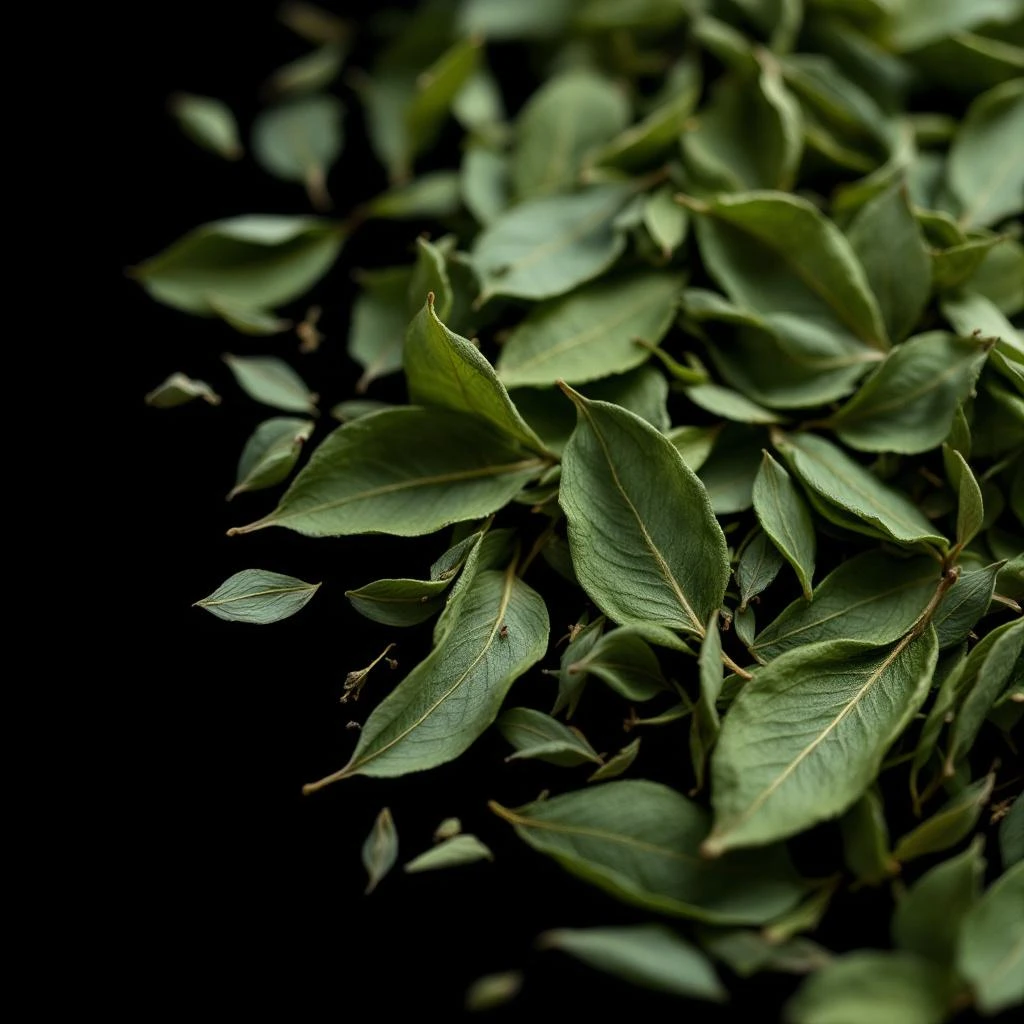
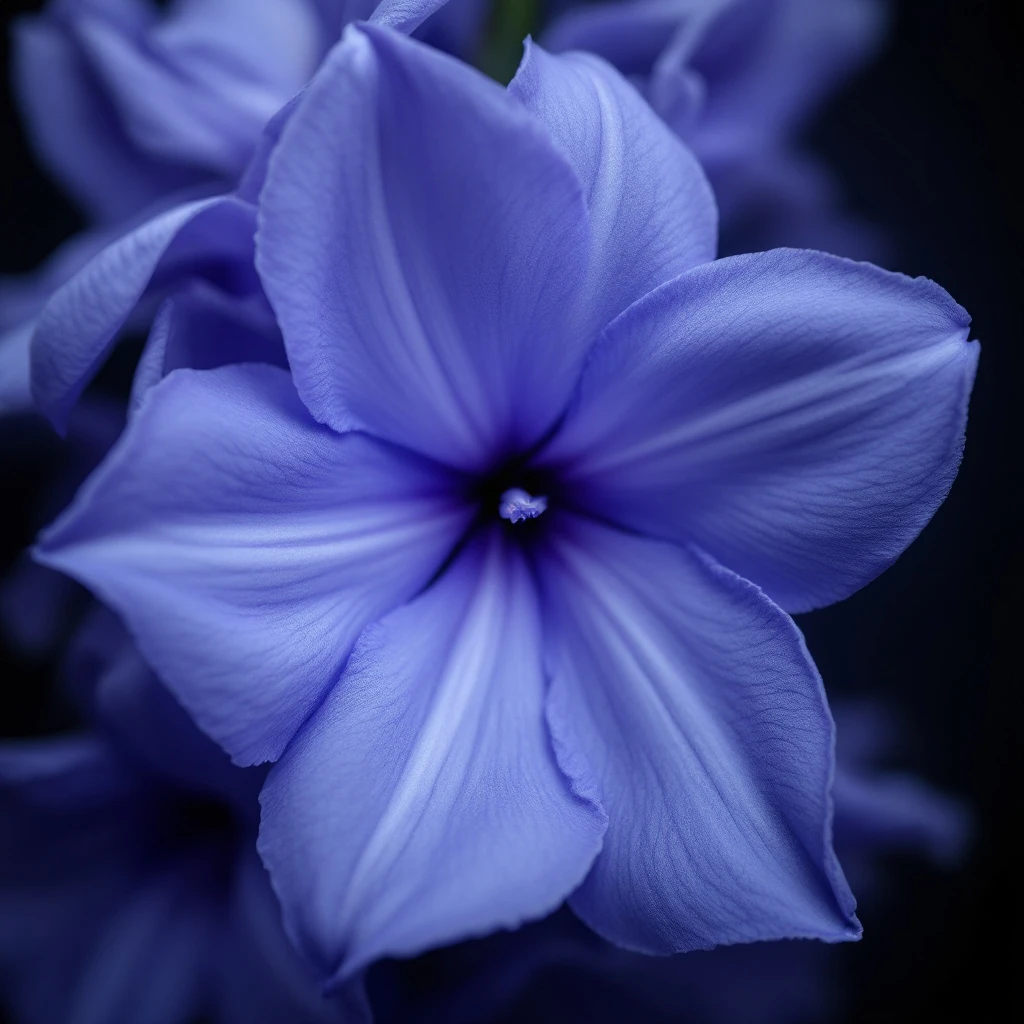
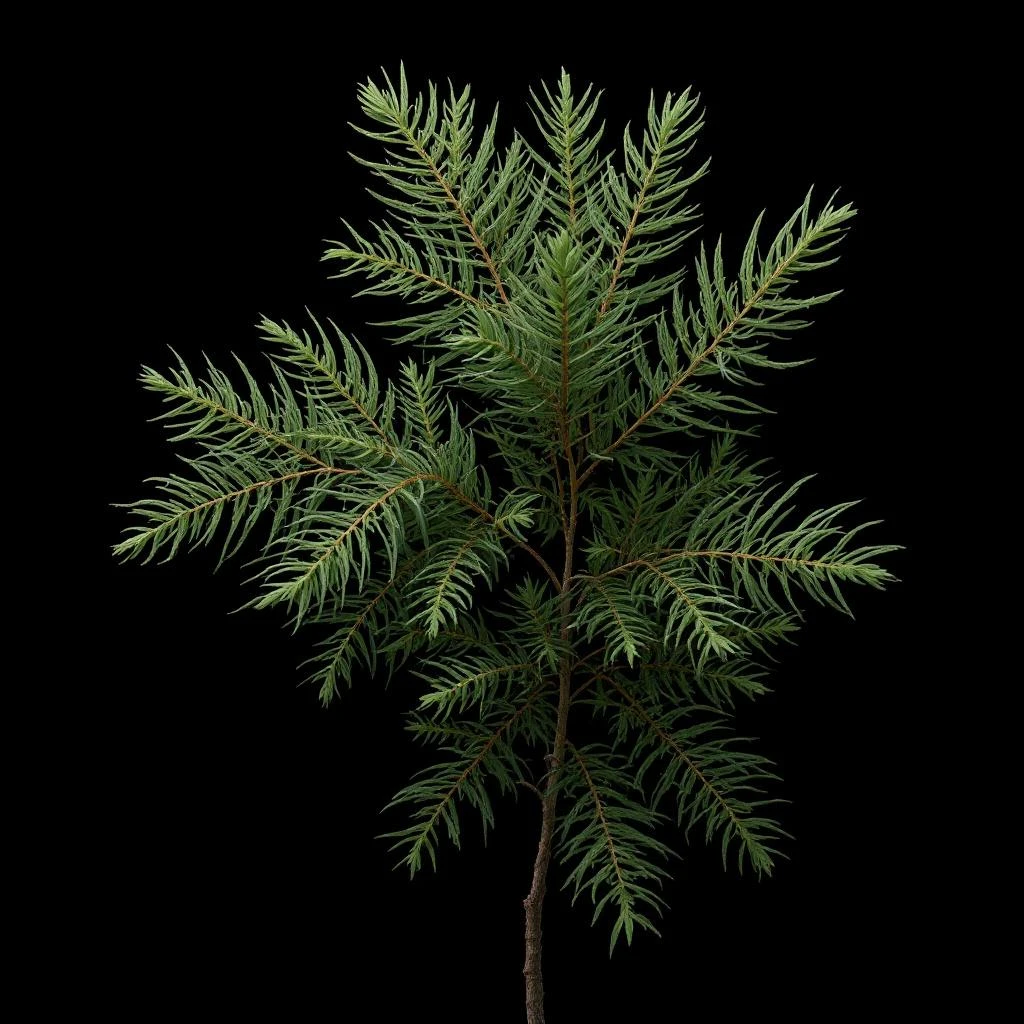
Hyacinth Leaf captures the verdant, dewy freshness of spring gardens before the flowers bloom. Its green, slightly metallic character brings an irreplaceable botanical realism to floral compositions.
Character
How it smells
The verdant soul of hyacinth, captured before bloom.
Each hyacinth bulb produces only 4-6 leaves, making leaf-based extracts extraordinarily rare in modern perfumery.




Origin
Turkey
Hyacinth cultivation traces to ancient Syria and Asia Minor, where the plant grew wild across rocky slopes before becoming a garden staple by the 15th century. While perfumers historically focused on the flower, traditional extraction practices in Ottoman-era Turkey occasionally incorporated leaves for their grounding, green qualities.
The shift to synthetic aromatics in the 20th century affected leaf notes less severely than floral ones, as laboratory reproduction of green, grassy molecules proved more straightforward. Today, hyacinth leaf remains a subtle but important component in fragrances seeking botanical authenticity, particularly in green chypre and floral aldehyde constructions that aim to evoke the living plant.
Wears it best
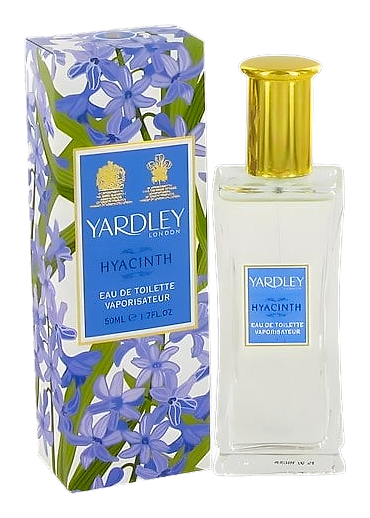
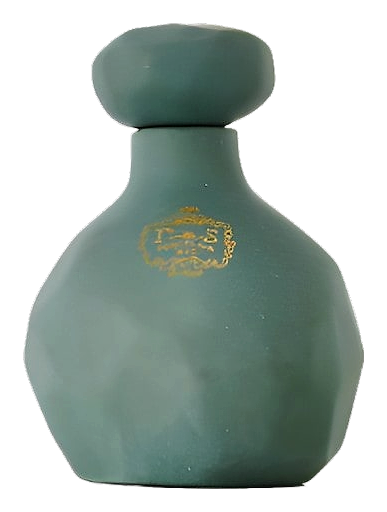
Fragrances featuring Hyacinth Leaf
Good to know
Questions, answered
The essentials on Hyacinth Leaf in perfumery: how it smells, where it comes from, and how it behaves on skin.
What does hyacinth leaf smell like?
Hyacinth leaf offers a crisp, green scent with dewy, slightly metallic qualities. It lacks the floral sweetness of the bloom, instead delivering an herbaceous, vegetable-like freshness reminiscent of freshly cut grass and cucumber.
Is hyacinth leaf extract expensive?
While not as costly as hyacinth flower absolute, genuine leaf extract commands premium pricing due to limited supply. Low volatile yield means perfumers often turn to synthetic green note analogues for cost-effective scaling.
How is hyacinth leaf different from hyacinth flower in perfumery?
The flower delivers rich, narcotic sweetness with honeyed, slightly animalic depth. The leaf provides crisp green anchoring that lifts and authenticates floral accords, adding botanical realism without sweetness.
What fragrance families use hyacinth leaf?
Hyacinth leaf appears in green chypres, floral aldehydes, and springtime colognes. It pairs naturally with galbanum, violet leaf, and narcissus for compositions aiming to capture the full spectrum of spring garden scent.
Is synthetic hyacinth leaf available?
Yes. Modern aromachemistry produces nature-identical green notes that replicate hyacinth leaf's profile. Synthetics like cis-3-hexen-1-ol provide the characteristic fresh, grassy impression at consistent quality and cost.
Which countries produce hyacinth leaf extract?
Commercial production remains limited, with Turkey and the Netherlands as primary sources. The Netherlands dominates due to intensive hyacinth bulb cultivation for the cut flower trade, where leaf material becomes available as a byproduct.
Does hyacinth leaf appear in vintage or modern perfumes?
Leaf notes became more common in post-1960s fragrances as green chypre styles emerged. Classic perfumes like Miss Dior and Factice incorporated hyacinth's green character, though formulation transparency rarely distinguishes leaf from flower in perfume pyramids.