Flower Buds
Flower buds—harvested at dawn before they open—capture a fragrance that distilleries cannot match. Jasmine buds, rosebuds, and tuberose blooms yield some of perfumery's most coveted materials when extraction respects their fleeting chemistry.
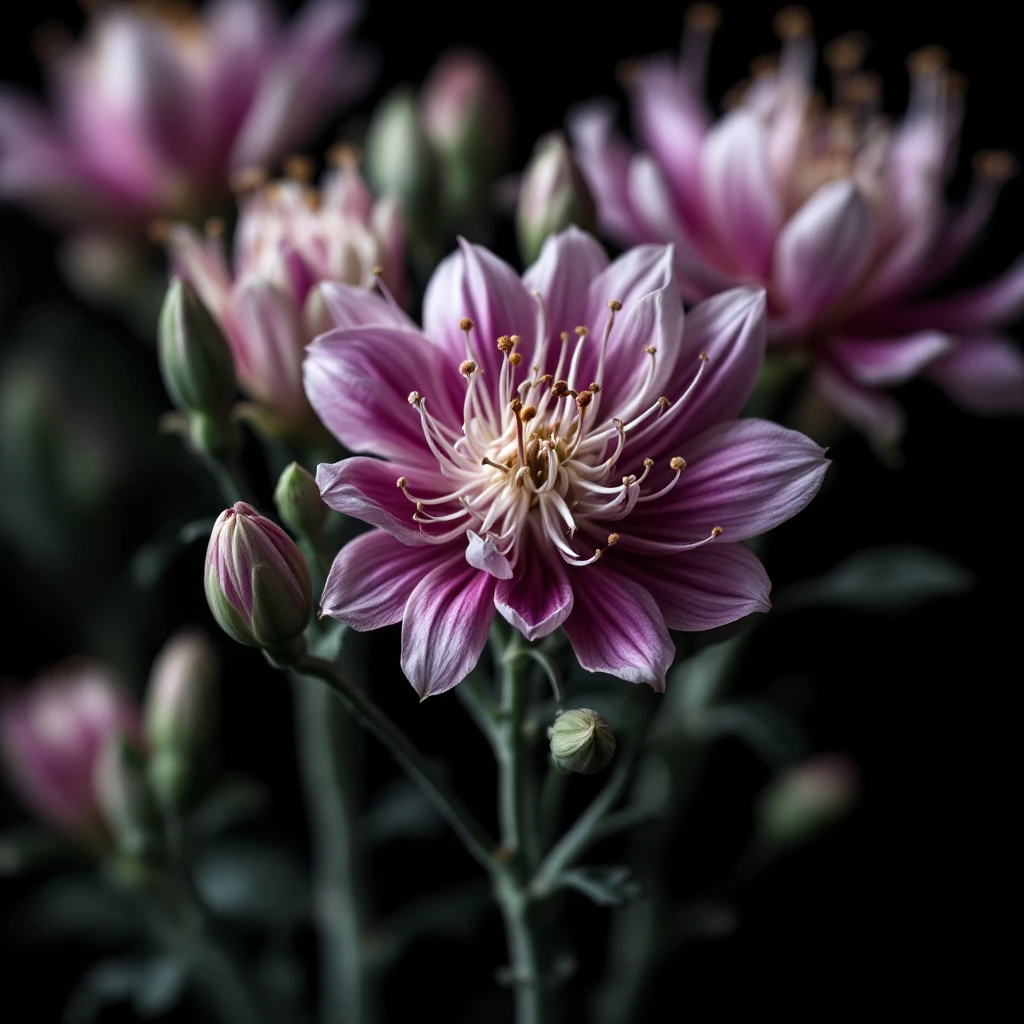
Character
How it smells
Perfume's most labor-intensive ingredient.
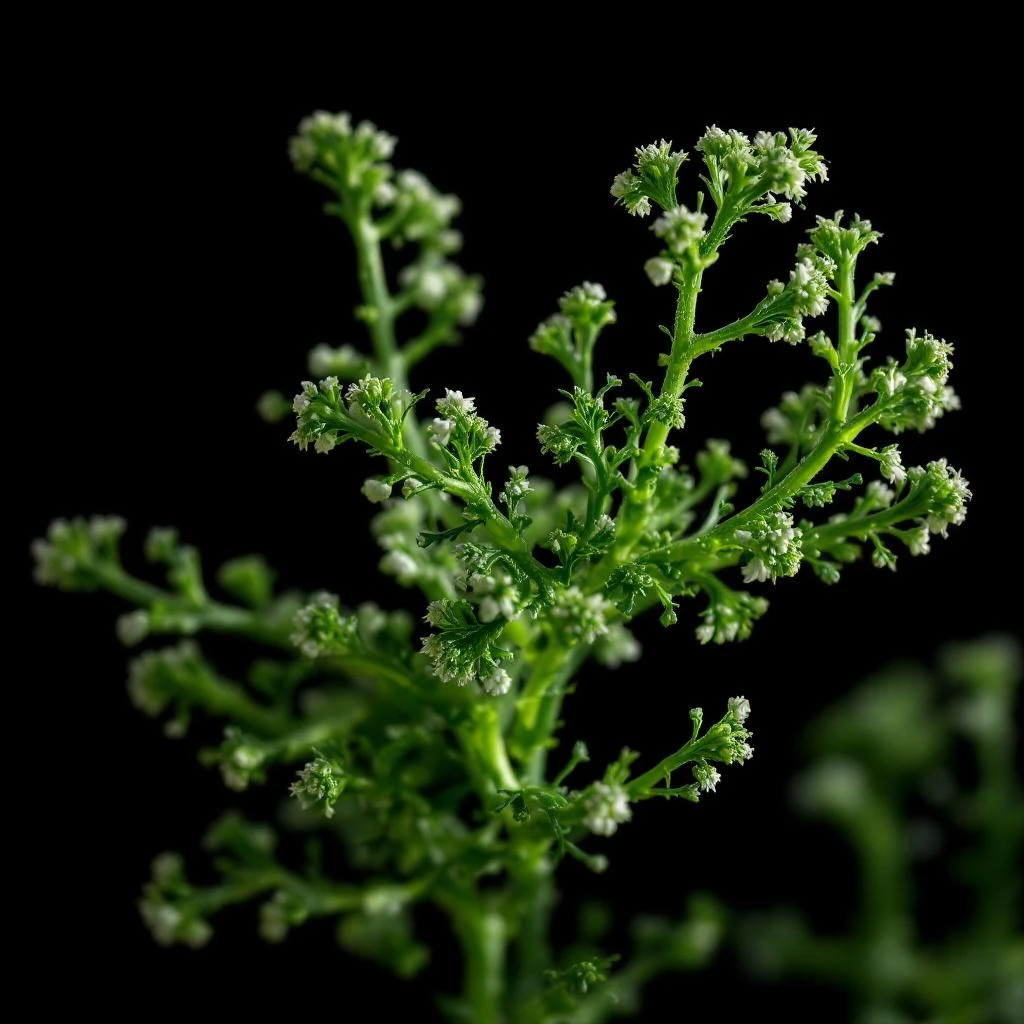
Harvesters in Tamil Nadu pick jasmine at 5 AM, before the sun warms the blooms and volatile compounds begin to escape.


Origin
India
Before synthetic chemistry reshaped perfumery in the 1920s, flower buds were the gold standard for natural fragrance. The Grasse region built its reputation in the 17th century by cultivating jasmine, rose, and violet specifically for perfumers, with farmers developing intricate knowledge of harvest timing. Indian perfumers had already mastered jasmine cultivation centuries earlier, using enfleurage techniques to produce attars.
The phrase "flower bud" appears in historical texts describing ancient Egyptian and Persian perfumery, where unopened buds were macerated in oils for ceremonial use. When Chanel launched Chanel No. 5 in 1921, jasmine buds formed its structural backbone—millions of flowers per bottle, sourced from both Grasse and Tamil Nadu.
The bud's appeal endures because its unopened form contains higher concentrations of certain aroma compounds than fully open flowers.
Wears it best
Fragrances featuring Flower Buds
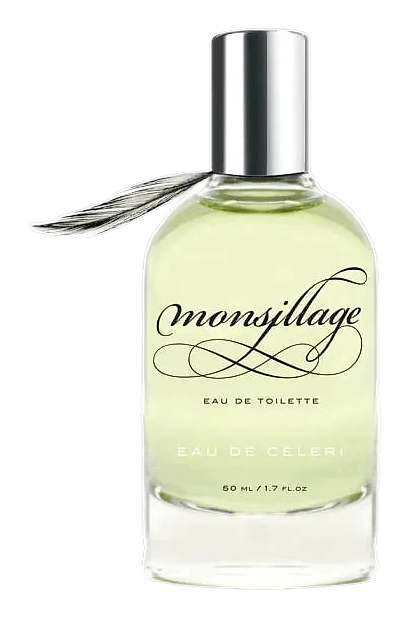
Brands
Brands known for Flower Buds
Good to know
Questions, answered
The essentials on Flower Buds in perfumery: how it smells, where it comes from, and how it behaves on skin.
What are flower buds in perfumery?
Flower buds are unopened blossoms—primarily jasmine, rose, and tuberose—used as raw material for perfume extraction. They yield higher concentrations of certain aromatic compounds than open flowers.
Why harvest before the flower opens?
Unopened buds contain concentrated aromatic molecules in their tightly packed petals. Once a flower opens, heat and oxidation begin breaking down these compounds within hours.
What fragrance does jasmine absolute contribute?
Jasmine absolute delivers indolic, Narcotic sweetness with solar floral warmth. It anchors heart notes and adds richness to white floral compositions.
Which regions produce the best jasmine buds for perfume?
Tamil Nadu in India supplies over 80 percent of the world's jasmine for perfumery. The Grasse region of France produces high-end cultivated jasmine for niche fragrances.
How is the harvest timed?
Jasmine blooms open at night. Harvesters pick buds in early morning—typically before 10 AM—so the material reaches extraction facilities while its volatile compounds are still intact.
Is enfleurage still used today?
Enfleurage is largely historical, replaced by solvent extraction which yields more absolute per kilogram of flower. A few artisan houses in Grasse still practice cold enfleurage for specialty products.
Do flower buds appear in natural or synthetic fragrances?
Natural flower bud absolutes appear in premium and niche perfumes. Many mainstream fragrances use synthetic jasmine aromachemicals like Hedione, which mimic the bud's fresh, airy qualities.
How much jasmine is needed per bottle of perfume?
Approximately 1,000 jasmine flowers yield one gram of absolute. A standard 100ml perfume requires roughly 10 million hand-picked buds.




