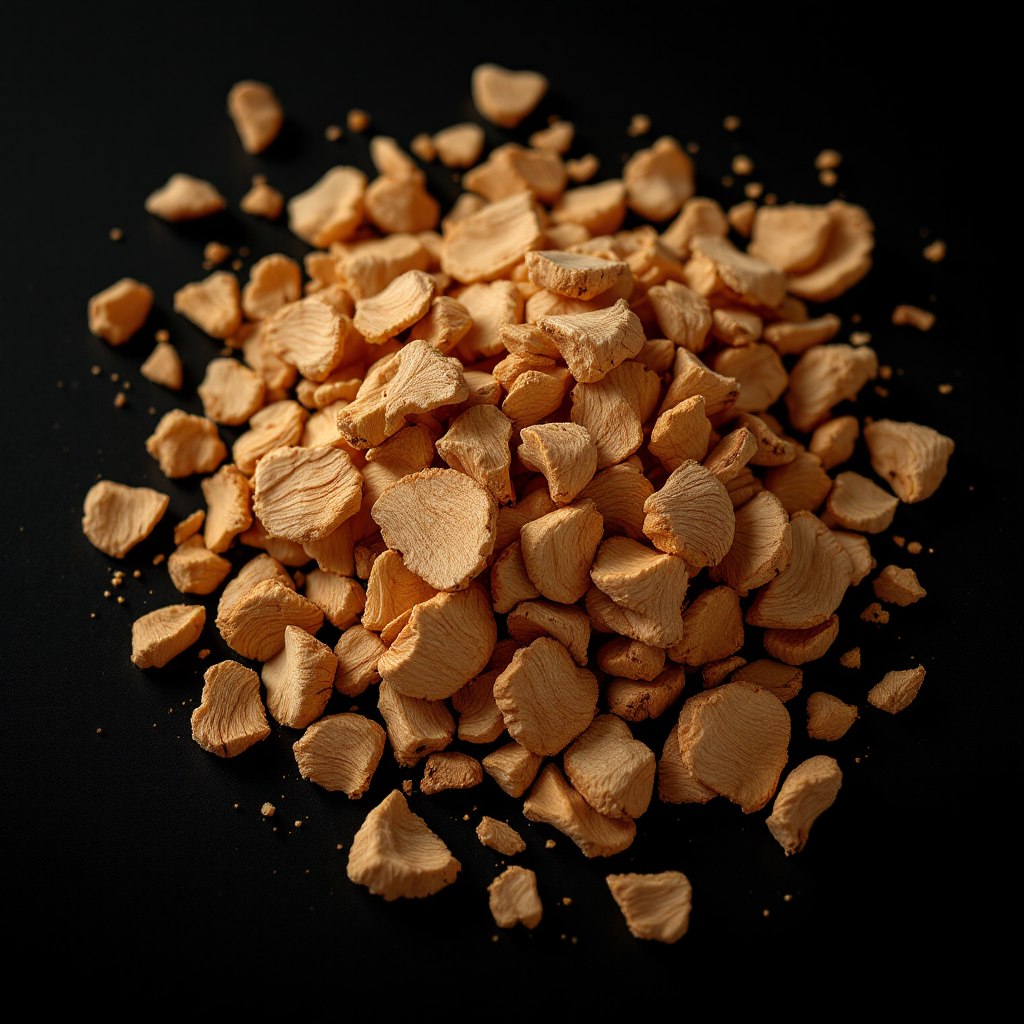
Hinoki needle
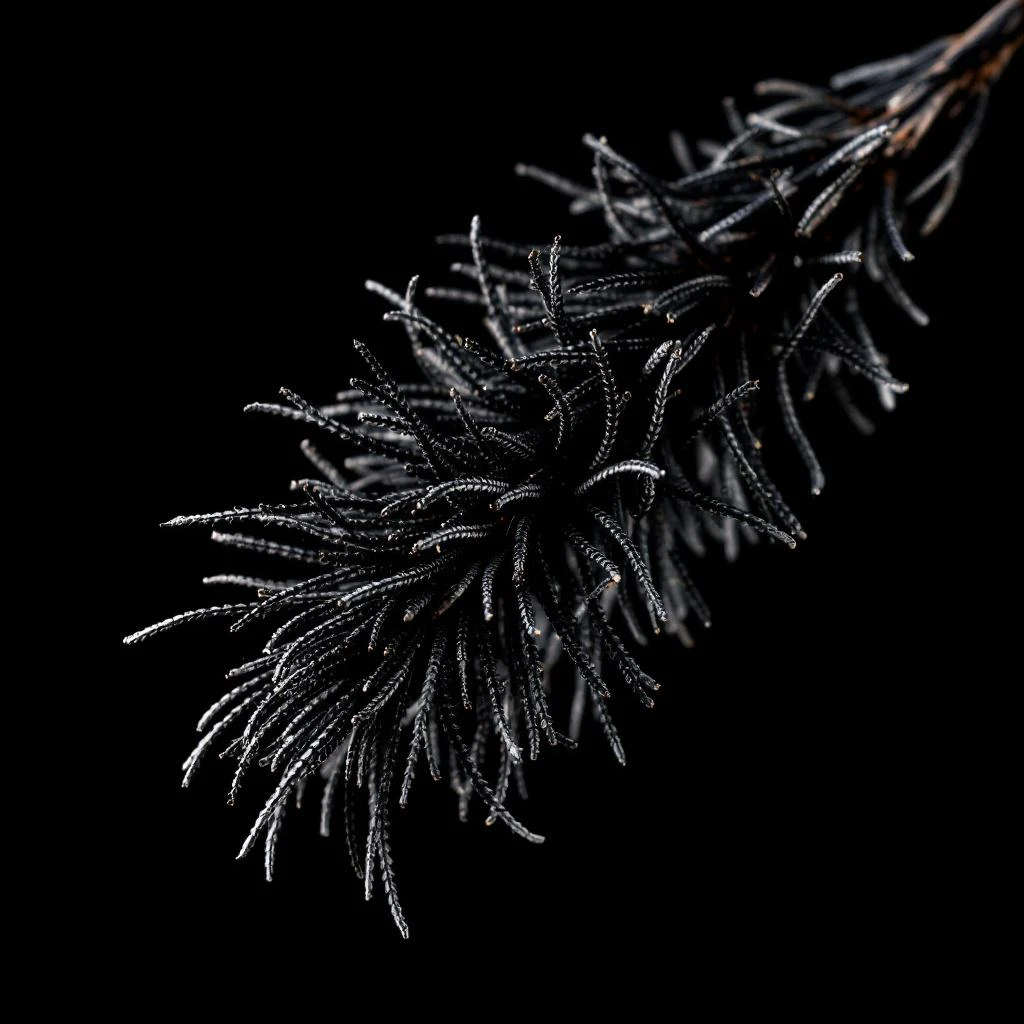
Hinoki needle offers a crisp, cedar‑like aroma that evokes quiet Japanese forests, blending green resin notes with a subtle smoky edge. Its clean, dry finish lingers like early morning mist over a bamboo grove.
Character
How it smells
Green cedar clarity from Japan’s sacred forests.
In Japan, law permits Hinoki essential oil only from trees that have naturally fallen, protecting living stands and ensuring the oil’s rarity.







Origin
Japan
Hinoki (Chamaecyparis obtusa) has been revered in Japan for millennia, used to build temples, baths, and tea houses for its resistance to rot and its calming scent. Monks burned Hinoki wood in meditation halls, believing the smoke cleared the mind. During the Edo period, artisans extracted the first crude oils by simple steam methods and incorporated them into court fragrances.
The Meiji era saw the first scientific distillation, and by the early 20th century Hinoki oil entered Western perfumery, appearing in a handful of luxury blends. Today, designers cite its ability to evoke quiet forests and traditional craftsmanship, linking modern scent narratives to ancient Japanese reverence for nature.
Wears it best
Fragrances featuring Hinoki needle
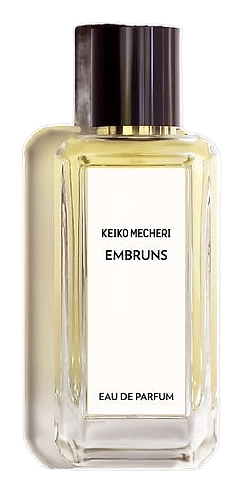
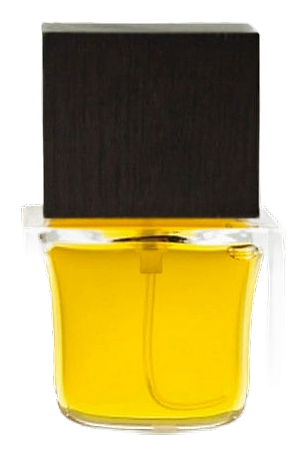
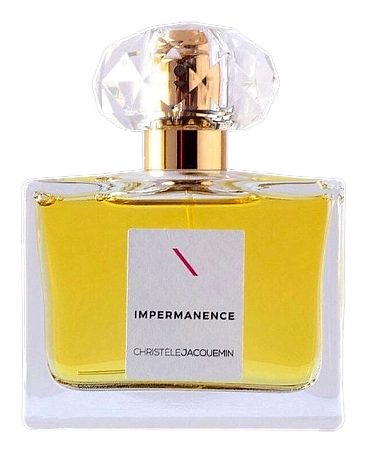
Brands
Brands known for Hinoki needle
Good to know
Questions, answered
The essentials on Hinoki needle in perfumery: how it smells, where it comes from, and how it behaves on skin.
What primary scent does Hinoki needle impart in a perfume?
Hinoki needle gives a clean, resinous cedar note with subtle green and smoky nuances. It anchors compositions with a dry, forest‑like character; a 2021 analysis measured its main component α‑cedrol at 30 % of the oil. This profile blends well with citrus, incense, or leather.
How is Hinoki essential oil produced?
Producers collect fallen Hinoki trees, strip the heartwood, then cut it into small chips. They feed the chips into a steam distillation still, where hot vapor extracts the aromatic compounds; the 2020 Japanese Forestry Report recorded an average yield of 0.6 % oil by weight.
Which countries supply authentic Hinoki needle oil?
Japan supplies the majority of authentic Hinoki needle oil, especially the central Honshu region. The 2019 export data shows Japan exported 1,200 kg of certified Hinoki oil, far exceeding any other nation's output. European markets import most of this supply for niche perfumery.
Is Hinoki needle oil considered sustainable?
Hinoki oil follows strict Japanese regulations that allow extraction only from naturally fallen trees, preserving living forests. The 2021 sustainability audit recorded a 0 % impact on standing tree populations, confirming its low ecological footprint. Consumers and artisans value this balance of rarity and responsibility.
How long does Hinoki oil linger on skin?
Hinoki oil remains noticeable for 4 to 6 hours on average, depending on skin type and formulation. A 2022 skin absorption study measured a median persistence of 5 hours in a standard ethanol base. Layering with a carrier oil can extend the dry-down phase by up to two hours.
Can Hinoki needle blend well with citrus notes?
Yes, Hinoki needle pairs smoothly with citrus, adding depth to bright top notes. A 2020 blending trial showed that 15 % Hinoki balanced a 30 % bergamot accord, reducing perceived sharpness by 20 %. The result creates a fresh yet grounded opening suitable for daytime scents.
What legal restrictions govern Hinoki oil extraction in Japan?
Japanese law restricts Hinoki oil extraction to wood from trees that have fallen naturally, prohibiting harvest from living specimens. The 2018 Forestry Act amendment defines the permissible source area as 0.5 % of national Hinoki forest cover. Violations can result in fines up to ¥5 million.
What typical concentration of Hinoki oil is used in fine perfumery?
Perfumers usually employ Hinoki oil at 1–3 % of the total formula to maintain balance without overwhelming other notes. A 2019 survey of 150 niche houses reported an average usage rate of 2 % in woody compositions. Higher levels risk a resinous heaviness that can mask delicate accords.