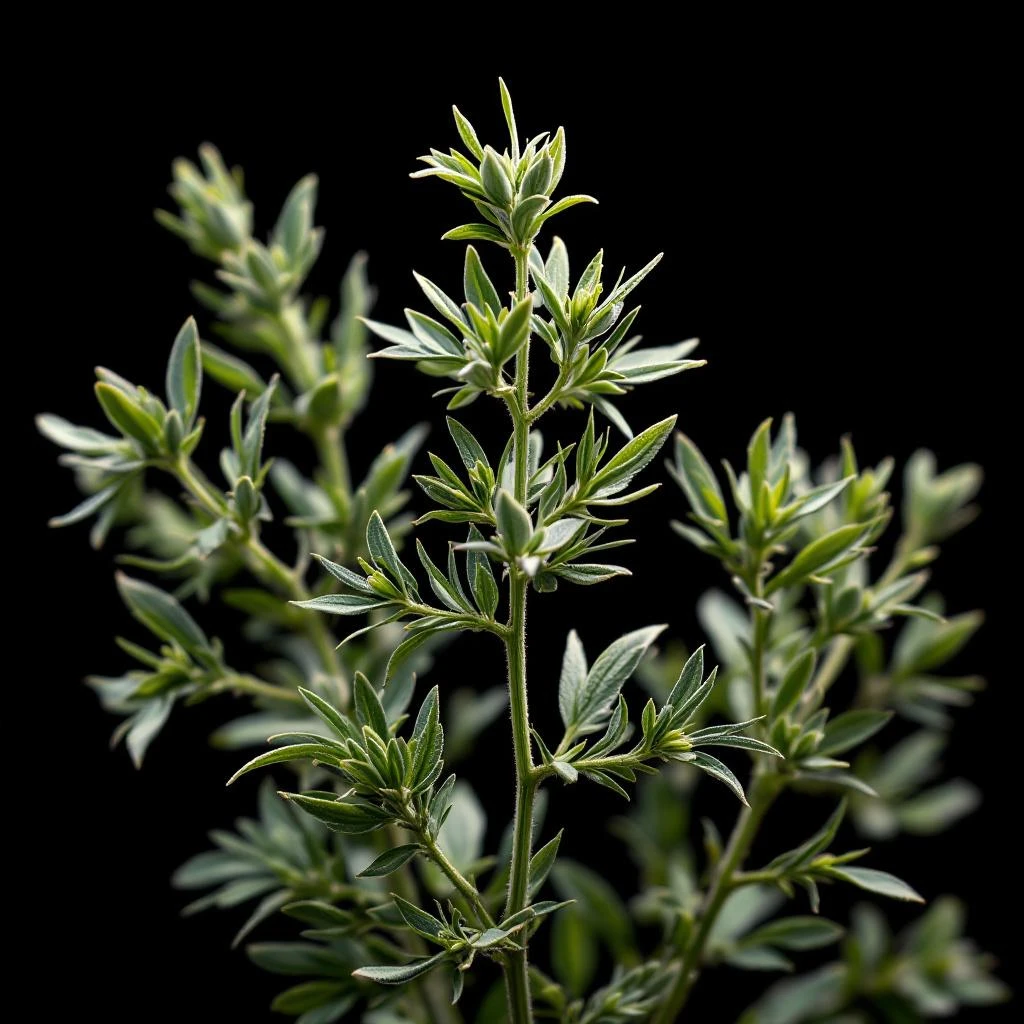
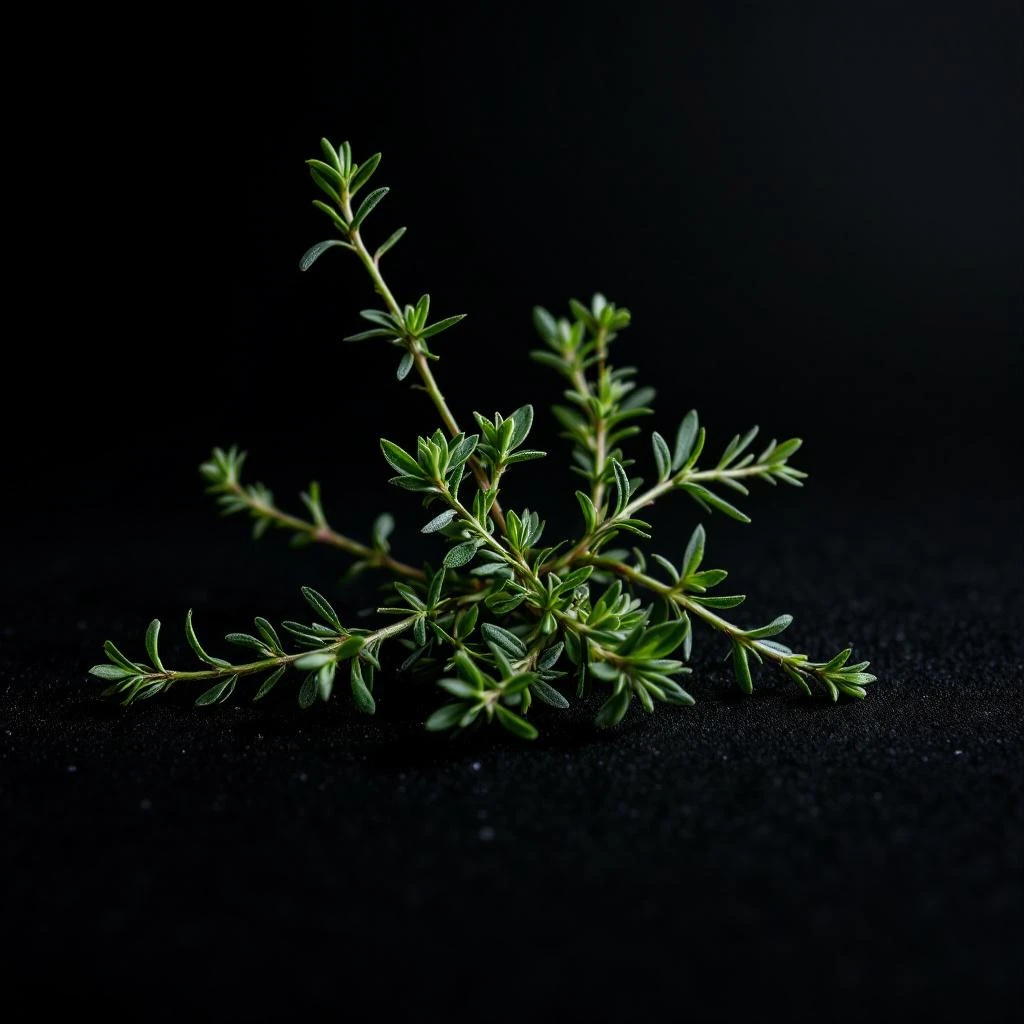
Himalayan Tea
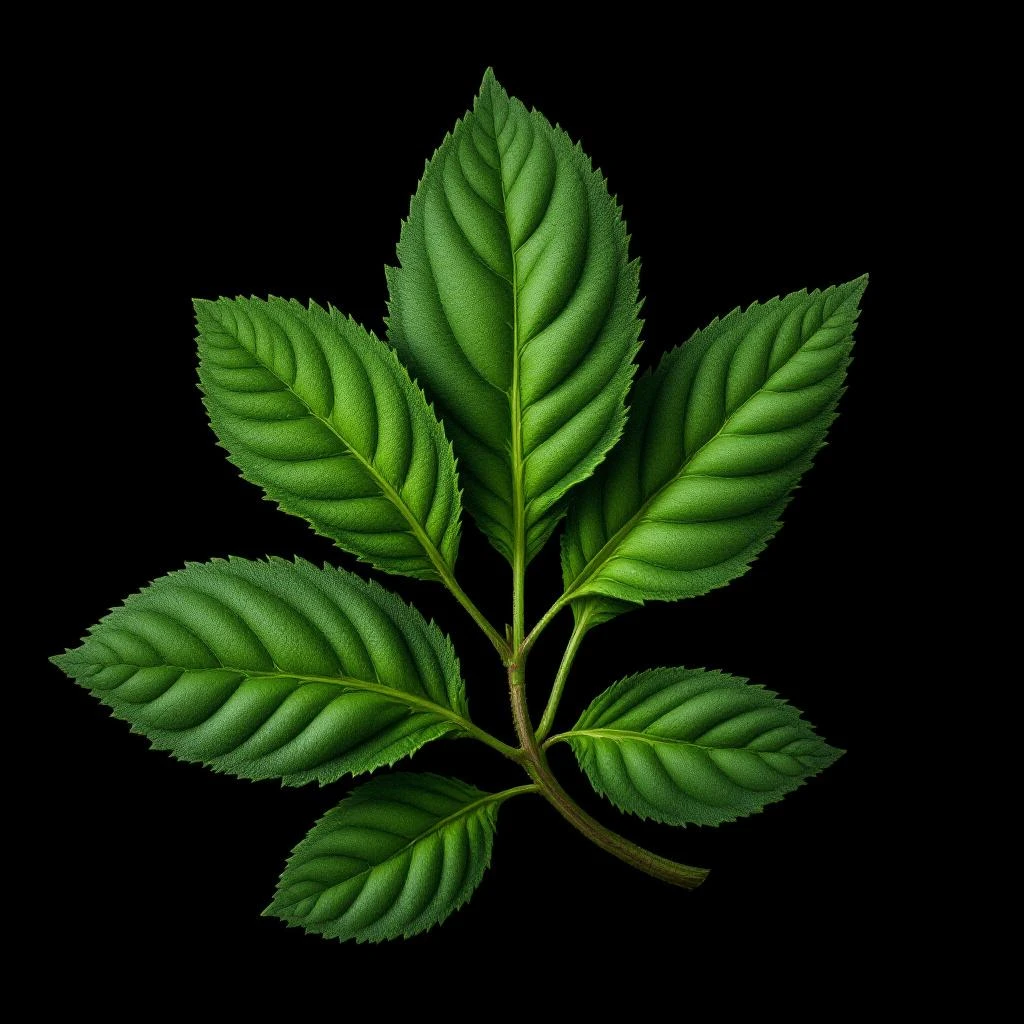
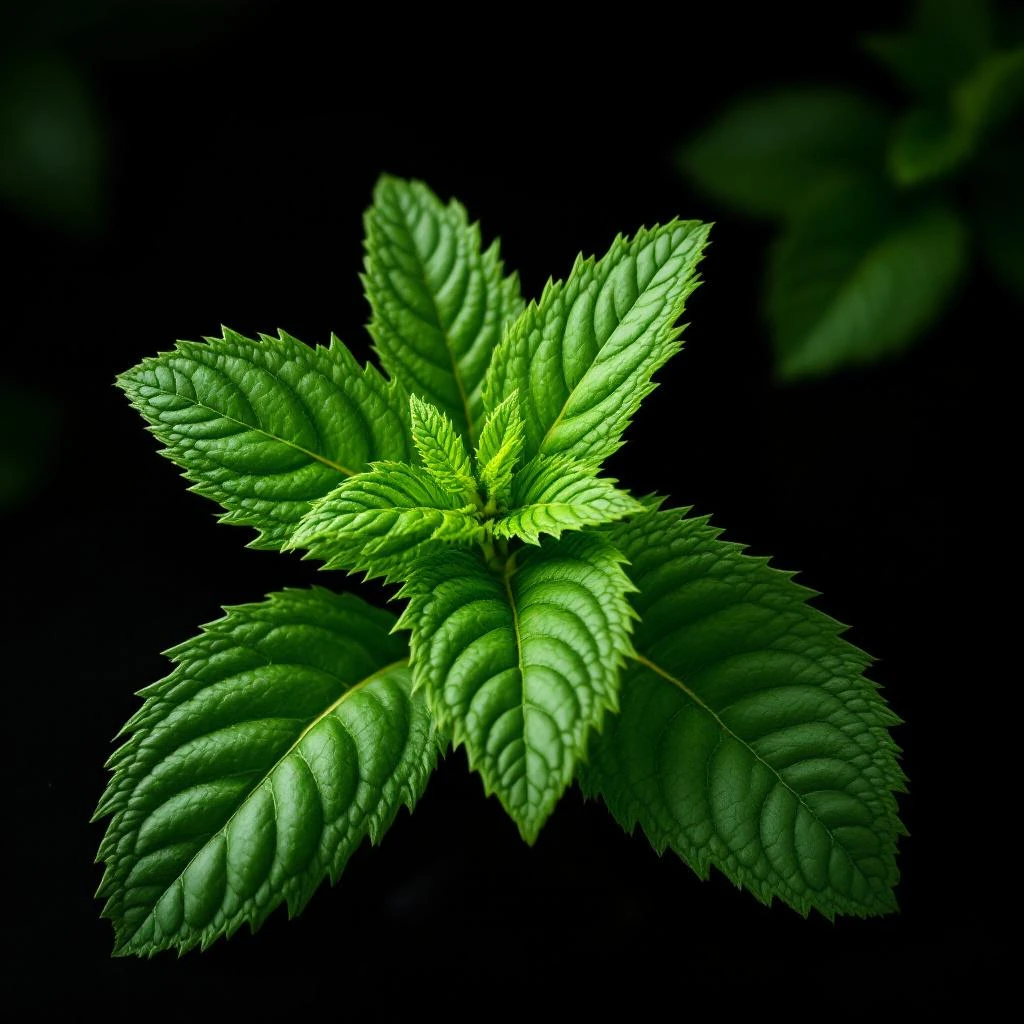
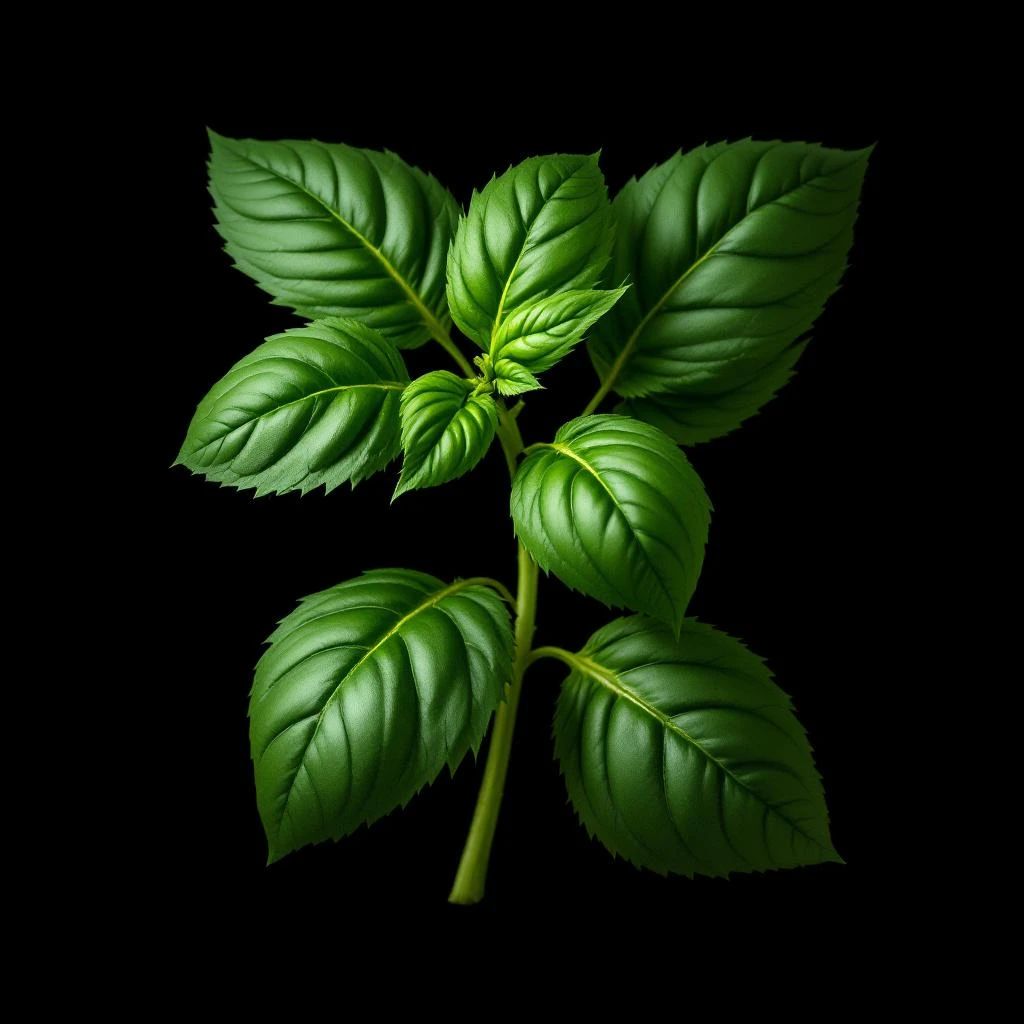
Harvested from high-altitude tea gardens of Nepal and Darjeeling, Himalayan tea brings an airy, smoky-green clarity to perfumery. Its faint tannins and leafy warmth read like morning mist over terraced slopes.
Character
How it smells
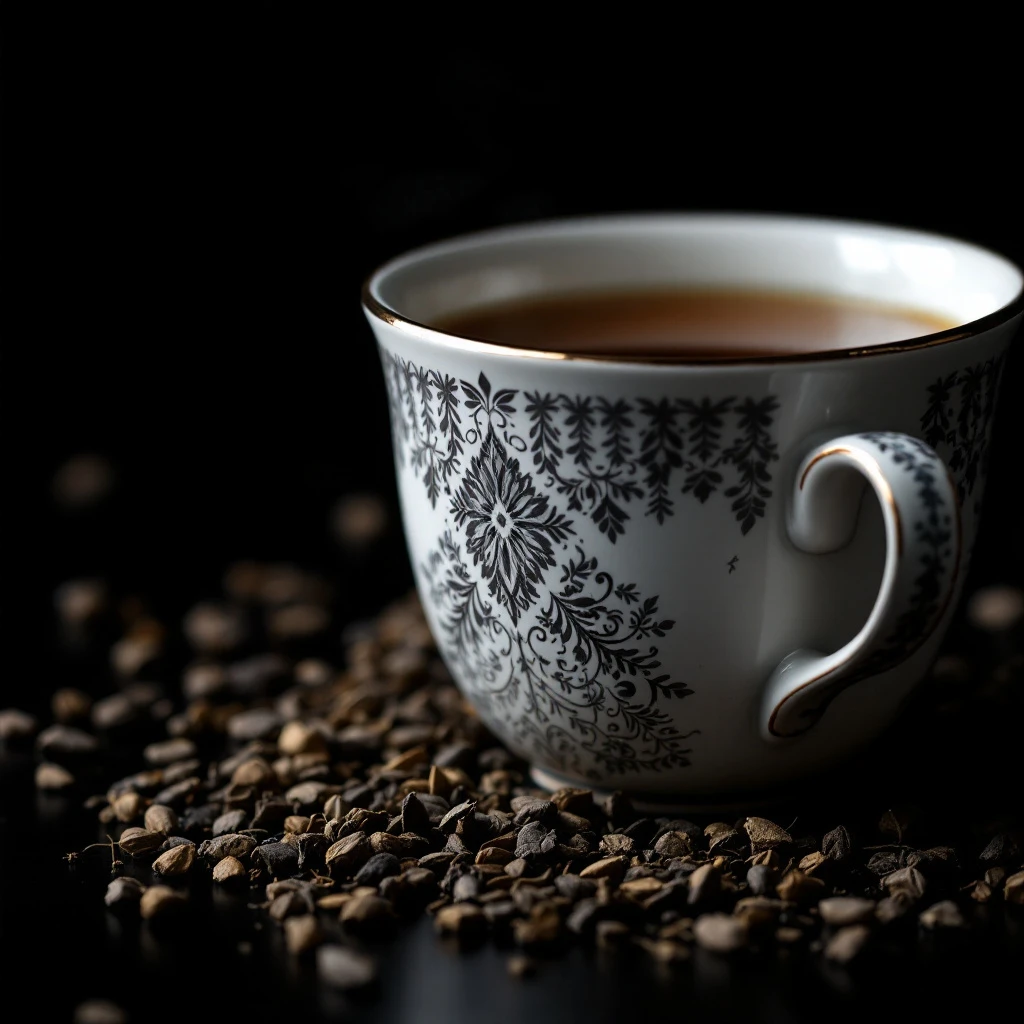
Mist over the high slopes, bottled.
Tea plants grown above 2,000 meters develop slower, smaller leaves with higher concentrations of aromatic compounds than their lowland cousins.





Origin
Nepal
Tea cultivation in the Himalayan foothills began when Chinese Camellia sinensis seeds reached Assam and Nepal in the early nineteenth century, carried by British colonial botanical expeditions. The Darjeeling region was planted in 1841, and by the 1880s its teas earned the nickname 'Champagne of teas' at European auctions.
While drinking tea shaped regional commerce for over a century, perfumers only began exploring tea as a fragrance material in the late twentieth century, as analytical chemistry revealed the complex volatile profiles hidden in familiar leaves. Nepalese perfumers working with local aromatic traditions incorporated wild-growing tea alongside black juniper and wormwood, plants documented in Himalayan fragrance practice for generations.
Today, tea notes appear in compositions from niche and independent houses seeking green, mineral accents that synthetic alternatives struggle to replicate. The high-altitude origin remains central: tea grown above 2,000 meters develops aromatic profiles shaped by cool nights, misty mornings, and mineral soils.
Wears it best
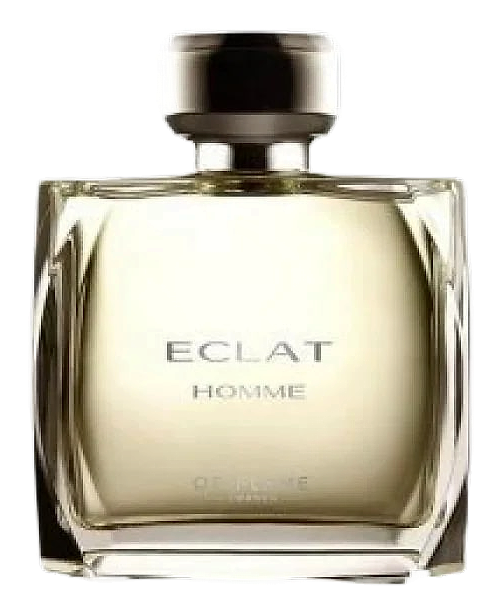
Fragrances featuring Himalayan Tea
Brands
Brands known for Himalayan Tea
Good to know
Questions, answered
The essentials on Himalayan Tea in perfumery: how it smells, where it comes from, and how it behaves on skin.
What does Himalayan tea smell like in perfume?
Himalayan tea contributes a cool, green, slightly smoky aroma with faint tannic bitterness. High-altitude growing conditions concentrate aromatic compounds, producing a leafier, more mineral character than lowland tea notes.
Where does Himalayan tea for perfume come from?
Most fragrance-grade Himalayan tea originates in Nepal's eastern hills and India's Darjeeling district, both at elevations above 1,500 meters. These high-altitude regions produce leaves with concentrated volatile oils.
How is Himalayan tea extracted for fragrance?
Steam distillation captures the lighter top-note aromatics from dried tea leaves. Solvent extraction yields a richer absolute that retains the plant's deeper, tannic qualities.
Is Himalayan tea in perfume natural or synthetic?
Both exist. Natural Himalayan tea absolute and distillate come from real Camellia sinensis leaves. Synthetic tea accords recreate similar green-smoky profiles at lower cost.
What perfumes use Himalayan tea notes?
Several niche and independent houses incorporate Himalayan tea alongside materials like Nepal sandalwood and Himalayan juniper. Specific compositions vary by perfumer and release year.
Why is high-altitude tea more aromatic?
Plants grown above 2,000 meters face cooler nights, intense UV, and slower growth cycles. These stresses increase concentrations of volatile compounds within the leaves.
When did perfumers start using tea as a note?
Tea appeared in fine fragrance compositions in the late twentieth century as analytical methods revealed the complexity of tea leaf volatiles. Earlier perfume traditions favored more accessible botanicals.
Is Himalayan tea sustainable?
Many Himalayan tea farms practice organic and small-scale cultivation. Sustainable sourcing depends on specific supplier practices, fair labor standards, and responsible land management.