Himalayan Pine
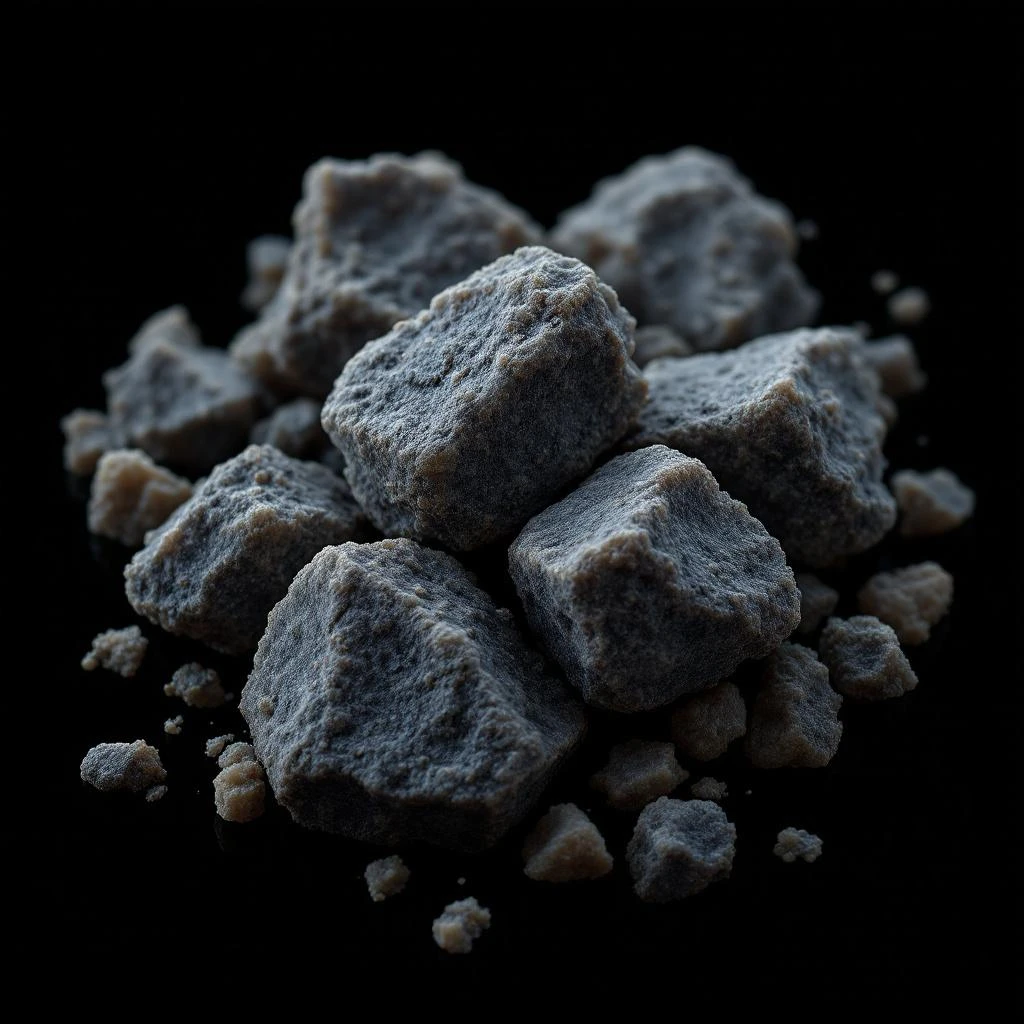
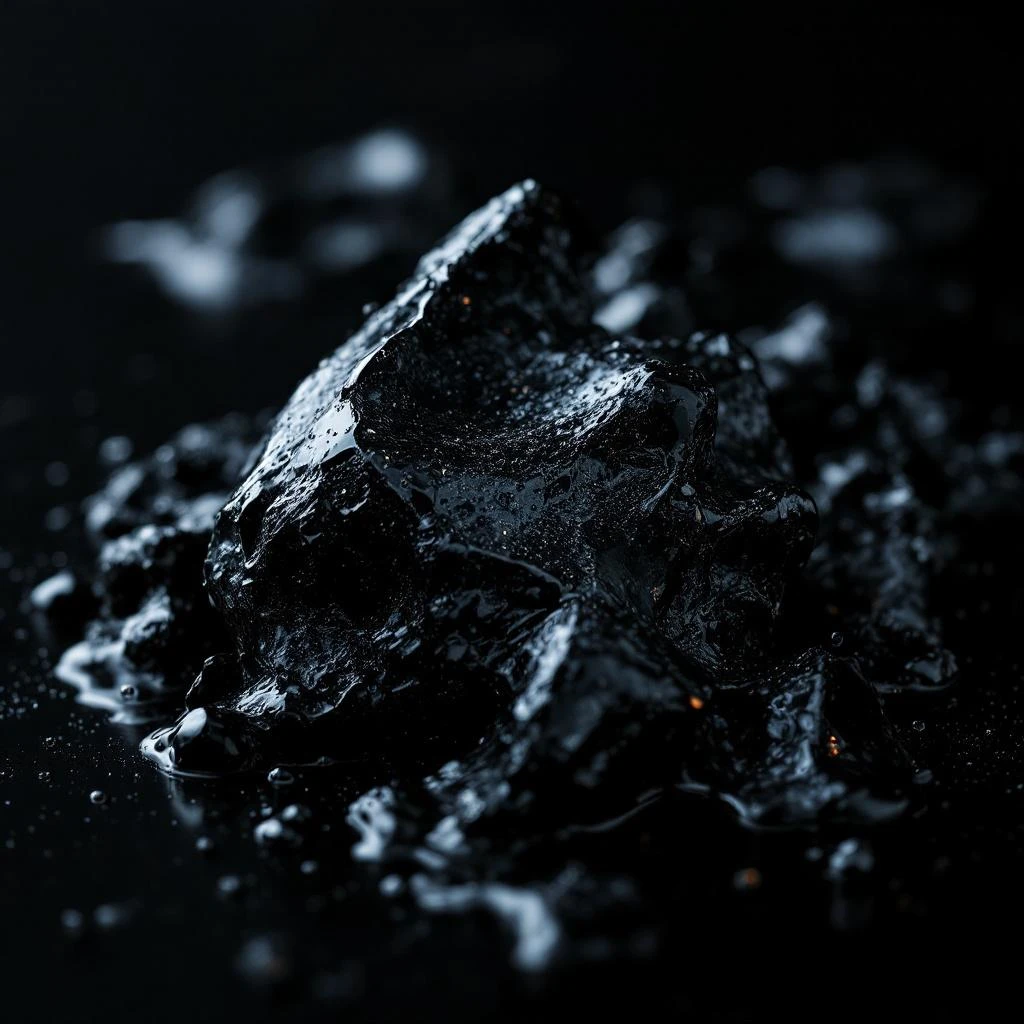
Himalayan Pine (Pinus roxburghii) yields a crisp, resinous oil with bright citrus-pine facets and deep balsamic warmth. Native to high-altitude forests across South Asia, it anchors coniferous and aromatic compositions with unmistakable clarity.
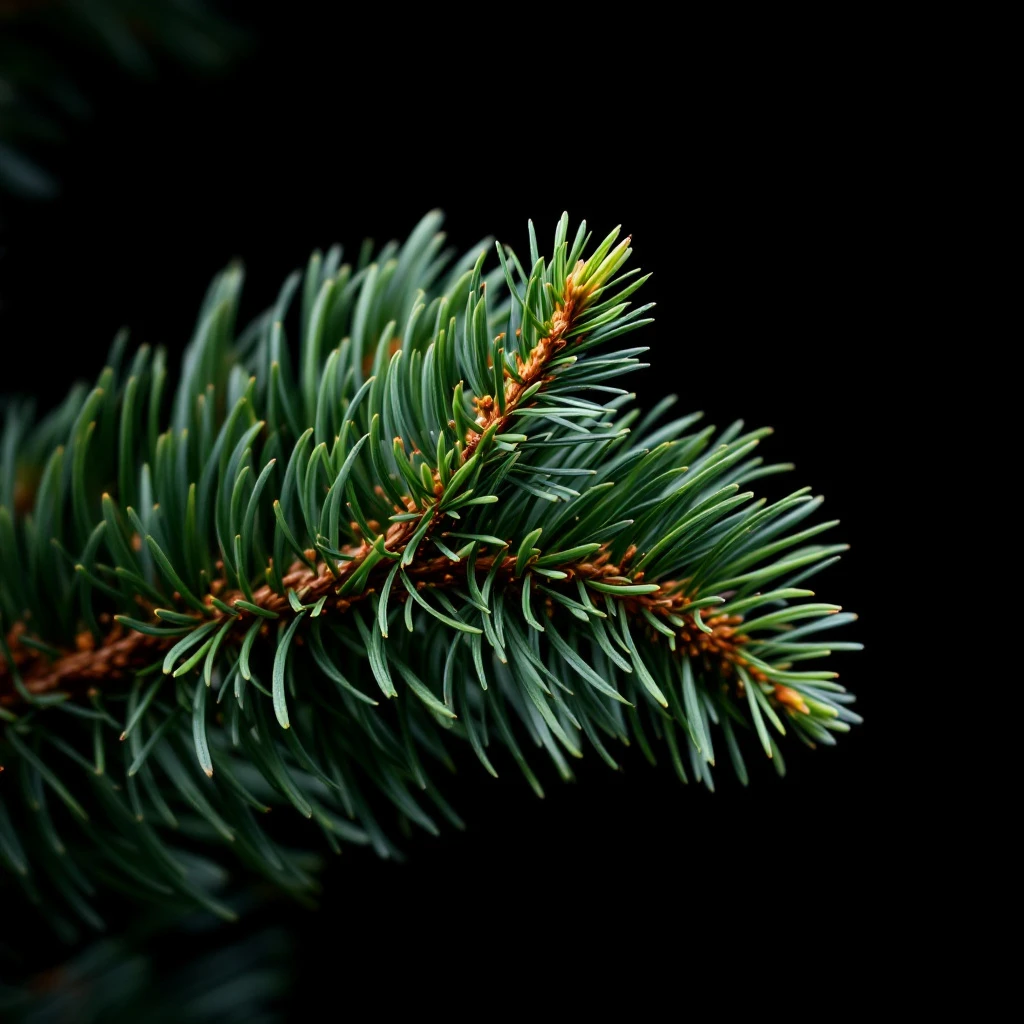
Character
How it smells
Crisp alpine resin from the roof of the world
Pinus roxburghii can live over 400 years, with mature trees producing resin tapped across multiple generations of Himalayan villagers.

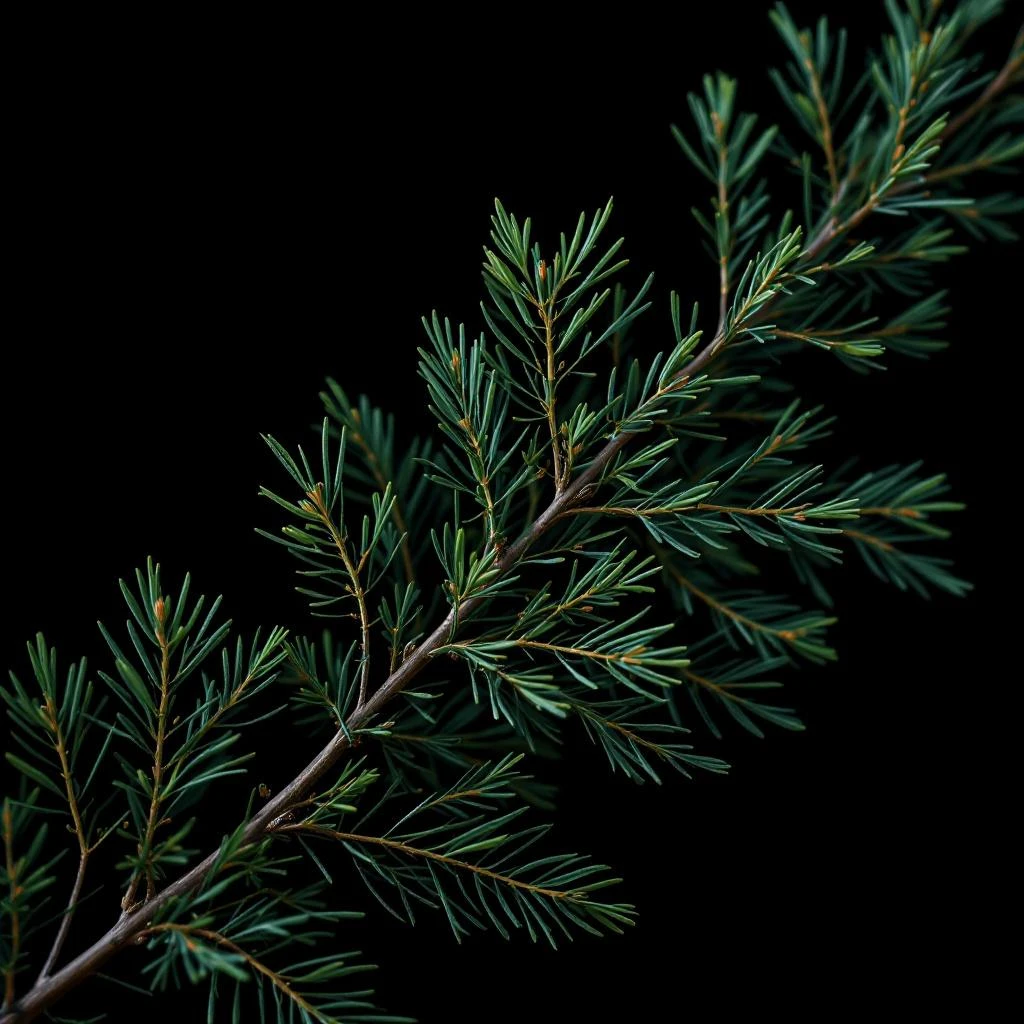


Origin
Nepal
The Himalayan foothills have produced pine resin for at least two thousand years, long before the modern perfume industry emerged in late 19th-century Paris. Local communities in Nepal, northern India, and Bhutan tapped Pinus roxburghii for turpentine, incense, and medicinal balms recorded in classical Ayurvedic texts. British colonial surveys in the 1800s documented systematic resin harvesting in the Kumaon and Garhwal ranges, where families passed tapping rights across generations.
As European perfumers sought novel coniferous materials in the early 20th century, Himalayan Pine gained a foothold in fougère and chypre structures, prized for its cleaner, less camphoraceous profile than Mediterranean pines. Today it remains a signature ingredient in boutique compositions that draw on South Asian aromatics.
Wears it best
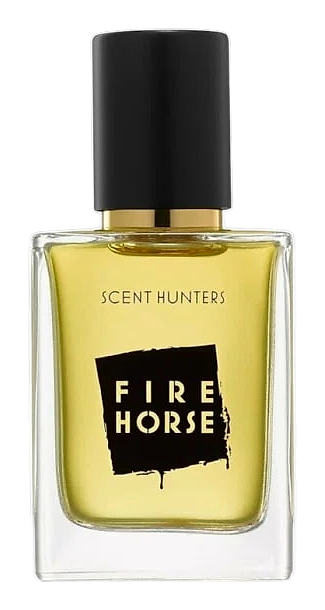
Fragrances featuring Himalayan Pine
Brands
Brands known for Himalayan Pine
Good to know
Questions, answered
The essentials on Himalayan Pine in perfumery: how it smells, where it comes from, and how it behaves on skin.
What does Himalayan Pine smell like?
It smells crisp and resinous, with bright pine top notes, subtle citrus brightness, and a warm balsamic undertone. The dominant molecule, alpha-pinene, gives it that sharp forest-fresh character perfumers prize.
Is Himalayan Pine the same as regular pine?
No. Pinus roxburghii grows at high Himalayan altitudes and produces oil with a cleaner, less turpentine-like profile than Scots Pine. Its beta-pinene and longifolene content distinguishes it from European varieties.
How is Himalayan Pine oil extracted?
Producers use steam distillation on needles, twigs, and tapped oleoresin. Yields stay low, around 0.3 to 0.5 percent by weight, which keeps pure material scarce in commercial perfumery.
Where does Himalayan Pine grow?
It thrives across the Himalayan range from Afghanistan through Nepal to Bhutan, typically between 1,000 and 2,500 meters elevation. Nepal and northern India supply most perfumery-grade material.
Is Himalayan Pine sustainable?
Traditional resin tapping is sustainable because it does not kill the tree, and harvests rotate across stands. Steam-distilled needle oil uses pruned foliage, though overharvesting in some regions has raised conservation concerns.
What perfumes use Himalayan Pine?
It appears in coniferous, fougère, and woody-amber compositions from niche houses exploring South Asian aromatics. Its clean profile also works well in masculine colognes seeking a less camphoraceous pine note.
What are the main chemical compounds in Himalayan Pine oil?
Alpha-pinene dominates at roughly 40 to 60 percent, followed by beta-pinene, longifolene, and smaller amounts of cadinene. This terpene-rich profile defines its crisp, forest-like character.
Can Himalayan Pine oil be used in aromatherapy?
Yes, though clinical evidence is limited. Its high alpha-pinene content links it to respiratory comfort traditions, but concentrated oils require dilution and professional guidance before topical or inhaled use.



