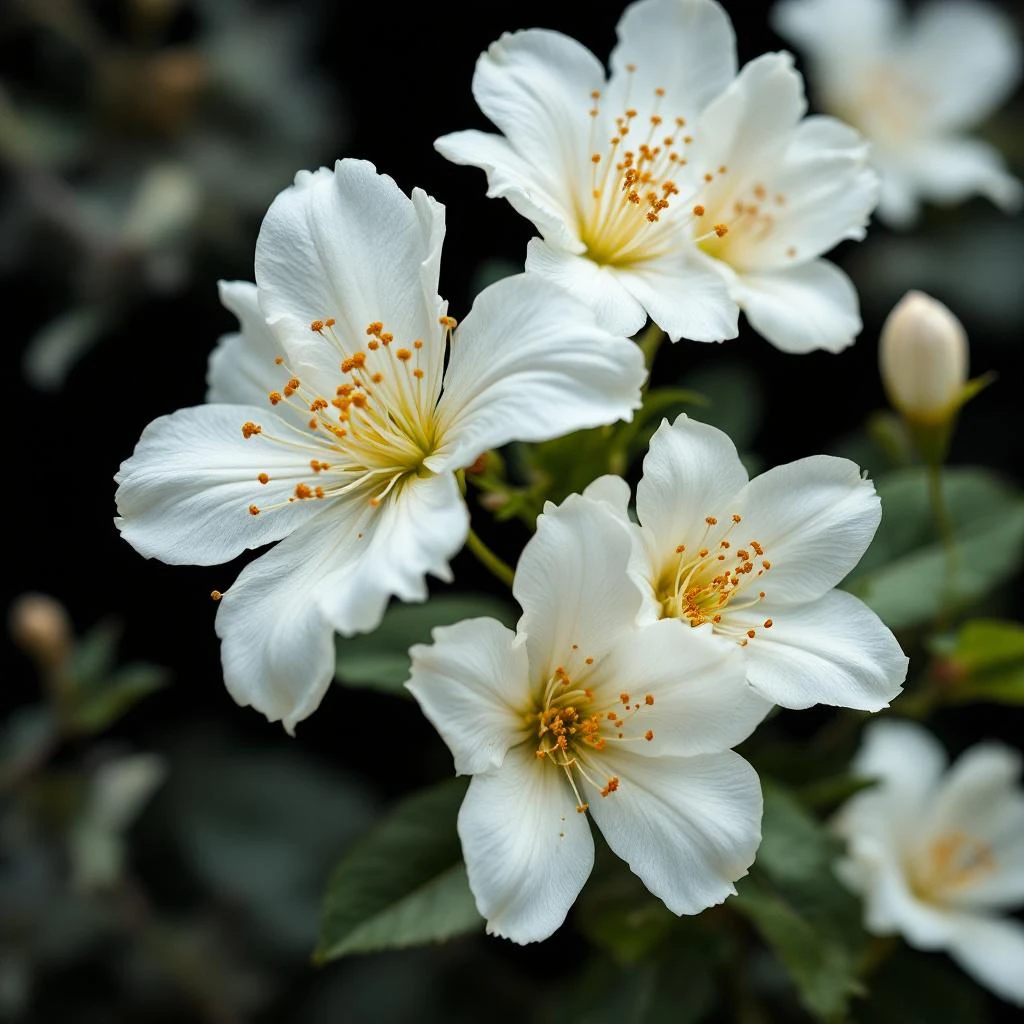
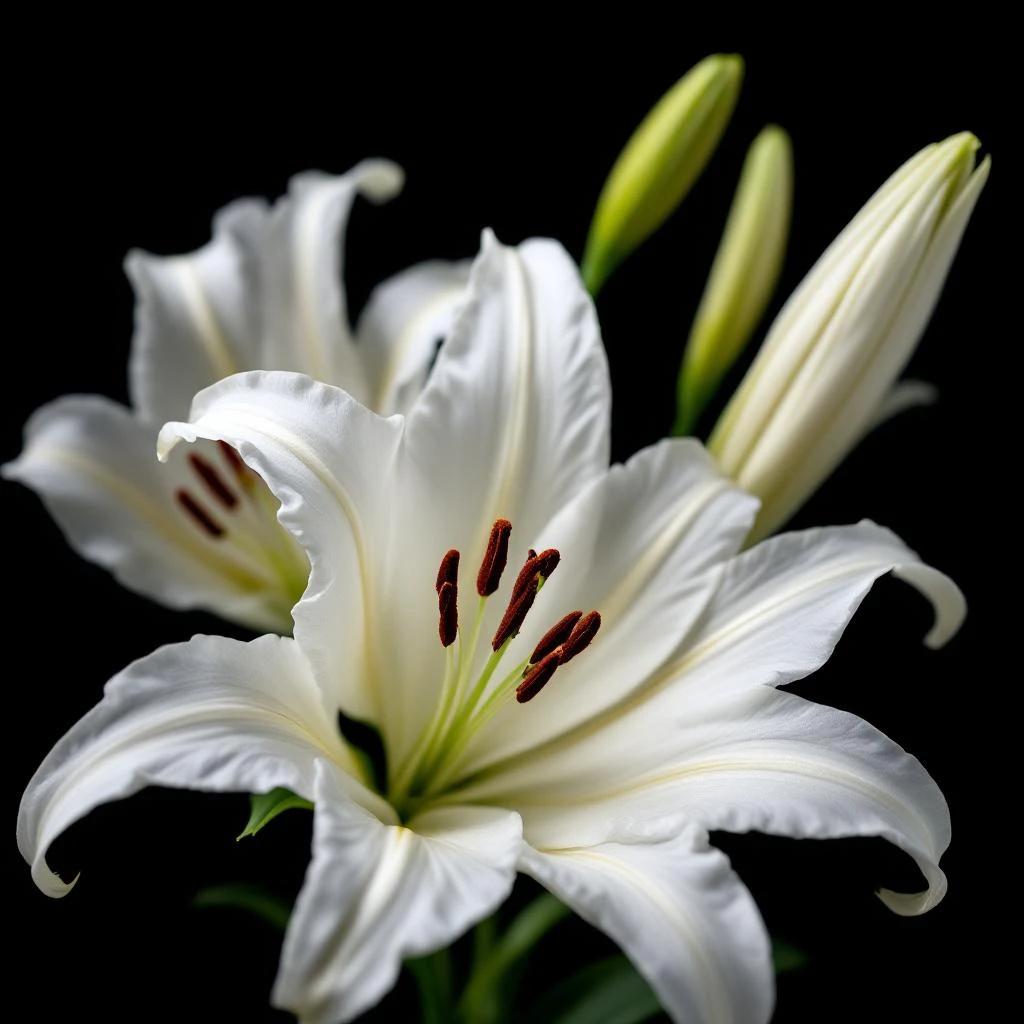
Himalayan Lily
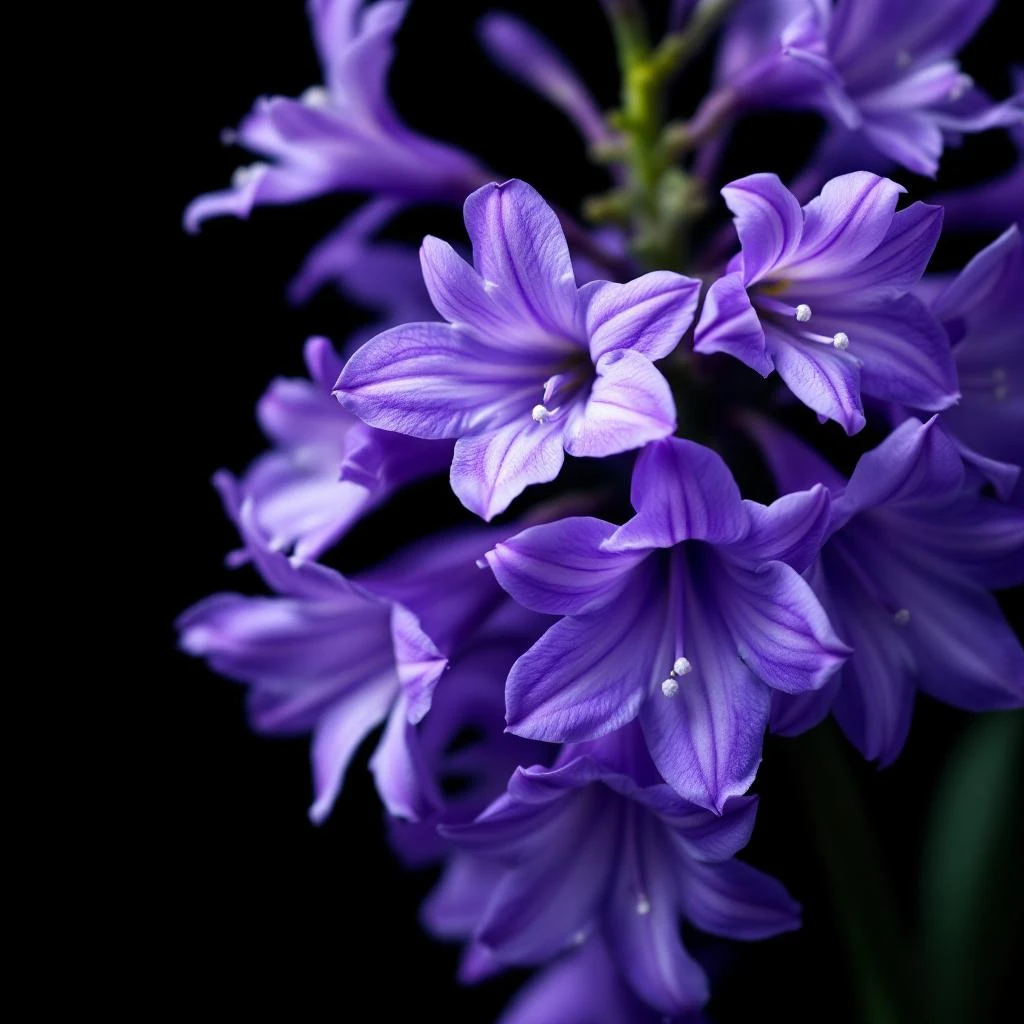
Rare Himalayan lily thrives in Sikkim and Nepal's high-altitude meadows, offering a green-floral aroma with crisp, slightly spiced undertones that distinguish it from other lily varieties.
Character
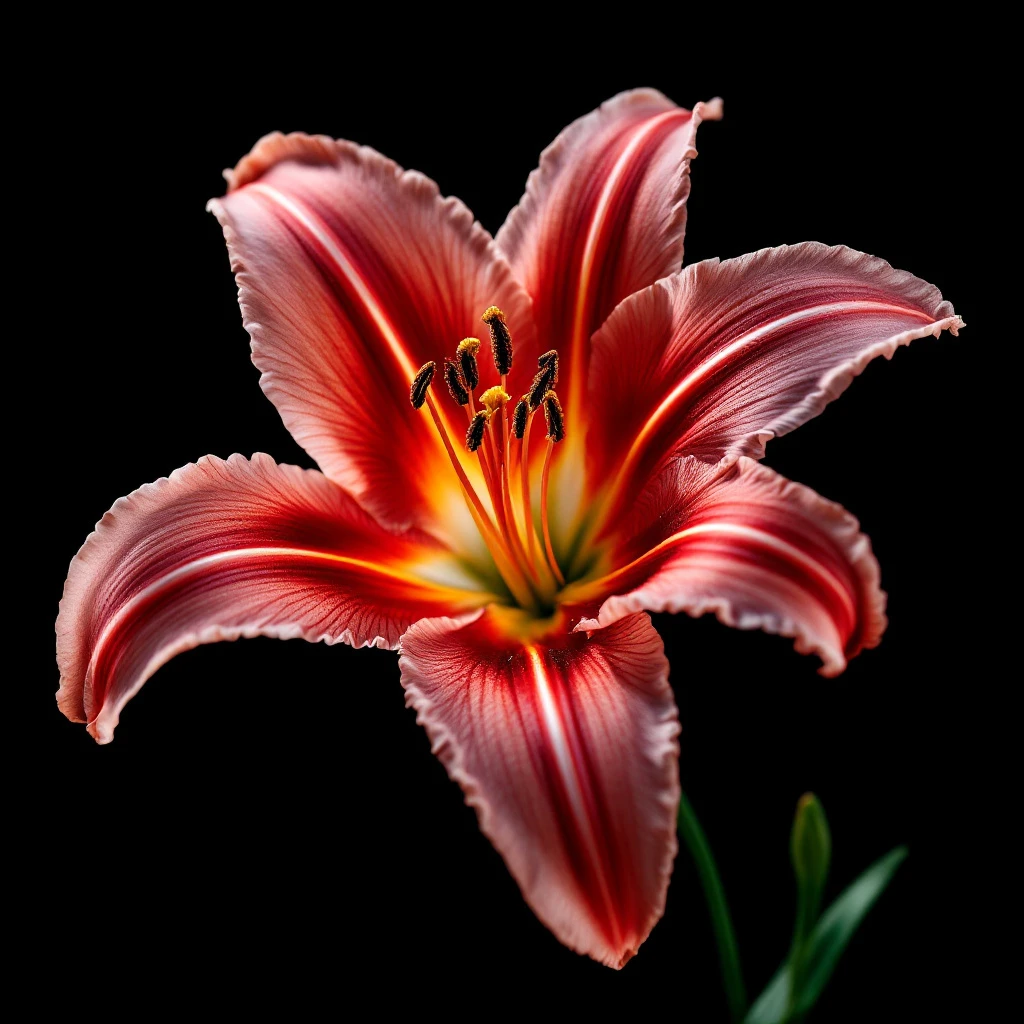
How it smells
Mountain-pure florals from the roof of the world.
In 16th-century France, elegant young men were called muguets in tribute to lily of the valley's delicate fragrance.

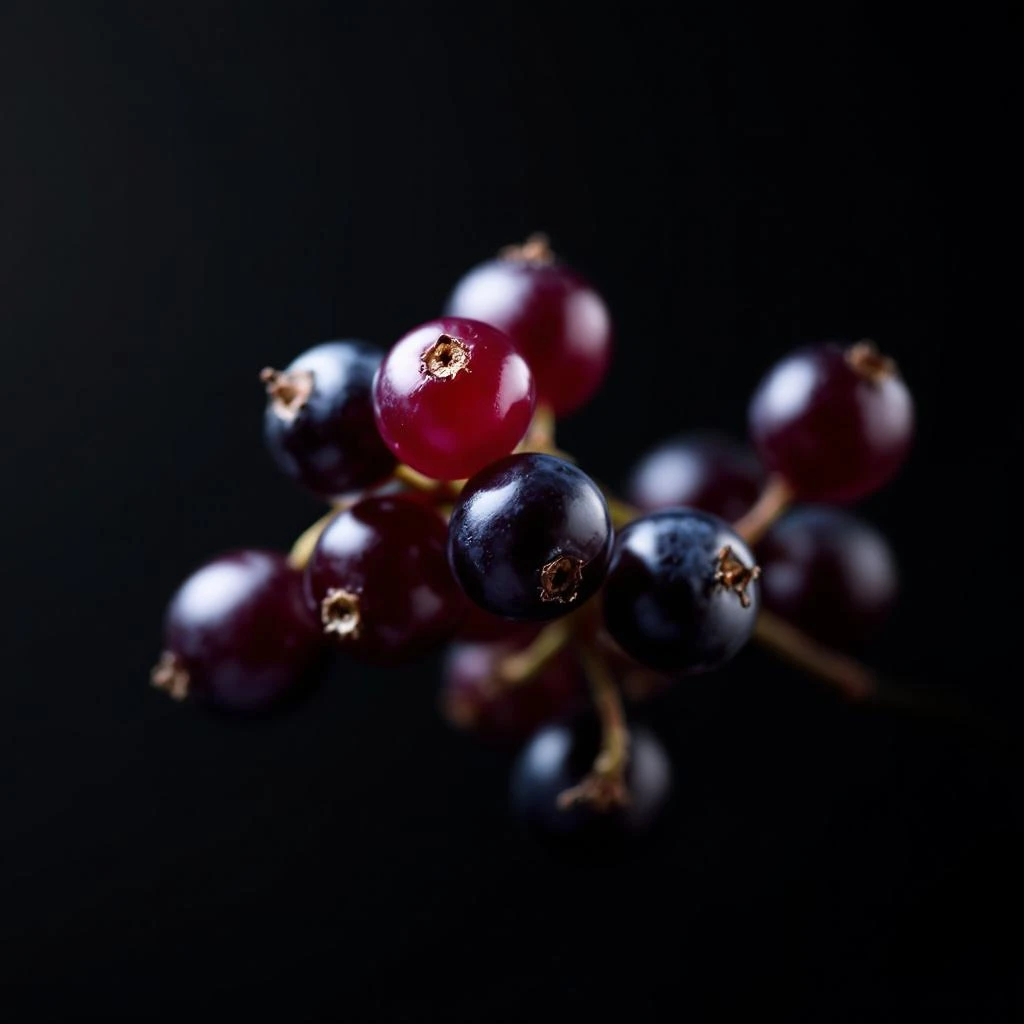
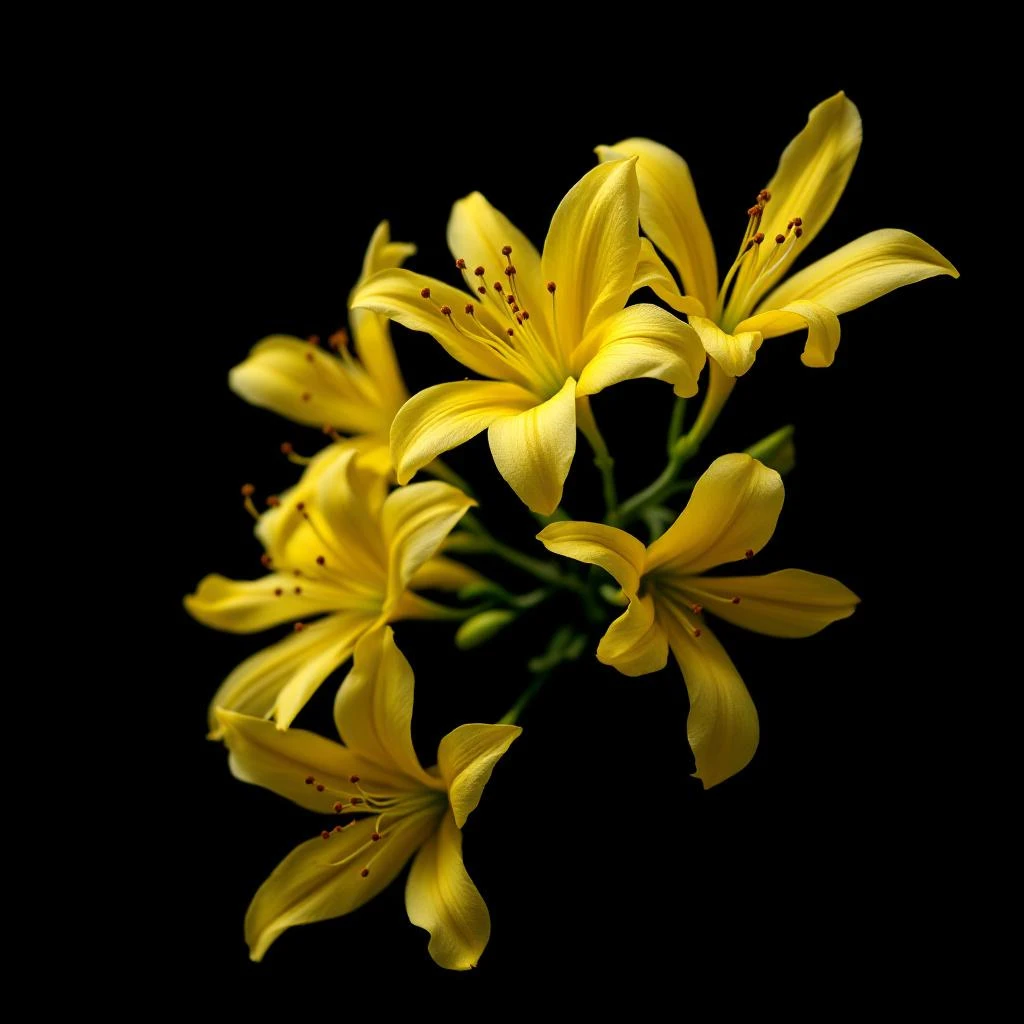
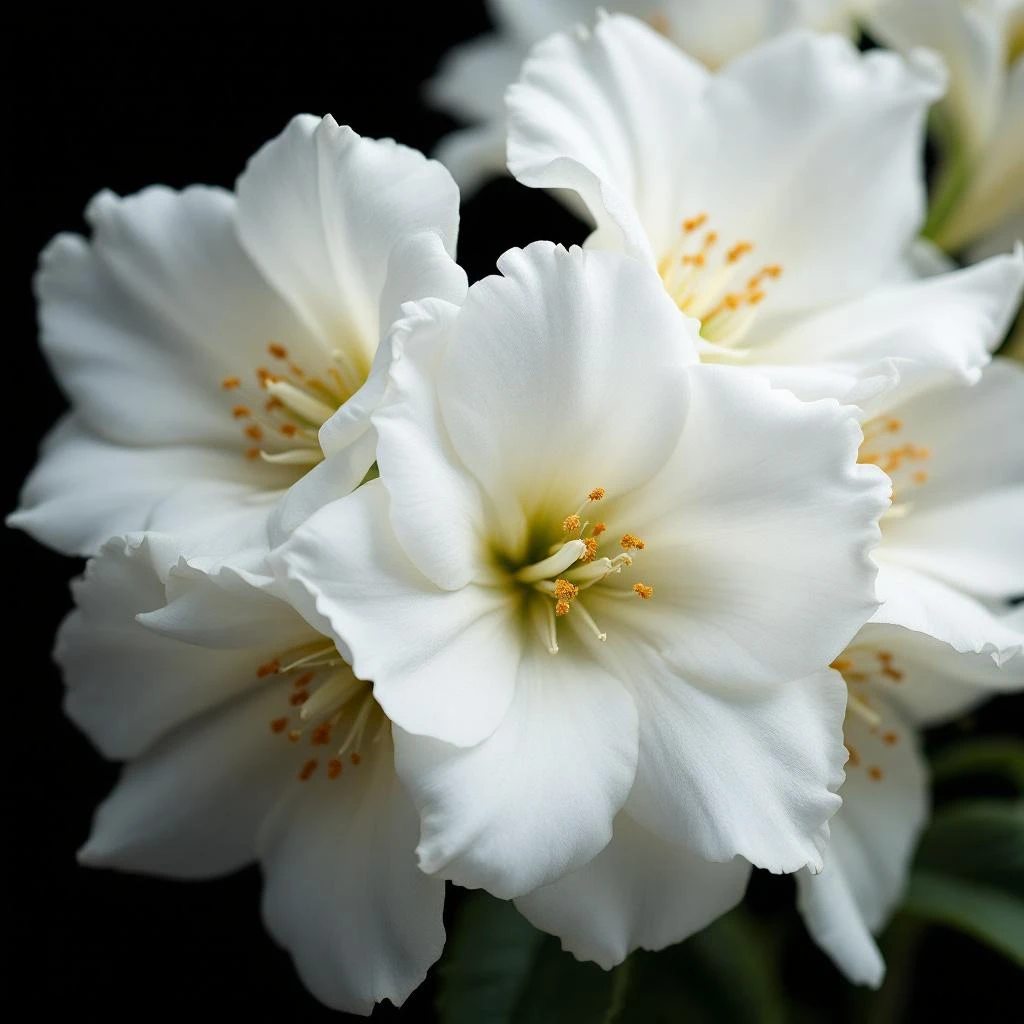
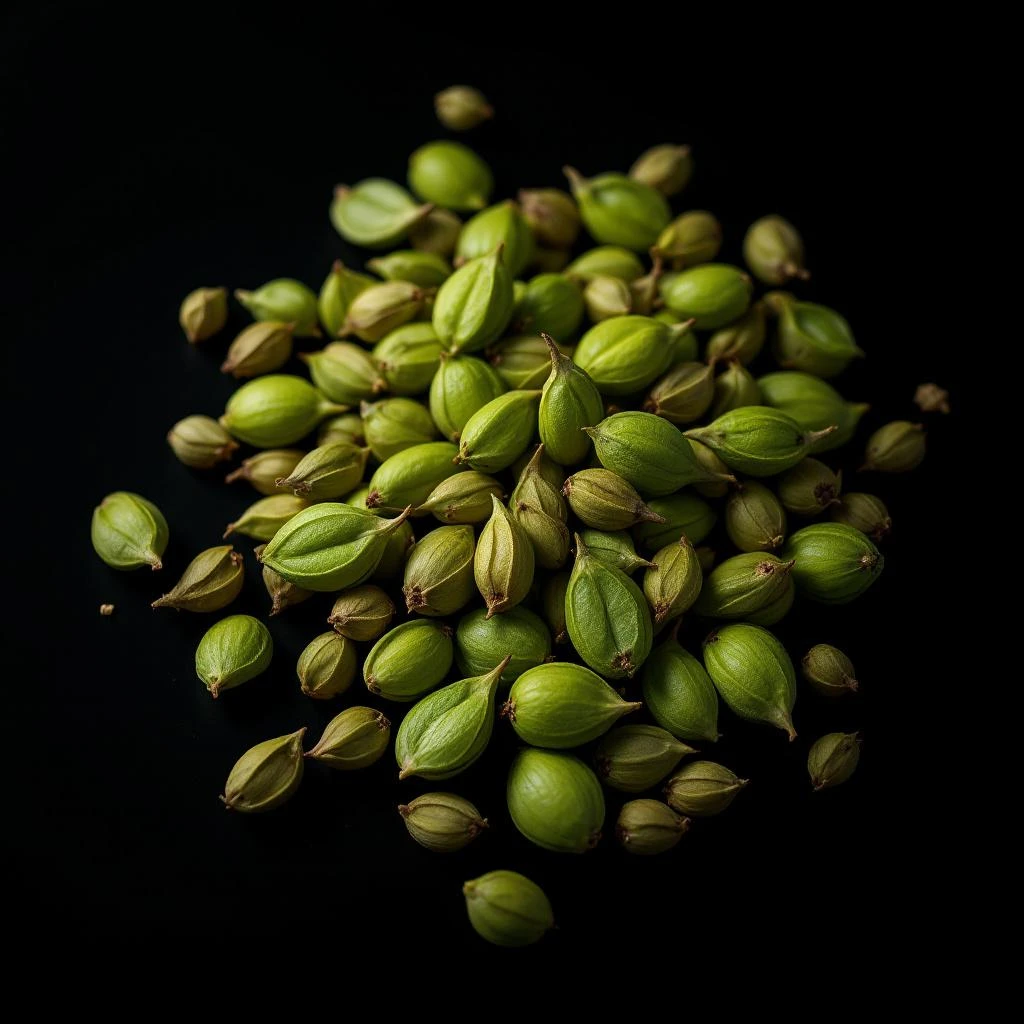
Origin
India
Indigenous communities in Sikkim and Nepal have cultivated Himalayan lilies for generations, incorporating the flowers into traditional ceremonies and folk remedies. The plant holds deep cultural significance in Himalayan Buddhist practices, symbolizing purity and mountain spirit.
During the 19th-century expansion of global trade, European botanical expeditions encountered these rare lilies and sent specimens to horticultural societies. Perfumers immediately recognized the flower's distinctive character, but its delicate structure made direct extraction impractical.
Early attempts to recreate its scent involved enfleurage, using fat to absorb the flower's fleeting aroma. Modern synthesis techniques finally enabled consistent reproduction of the Himalayan lily profile, bringing this high-altitude flower's essence to contemporary perfumery.
Wears it best
Fragrances featuring Himalayan Lily
Brands
Brands known for Himalayan Lily
Good to know
Questions, answered
The essentials on Himalayan Lily in perfumery: how it smells, where it comes from, and how it behaves on skin.
What does Himalayan lily smell like in perfume?
Himalayan lily offers a green-floral scent with crisp, slightly spiced undertones. Its aroma carries aquatic freshness and a clean, mountain-pure character distinct from typical lily notes.
Is Himalayan lily a natural or synthetic ingredient?
Most commercial Himalayan lily accord is synthetic, created by fragrance houses in Switzerland, Germany, and France. True natural absolute exists but remains rare due to cultivation and extraction challenges.
Where does Himalayan lily grow natively?
The species grows natively across the Himalayan region, particularly in Sikkim, India, and Nepal at elevations above 3,000 meters, thriving in cold, high-altitude conditions.
How is Himalayan lily harvested for perfumery?
Harvesting occurs during a narrow window in July-August. Workers collect flowers at dawn before sunrise to capture volatile compounds at peak potency, then process them within hours.
What makes Himalayan lily different from other lily varieties?
The high-altitude growing conditions produce a distinctive scent profile. Himalayan lily carries green, slightly spicy notes with aquatic undertones that set it apart from sweeter lily varieties.
Why is Himalayan lily rare in perfumery?
The flower's high-altitude habitat, brief blooming season, and delicate aromatic compounds make large-scale natural extraction impractical. Most perfumers rely on synthetic recreations.
What extraction method captures Himalayan lily's scent?
Solvent extraction produces Himalayan lily absolute, yielding a concentrated material that preserves the flower's green-floral character. The method suits delicate flowers that resist steam distillation.
Does Himalayan lily have historical significance in perfumery?
Himalayan lilies gained attention during 19th-century botanical explorations. While true natural extracts proved challenging to produce, the flower's unique profile influenced synthetic lily accord development.