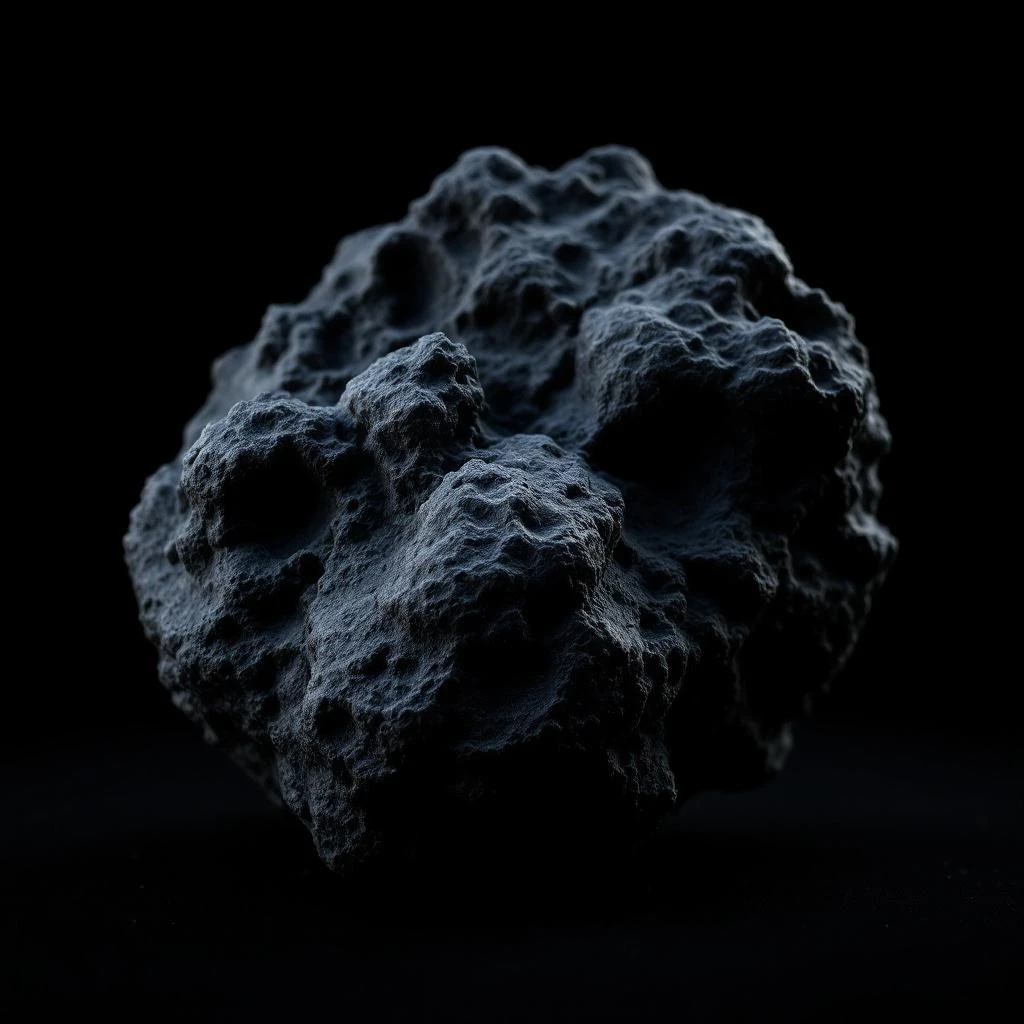
Himalayan Deer Musk
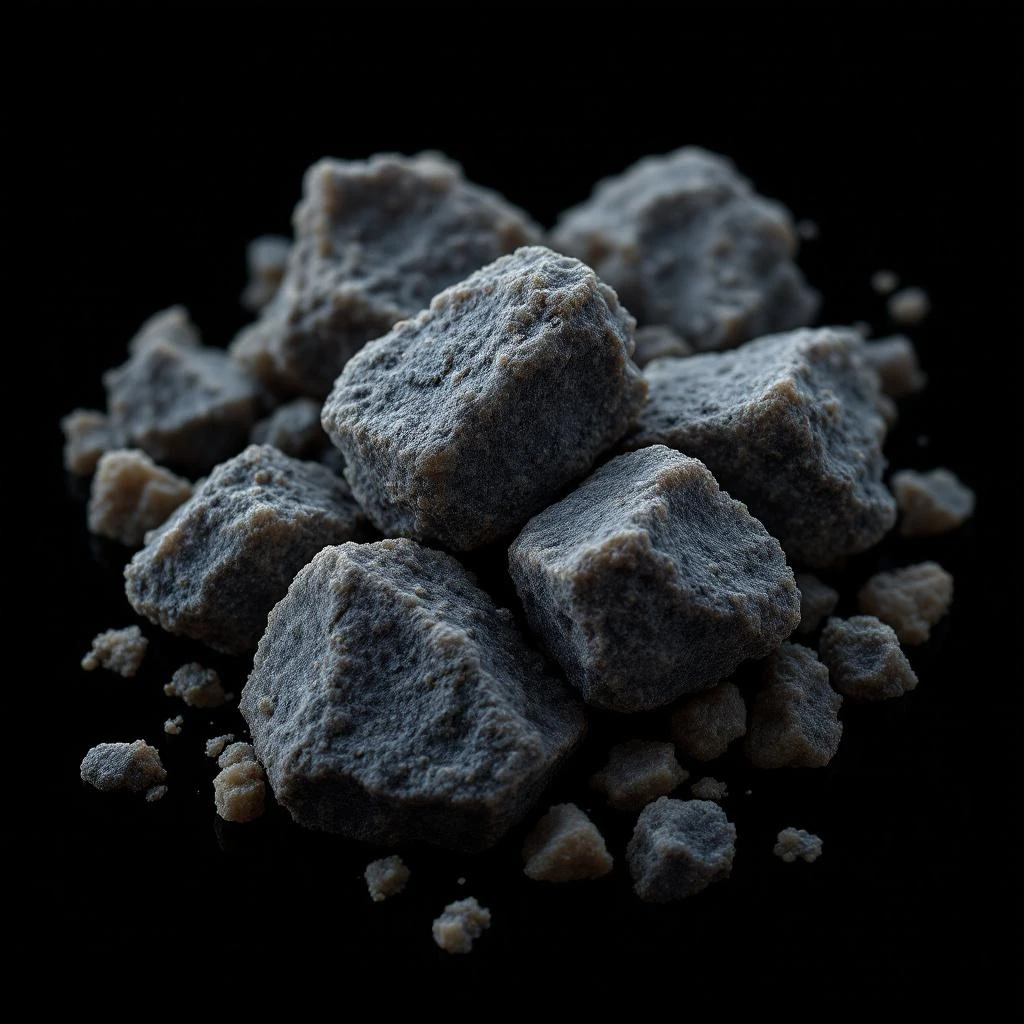
Himalayan Deer Musk: the legendary secretion of the musk deer, prized across centuries for its warm, animalic depth. A note wrapped in rarity, controversy, and centuries of perfumery tradition.
Character
How it smells
Rare. Animalic. Legendary.
One musk deer yields only about 25 grams of usable secretion, making natural musk historically worth more per gram than gold.

Origin
China
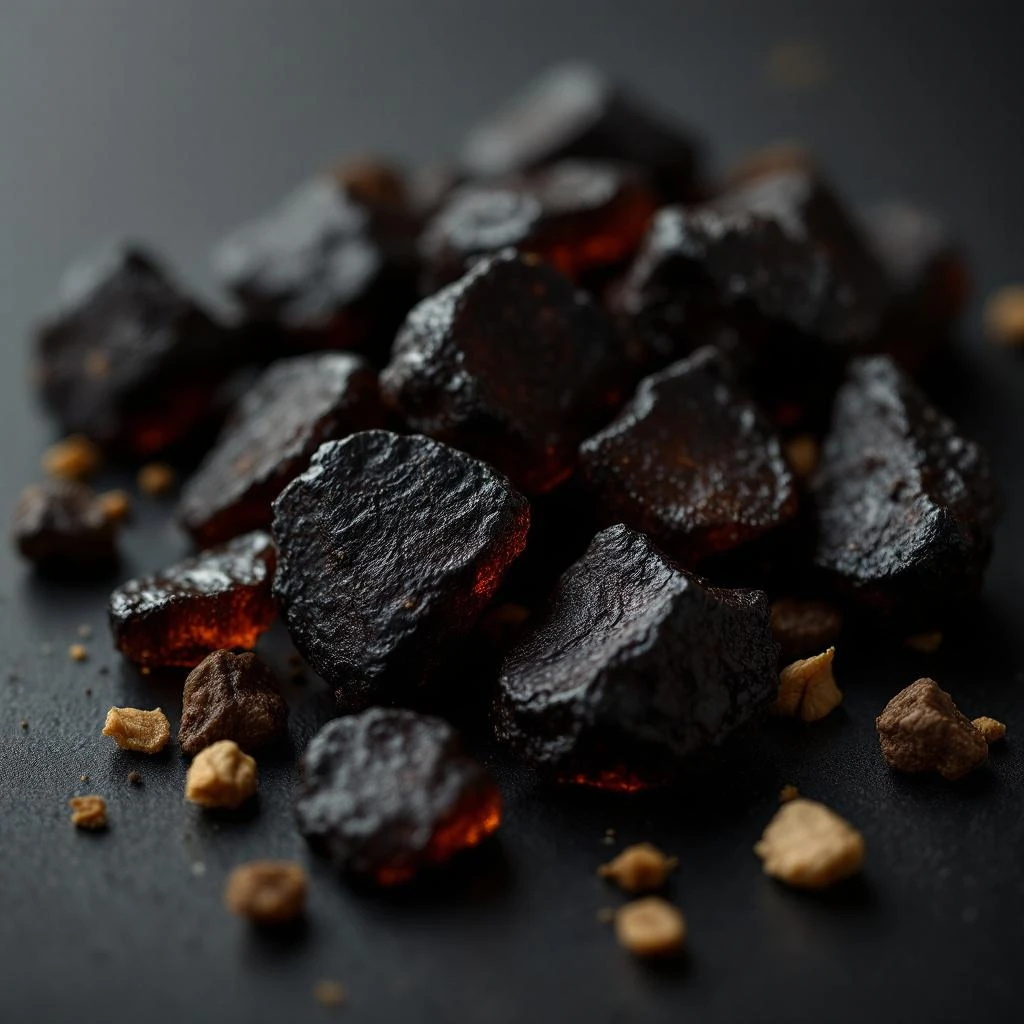
Musk first appears in Chinese and Tibetan medicinal and aromatic texts over 1,300 years ago, where it was valued as both a medicine and incense. The Western world encountered it around the 5th century AD, when trade routes through the Himalayas and Central Asia began carrying the prized pods westward. By the medieval period, musk had become one of the most coveted ingredients in Arab, Byzantine, and Indian perfumery, often blended into royal attars and court unguents.
The Himalayan musk deer, native to Tibet, Nepal, and surrounding high-altitude forests, supplied most of this material. Intensive hunting through the 19th and 20th centuries pushed populations to the brink of collapse. International trade restrictions under CITES now limit legal musk commerce, and the majority of modern musk notes are reconstructed synthetically.
The note endures as a benchmark of animalic intensity, anchoring compositions with warmth, sensuality, and unmistakable longevity.
Wears it best
Fragrances featuring Himalayan Deer Musk
Brands
Brands known for Himalayan Deer Musk
Good to know
Questions, answered
The essentials on Himalayan Deer Musk in perfumery: how it smells, where it comes from, and how it behaves on skin.
What does Himalayan Deer Musk smell like?
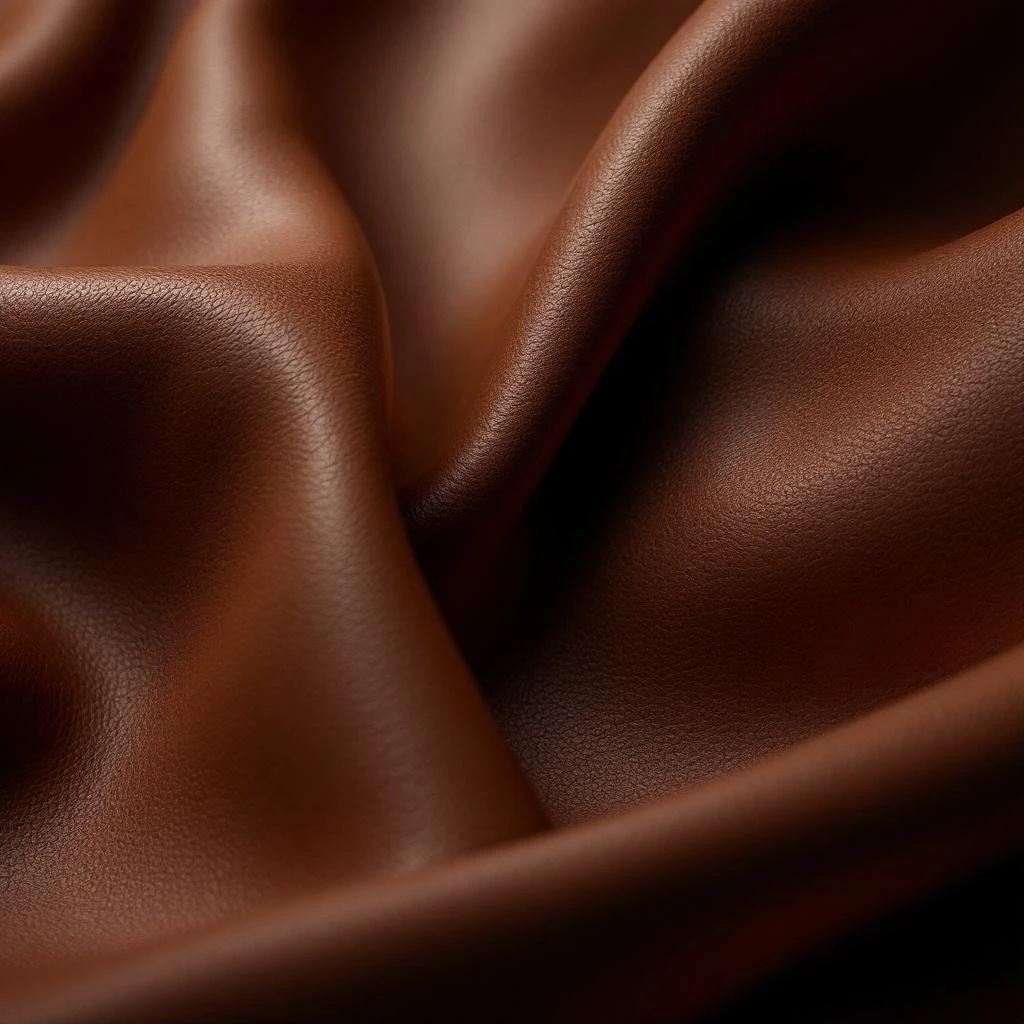
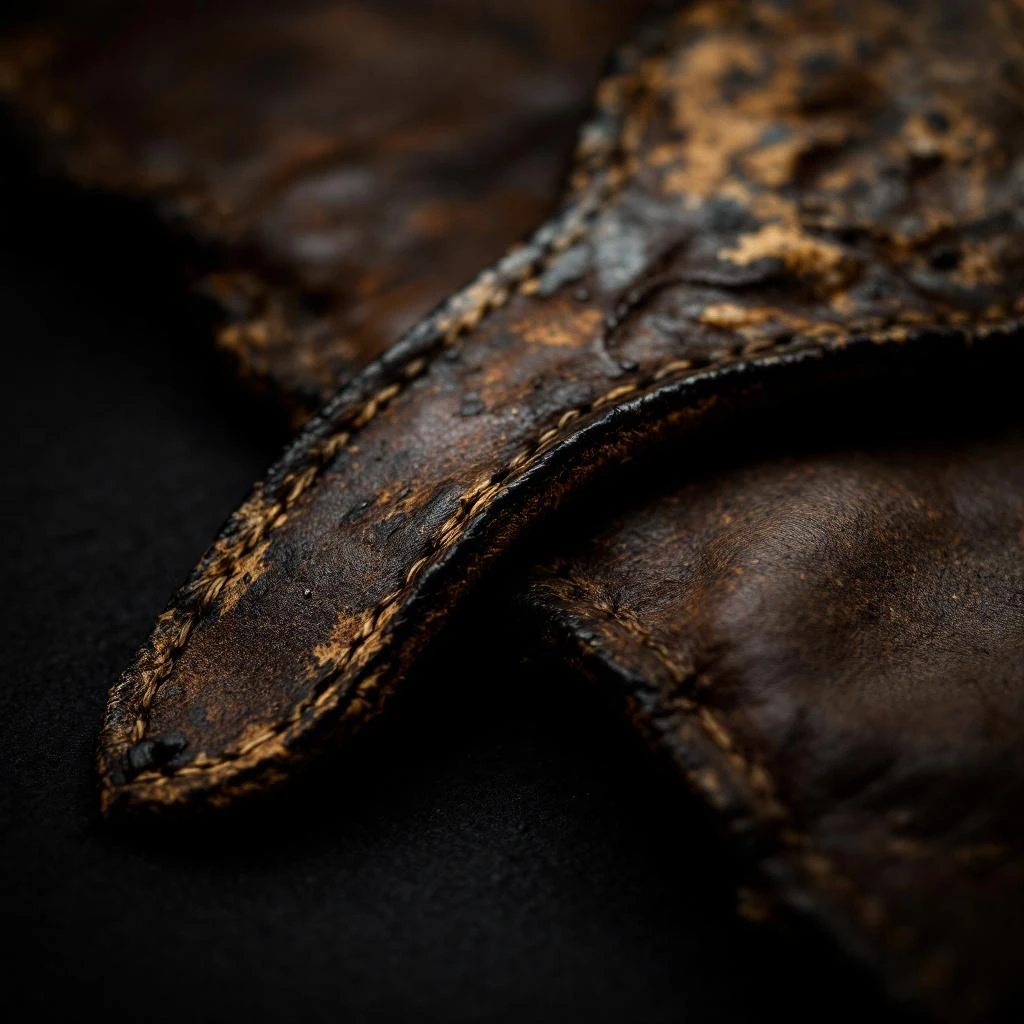
It smells warm, animalic, and intensely musky, with deep leathery and slightly fecal undertones that soften on skin into a sensual, skin-like base. The raw secretion is far stronger than the diluted perfume material, carrying a fecal edge that perfumers historically used in tiny doses.
Is Himalayan Deer Musk still used in perfumes?
Genuine natural musk is extremely rare in modern perfumery due to legal restrictions and conservation status. Today, over 95% of musk notes in commercial fragrances are synthetic compounds such as muscone or polycyclic musks designed to replicate the scent.
Why was musk deer overhunted?
Musk deer were hunted relentlessly for their glandular pods, which commanded prices higher than gold per gram in 19th-century markets. A single male yielded only about 25 grams of secretion, driving populations across the Himalayas to near extinction.
Is Himalayan Deer Musk legal?
Trade is regulated under CITES Appendix I or II depending on the species, with most musk deer species fully protected. Legal commerce exists only through certified programs in China and Russia, where quotas are strictly enforced.
What is the difference between natural musk and white musk?
Natural musk derives from animal secretions with a heavy animalic profile, while white musk is a family of synthetic compounds developed from the 20th century onward to evoke clean, soft, skin-like warmth without animal sourcing.
When was deer musk first documented?
The earliest written references appear in Chinese and Tibetan texts over 1,300 years old, predating Western awareness by centuries. The Western world did not encounter it until roughly the 5th century AD via Silk Road trade.
Which animals besides musk deer produce musk?
Other natural sources include the civet cat of Africa, the muskrat of North America, and the musk ox of the Arctic. Each produces a distinct secretion, though the Himalayan musk deer remains the most historically prized.
Can synthetic musk fully replace natural musk?
Modern muscone and related synthetics capture the warmth and longevity of natural musk with remarkable accuracy, though perfumers debate whether they fully reproduce its complex animalic depth. For practical and ethical reasons, synthetics have become the global standard.