Himalayan Cedar Leaf
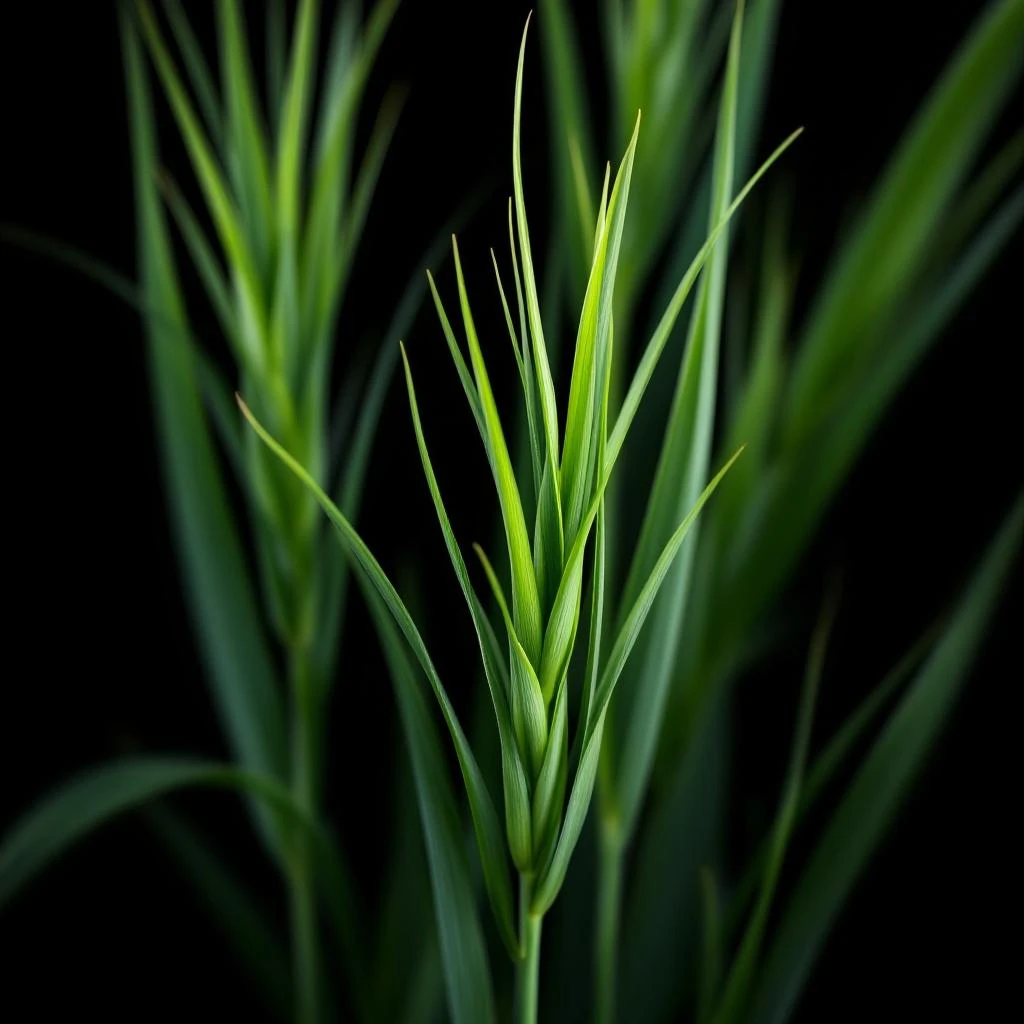
Himalayan cedar leaf delivers a sharp, terpenic green character that cuts through heavy compositions, bringing the bracing clarity of high-altitude forests into bottle form.
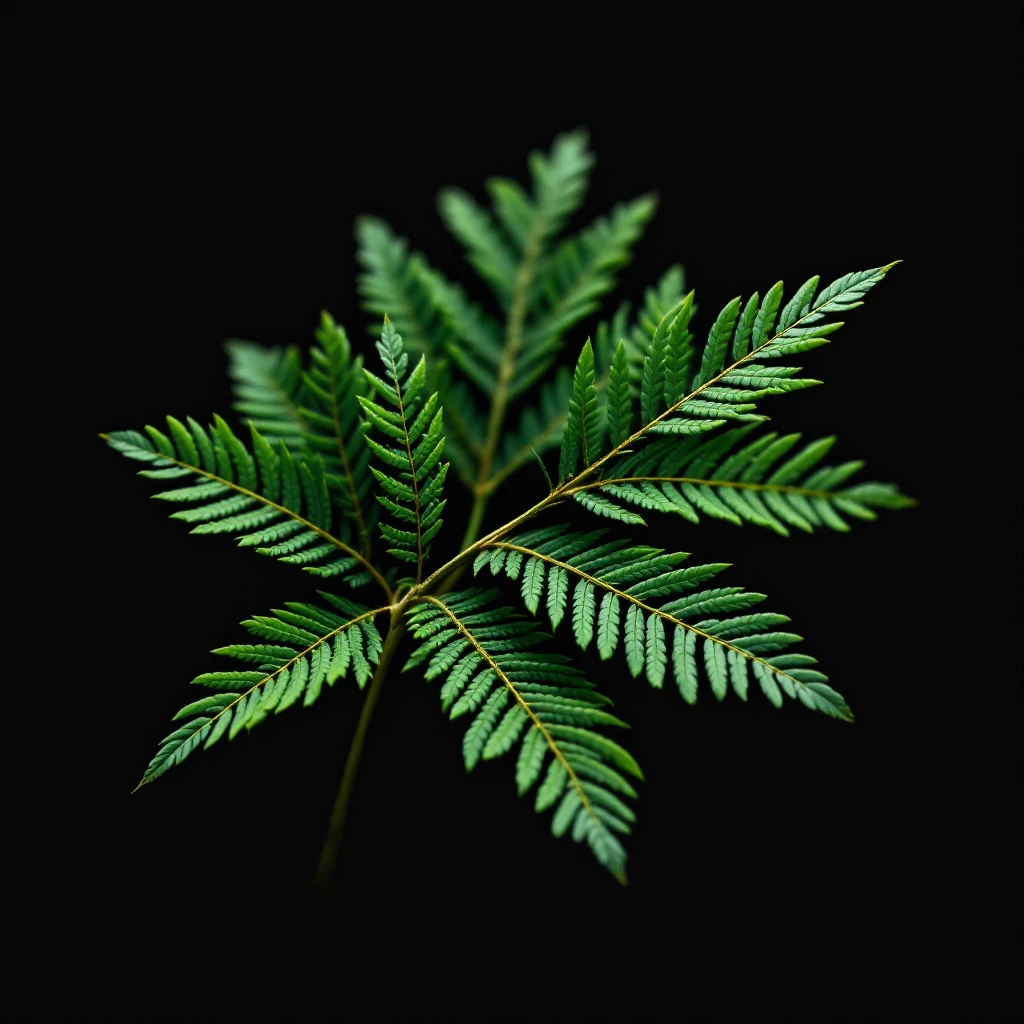
Character
How it smells
Unlike cedarwood oils distilled from heartwood, cedar leaf oil owes its crisp, almost medicinal aroma to thujone, a ketone also found in sage and wormwood.



Origin
India
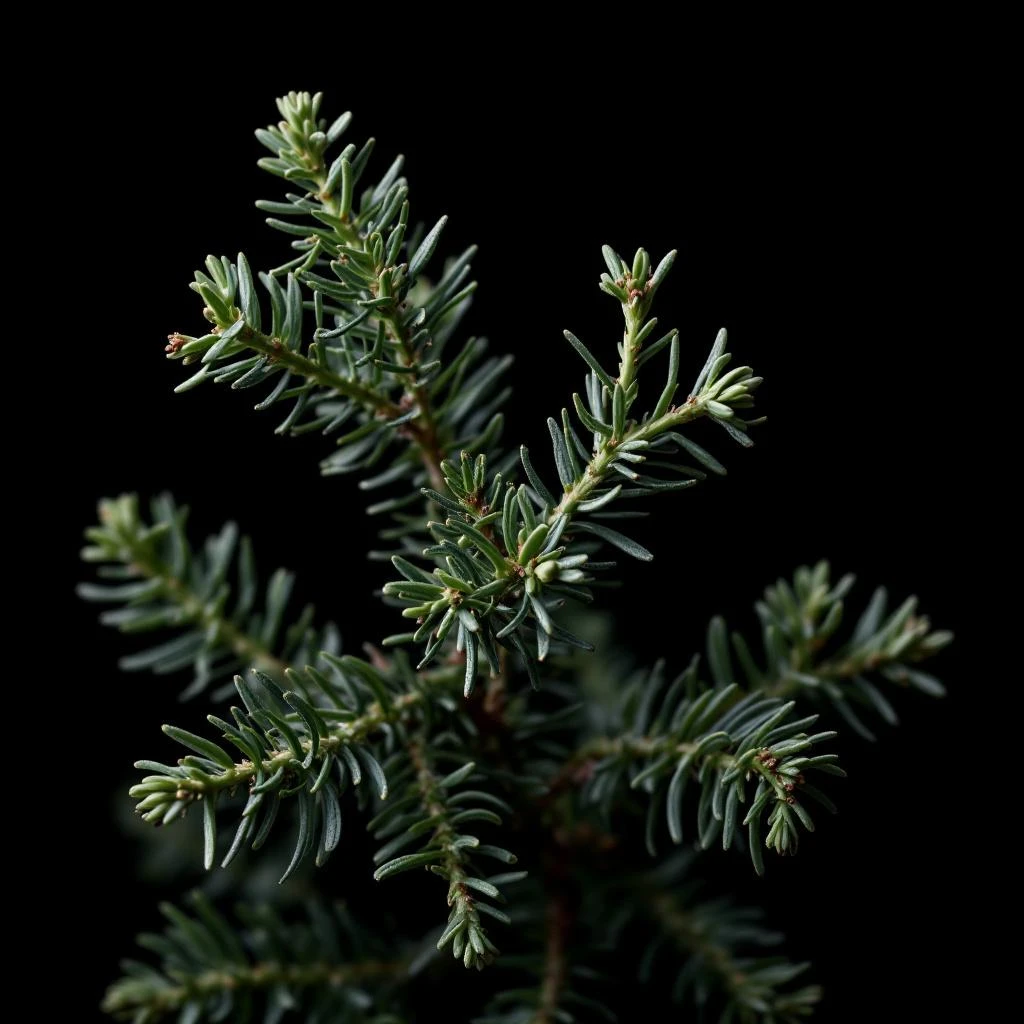
The Western Himalayas have hosted aromatic distillation for centuries, with cedar leaf appearing in regional pharmacopeias long before modern perfumery recognized its value. Cedrus deodara, the Himalayan cedar, holds sacred status in Hindu and Buddhist traditions across Uttarakhand, Himachal Pradesh, and Kashmir.
Local communities harvested its foliage and wood for temple incense, medicinal preparations, and ritual purification, practices documented in Sanskrit texts dating back over a millennium. The distinction between cedar leaf and cedarwood oils gained clarity in the twentieth century as Western perfumers began sourcing material from Himalayan cooperatives and Ayurvedic suppliers.
By the 1980s, European fragrance houses valued the leaf oil for its sharp, tonic quality in fougère and aromatic compositions. Today, Himalayan cedar leaf represents both a botanical resource and a cultural thread connecting mountain communities to global perfumery supply chains.
Wears it best
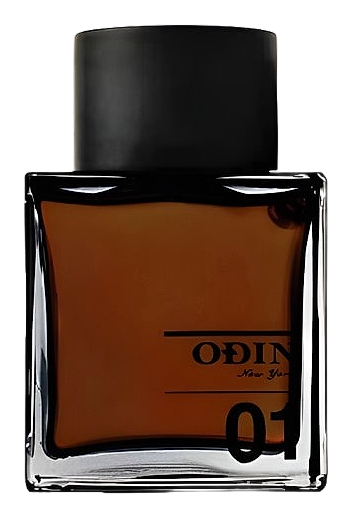
Fragrances featuring Himalayan Cedar Leaf
Brands
Brands known for Himalayan Cedar Leaf
Good to know
Questions, answered
The essentials on Himalayan Cedar Leaf in perfumery: how it smells, where it comes from, and how it behaves on skin.
What does Himalayan cedar leaf smell like?
Himalayan cedar leaf smells bright, green, and terpenic, with a sharper, more medicinal edge than cedarwood. The thujone content gives it a distinctive crispness reminiscent of fresh pine needles cut with herbal astringency, making it lighter and more volatile than heartwood-derived oils.
How is Himalayan cedar leaf oil produced?
Steam distillation of freshly harvested Cedrus deodara foliage produces this oil. Harvesters collect branchlets by hand from trees at elevations between 1,500 and 3,000 meters. The leafy material undergoes several hours of distillation, yielding an oil rich in monoterpenes and thujone.
Where does Himalayan cedar leaf come from?
This ingredient originates primarily in the Western Himalayas of northern India, particularly Uttarakhand and Himachal Pradesh. Harvesting extends into Kashmir and parts of Nepal, where Cedrus deodara grows naturally at high altitudes.
What is the difference between cedar leaf and cedarwood?
Cedar leaf oil comes from foliage and carries brighter, greener, more terpenic notes with thujone-driven sharpness. Cedarwood oil comes from heartwood and offers deeper, drier, resinous warmth. Perfumery uses each in distinct roles within woody accords.
Is Himalayan cedar leaf sustainable?
Sustainability depends on harvesting practices. Traditional selective pruning preserves tree health and supports mountain communities, but overharvesting poses risks to slow-growing Himalayan cedar populations. Sourcing from certified suppliers helps ensure responsible collection.
What fragrance families feature cedar leaf?
Cedar leaf appears most often in aromatic, fougère, and fresh woody compositions, where its crisp green character lifts heavier base notes. It also appears in masculine colognes and herbal apothecary-style fragrances seeking tonic brightness.
Can you eat Himalayan cedar leaf?
Himalayan cedar leaf is not a culinary ingredient in mainstream cuisine. It appears in some traditional Ayurvedic preparations, though the thujone content requires careful dosing. Food-grade applications remain limited compared to its perfumery role.
Does Himalayan cedar leaf contain allergens?
Like most conifer-derived essential oils, Himalayan cedar leaf oil contains potential allergens including limonene and other terpene oxidation products. The EU requires disclosure of these components on cosmetic labels when concentrations exceed specified limits.



