Herbal Tea
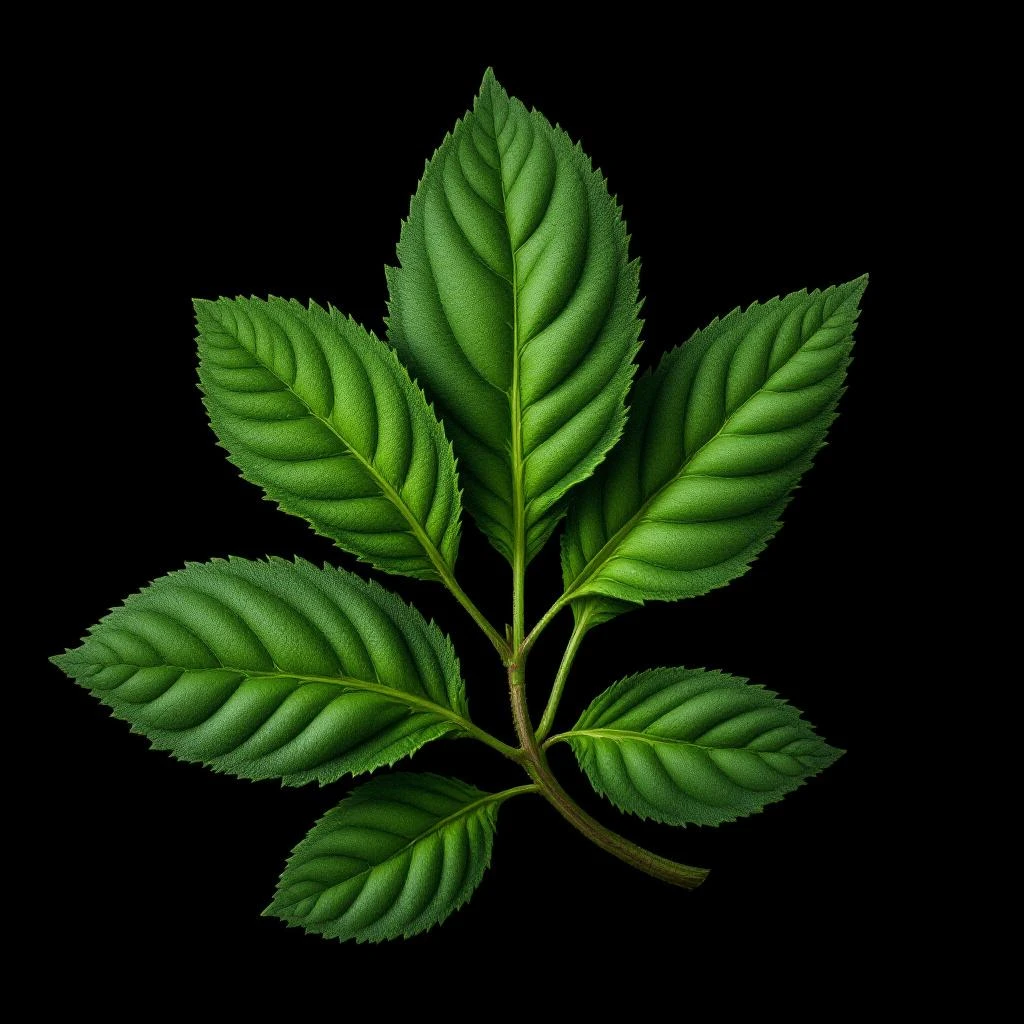
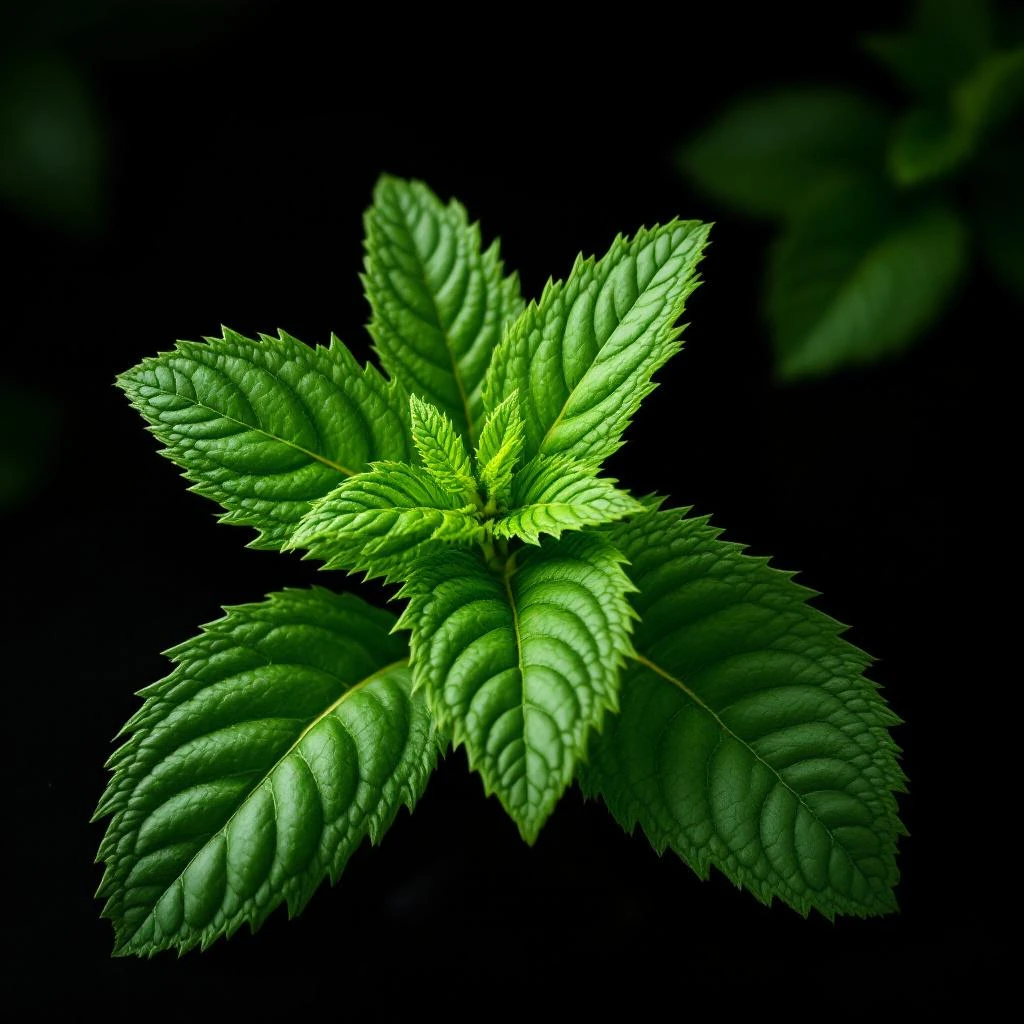
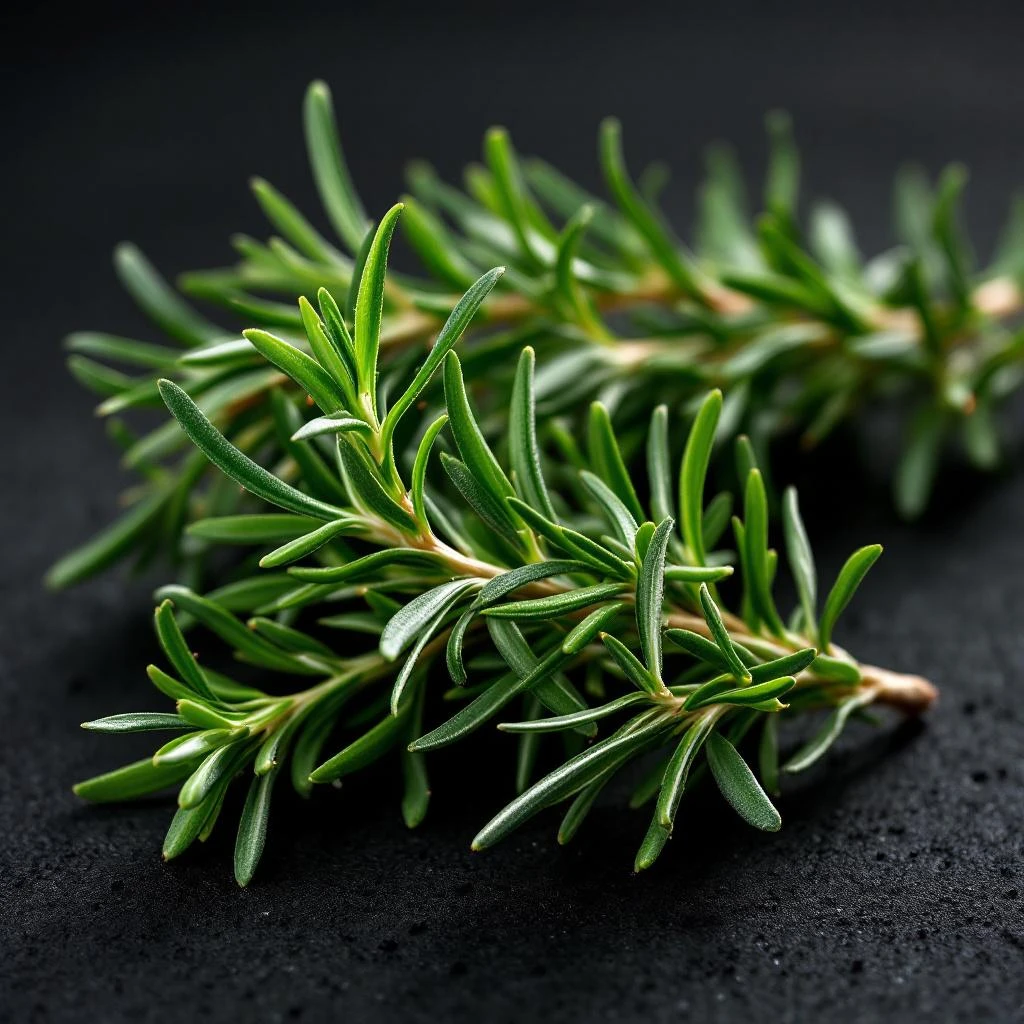
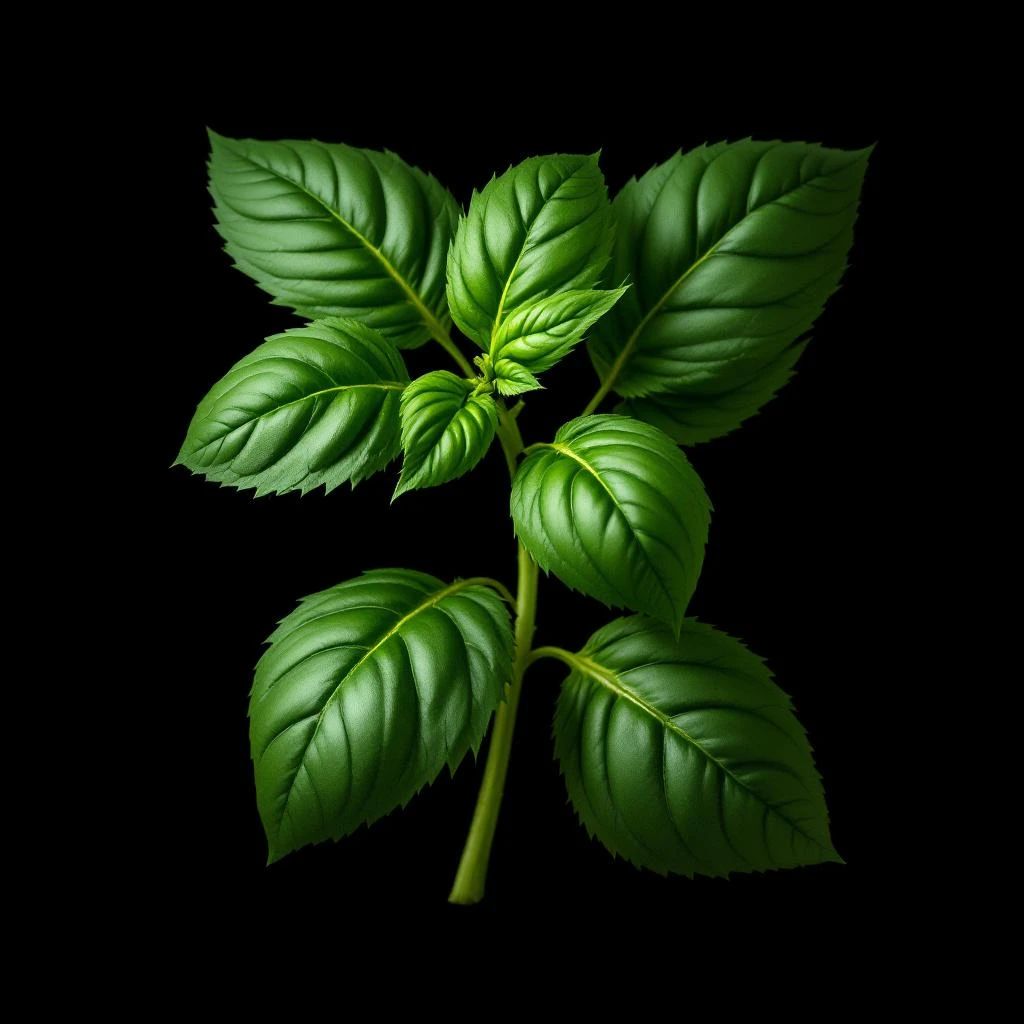
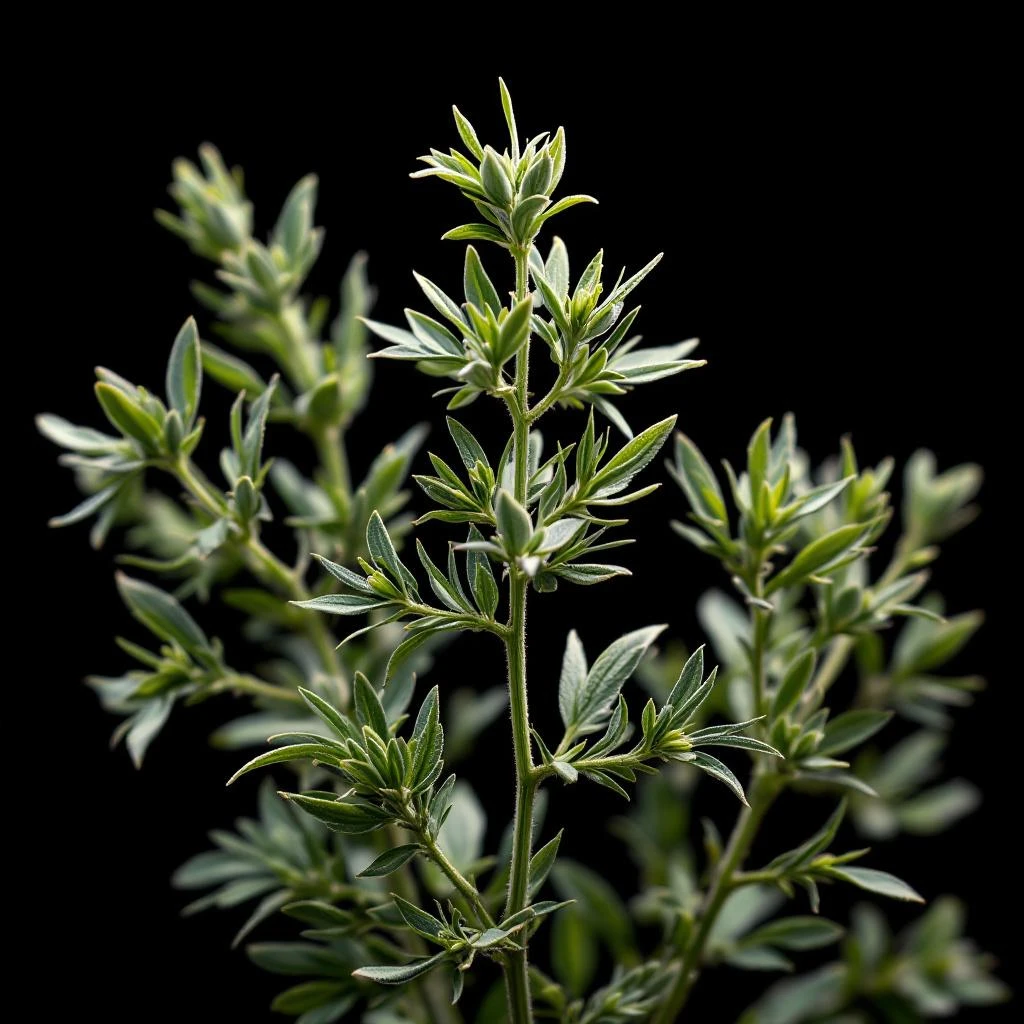
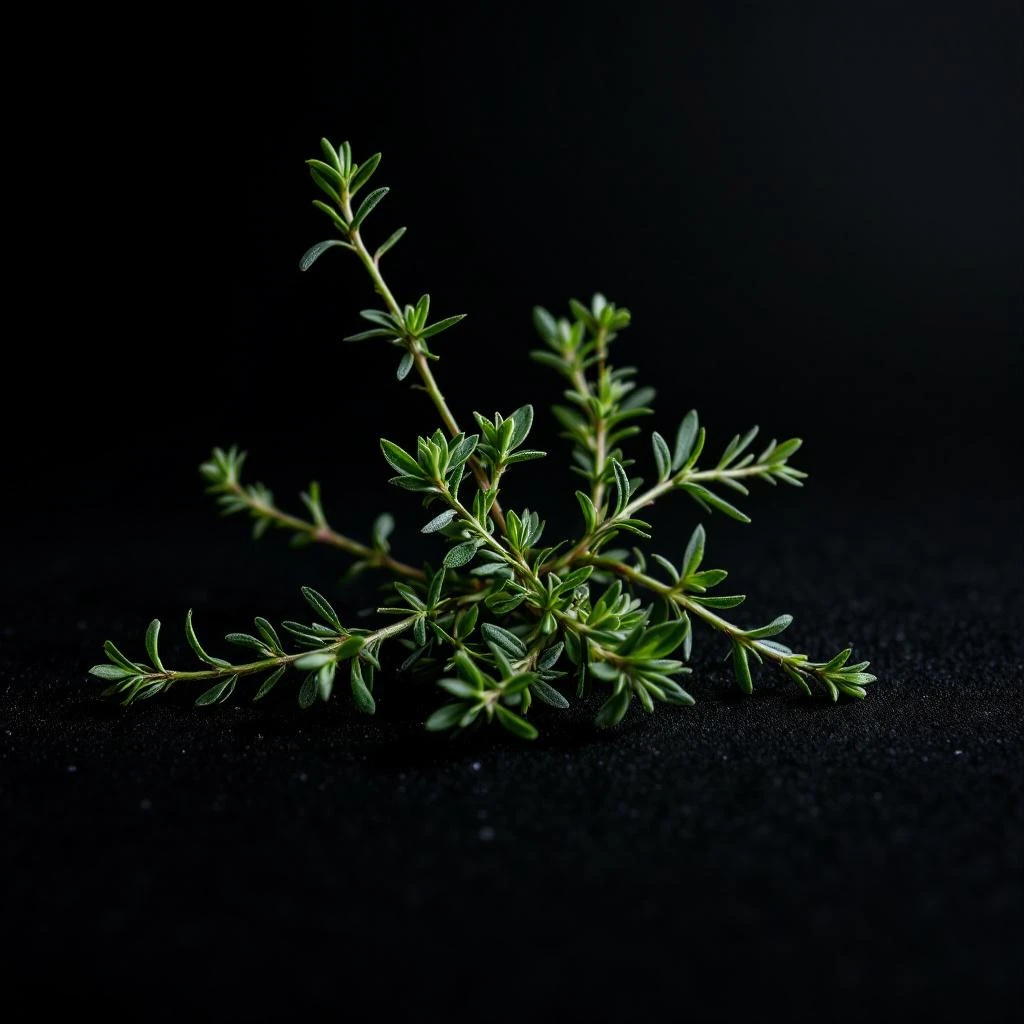
Green and contemplative, herbal tea captures the fresh, slightly astringent character of freshly brewed leaves. It brings clarity and quiet depth to fragrance compositions, evoking the meditative calm of a still morning.
Character
How it smells
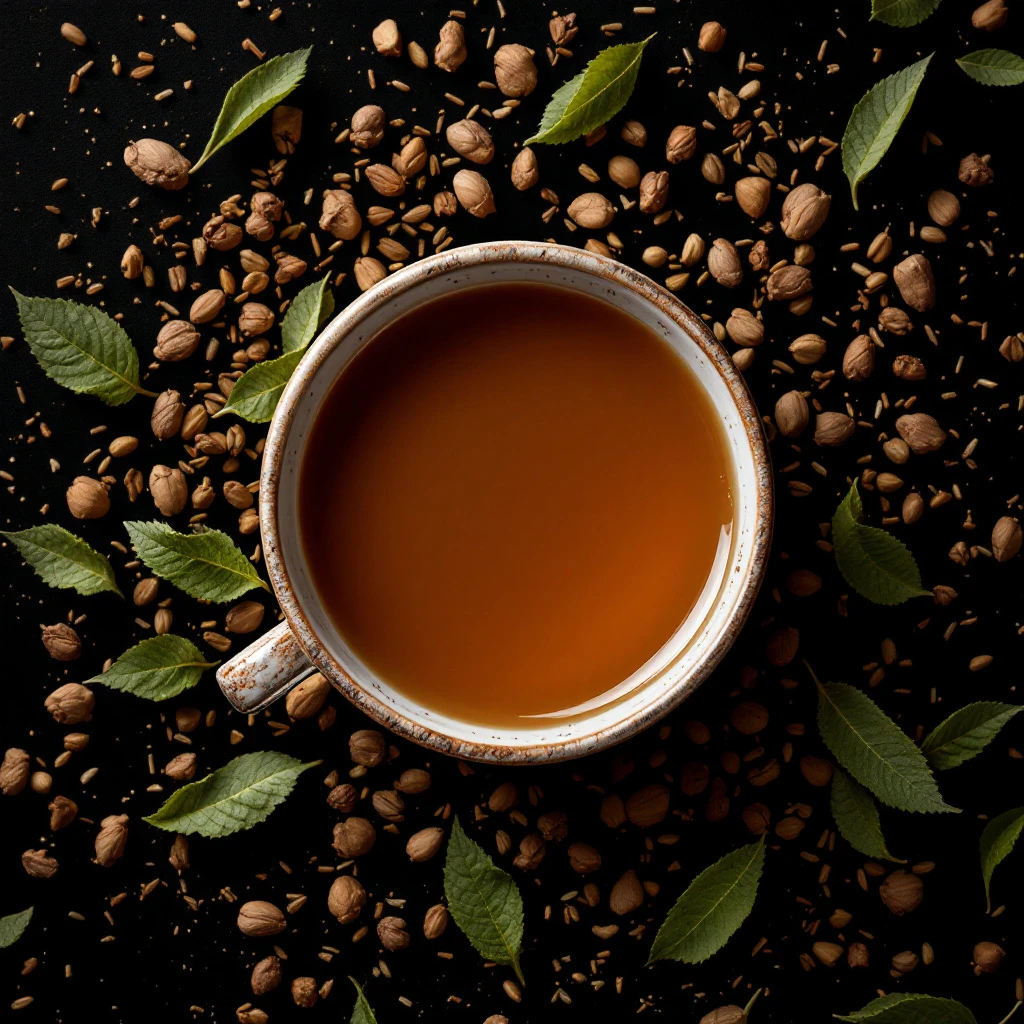
The quiet clarity of freshly brewed leaves
Green tea contains more than 100 volatile aromatic compounds, yet its subtle scent makes it one of perfumery's most challenging ingredients to capture authentically.





Origin
China
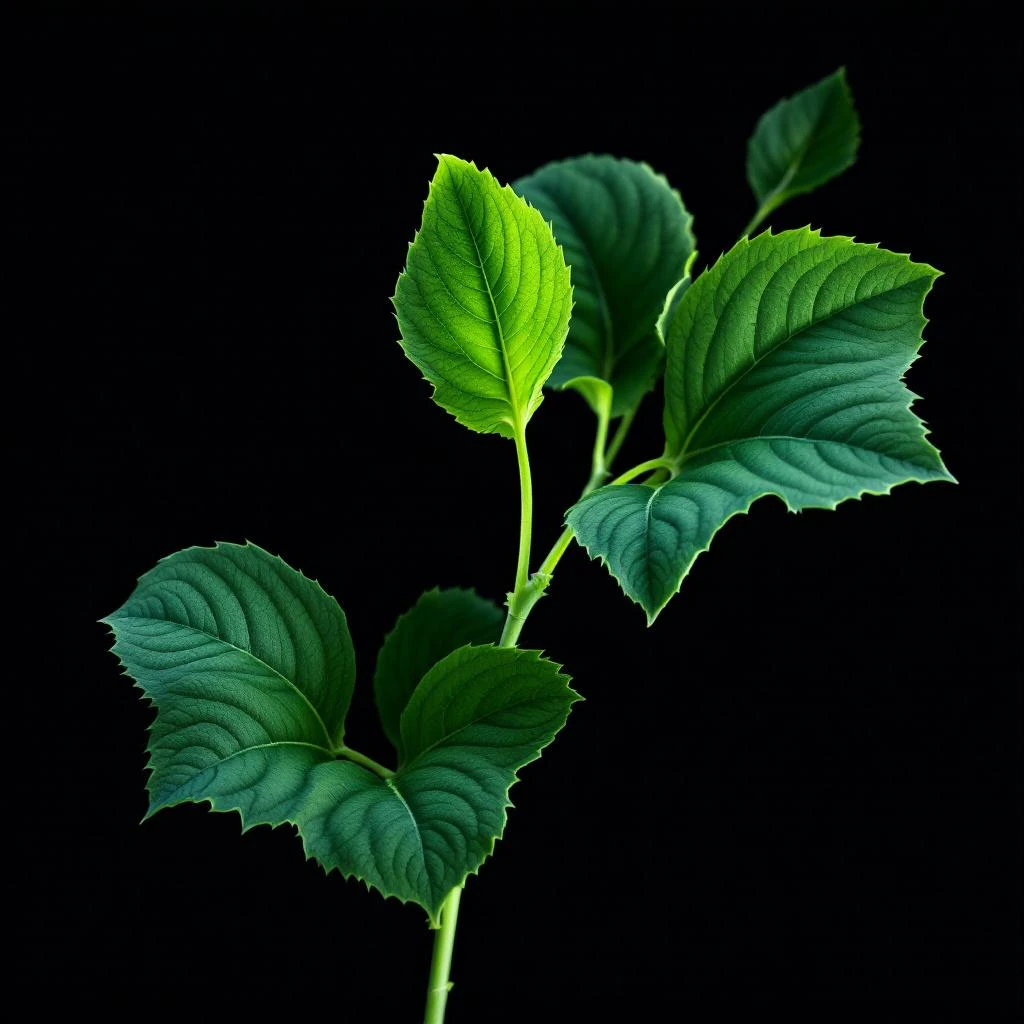
Tea cultivation originated in southwest China more than 5,000 years ago, where it grew wild in Yunnan province's mountainous regions. Ancient Chinese texts document medicinal tea use as early as the Han dynasty, but drinking tea as a beverage became widespread during the Tang dynasty.
European traders encountered tea in the 16th century through Portuguese and Dutch contacts. By the 18th century, tea had become a global commodity, reshaping trade routes and cultural exchange.
Perfumers began experimenting with tea as a fragrance ingredient in the late 19th century, inspired by the material's ubiquity in daily life. The modern tea note emerged as perfumers learned to replicate green, fresh characteristics using both natural extracts and synthetic accord-building techniques.
Wears it best
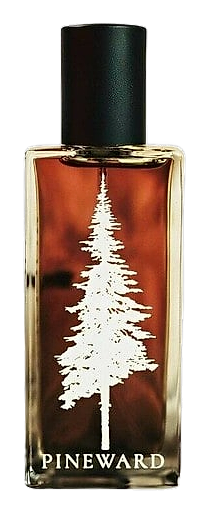
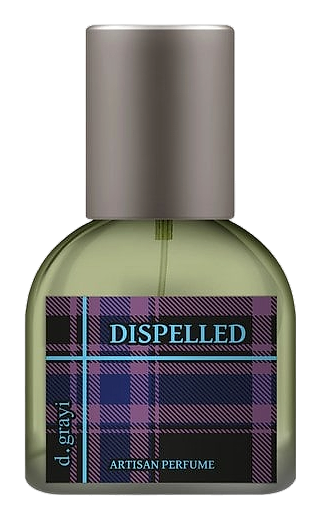
Fragrances featuring Herbal Tea
Brands
Brands known for Herbal Tea
Good to know
Questions, answered
The essentials on Herbal Tea in perfumery: how it smells, where it comes from, and how it behaves on skin.
What does herbal tea smell like in perfume?
Herbal tea in perfume smells fresh, green, and slightly bitter with vegetal undertones. The scent evokes freshly steeped leaves, combining subtle astringency with a clean, contemplative character that adds clarity without dominating a composition.
Is herbal tea in perfume natural or synthetic?
Herbal tea note appears in both natural and synthetic forms. Natural tea absolute comes from steam distilling Camellia sinensis leaves. Synthetic versions use aroma chemicals to recreate the fresh, green character. Many modern fragrances combine both approaches.
What type of tea is most commonly used in perfumery?
Green tea from Camellia sinensis serves as the most common tea note in perfumery. Perfumers also work with black tea, white tea, and oolong extracts. Each variety brings distinct aromatic qualities, from delicate and floral to rich and malty.
Which fragrance families commonly feature herbal tea?
Herbal tea appears frequently in fresh, aquatic, and green fragrance families. It also shows up in oriental and chypre compositions as a bridging element. The note works particularly well in unisex and masculine fragrances seeking a clean, contemporary character.
Does herbal tea provide good fragrance longevity?
Herbal tea typically functions as a top or heart note rather than a base. Its fresh character fades within 2-4 hours on skin. Perfumers layer it with longer-lasting ingredients like woods, musks, or ambers to extend its perceived presence in a fragrance.
How do perfumers recreate authentic tea scent?
Authentic tea scent requires careful blending because no single molecule replicates the real aroma. Perfumers combine green, fresh materials like cis-3-hexenol with slightly bitter notes and subtle floral undertones. This accord approach mimics the complexity of actual tea.
What ingredients pair well with herbal tea in fragrance?
Herbal tea pairs naturally with citrus, jasmine, and marine notes for fresh combinations. It also complements woods like cedar and sandalwood, amber materials, and green accords. These pairings enhance tea's clean, meditative quality without overwhelming it.
Which iconic fragrances made herbal tea popular?
Modern tea notes gained prominence in the 1990s and 2000s with fragrances like Eau Parfumee au Vert Baccarat and Bulgari Para Amines. These releases demonstrated tea's versatility and established it as a respected note in contemporary perfumery.