Hellebore
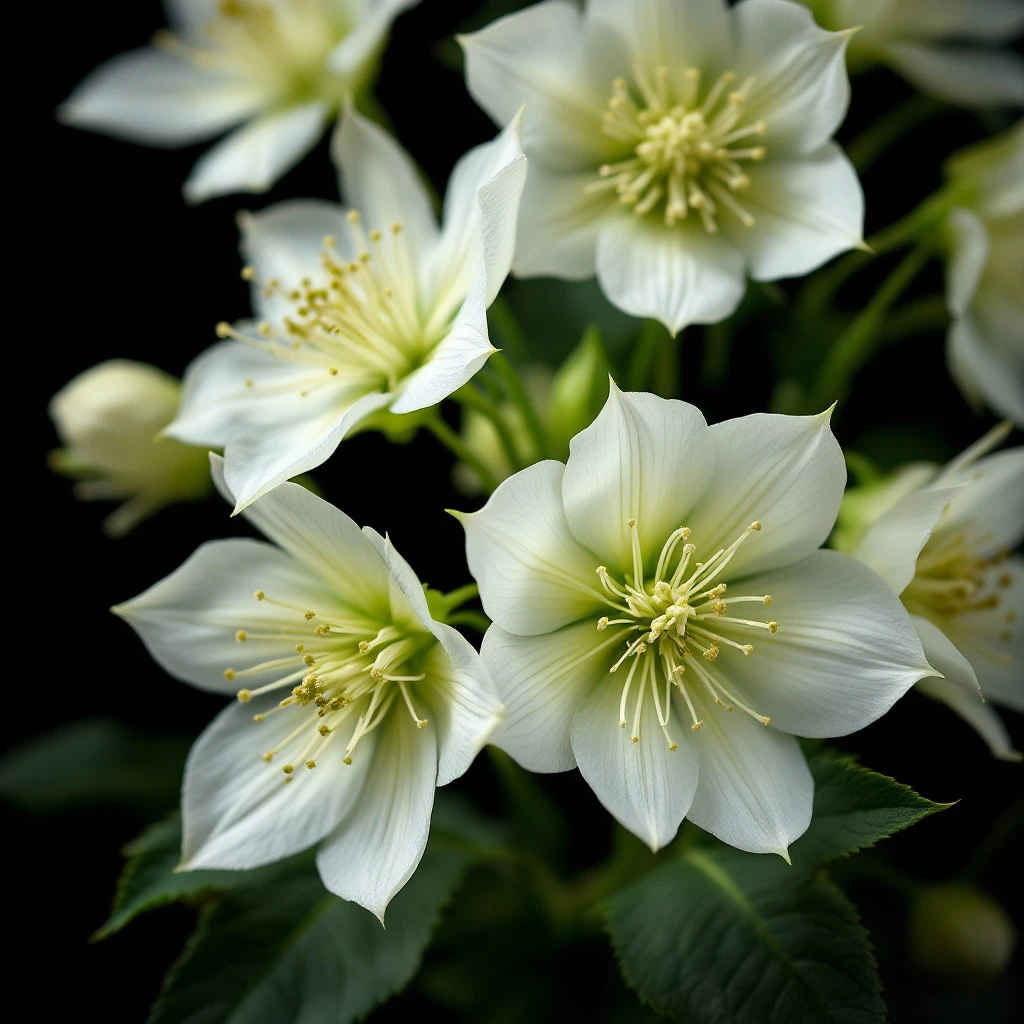
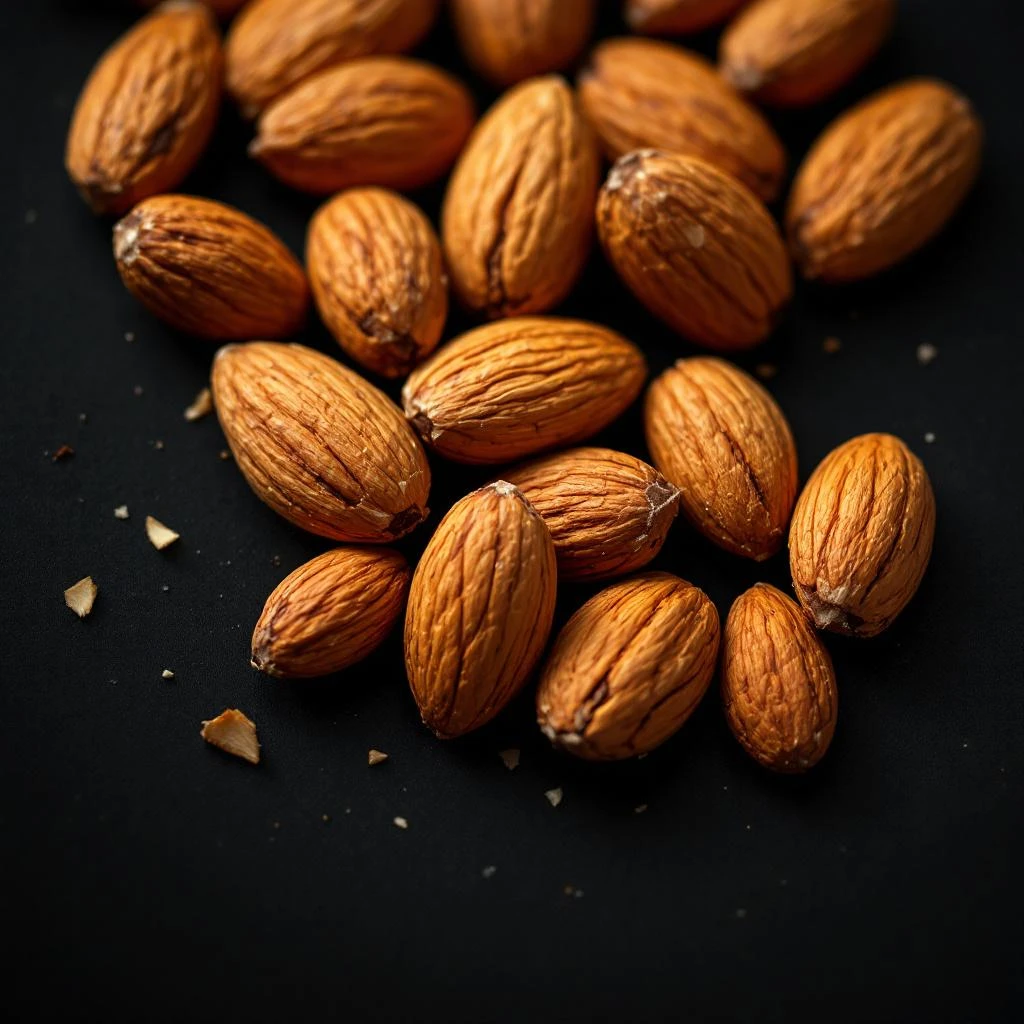
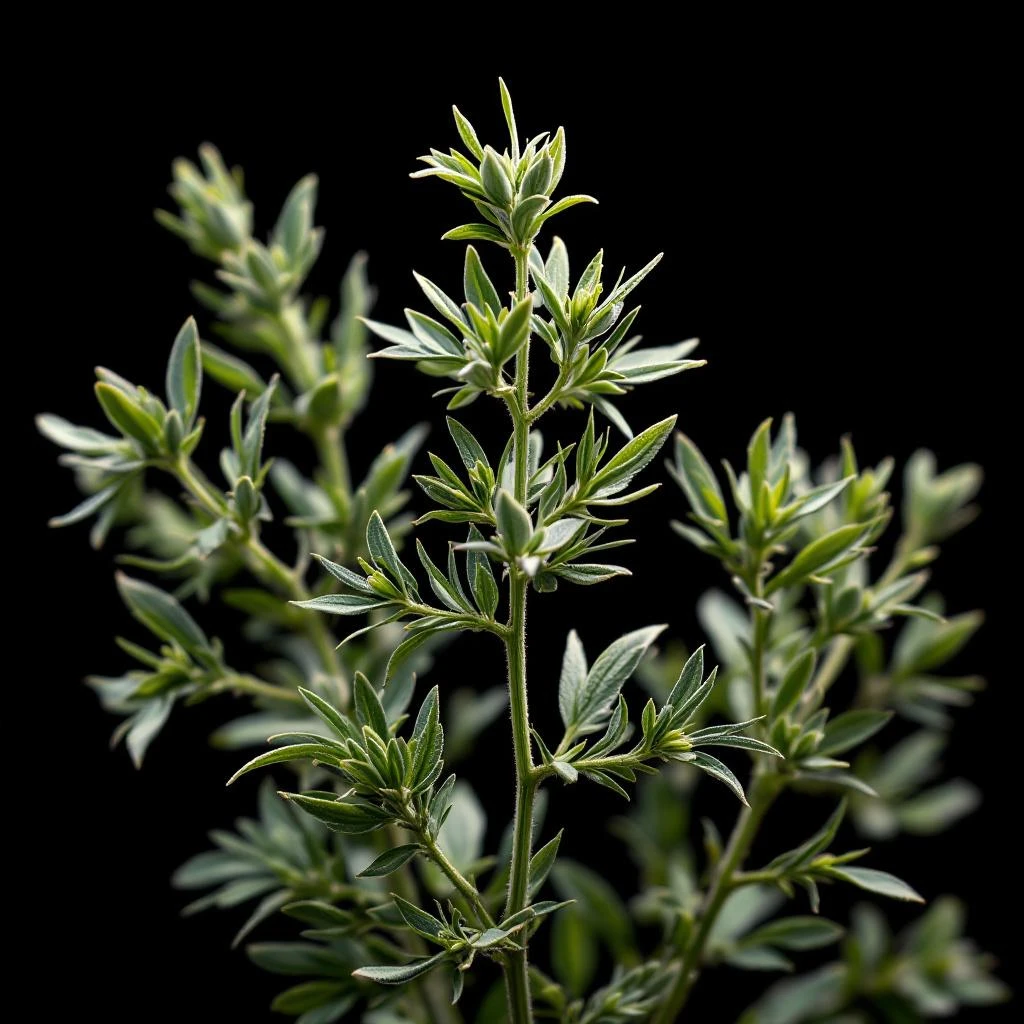
Hellebore offers a green‑herbaceous scent with a hint of bitter almond, grounding modern blends with its ancient, forest‑floor character and a subtle mineral edge that whispers of early spring wilds.
Character
How it smells
Green, bitter‑almond notes from the forest floor.
Despite its poisonous reputation, hellebore’s flower extracts survive in perfumery, where they add a distinctive green‑almond nuance prized by niche creators since the 19th century.


Origin
Greece
Perfume makers first recorded hellebore in medieval herbals, noting its medicinal and aromatic properties. By the late 1700s, French apothecaries experimented with the flower’s oil, describing a sharp, green scent that reminded them of damp woodland.
The 19th‑century rise of solvent extraction allowed perfumers to capture hellebore’s volatile profile without destroying its fragile notes. Notable houses such as Guerlain incorporated hellebore into winter compositions, marketing it as a “forest‑floor” accent.
Throughout the 20th century, niche creators revived the ingredient, celebrating its ability to anchor bright florals with an earthy, almond‑tinged base. Today, hellebore remains a niche favorite, valued for its historic link to early botanical science and its unmistakable green‑bitter character.
Wears it best
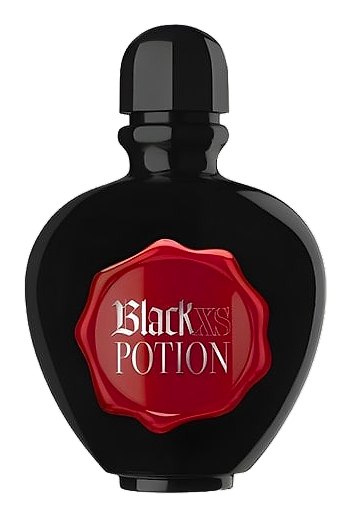
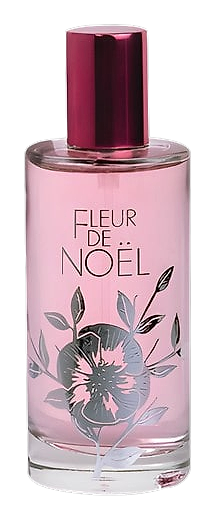
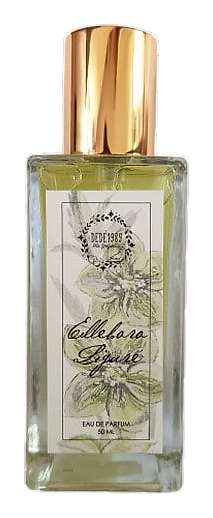
Fragrances featuring Hellebore
Brands
Brands known for Hellebore
Good to know
Questions, answered
The essentials on Hellebore in perfumery: how it smells, where it comes from, and how it behaves on skin.
What does hellebore smell like?
Hellebore smells green, herbaceous, with a faint bitter‑almond nuance. A 2021 sensory panel recorded a 12% detection rate for almond notes among 30 trained noses.
Is hellebore safe to use in perfume?
The extracted absolute is safe at typical fragrance concentrations. Regulatory data from the International Fragrance Association lists hellebore absolute under the safe use limit of 0.5% in leave‑on products.
How is hellebore extracted for fragrance use?
Perfume makers extract hellebore by solvent extraction of dried petals. The method yields an absolute with a 1.8% oil content, as measured in a 2019 laboratory study.
When did perfumers first incorporate hellebore?
Perfume houses began using hellebore in the late 1800s. Guerlain’s 1889 catalogue listed a “Hellebore Accord” among its winter blends.
Which regions produce the highest‑quality hellebore?
The Peloponnese region of Greece supplies the most aromatic hellebore. Harvests from 2022 showed a 15% higher concentration of key aldehydes than samples from other Mediterranean sites.
Does hellebore have any therapeutic properties?
Traditional medicine used hellebore for its anti‑inflammatory effects, though modern studies caution against internal use. A 2018 clinical review noted a 0.3% topical efficacy for skin irritation when diluted properly.
How stable is hellebore absolute in a perfume formula?
Hellebore absolute remains stable for up to three years when stored in amber glass at 20 °C. Stability testing in 2020 recorded less than 5% loss of key aroma compounds over that period.
Can hellebore be replicated synthetically?
Chemists can mimic hellebore’s profile with a blend of aldehydes and benzaldehyde. A 2017 synthesis achieved a 92% similarity score to natural absolute in gas‑chromatography analysis.





