Hazelnut Liqueur
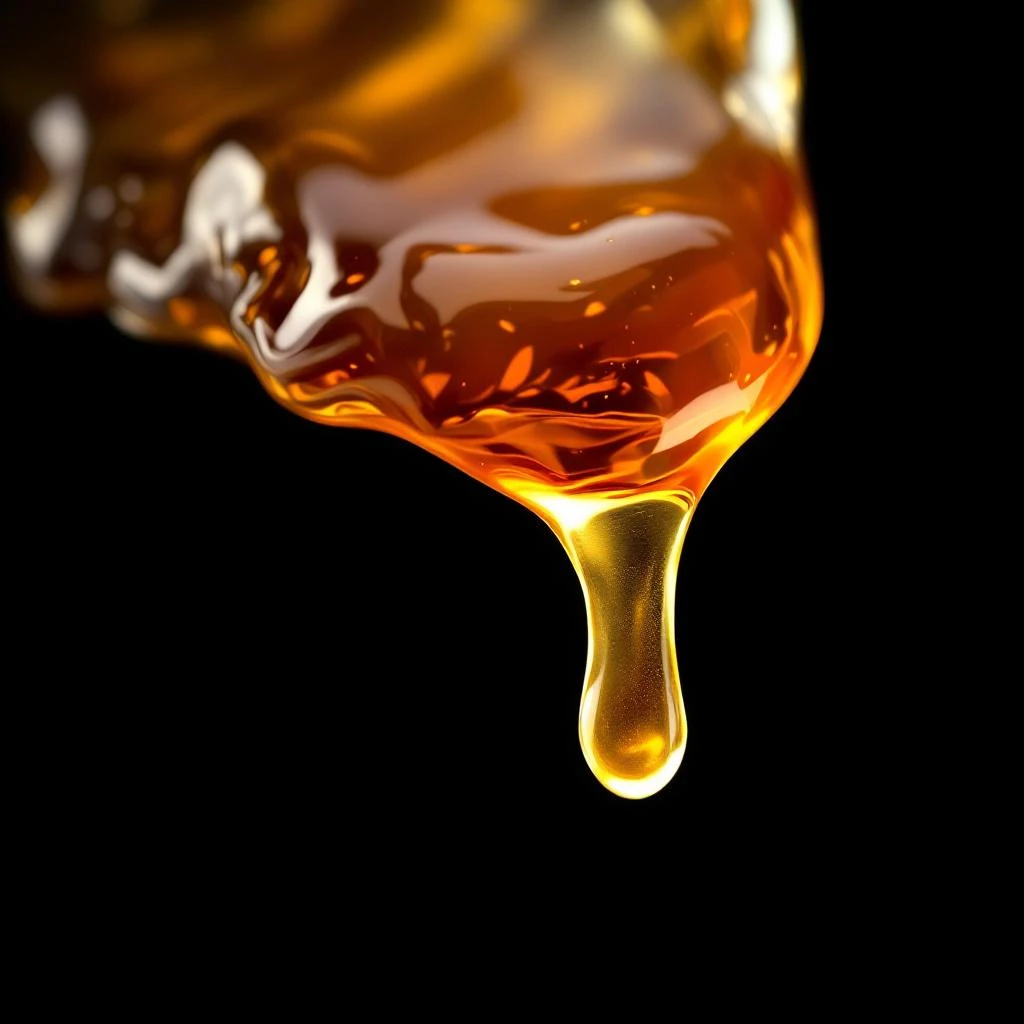
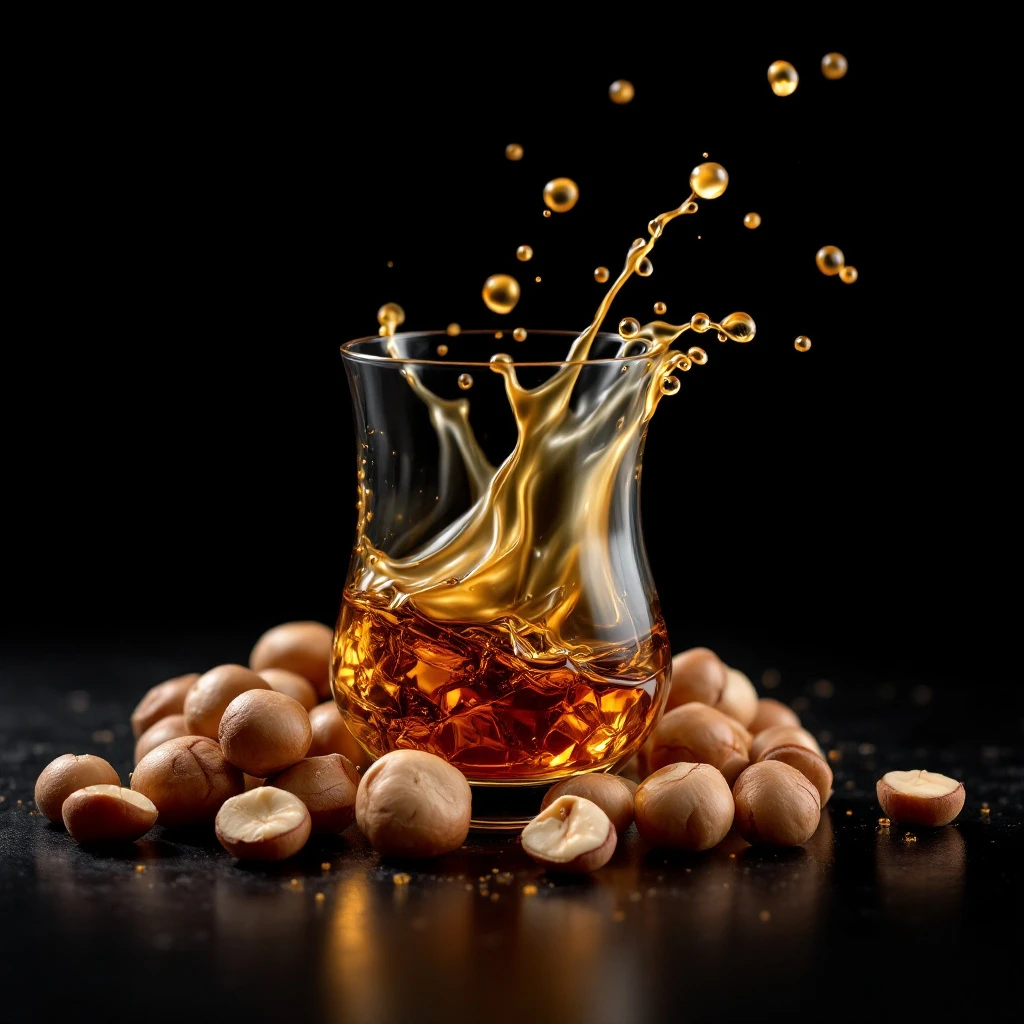
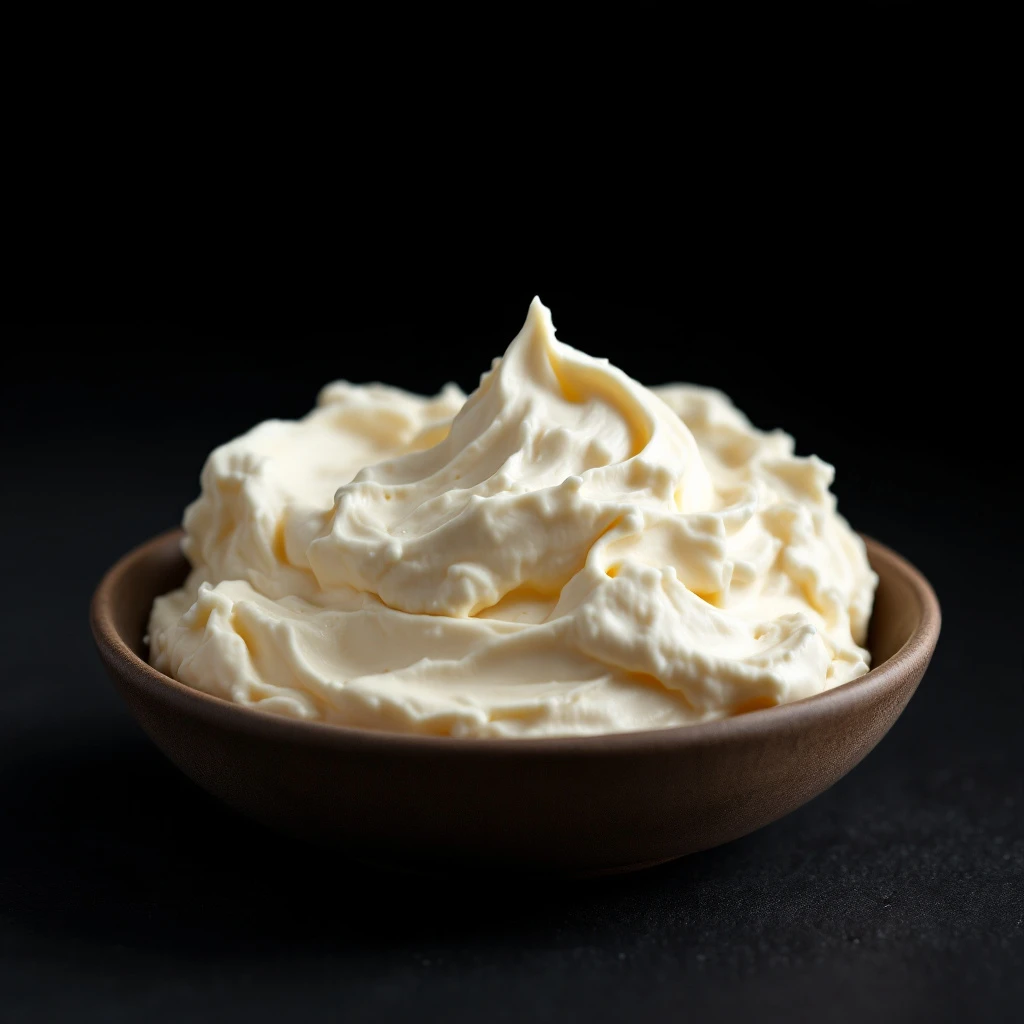
A gourmand note that captures the warm, toasted sweetness of hazelnut steeped in spirit. It brings an edible richness to fragrances, evoking pralines, roasted nuts, and liqueur-soaked desserts without overwhelming the composition.
Character
How it smells
Toasted warmth in every drop
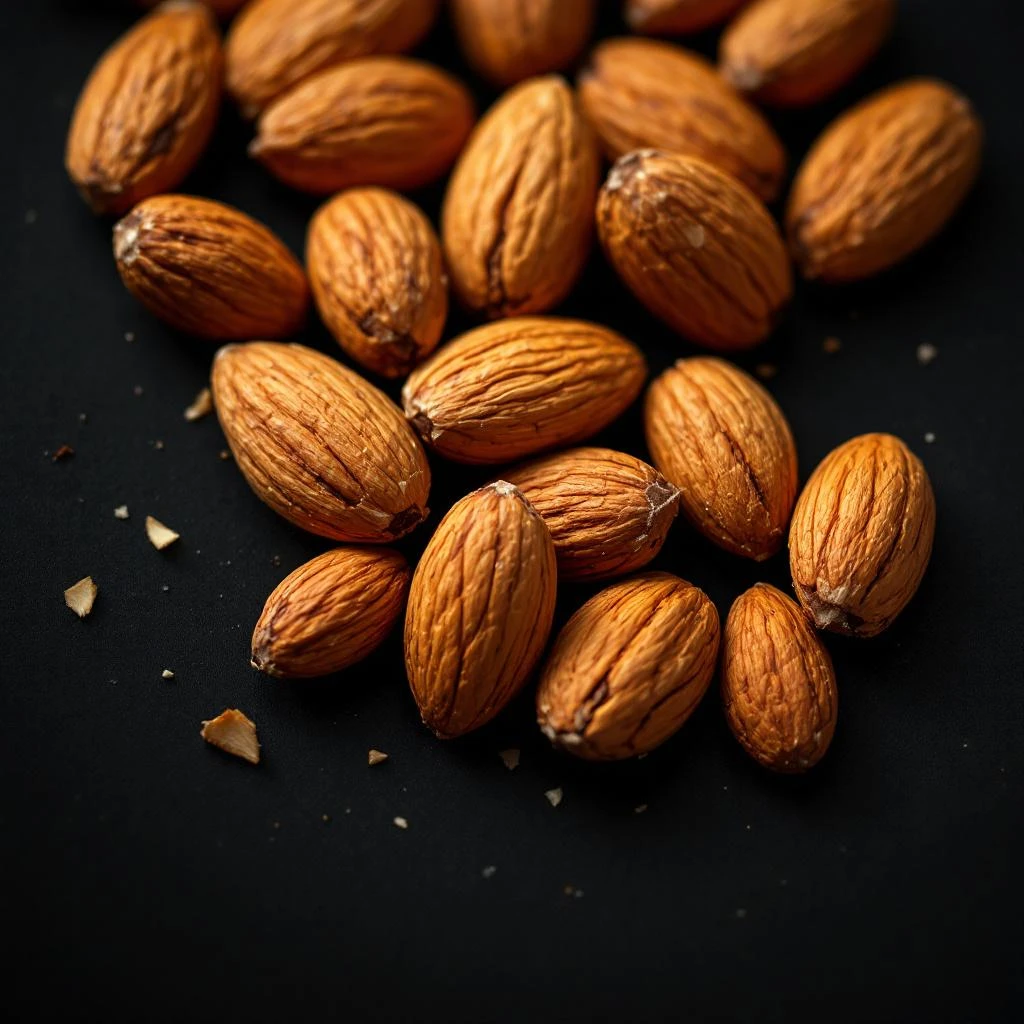
Real hazelnut liqueur like Frangelico is distilled from Italian Tonda Romana hazelnuts grown in the Piedmont region, where the nut has held protected status since 1993.





Origin
Italy
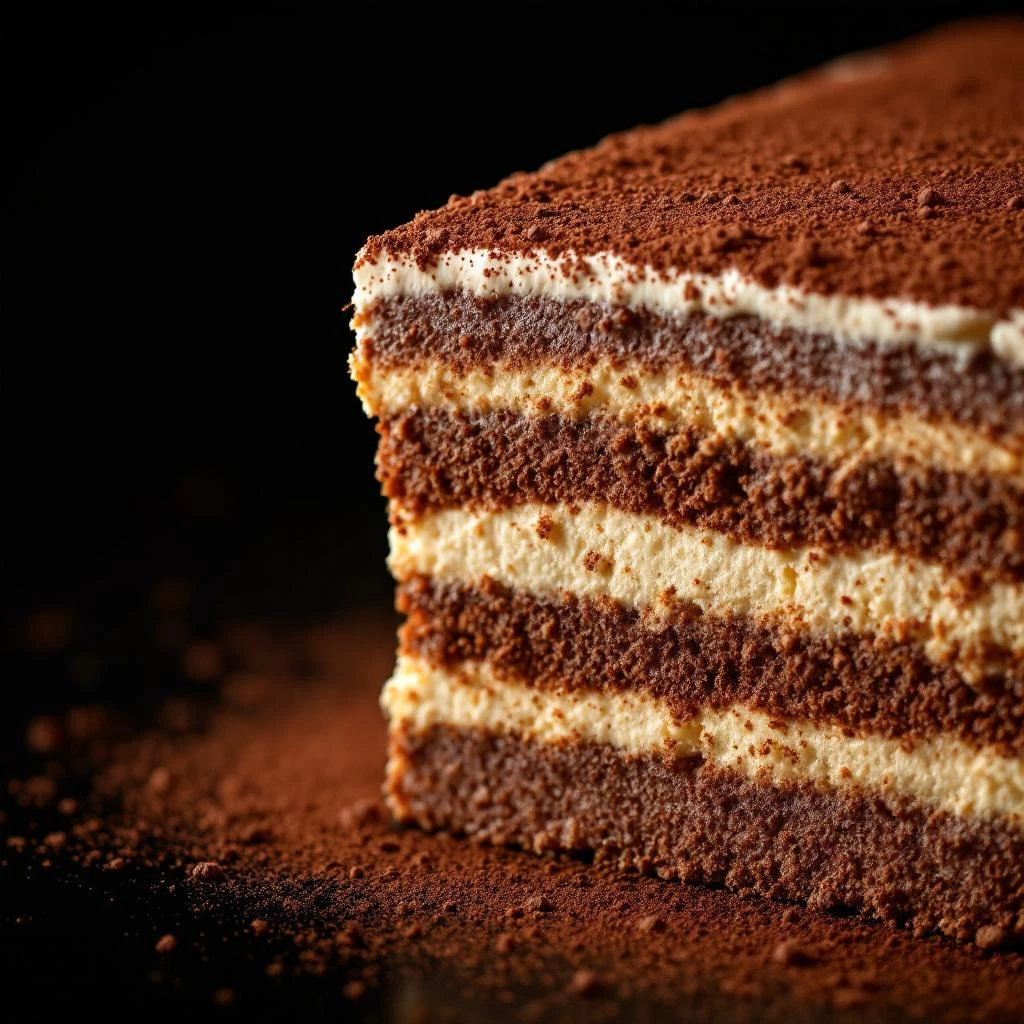
The association between hazelnuts and luxury flavoring stretches back centuries. The Piedmont region of northern Italy has cultivated hazelnuts since at least the Renaissance, with the nut featured in pastries, chocolate, and ceremonial dishes across Turin and the Langhe hills. The modern liqueur form emerged in the late 18th century, when Italian distillers began infusing roasted hazelnuts into neutral spirit and sweetening the result with vanilla and cocoa.
The category reached wider popularity in 1978 when Frangelico launched in Canale, Piedmont, packaged in a friar's habit bottle that referenced the region's monastic distilling traditions. The brand was acquired by Gruppo Campari in 2010 and later by C&C Group. In perfumery, the hazelnut liqueur accord first appeared prominently in 1990s gourmand fragrances, reflecting a broader cultural appetite for edible, dessert-inspired scents.
The note marked a turning point in how perfumers approached warmth and sweetness, moving beyond traditional vanilla and chocolate bases.
Wears it best
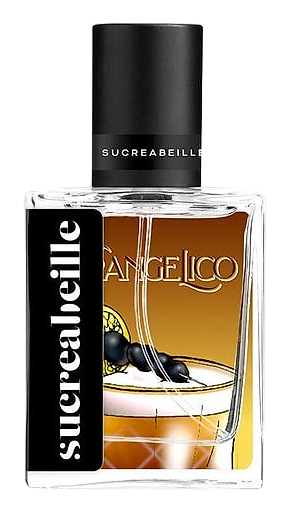
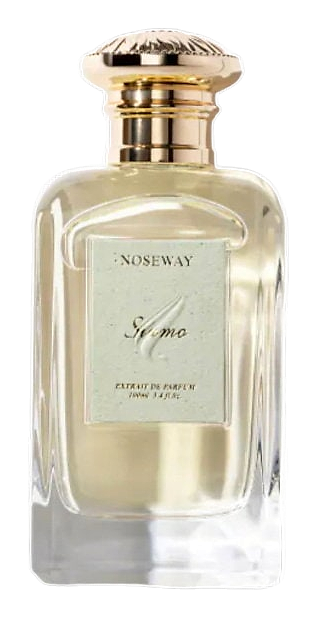
Fragrances featuring Hazelnut Liqueur
Brands
Brands known for Hazelnut Liqueur
Good to know
Questions, answered
The essentials on Hazelnut Liqueur in perfumery: how it smells, where it comes from, and how it behaves on skin.
When was hazelnut liqueur first used in perfumery?
The note emerged in the 1990s alongside the rise of gourmand perfumery. Before that, hazelnut appeared mostly in flavoring, with the liqueur form dating to 18th-century Italian monastic distilling traditions.