Mascarpone Cheese
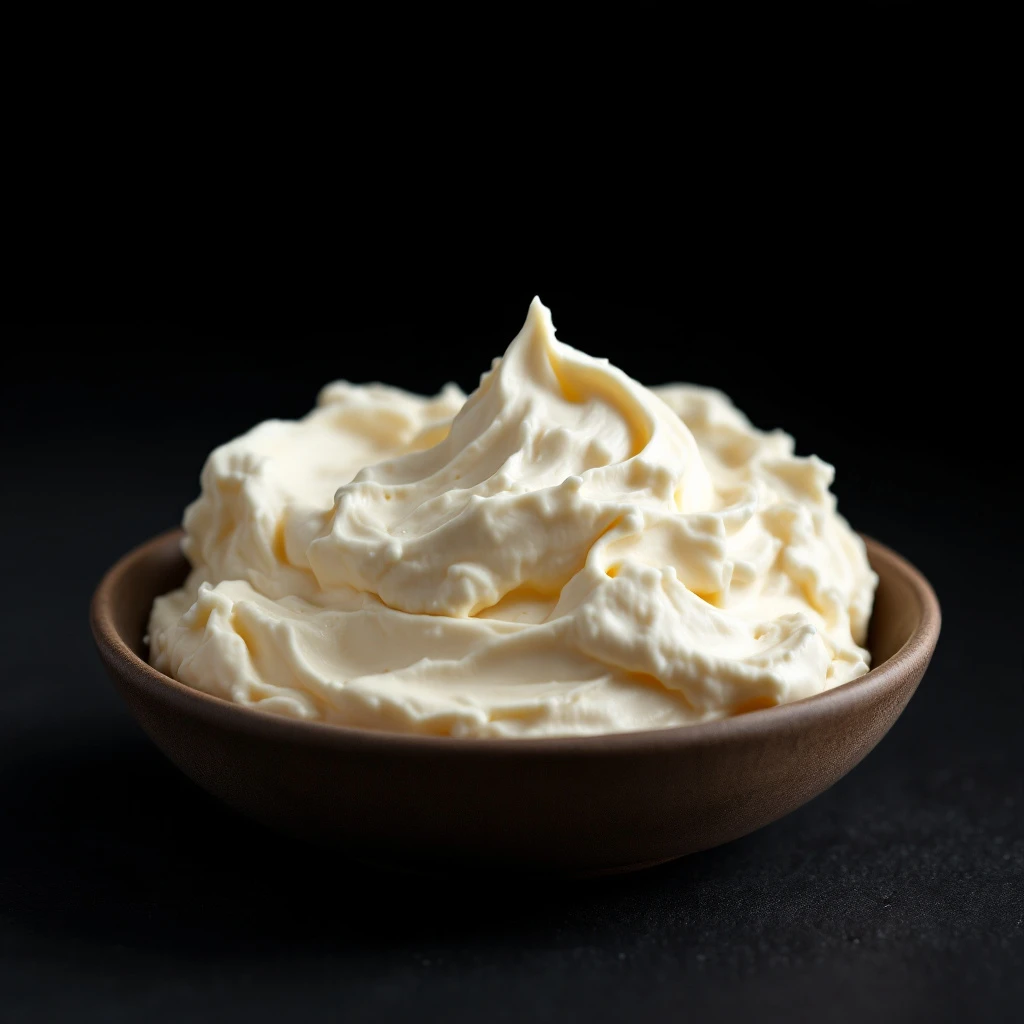
Mascarpone brings an indulgent creaminess to perfumery through modern aromatic synthesis, replicating the soft buttery warmth of Italian dairy without requiring actual milk extraction. This gourmand note adds rich, velvety depth to fragrances seeking warmth and comfort.
Character
How it smells
Indulgent creaminess inspired by Italian dairy
Master perfumers rarely use actual dairy. They recreate mascarpone warmth using gamma-lactone compounds, which deliver creamy notes more reliably than natural milk extracts.

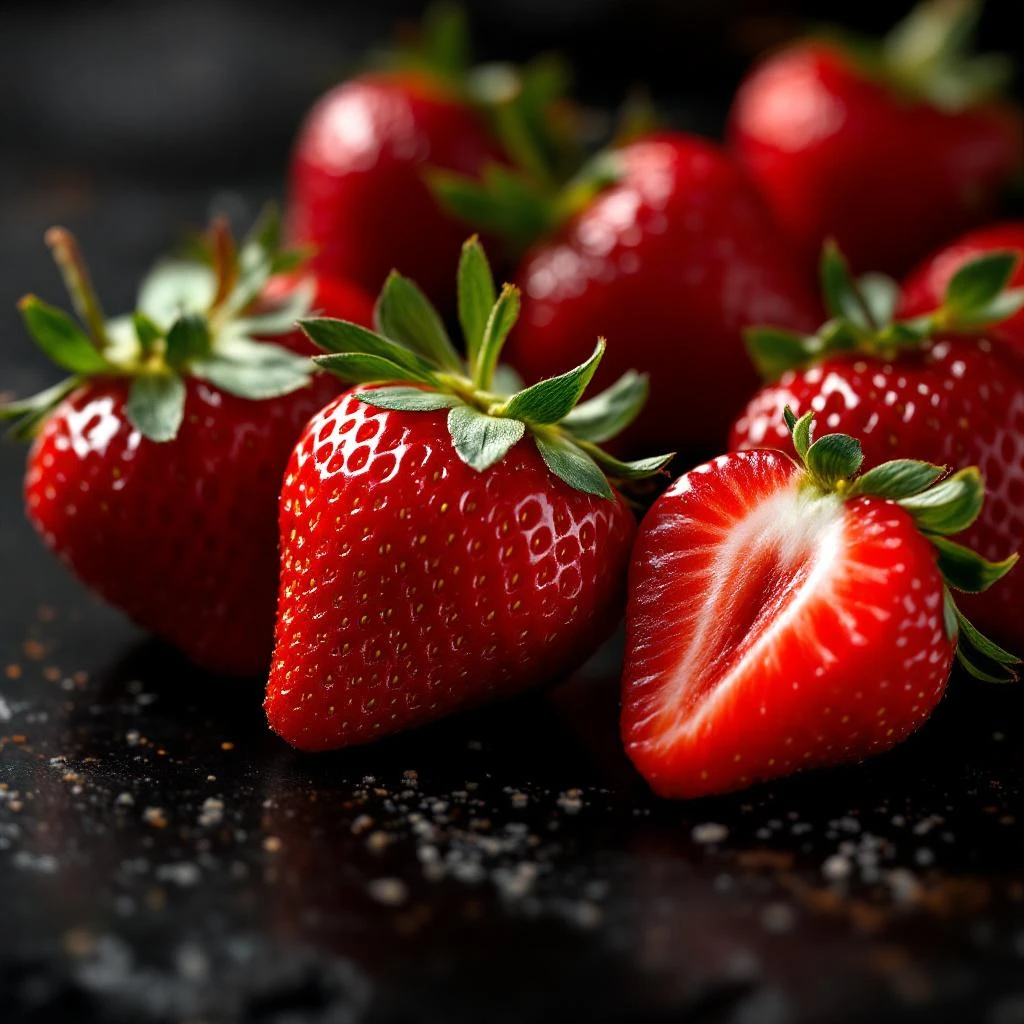
Origin
Italy
Mascarpone originated in Lombardy, northern Italy, likely during the 16th or 17th century near Milan. Local dairy farmers developed it by heating cream and acidifying it with citric acid or acetic acid, producing a soft cheese ideal for desserts like tiramisu and Cannoli filling. Perfumers discovered its aromatic appeal much later, when the gourmand movement gained momentum in the late 20th century, pioneered by landmark fragrances that explored food-inspired ingredients.
Capturing genuine Italian mascarpone in perfumery proved impractical from the start. Real cheese contains hundreds of volatile compounds that degrade quickly, and extracting dairy fat while preserving olfactory quality demands expensive cold processing. These logistics pushed perfumers toward synthetic recreation, which captured the warm cream impression with superior shelf stability.
Today, the mascarpone note in your fragrance almost certainly originates from laboratory synthesis rather than Italian dairy farms, though it faithfully reproduces that characteristic soft, buttery warmth that has made the cheese beloved in kitchens worldwide.
Wears it best
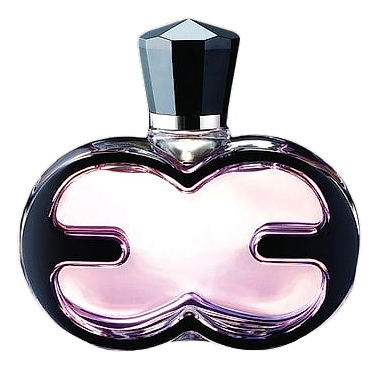
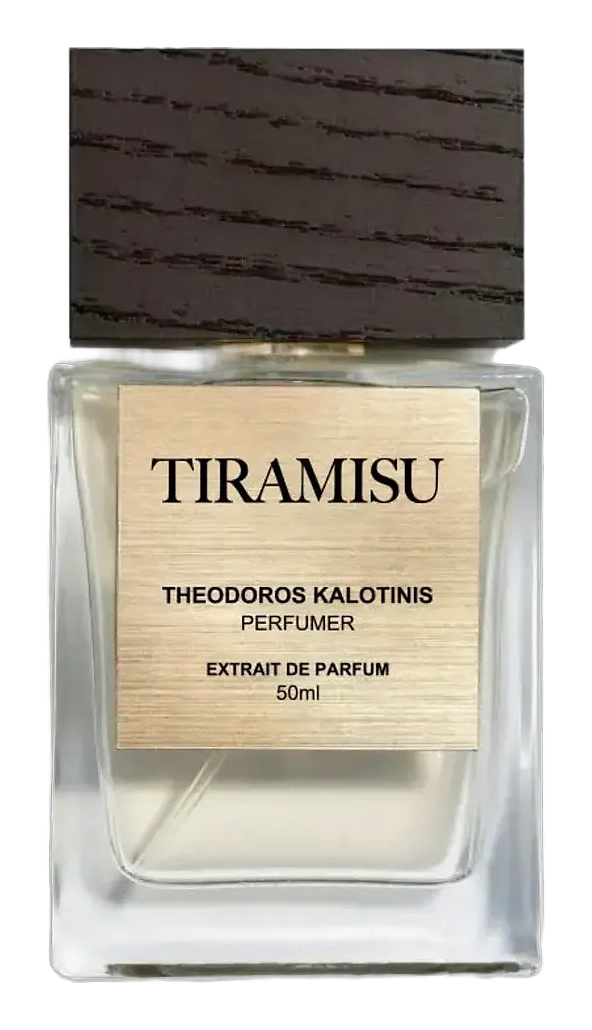
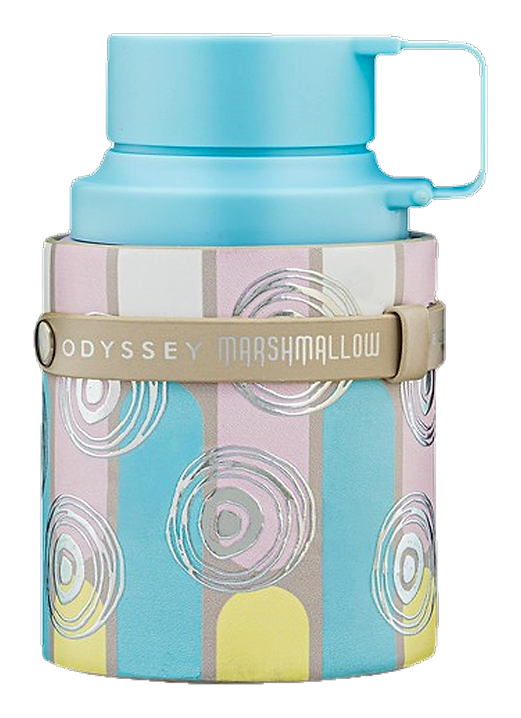
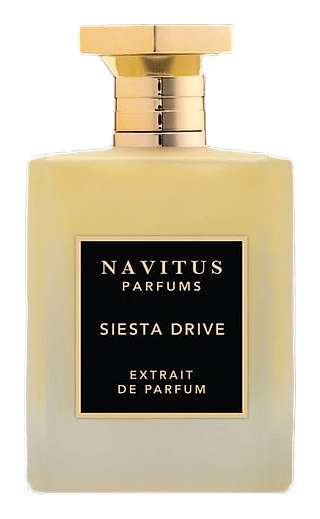
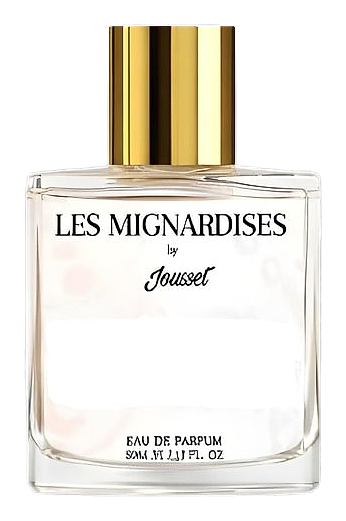
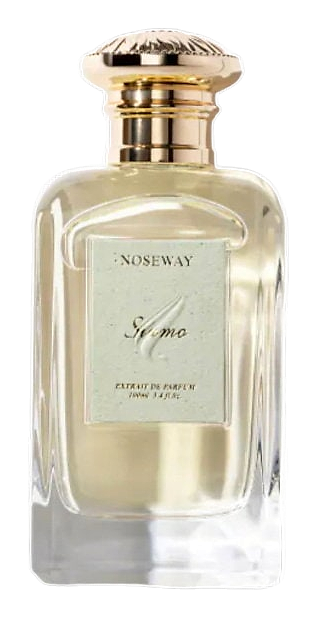
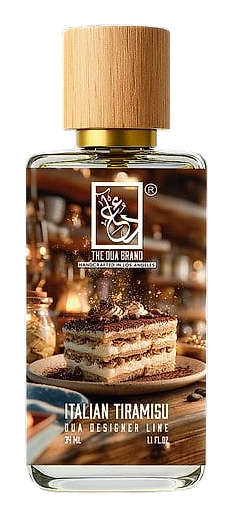
Fragrances featuring Mascarpone Cheese
Brands
Brands known for Mascarpone Cheese
Good to know
Questions, answered
The essentials on Mascarpone Cheese in perfumery: how it smells, where it comes from, and how it behaves on skin.
Is actual mascarpone cheese used in fragrance production?
Rarely. Most perfumers recreate mascarpone through synthetic lactones and aromatic compounds rather than actual dairy. Natural dairy extracts present shelf-life and consistency challenges that make synthetic alternatives more practical.
What gives mascarpone its characteristic creamy smell?
Gamma-decalactone and gamma-nonalactone compounds create the signature creamy-dairy impression. These lactones occur naturally in peaches and coconuts but in perfumery, laboratories synthesize them for precise control and batch consistency.
Does mascarpone note smell exactly like the cheese?
The note captures the warm, buttery quality of mascarpone rather than reproducing the cheese exactly. It reads as soft Italian cream with a gentle sweetness, suited for gourmand and skin-like fragrance compositions.
Which fragrance families use mascarpone notes most frequently?
Gourmand fragrances use it most often, particularly those inspired by desserts, cream-based drinks, or warm bakery elements. Some oriental and Woody compositions incorporate it for creamy depth and comfort elements.
How does mascarmone interact with other ingredients in blends?
It acts as a smoothing agent in heart and base compositions, softening sharp edges in florals and adding roundness to woody bases. It amplifies vanilla, tonka, and other sweet materials while tempering overly citrusy top notes.
Are there health concerns with synthetic dairy notes in perfumery?
Approved lactones used in professional perfumery carry no significant health concerns at fragrance concentrations. International Fragrance Association compliance ensures safety assessments for all approved materials.
Can I find natural mascarpone extract in niche fragrances?
Some niche houses offer limited natural dairy extracts, though these require refrigeration and have shorter shelf lives than synthetic alternatives. These compositions typically cost significantly more and demonstrate shorter market availability.
Where does the mascarpone note appear most in perfumery history?
The mascarpone note gained prominence following the 1980s gourmand fragrance movement. Givaudan's research into food-inspired aroma compounds during that decade enabled perfumers to reliably recreate dairy warmth in compositions, expanding creative possibilities beyond traditional florals and chypres.