Boozy Notes
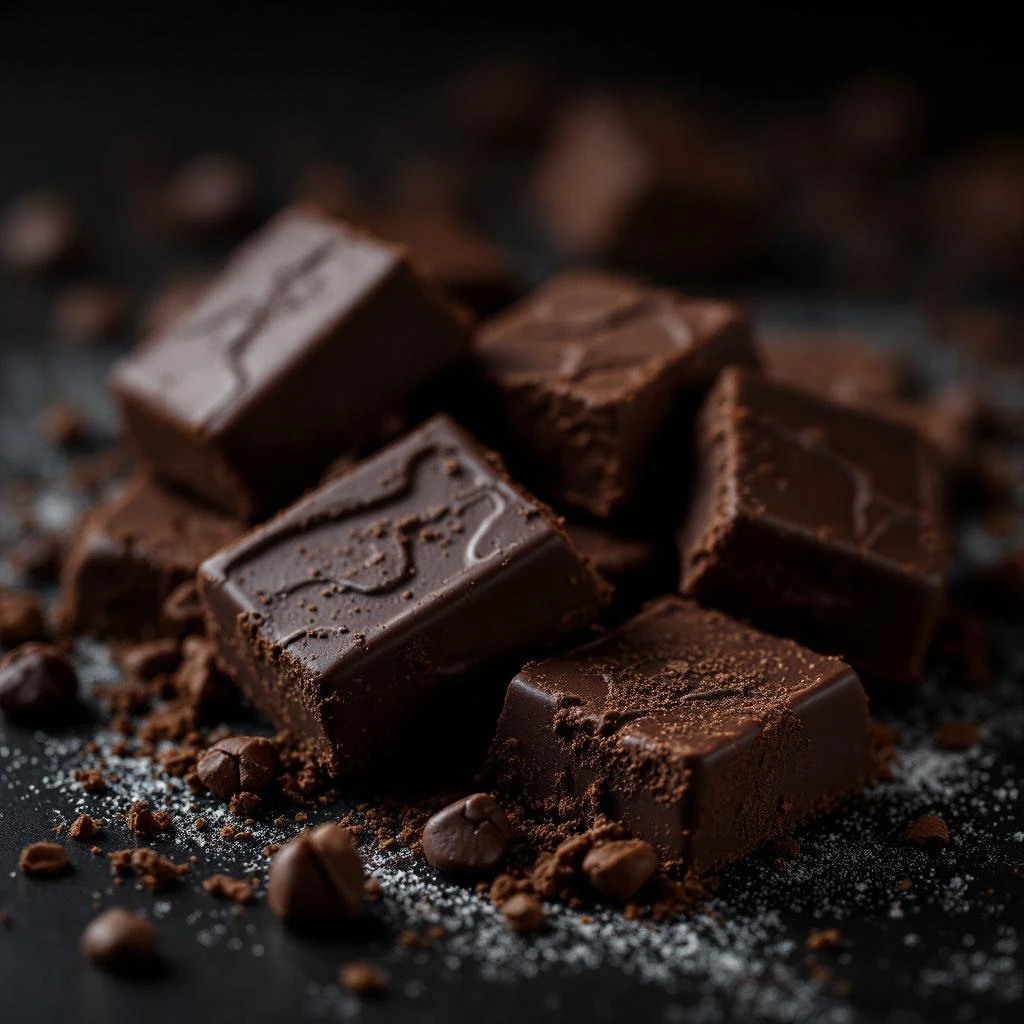
Boozy notes capture the warmth of spirits in liquid form. They evoke candlelit lounges, aged barrels, and the slow exhale after a fine dram. In perfumery, these notes blend chemistry with craftsmanship to bring the intoxicating soul of wine, whisky, or cognac into a bottle.

Character
How it smells
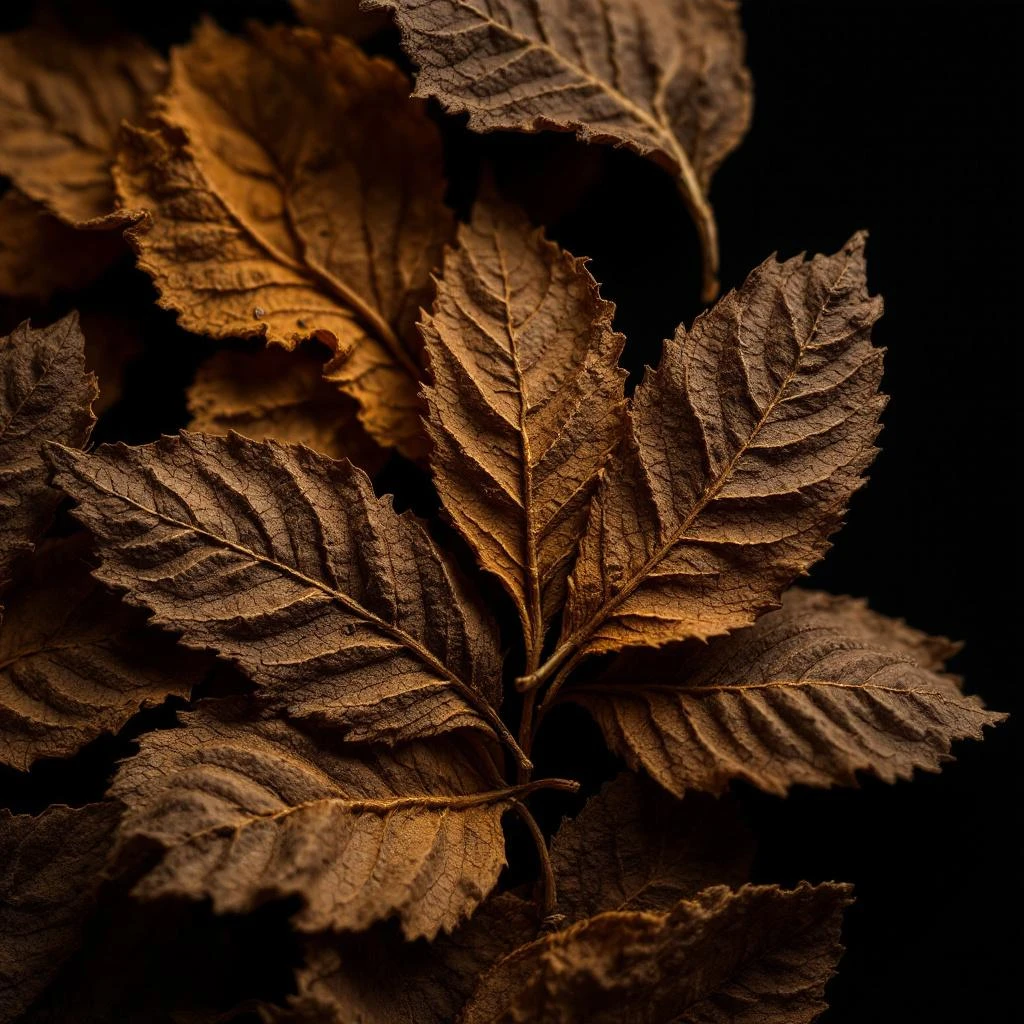
The warmth of a glass captured in scent.
The boozy quality in fragrance comes not from actual alcohol but from volatile aromatic compounds called aldehydes, which give spirits their distinctive scent profile.




Origin
France
The connection between perfumery and winemaking runs deeper than many realize. Twelfth-century Arab physicians who pioneered distillation techniques applied the same methods to aromatic plants and wine production simultaneously. When European monasteries began distilling spirits in the Middle Ages, monks noticed the aromatic overlap between their fragrant preparations and aged wines.
By the eighteenth century, cognac houses started collaborating with early perfumers, recognizing that wine lees carried compelling aromatic properties. The Victorian era saw whiskey barrel extracts enter perfumery as manufacturers sought to recreate the sensory experience of gentlemen's clubs and private libraries.
Wears it best
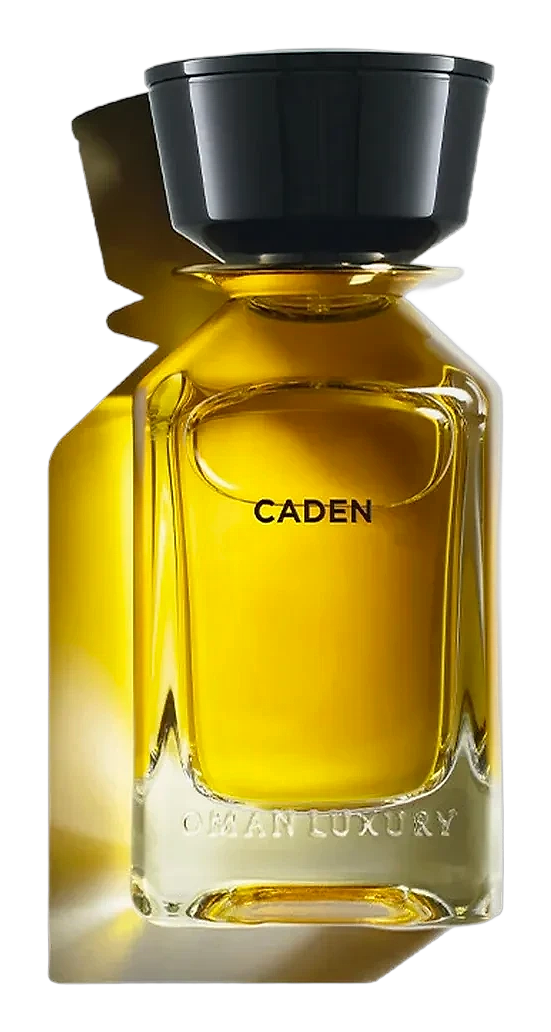
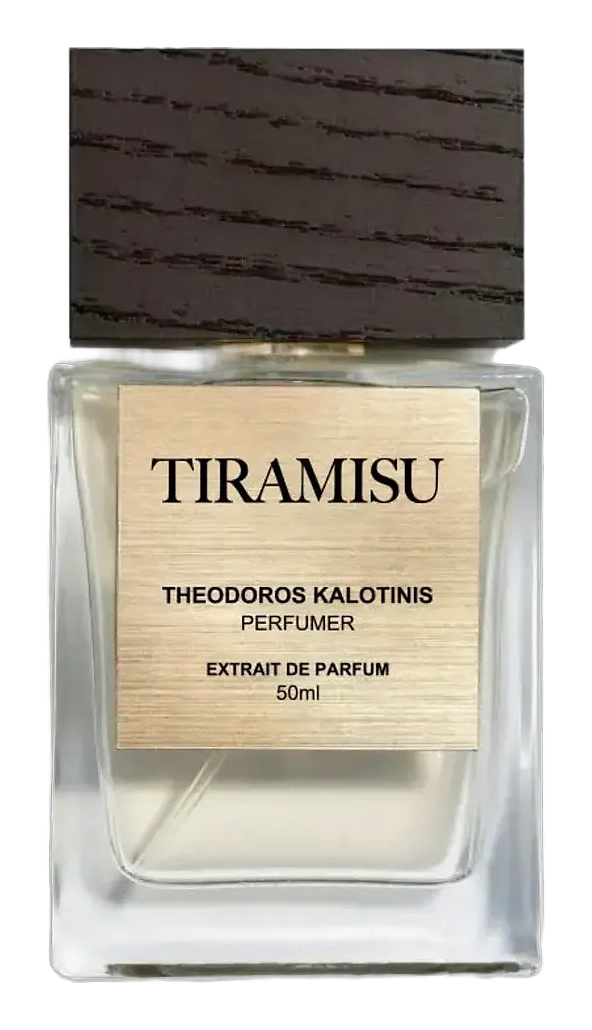
Fragrances featuring Boozy Notes
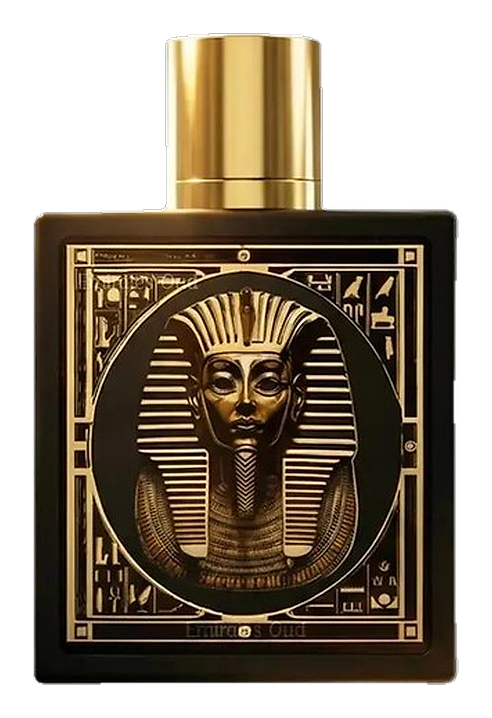
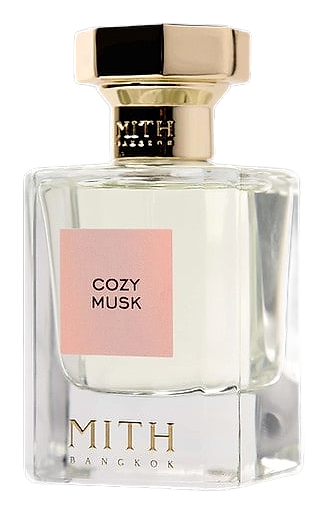
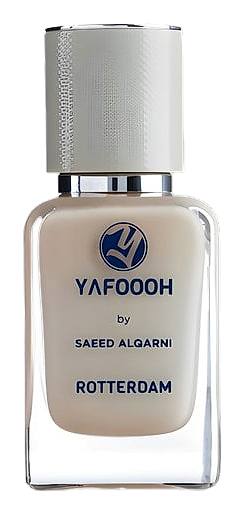
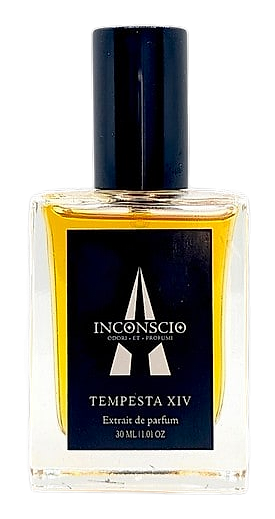

Brands
Brands known for Boozy Notes
Good to know
Questions, answered
The essentials on Boozy Notes in perfumery: how it smells, where it comes from, and how it behaves on skin.
What makes a fragrance smell boozy?
Boozy notes come from aromatic aldehydes and volatile compounds found in spirits, not from actual alcohol. Perfumers use natural extracts like cognac absolute or synthetic molecules to recreate the warm, rounded scent of whiskey, wine, or champagne.
Are boozy perfumes only for winter wear?
Boozy notes work year-round when balanced correctly. Light champagne accords suit summer evenings, while heavy bourbon or rum accords dominate autumn and winter fragrances.
How long do boozy notes last on skin?
Boozy notes typically last 4-6 hours as heart notes. Their longevity depends on the concentration and what base materials support them, withoud be amplified by vanilla, amber, or wood.
Can boozy fragrances trigger sobriety?
No. Perfume contains negligible alcohol and evaporates immediately. The aromatic compounds responsible for boozy character do not affect blood alcohol levels.
Which boozy note is most versatile?
Champagne or sparkling wine accords rank as most versatile. They add brightness without heaviness and pair easily with florals, fruits, or light woods.
Do boozy notes come from real spirits?
Most boozy notes derive from aromatic isolates and synthetic molecules rather than actual spirits. Natural cognac absolute exists but costs significantly more than lab-created alternatives.
Why do boozy notes smell different in each perfume?
The same spirit type smells different depending on surrounding notes. Rum combined with vanilla reads sweeter; whiskey with leather reads drier and more complex.
Which fragrance families use boozy notes most often?
Oriental fragrances use boozy notes most frequently, particularly in amber and gourmand compositions. Modern fougeres and certain chypres also incorporate whiskey or cognac accords.